Quick Facts
- 2026 Benchmark: DunedinPACE 1.0 has emerged as the gold standard for measuring aging velocity.
- Reversal Potential: Clinical trials show a 4.6-year reduction in biological age is possible within just 8 weeks.
- Nutrition Split: For optimal epigenetic markers, aim for 14% Protein, 29% Fat, and 53% Complex Carbohydrates.
- Testing Frequency: Bi-annual 3rd-generation epigenetic clocks like GrimAge provide the most actionable data.
- Primary Mechanism: The reduction of inflammaging and cellular senescence is the key to slowing the clock.
- Exercise Pillar: Combining Zone 2 aerobic work with heavy resistance training yields the highest longevity ROI.
Biological age measures physiological health and cellular function, whereas chronological age only tracks years lived. Driven by factors like DNA methylation and mitochondrial efficiency, biological age reflects internal healthspan. Metrics such as the Horvath clock and DunedinPACE are utilized to determine whether an individual's cells are aging faster or slower than their calendar years suggest.
01. Precision Testing: Beyond the Chronological Clock
In 2026, we have moved past the era where a simple blood panel or a birth certificate defines our health status. The distinction between biological age vs chronological age is now the foundational metric for any longevity protocol. While chronological age is a static count of trips around the sun, biological age is a dynamic representation of molecular integrity.
The breakthrough in this field is the refinement of the third-generation epigenetic clock. Unlike early versions that focused on a static biological age and physical age comparison, modern tests like DunedinPACE measure the velocity of aging. Think of the Horvath clock as your car's odometer—showing total wear—and DunedinPACE as your speedometer, indicating how fast you are aging at this very moment.
To truly understand your healthspan, epigenetic clock testing for longevity is no longer optional for those serious about performance. High-performance individuals are now tracking their biological age vs physical age to ensure their training load isn't inadvertently accelerating cellular decay. Precise markers allow us to see how lifestyle shifts translate into cellular reality, providing a feedback loop that chronological tracking simply cannot offer.
| Feature | Chronological Age | Biological Age |
|---|---|---|
| Measurement Basis | Time (Earth's orbit) | DNA Methylation & Biomarkers |
| Primary Goal | Legal status | Healthspan optimization |
| Reversibility | Impossible | Highly possible |
| Key Diagnostic | Birth Certificate | DunedinPACE / GrimAge |
| 2026 Standard | Linear | Velocity-based (Rate of Aging) |
What to Aim For: Testing Benchmarks
- DunedinPACE Score: Below 0.8 (indicating you age less than one year for every calendar year).
- Testing Cadence: Every 6 months to validate lifestyle interventions.
- Core Metric: Focus on biological age vs chronological age delta; a 5-year gap is the 2026 baseline for "optimal aging."
02. The 28-Day Nutritional Reset for Cellular Health
Dietary philosophy has shifted from simple caloric restriction to nutrient sensing and epigenetic signaling. Recent data suggests that an 8-week dietary and lifestyle intervention focused on DNA methylation can reduce a person's biological age by an average of 4.6 years. This isn't just about weight loss; it is about how to lower biological age naturally through specific biochemical pathways.
The "Sydney Split"—a macro distribution of 14% protein, 29% fat, and 53% low-glycemic carbohydrates—has been shown to optimize the DunedinPACE rate of aging. By emphasizing plant-heavy, Mediterranean-style fats and moderate protein, we trigger sirtuin activation and maintain metabolic flexibility without the chronic elevation of mTor that can accelerate cellular senescence.
Strategic intermittent fasting remains a cornerstone for one primary reason: autophagy. This cellular "housecleaning" process removes damaged organelles and proteins that contribute to the aging phenotype. When combined with a diet rich in methyl donors—like dark leafy greens, beets, and cruciferous vegetables—the body can effectively "re-program" its gene expression, essentially turning off pro-aging genes.
03. High-Efficiency Movement: Zone 2 and Strength
Exercise is the most potent longevity drug available in 2026, but the type of movement matters more than the duration. To see a meaningful shift in biological age vs metabolic age, we must address two different physiological systems: the mitochondria and the skeletal muscle.
Mitochondrial efficiency is best honed through Zone 2 training—steady-state aerobic exercise where you maintain 60-70% of your maximum heart rate. This intensity stimulates the production of new mitochondria and improves the body's ability to oxidize fat, a hallmark of metabolic flexibility. Conversely, high-intensity interval training (HIIT) acts as a powerful stressor that improves DNA methylation profiles and forces cellular adaptation.
Resistance training is the second, equally vital pillar. Sarcopenia, or age-related muscle loss, is a primary driver of metabolic decline. By maintaining lean mass, you preserve your insulin sensitivity and baseline metabolic rate. This duality of "Engine and Armor"—aerobic capacity and muscular strength—is the best exercise to reduce biological age and prevent the frailty that often defines late-life chronological aging.
What to Aim For: Performance Metrics
- VO2 Max: Top 10th percentile for your chronological age group.
- Zone 2 Volume: 150–200 minutes per week.
- Strength Goals: Ability to perform a 1.5x bodyweight deadlift (or age-adjusted equivalent).
04. Ending 'Inflammaging' by Fixing the Gut
One of the most insidious drivers of accelerated aging is "inflammaging"—chronic, low-grade inflammation that originates in the gut and spreads systemically. When the gut barrier is compromised, bacterial components like lipopolysaccharides (LPS) leak into the bloodstream, triggering immune responses that cause DNA damage and shorten telomeres.
Dietary habits play a massive role here. Research shows that adhering to the American Heart Association's Life's Essential 8 measures, such as maintaining healthy blood sugar and sleep, is associated with a biological age up to six years younger than chronological age. Central to this is the management of the gut-age axis.
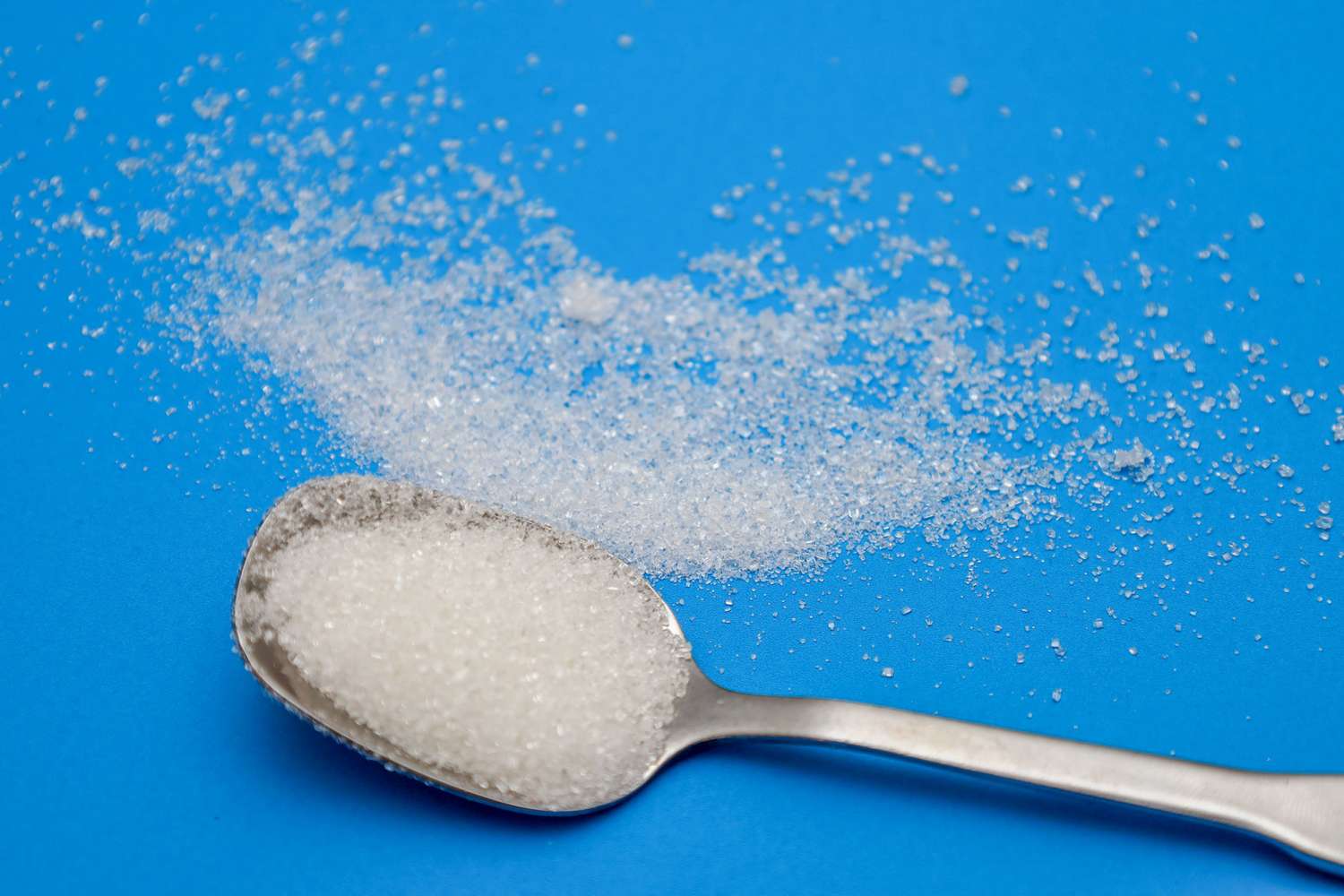
Excessive sugar and ultra-processed foods accelerate biological age blood markers like hsCRP (high-sensitivity C-reactive protein) and IL-6 (interleukin-6). These markers are the smoke indicating a fire at the cellular level. By flooding the system with fermented foods and diverse fiber types, we can displace pro-inflammatory Proteobacteria and replace them with species that produce short-chain fatty acids, which are naturally anti-inflammatory.
05. Targeted Micronutrients and Mitochondrial Support
While lifestyle is the foundation, targeted supplementation serves as the "precision tool" to address specific gaps in our biology. A pivotal 2026 clinical study demonstrated that daily multivitamin supplementation over 24 months can measurably slow the pace of biological aging at the cellular level in older adults. Use of high-quality multivitamins ensures the enzymes responsible for DNA methylation have the cofactors they need to function optimally.
Furthermore, managing oxidative stress markers is essential. We are no longer just "taking vitamins"; we are measuring serum levels to hit narrow therapeutic windows. For instance, maintaining Vitamin D levels between 75-125 nmol/L is correlated with better telomere maintenance and immune regulation. Support for mitochondria through precursors like NAD+ and compounds like CoQ10 has also become standard for those looking to counteract the natural decline in cellular energy production.
By combining these micronutrients with a robust movement practice and a sirtuin-activating diet, we address aging from every angle—from the macroscopic level of muscle mass down to the microscopic level of DNA methylation.
What to Aim For: Biomarker Optimization
- hsCRP: Less than 1.0 mg/L.
- Vitamin D: 75–125 nmol/L.
- HbA1c: Below 5.2% for optimal metabolic flexibility.
FAQ
How do you determine your biological age?
You determine your biological age through advanced epigenetic testing that analyzes DNA methylation patterns. By looking at specific "CpG sites" on your genome, scientists can use algorithms like the Horvath clock or DunedinPACE to assess cellular wear and the current rate of aging. Standard blood panels measuring metabolic markers like hsCRP, fasting insulin, and Lipid profiles also provide a secondary "metabolic age" score.
What slows aging the most?
A combination of caloric restriction (or time-restricted feeding), high-intensity exercise, and maintaining high cardiorespiratory fitness (VO2 Max) consistently shows the most significant impact on slowing the aging process. These interventions activate autophagy and sirtuins, the body's internal repair mechanisms, while also reducing the accumulation of senescent "zombie" cells that drive inflammation.
Is 30 biologically old?
No, 30 is not biologically old, but it is often the decade where the divergence between biological age and chronological age begins to accelerate. In a modern sedentary environment with high-sugar diets, many 30-year-olds exhibit a biological age in the late 30s or early 40s. Conversely, those with optimized lifestyle protocols often maintain the cellular profile of someone in their early 20s.
Do you get aging from mom or dad?
While you inherit your genetic blueprint from both parents, roughly only 20-25% of your longevity is determined by genetics. The remaining 75-80% is determined by epigenetics—how your environment and choices signal your genes to behave. While you might inherit a predisposition for certain metabolic traits from your parents, your biological age is largely under your own control through lifestyle intervention.