Quick Facts
- Market Growth: The global Traditional Chinese Medicine skincare market was valued at USD 4.7 billion in 2024, with expectations to reach USD 6.8 billion by 2031.
- Core Concept: Beauty is viewed as an external reflection of internal balance, specifically the harmonious flow of Qi and blood throughout the body.
- The Lymphatic Link: Facial tools like gua sha act as a manual pump for the lymphatic system, which is nearly twice the size of the circulatory system and lacks its own central pump.
- The Neck-First Rule: Effective facial drainage requires clearing the pathways in the neck first to ensure fluid has a place to go, preventing further congestion.
- Safety First: Techniques like gua sha and cupping should be avoided over active acne, broken skin, or within six weeks of receiving Botox or fillers.
- Professional Guidance: While home rituals are effective for maintenance, seeking a licensed acupuncturist ensures deeper therapeutic results for chronic conditions like TMJ or Bell’s palsy.
TCM beauty techniques, such as facial gua sha and cosmetic acupuncture, enhance skin health by improving the circulation of blood and qi. These practices stimulate the lymphatic drainage system to reduce facial edema and puffiness while releasing deep muscular tension. Regular application can lead to a more sculpted appearance, softened fine lines, and a radiant complexion by addressing the root causes of skin concerns through holistic healing.

Understanding the Root Cause: Beyond the Surface
In my years of evaluating botanical extracts and traditional remedies, I have found that modern skincare often focuses too heavily on the epidermis, the very top layer of our skin. Traditional Chinese Medicine (TCM) takes a different approach, treating the face as a map of internal health. When we see puffiness, dullness, or premature fine lines, we are often seeing the physical manifestation of Qi and Blood Stagnation. From a clinical perspective, this translates to poor microcirculation and a sluggish lymphatic system.
The modern lifestyle contributes significantly to these issues. We spend hours hunched over screens, creating what is now known as tech neck. This posture creates physical blockages in the neck and shoulders, which are the primary gateways for blood and lymph moving toward the face. When these pathways are constricted, fluid accumulates in the facial tissues, leading to chronic facial edema and puffiness.
Furthermore, TCM identifies specific meridian channels—invisible pathways of energy—that run across the face. For example, the Stomach meridian runs through the jaw and cheek, while the Gallbladder meridian snakes around the ears and temples. When tension builds in the fascia, the connective tissue that wraps around muscles, it can obstruct the flow of energy along these meridian channels. Integrating ancient chinese medicine into modern skincare routine allows us to address this tension through fascia muscle release, ensuring that the skin receives the nutrients it needs from the blood while effectively removing metabolic waste.
Facial Gua Sha: The Natural Sculptor for Drainage and Tension
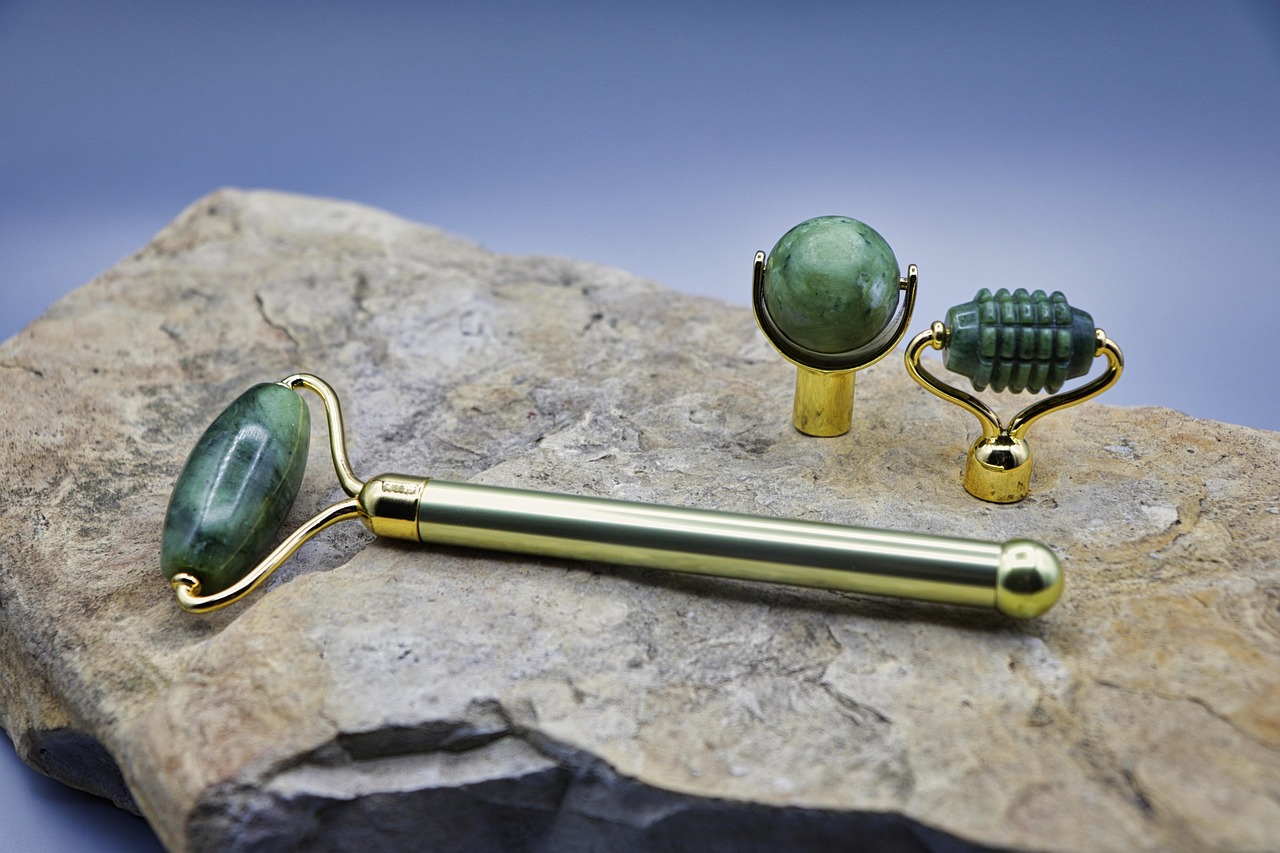
One of the most transformative TCM beauty techniques is facial gua sha. Often called the Eastern facelift, this technique involves using a smooth-edged tool, typically made of jade or rose quartz, to stroke the skin. However, the benefits of facial gua sha go far beyond simple skin smoothing; it serves as a therapeutic tool for relieving jaw tension and symptoms of TMJ by targeting fascia and muscle knots.
When discussing facial gua sha benefits for lymphatic drainage and puffiness, the most critical concept to understand is the Neck-First protocol. Imagine a sink that is backed up; you cannot clear the basin until you clear the pipes below. The neck contains a high density of lymph nodes that act as drainage gates. By starting your ritual on the neck, you open these gates, allowing facial fluid to drain effectively.
The Neck-First Gua Sha Sequence
- Apply Oil: Use a non-comedogenic facial oil to provide slip. Avoid heavy oils like coconut oil, which can clog pores.
- The Back of the Neck: Using the notched side of the tool, stroke from the base of the neck up to the hairline. This releases tension that contributes to forehead wrinkles.
- The Sides of the Neck: Use the flat side of the tool to stroke downward from behind the ear to the collarbone. This is the primary drainage path.
- The Jawline: Sweep from the center of the chin toward the earlobe. This helps with facial edema reduction and defines the jaw.
- The Cheeks and Eyes: Use very light pressure (the weight of a feather) under the eyes, moving from the inner corner to the temple.
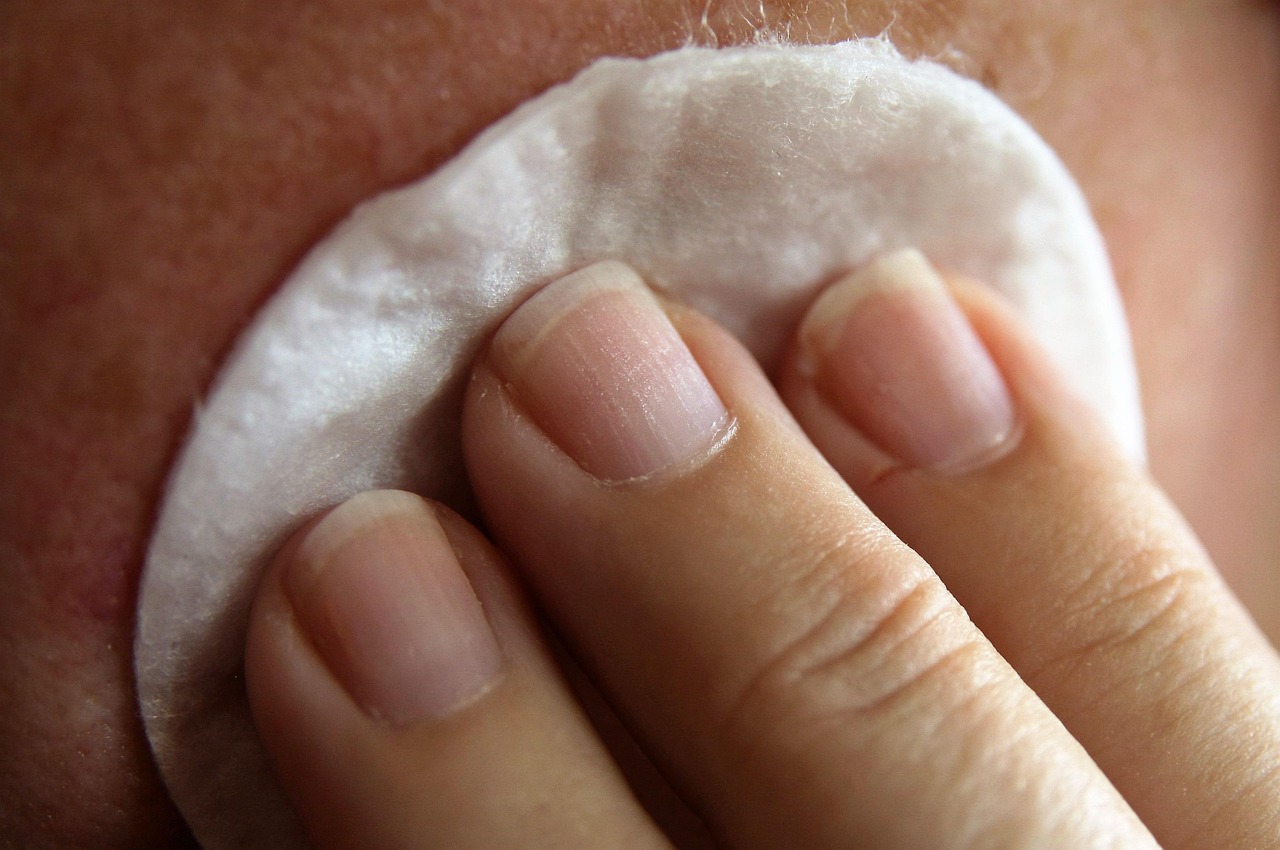
By applying consistent, gentle pressure along meridian channels and acupressure points, the technique promotes microcirculation and releases stagnant energy. Beyond aesthetics, licensed practitioners use these techniques to alleviate headaches, manage sinus congestion, and even support nerve function recovery in conditions like Bell's palsy.
Cosmetic Acupuncture and Cupping: Clinical Rejuvenation
While gua sha is excellent for home care, cosmetic acupuncture for skin health and fine lines is a powerful clinical treatment performed by a licensed acupuncturist. This technique involves the insertion of hair-thin needles into specific acupressure points on the face. From a modern biological standpoint, these needles create micro-trauma. This controlled injury triggers the body’s natural healing response, stimulating the production of collagen and elastin to repair the site.
Unlike Botox, which paralyzes the muscle to prevent wrinkles, cosmetic acupuncture works by strengthening the muscle and improving the health of the overlying tissue. This results in a more natural, animated rejuvenation.
For those looking to supplement their routine at home, a tcm facial cupping guide for beginners at home can be a game-changer. Facial cupping uses small silicone cups to create a gentle vacuum on the skin. This suction pulls fresh, oxygenated blood to the surface and stretches the fascia.
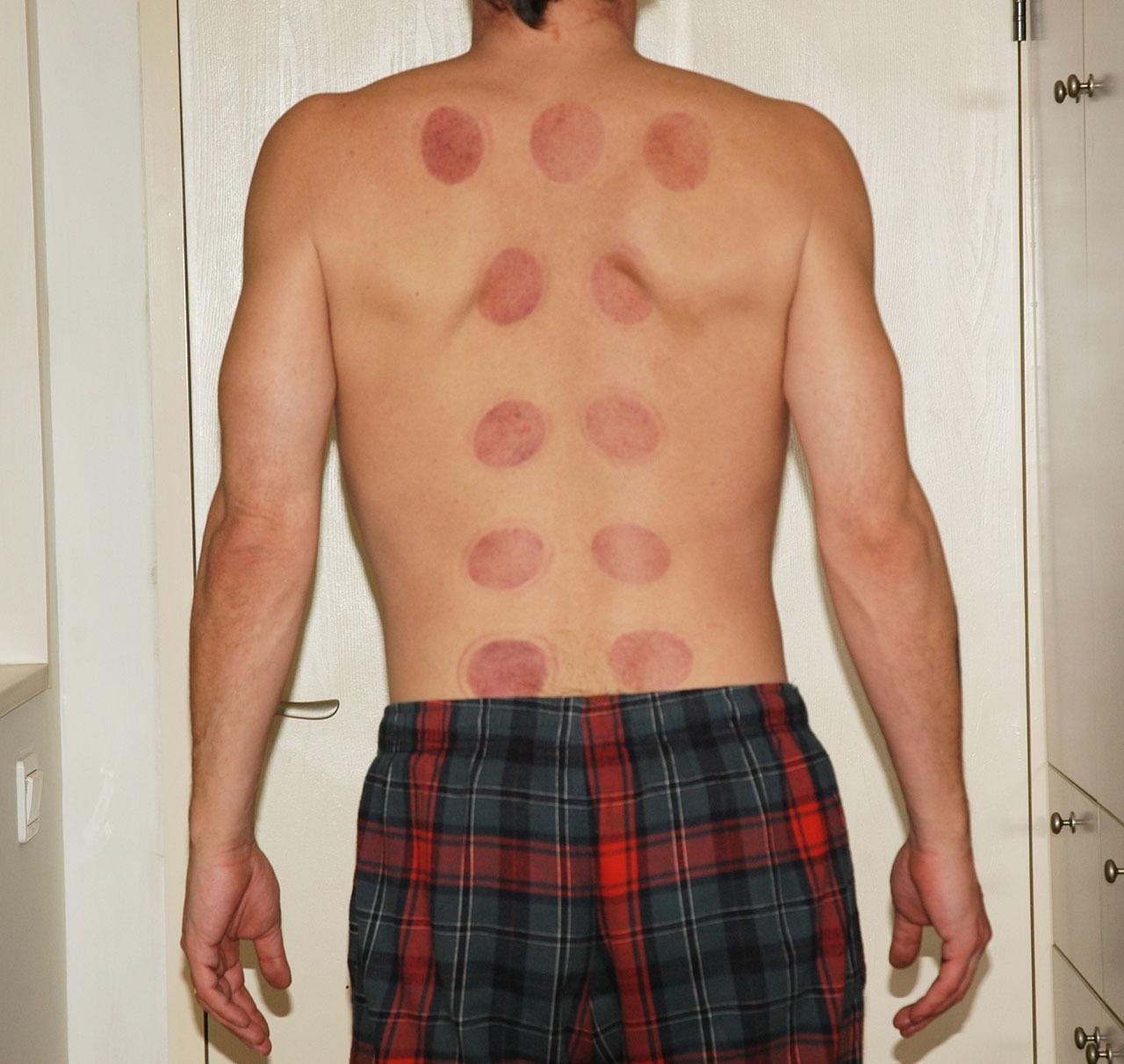
The key to facial cupping is the sliding cup technique. Unlike body cupping, which leaves stationary marks known as Sha, facial cups should always be kept in motion. This movement helps clear blood and qi stagnation, which can reduce inflammation associated with skin conditions. While practitioners advise against using tools on broken skin or active pustules, these methods promote the removal of excess fluids and toxins through the lymphatic system. When integrated into a modern routine, these rituals help balance skin temperature and improve overall tissue health for a clearer complexion.
The Inside-Out Glow: TCM Herbs and Dietetics
In the world of holistic wellness, we cannot discuss the face without discussing the gut. TCM dietetics emphasizes the gut-skin axis, suggesting that what we ingest directly influences our complexion. The surge in interest is clear: demand for natural skincare products in China experienced a 314% increase in 2024, driven by a growing consumer preference for holistic wellness and traditional ingredients.
When considering how to use tcm beauty techniques for facial rejuvenation, one must look at specific botanical extracts that offer anti-inflammatory skincare benefits. TCM focuses on the Five Flavors—sour, bitter, sweet, pungent, and salty—to balance the body's internal environment. For skin health, we often look toward herbs that clear heat (inflammation) and nourish Yin (moisture).
Herb-to-Benefit Comparison
| Botanical Extract | TCM Property | Modern Benefit |
|---|---|---|
| Schisandra Berry | Stabilizes Qi | Adaptogen that protects against environmental stress and calms redness. |
| Pearl Powder | Clears Heat | Rich in amino acids and minerals; promotes cellular turnover and a radiant glow. |
| Licorice Root | Tonifies Spleen | A powerful anti-inflammatory agent that brightens skin and fades hyperpigmentation. |
| Goji Berry | Nourishes Blood | High in antioxidants; helps protect the skin from oxidative damage and aging. |
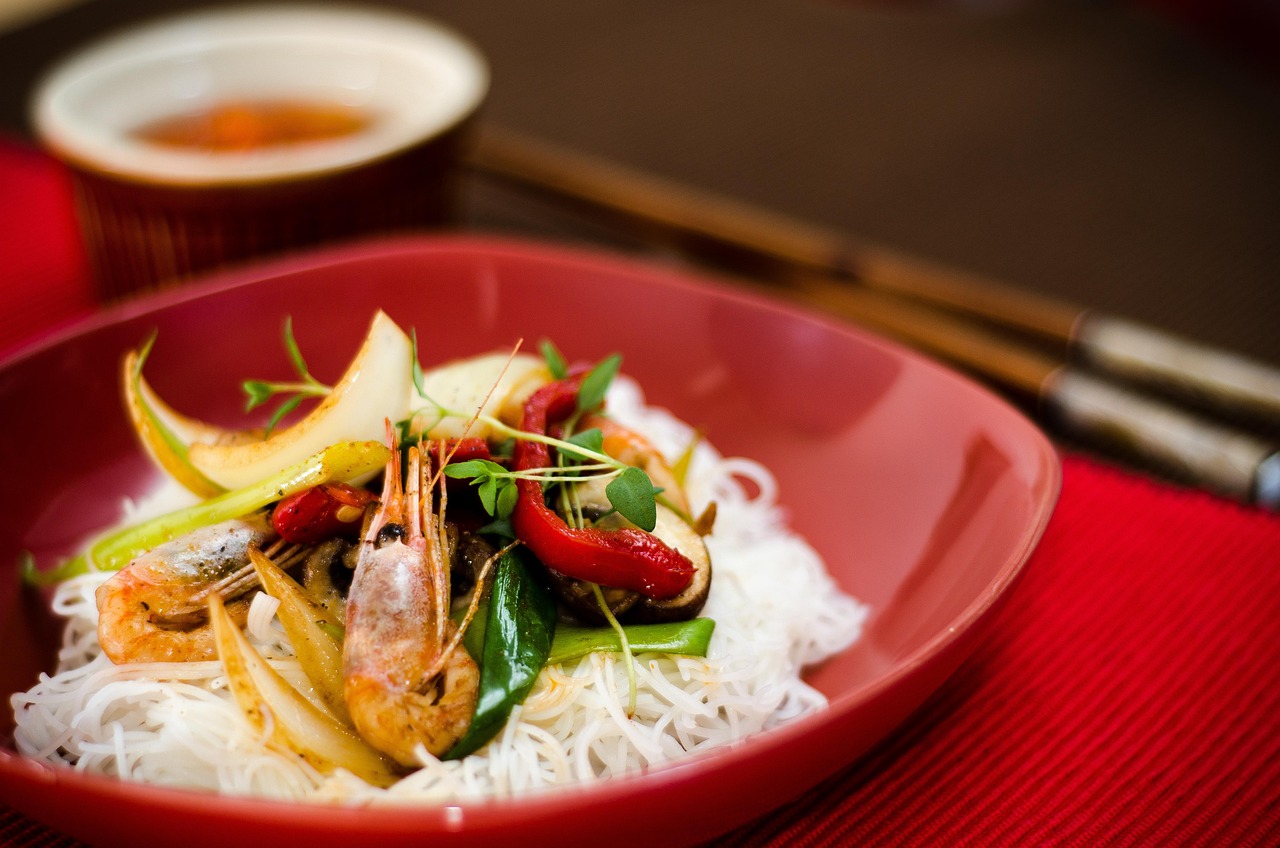
Integrating these herbs isn't just about supplements. It’s about a lifestyle that favors warm, cooked foods over cold, raw ones, as cold foods are thought to dampen the digestive fire, leading to stagnation and a sallow complexion.
Integrating TCM into Your Modern Routine
The beauty of these traditional healing rituals is their ability to blend seamlessly into a minimalist lifestyle. You don't need an hour-long session to see results. A 5-minute daily neck and jaw massage during your evening cleanse can yield significant long-term benefits.
When integrating ancient chinese medicine into modern skincare routine, it is important to layer the rituals correctly. Always use your gua sha or cups on clean skin with a dedicated oil or serum. However, be cautious when using high-strength actives like retinol or vitamin C; the increased microcirculation from TCM tools can sometimes make the skin more sensitive to these ingredients. I recommend performing your TCM rituals with a simple, soothing botanical oil and applying your active serums afterward.
Beyond the physical benefits, these practices offer a profound psychological value. The intentional, slow movements required for gua sha act as a form of moving meditation, helping to reduce anxiety and lower cortisol levels—the very hormone responsible for breaking down collagen.

Safety Contraindications
Avoid using gua sha or facial cups over active cystic acne, open wounds, or rashes, as this can spread bacteria. If you have a history of blood clots or are on blood-thinning medication, consult with a physician before starting any facial massage routine. Always ensure your tools are sanitized with soap and water after every use.
FAQ
What are the most popular TCM beauty techniques?
The most widely recognized techniques include facial gua sha, which uses a stone tool for massage; cosmetic acupuncture, involving fine needles to stimulate collagen; and facial cupping, which uses suction to improve circulation. Additionally, herbal dietetics and the use of botanical extracts in topical formulas are foundational elements of the TCM approach to beauty.
How does facial acupuncture improve skin health?
Facial acupuncture works by creating tiny micro-traumas in the skin’s surface, which triggers the body’s natural repair mechanism. This process increases the production of collagen and elastin, improves blood flow to the face, and helps tone the underlying muscles, leading to firmer, more youthful-looking skin.
What are the benefits of using a Gua Sha for the face?
Using a gua sha tool helps stimulate the lymphatic drainage system, which reduces puffiness and facial edema. It also promotes microcirculation to bring a healthy glow to the skin and aids in fascia muscle release, which can soften fine lines and alleviate tension in the jaw and brow.
Are TCM beauty treatments safe for sensitive skin?
Yes, most TCM beauty treatments are safe for sensitive skin when performed correctly. For example, gua sha should be done with very light pressure and a soothing oil. However, those with extreme sensitivity or rosacea should consult a licensed acupuncturist first, as excessive heat or friction can sometimes trigger a flare-up.
How effective is TCM for anti-aging?
TCM is highly effective for anti-aging because it addresses the root causes of aging, such as poor circulation and internal imbalance, rather than just the symptoms. While it may take longer to see results compared to invasive procedures, the effects are often more natural and support the long-term health of the skin tissues.
Can I perform TCM beauty treatments at home?
Techniques like gua sha and facial cupping can be safely performed at home with the right tools and a proper tcm facial cupping guide. However, cosmetic acupuncture should only be performed by a licensed professional. Consistency is key for home treatments, as 5 to 10 minutes of daily practice is more effective than an occasional long session.
Professional Guidance and Next Steps
If you are new to these practices, I encourage you to start small. Begin with a simple neck massage tonight and observe how your skin feels the next morning. If you are struggling with specific concerns like deep-set wrinkles or chronic puffiness, consider booking a session with a licensed acupuncturist. They can provide a tailored plan that combines internal herbal support with clinical-grade facial treatments. Ancient wisdom offers us a path to beauty that is not only effective but sustainable and deeply restorative.