Quick Facts
- Clinical Threshold: Poor sperm motility is diagnosed when fewer than 32 percent of sperm move efficiently.
- The 90-Day Window: Because spermatogenesis takes about three months, lifestyle changes require 90 days to show results.
- Speed Benchmarks: High-quality sperm should travel at a minimum progressive speed of 25 micrometres per second.
- Core Diagnosis: Low sperm motility is medically referred to as Asthenozoospermia.
- Impact of Infertility: Male factors contribute to approximately 40 to 50 percent of all infertility cases globally.
- Top Nutrients: Supplementing with Coenzyme Q10, L-carnitine, and Vitamin C can significantly enhance movement.
- Key Lifestyle Fix: Reducing scrotal heat and quitting smoking are the most immediate ways to protect sperm health.
Sperm motility is a critical factor in male fertility, representing the ability of sperm to swim toward an egg. If you are struggling with low sperm movement, understanding the causes and treatments is the first step toward conception. Low sperm motility, or asthenozoospermia, can result from medical conditions like varicocele, infections, or lifestyle factors like smoking and obesity. Improving motility naturally requires a 90-day commitment to lifestyle changes and antioxidant support.
Understanding Sperm Motility: The Science of Movement
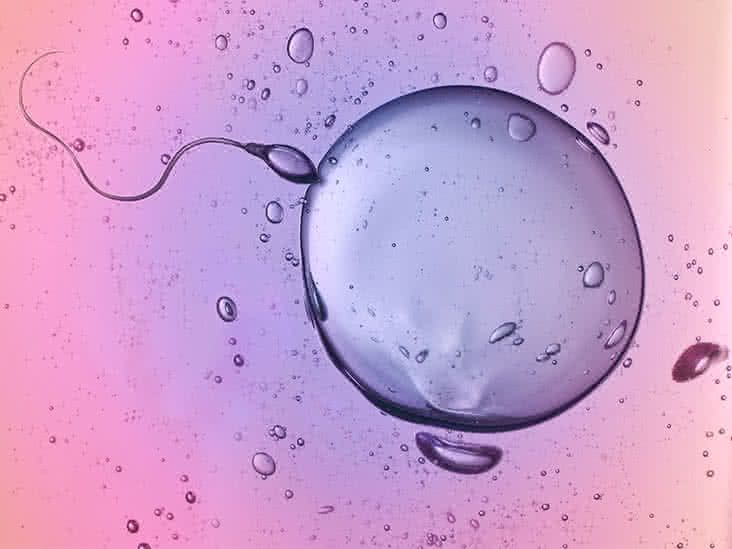
When we talk about sperm motility, we are essentially looking at the swimming ability of the individual sperm cells. For a pregnancy to occur naturally, sperm must navigate the female reproductive tract, traveling through the cervix and uterus to reach the fallopian tubes. This is no small feat; it requires strength, direction, and speed.
In a standard semen analysis, specialists look at two specific types of movement. The first is progressive movement, where sperm swim in a mostly straight line or very large circles. This is the gold standard for fertility. The second is non-progressive movement, where the sperm may vibrate or swim in tight, erratic circles without gaining ground. To be considered healthy, a sample should ideally show that at least 32 percent of the sperm are capable of progressive movement.
Medical professionals also use a system for understanding motility grades in semen analysis to further categorize the quality of the sample. These grades range from Grade d (non-motile) to Grade a (rapid progressive movement). We generally look for a significant portion of the sample to be moving at a speed of at least 25 micrometres per second. If the movement falls below these thresholds, it can make the journey to the egg nearly impossible without medical intervention.
Root Causes: Why Sperm Motility Drops
Low sperm motility is rarely the result of a single factor. Instead, it is often a combination of biological, environmental, and lifestyle influences that compromise the sperm’s ability to move. Identifying these low sperm movement causes is the first step toward finding a solution.
Medical conditions are a primary driver. One of the most common is a varicocele, which is an enlargement of the veins within the scrotum. This condition can lead to increased testicular temperature and decreased sperm quality. Infections can also play a role; for example, epididymitis or certain sexually transmitted infections can cause inflammation that hinders sperm transport. Furthermore, hormonal imbalances, particularly issues with testosterone levels or the pituitary gland, can disrupt the signals needed for healthy sperm production.
Beyond medical issues, environmental and lifestyle habits that damage sperm motility are incredibly common in our modern world. We often see high levels of Reactive oxygen species (ROS) in men with fertility issues. These are unstable molecules that cause oxidative stress, leading to DNA fragmentation within the sperm. This damage not only slows the sperm down but can also affect the overall sperm morphology, or shape, making it harder for them to penetrate an egg.
Environmental factors like scrotal hyperthermia are also significant. The testes are located outside the body for a reason: they need to remain cooler than the rest of the core. Regular use of hot tubs, saunas, or even wearing tight-fitting underwear can raise temperatures enough to kill or stun sperm. Exposure to heavy metals, pesticides, and industrial chemicals further compounds these risks.
The 90-Day Plan: Natural Ways to Boost Motility
The most important thing to understand about male fertility is the timeline. Spermatogenesis, the process of creating new sperm, takes approximately 64 to 72 days, with another couple of weeks required for the sperm to mature and become motile. This means that any male fertility lifestyle changes you make today will not be reflected in your semen analysis for about three months. When patients ask how long to improve sperm motility before conception, we always recommend a minimum of 90 days of consistent effort.
To start your natural improvement journey, focus on these foundational pillars:
Temperature Control and Habits
Stop the heat at the source. Switch from briefs to loose-fitting boxers and avoid placing laptops directly on your lap. If your job involves long periods of sitting or exposure to high heat (like professional driving or welding), take regular breaks to cool down. Additionally, quitting smoking is non-negotiable. Tobacco use introduces toxins that directly impair sperm movement and increase oxidative stress.
The Fertility Diet
Implementing dietary changes to increase sperm motility can have a profound impact. We generally recommend the Mediterranean diet, which is high in fresh fruits, vegetables, whole grains, and healthy fats like olive oil. These foods are naturally rich in antioxidants that fight off Reactive oxygen species.
- Leafy Greens: High in folate, which supports DNA health.
- Fatty Fish: Rich in Omega-3 fatty acids to improve sperm membrane fluidity.
- Walnuts: One of the few plant sources of Omega-3s proven to help with sperm health.
- Berries: Packed with Vitamin C to reduce clumping (agglutination).
Weight and Exercise
Maintaining a healthy weight is crucial because obesity can lead to hormonal shifts, specifically increasing estrogen and decreasing testosterone levels. Aim for moderate exercise; while regular movement is beneficial, extreme endurance training can sometimes have the opposite effect by increasing heat and stress in the body.
Evidence-Based Supplements for Sperm Health
While a balanced diet is the foundation, specific nutrients can act as "fuel" for the sperm’s mitochondria—the engine room that powers movement. When looking for the best supplements for low sperm movement and count, science points to several heavy hitters.
| Nutrient | Recommended Dosage | Primary Benefit |
|---|---|---|
| L-carnitine | 2,000–3,000 mg | Provides energy for the sperm tail to whip and move forward. |
| Coenzyme Q10 | 200–400 mg | A powerful antioxidant that improves concentration and motility. |
| Vitamin C | 1,000–2,000 mg | Reduces oxidative stress and prevents sperm from sticking together. |
| Zinc and Selenium | 15–30 mg (Zinc) | Critical for testosterone production and sperm maturation. |
| Vitamin E | 400 IU | Protects the sperm cell membrane from damage. |
One particularly encouraging study found that daily supplementation of 2,000 milligrams of vitamin C for two months increased sperm motility by over 90 percent. This highlights just how sensitive sperm are to antioxidant therapy. However, always consult with a healthcare provider before starting a high-dose regimen, as balance is key.
Advanced Medical Treatments and Interventions
Sometimes, lifestyle changes and supplements aren't enough, especially if there is an underlying anatomical or hormonal issue. In these cases, medical intervention is necessary.
If a hormonal imbalance is detected, hormone therapy options for male infertility may be prescribed. Medications such as clomiphene citrate, which is often used for female ovulation, can be used off-label in men to stimulate the pituitary gland to produce more luteinizing hormone (LH) and follicle-stimulating hormone (FSH). This, in turn, boosts testosterone levels and improves sperm production. In some cases, hCG injections may be used to achieve similar results.
For men with a physical blockage or a varicocele, surgery is a highly effective option. A Varicocele repair (varicocelectomy) involves tying off the enlarged veins to restore proper blood flow and temperature to the scrotum. Post-surgery, many men see a significant improvement in both sperm count and motility within one to two spermatogenesis cycles.
When natural conception remains elusive despite these treatments, Assisted Reproductive Technology (ART) offers a path forward. Intracytoplasmic Sperm Injection (ICSI) is a specialized form of IVF where a single, healthy sperm is selected and injected directly into an egg. This bypasses the need for the sperm to swim long distances, making it an excellent option for those with severe Asthenozoospermia.
When to See a Fertility Specialist
Knowing when to seek professional help can save couples months of frustration. The general rule of thumb depends largely on age. If the male partner is under 35, we suggest seeking a specialist after 12 months of unprotected intercourse. If the male partner is over 35, that window drops to 6 months.
However, if you have a known history of undescended testes, groin injury, or past infections like mumps, you should seek a professional semen analysis much sooner. A specialist will perform a comprehensive Spermiogram, which looks beyond just motility to evaluate sperm count, volume, pH, and morphology.
To prepare for this test, most clinics recommend a period of abstinence for 2 to 5 days. This ensures the sample is representative of your peak production. Remember, a single "bad" test doesn't always mean permanent infertility; because sperm health fluctuates, most doctors will require two separate tests, spaced a few weeks apart, before making a final diagnosis.
FAQ
What is a normal sperm motility percentage?
A normal sperm motility percentage is defined as at least 40 percent total motility, or at least 32 percent progressive motility. Progressive motility refers to sperm that are swimming in a straight line or large circles rather than simply vibrating or swimming in tight, ineffective loops.
How can I increase my sperm motility naturally?
You can increase sperm motility naturally by adopting a Mediterranean-style diet rich in antioxidants, maintaining a healthy BMI, and avoiding heat-related stress on the scrotum. Quitting smoking and limiting alcohol intake are also vital steps, as these substances create oxidative stress that damages sperm cells and slows their movement.
What causes poor sperm motility?
Poor sperm motility can be caused by medical conditions such as varicocele, hormonal imbalances, or infections of the reproductive tract. Environmental factors like exposure to heavy metals and toxins, as well as lifestyle habits like wearing tight clothing, frequent use of saunas, and obesity, also contribute significantly to the decline in sperm movement quality.
How long does it take to improve sperm motility?
It typically takes about 90 days to see improvements in sperm motility after making lifestyle or dietary changes. This is because the process of producing and maturing new sperm, known as spermatogenesis, takes approximately three months. Consistency is key during this entire window to ensure the new batch of sperm is as healthy as possible.
What vitamins help with sperm motility?
Several vitamins and antioxidants are proven to support sperm health. Vitamin C and Vitamin E are essential for protecting sperm from oxidative damage. Additionally, supplements like L-carnitine provide energy for movement, while Zinc and Selenium are critical for the structural development of the sperm and maintaining healthy testosterone levels.