Quick Facts
- Survival Statistics: The 5-year relative survival rate for women in the United States diagnosed with localized-stage breast cancer is over 99%.
- Prevalence Data: Approximately 1 in 8 women in the United States will be diagnosed with invasive breast cancer in her lifetime.
- Community Numbers: There are currently more than four million women with a history of breast cancer living in the United States today.
- Functional Recovery: Surgical recovery and regaining physical agency typically takes between 3 to 8 weeks, depending on the procedure.
- Holistic Approach: Survivorship is a proactive process that begins at the moment of diagnosis, not just when active treatment concludes.
- Body Neutrality: Shifting the focus from how the body looks to how it functions can significantly improve psychological adaptation during recovery.
Embrace hope with modern breast cancer body image strategies. With a 99% survival rate for localized cases, this guide helps you navigate physical changes and reclaim your identity. Improving breast cancer body image involves a combination of self-compassion, physical rehabilitation like managing mastectomy scars, and psychological adaptation to shifts in femininity and identity.
Navigating Physical Changes: Mastectomy and Beyond
The physical journey following a diagnosis is often marked by rapid changes that can feel overwhelming. For many women, the transition from a familiar reflection to a post-surgical reality involves more than just healing skin; it requires a deep reconnection with a body that may feel foreign. Understanding the sensory reality of surgery is the first step in this process. Many patients describe sensations of numbness, tightness, or a pulling feeling in the chest and underarm area. These are natural parts of surgical recovery, but they can be distressing if you are not prepared for them.
Addressing these sensations through proactive care is essential for both comfort and mobility. One of the most effective ways to reclaim physical agency is through managing mastectomy scars with intentionality. Once your surgeon gives the clear, usually a few weeks post-op, incorporating scar massage techniques after breast surgery can help break up adhesions and improve the elasticity of the tissue. This isn't just a clinical task; it is a way to touch and accept your new body with kindness. By gently working the area, you improve blood flow and reduce the long-term tightness that often follows reconstruction surgery or a mastectomy.
Movement is another pillar of coping with breast cancer physical changes. Surgery can temporarily limit your upper body mobility, making daily tasks feel like hurdles. Incorporating specific exercises to improve range of motion after mastectomy can help you regain your strength and independence. These movements, often starting with simple wall walks or gentle shoulder rolls, are vital for preventing complications like lymphedema management issues. When we focus on what our bodies can still do—stretching a little further each day or carrying a grocery bag—we move toward a state of body neutrality, where the body's function is celebrated over its aesthetic perfection.
Reclaiming Your Reflection: Self-Care Routines
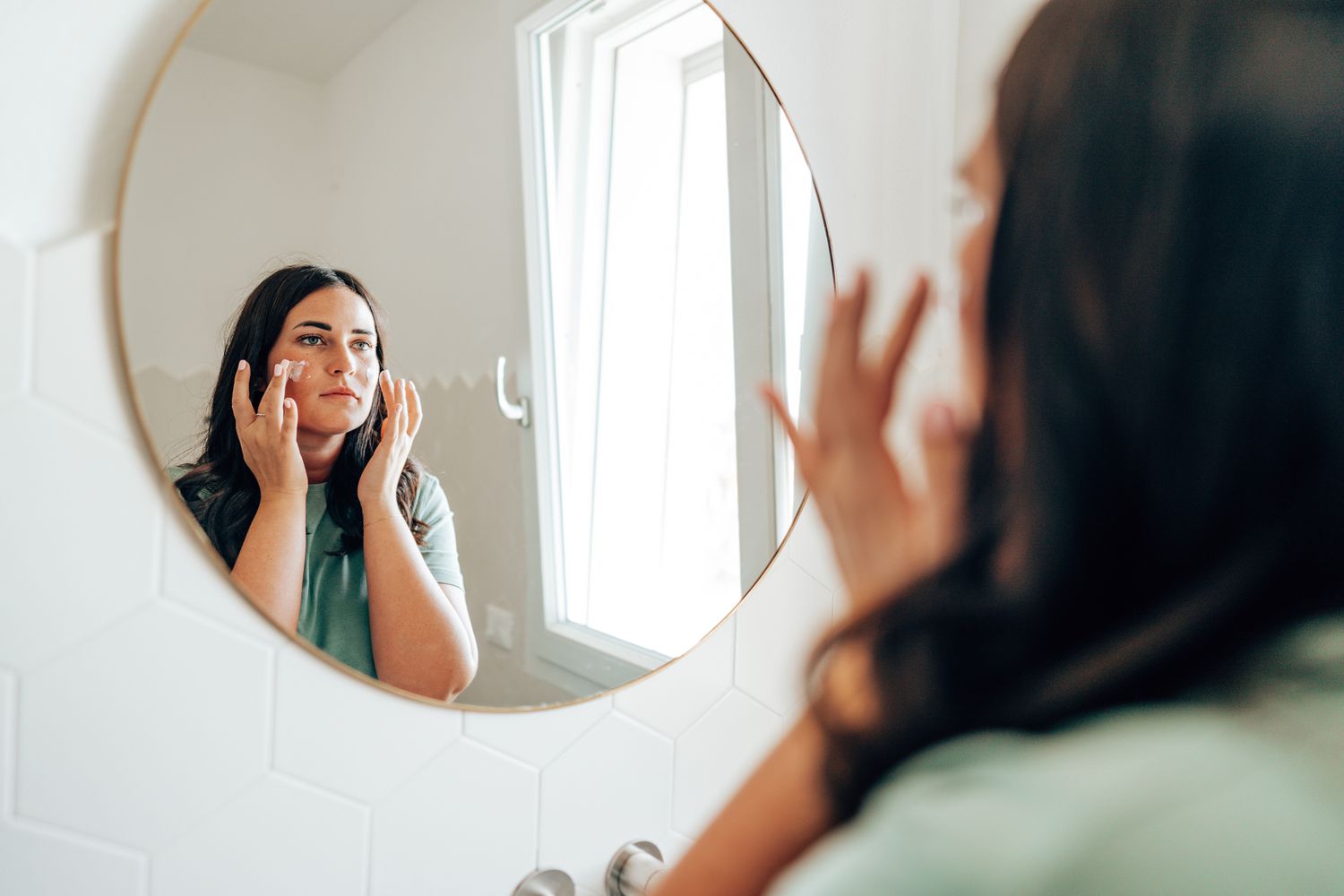
Establishing new breast cancer self-care routines can serve as an emotional anchor during the turbulent months of treatment. When your body is undergoing radiation or chemotherapy, the skin often becomes a focal point of discomfort. A soothing skincare routine for radiation side effects is not just about vanity; it is about oncology aesthetics and maintaining the integrity of your body's largest organ. Using fragrance-free, hypoallergenic balms and staying hydrated can mitigate the "sunburn" sensation that often accompanies radiation, providing a small but significant sense of control over your physical well-being.
Your wardrobe also plays a crucial role in how you perceive yourself during this transition. Navigating the world after surgery often means your old clothes no longer fit or feel the same. Seeking out wardrobe tips for post-mastectomy body changes can help you find styles that accommodate drains or asymmetry while still reflecting your personal taste. Soft, breathable fabrics like modal or bamboo are excellent for sensitive skin, and many brands now offer adaptive lingerie that balances function with beautiful design.
For those who choose not to undergo reconstruction surgery immediately, or at all, choosing the right post-mastectomy breast form is a deeply personal decision. Whether you opt for a traditional silicone prosthesis or a lightweight knitted form, the goal is to find what makes you feel balanced and confident. These practical adjustments, combined with the use of compression garments when necessary, allow you to navigate daily life with a sense of normalcy and poise.

The Identity Shift: Femininity and Resilience
There is a distinct difference between medical recovery and psychological reclamation. While a surgeon can repair tissue, the identity shift that occurs after a diagnosis requires a different kind of healing. Many women experience a shift in their sense of femininity, especially if they associate their breasts with their womanhood or maternal identity. It is common for self-esteem to fluctuate as you navigate the clinical version of yourself—the patient—and try to find the person you were before the "pink ribbon" became part of your story.
Psychological adaptation involves acknowledging the grief of what has been lost while building emotional resilience for the future. We often talk about "body positivity," but for many, "body neutrality" is a more accessible goal. This means accepting your body as the vessel that has carried you through a monumental challenge. It is okay to look at your scars and feel a mix of emotions; acknowledging the emotional impact of those marks is a form of self-compassion.
To help distinguish between the different needs of recovery, consider the following strategies for balancing physical and mental well-being:
| Focus Area | Physical Comfort Strategy | Mental Resilience Strategy |
|---|---|---|
| Surgical Healing | Implementing scar massage techniques after breast surgery | Practicing self-compassion for the time healing takes |
| Skin Health | Following a soothing skincare routine for radiation side effects | Using oncology aesthetics to feel pampered and cared for |
| Mobility | Performing exercises to improve range of motion after mastectomy | Celebrating functional wins, like reaching a high shelf |
| Daily Image | Learning wardrobe tips for post-mastectomy body changes | Finding community in survivor groups to validate your identity shift |
Intimacy and Partnership: Connecting Post-Surgery
Managing physical intimacy after breast cancer surgery is one of the most sensitive aspects of the recovery journey. Surgery, hormonal changes from chemotherapy, and the emotional weight of the diagnosis can all impact your sexual self-esteem. It is important to remember that intimacy is not just about the physical act; it is about the connection, trust, and vulnerability you share with a partner.
Open communication is the most vital tool in this area. Your partner may be afraid of hurting you or may not know how to approach the changes in your body. By sharing your feelings and being honest about your comfort levels, you can navigate this transition together. Some women find that using a breast form or keeping a soft camisole on during intimate moments helps them feel more secure as they rebuild their body confidence. Reclaiming this part of your life is a gradual process that requires patience from both you and your partner, but it is a powerful step in re-establishing your sense of self beyond the diagnosis.
Building Your Survivorship Care Plan
As you move from active treatment into long-term wellness, having a Survivorship Care Plan (SCP) becomes your roadmap. This plan acts as a bridge between your oncology team and your primary care physician, ensuring that your long-term health is monitored with a holistic view. A well-constructed SCP includes your treatment history, a schedule for follow-up exams, and resources for managing potential long-term side effects like lymphedema or bone density changes.
Tapping into resource networks is also a key component of emotional resilience. Organizations like The Pink Fund or local survivor communities offer both financial and emotional support, reminding you that you are part of a community of more than four million women. Building this support system allows you to focus on your recovery journey with the knowledge that you have a team behind you. Your health is not just the absence of disease; it is the presence of wellness, joy, and a body that you have learned to love in its new, resilient form.
FAQ
How does breast cancer treatment affect body image?
Breast cancer treatment can significantly alter your relationship with your body through physical changes like surgical scarring, hair loss from chemotherapy, and weight fluctuations. Beyond the visible changes, the clinical nature of treatment can lead to an identity shift where you feel more like a patient than yourself, impacting your overall self-esteem and sense of femininity.
What are common body image issues after a mastectomy?
Common issues include feeling a sense of loss or grief over the change in breast shape or symmetry, discomfort with surgical scars, and a feeling of being "unbalanced." Many women also struggle with the numbness that can follow reconstruction surgery or the sensation of the chest area feeling foreign, which can lead to a temporary disconnect from their physical self.
How can I regain body confidence after breast cancer surgery?
Regaining confidence is a gradual process that often starts with self-compassion and small, manageable steps. Focus on what your body can do, such as completing exercises to improve range of motion after mastectomy, and explore practical solutions like wardrobe tips for post-mastectomy body changes or professional oncology aesthetics. Connecting with survivor communities can also help normalize your experience and reduce feelings of isolation.
Does breast reconstruction surgery improve body image?
For many women, reconstruction surgery helps restore a sense of physical wholeness and improves clothing fit, which can positively impact breast cancer body image. However, it is a personal choice and not the right path for everyone. Some women find confidence in "going flat" or using prosthetics; the key is choosing the option that aligns with your personal comfort and health goals.
How do chemotherapy side effects impact self-esteem?
Side effects such as hair loss, skin changes, and fatigue can make you feel unrecognizable to yourself, which often lowers self-esteem. Managing these changes through practical self-care—like experimenting with head scarves or using a soothing skincare routine for radiation side effects—can help you feel more in control of your appearance during a time of significant change.
How can partners support body image struggles during cancer treatment?
Partners can offer support by providing consistent verbal reassurance and showing affection that isn't solely focused on the physical. Active listening and attending medical appointments together can help the partner understand the physical discomfort the survivor is facing. Most importantly, maintaining open lines of communication about managing physical intimacy after breast cancer surgery helps both individuals feel secure and connected.