
Quick Facts
- Primary Shift: In early pregnancy, the cervix typically rises high in the vaginal canal and remains tightly closed.
- Texture Transition: The cervix changes from a firm texture, similar to the tip of your nose, to a much softer feel resembling your lips.
- Medical Indicators: Clinical signs like Goodell’s sign and Chadwick’s sign usually appear between 4 and 8 weeks.
- Protective Barrier: Glandular hypertrophy leads to mucus plug formation, sealing the uterine neck from bacteria.
- Discharge Changes: An increase in milky white discharge, known as leukorrhea, is common due to high estrogen and progesterone levels.
- Length Measurement: During the first trimester, the median cervical length is approximately 33 millimeters.
- Diagnostic Accuracy: While manual checks provide clues, a clinical blood test or ultrasound is the only definitive way to confirm pregnancy.
After conception, your body begins a series of subtle but profound changes. One of the earliest transformations occurs in the cervix. Understanding cervix early pregnancy shifts—from its height to its texture—can provide insights into your first trimester. This guide explores the science behind these changes, including Goodell's sign and mucus plug formation. During early pregnancy, the cervix typically shifts to a high position within the vagina and remains closed to protect the developing embryo. While it usually feels firm like the tip of a nose during the non-fertile stages of the menstrual cycle, increased blood flow and progesterone elevation cause it to become significantly softer after conception, a transformation often referred to as Goodell's sign.
Anatomy of Transformation: Position and Texture
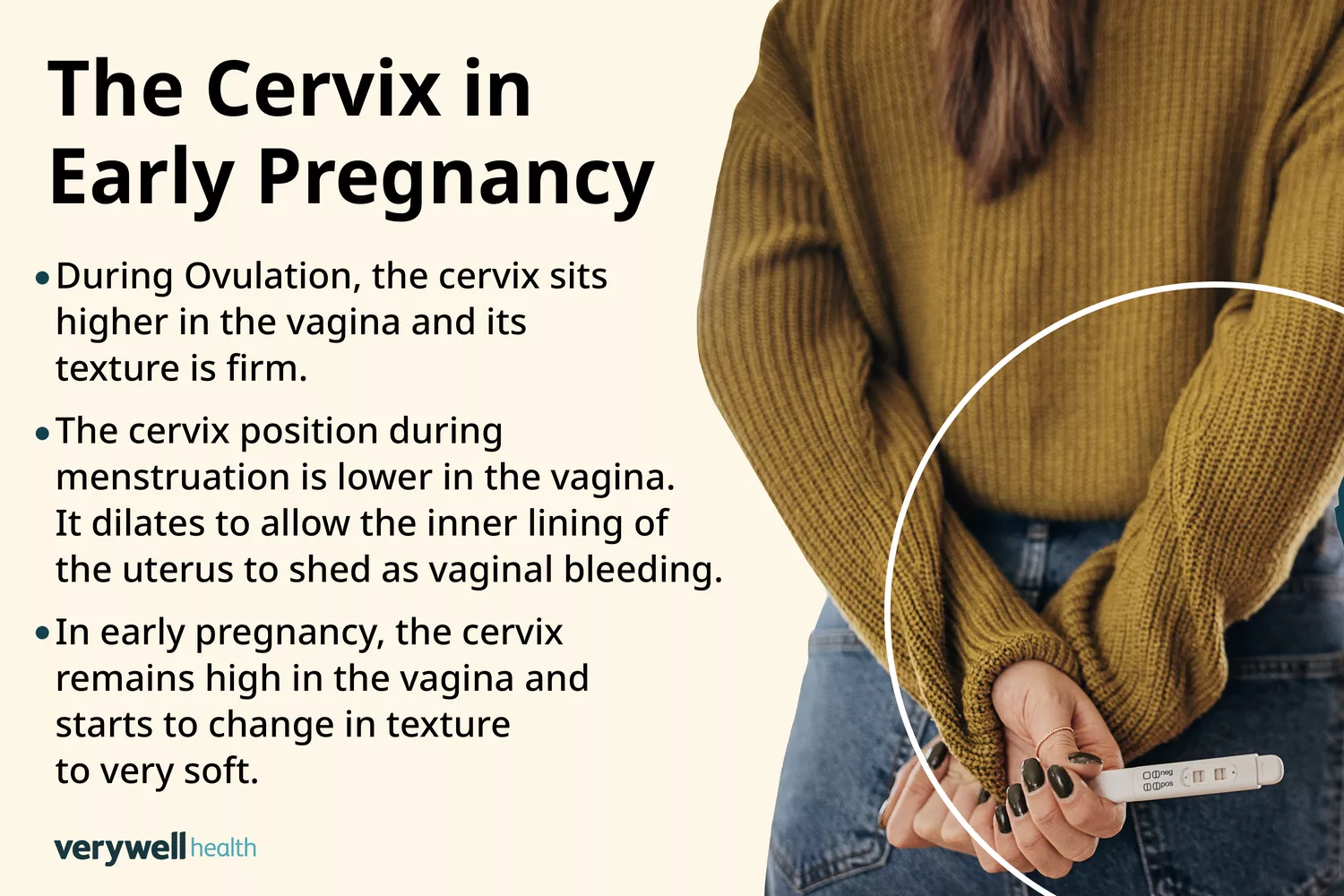
The cervix is the gateway to your uterus, and its behavior is dictated largely by your hormonal environment. For those who track their cycles, you may already be familiar with the cervical position changes after conception. In a typical menstrual cycle, the cervix is low, firm, and slightly open during menstruation to allow blood to exit. As you approach ovulation, it rises and softens to allow sperm to enter.
When pregnancy occurs, the cervix performs a unique pivot. Instead of dropping back down and opening for a period, it stays high. This elevated position helps protect the growing embryo by keeping it tucked away from the vaginal opening. You might find that the cervix becomes difficult to reach during digital palpation because it has tucked itself so far up.
The texture change is perhaps the most famous early pregnancy cervical changes timeline marker. Specialists often use the nose vs. lips analogy. Before pregnancy, the cervix has a cartilaginous firmness. After conception, the tissue undergoes collagen remodeling. The influx of blood makes the tissue feel spongy, soft, and velvety. This is why a firm vs soft cervix early pregnancy comparison is such a common topic of discussion. If you are wondering is a closed cervix a sign of early pregnancy, the answer is generally yes, as the body seeks to seal the uterine neck to create a sterile environment for development.
| Feature | Before Period (Non-Pregnant) | Early Pregnancy |
|---|---|---|
| Height | Low and reachable | High and often hard to reach |
| Texture | Firm like the tip of a nose | Soft like pursed lips |
| Opening (Os) | Slightly open or firm | Tightly closed |
| Color | Pink | Bluish or purplish (Chadwick's sign) |
The Protective Barrier: Mucus Plug and Discharge
As your hormones shift, specifically with a significant progesterone elevation, the glands within the cervix go into overdrive. This process, known as glandular hypertrophy, is the biological starting gun for mucus plug formation first trimester.
The mucus plug, or operculum, is not just a glob of fluid; it is a sophisticated immunological barrier. It contains antimicrobial properties that protect the uterine cavity from ascending infections. While you won't necessarily feel the mucus plug formation symptoms first trimester, you will likely notice a change in your daily discharge.
In a typical cycle, cervical mucus dries up after ovulation. However, in early pregnancy, the discharge often increases in volume. This thin, milky, and mild-smelling fluid is called leukorrhea. When comparing cervical mucus vs mucus plug first trimester, remember that leukorrhea is the fluid you see on your underwear, while the mucus plug remains firmly lodged within the cervical os (the opening of the cervix). This increased moisture is a direct result of increased blood flow to the pelvic region and the body's effort to keep the vaginal flora balanced.
Clinical Indicators: Goodell’s, Chadwick’s, and Hegar’s Signs
In a clinical setting, healthcare providers look for three specific "probable" signs of pregnancy during a pelvic exam. These signs are rooted in the vascular and structural changes of the reproductive tract.
First is Goodell's sign. This involves the softening of the cervix due to increased vascularity and typically becomes clinically detectable between the 4th and 8th weeks of pregnancy. It is one of the earliest physical markers a doctor can feel.
Next is Chadwick's sign. This is characterized by a bluish or purplish discoloration of the cervix and vaginal mucosa. This color change, caused by venous congestion, generally appears between 6 and 8 weeks after conception. It is a striking visual indicator of the massive increase in blood volume your body is managing.
Lastly, providers check for Hegar's sign, which is the softening of the uterine isthmus (the area where the cervix meets the uterus). This allows the uterus to become more flexible as it prepares to expand. During these early exams, doctors also keep an eye on cervical length. Research indicates that the median cervical length in the first trimester, specifically between weeks 11 and 14 of gestation, is approximately 33 millimeters. A healthy length is crucial for maintaining the pregnancy until full term.
How to Check Your Cervix Safely at Home
If you are trying to track your own body's changes, you may want to know how to check cervix for pregnancy safely. It is important to approach this with care and the understanding that your findings are not a substitute for a medical test.
- Hygiene First: Always wash your hands thoroughly with mild soap. Trim your fingernails to avoid any micro-tears or irritation to the delicate vaginal tissues.
- Find a Comfortable Position: Many women find that squatting or placing one leg on the edge of the bathtub is the easiest way to access the cervix.
- Gentle Palpation: Use your middle finger to reach back and upward. You are looking for the "nub" at the end of the vaginal canal.
- Note the Height: If you can barely touch it, or cannot reach it at all, it is likely in a high position.
- Feel the Texture: Does it feel like a firm knuckle or a soft earlobe?
- Check the Os: Does the center feel like a dimple (closed) or more like a small opening (open)?
Safety Warning: Avoid checking your cervix if you have an active vaginal infection or if your doctor has advised against it. Be aware that spotting after checking cervix early pregnancy can occur because the cervix is very vascular and sensitive. If you see a tiny bit of light pink spotting after a check, it is usually just surface irritation, but you should stop home checks if this happens frequently.
When to Contact a Healthcare Provider
While changes in the cervix early pregnancy are normal, some symptoms require professional attention. The cervix is the first line of defense for your baby, so monitoring its health is vital.
You should contact your doctor if you experience:
- Foul-smelling discharge that is yellow, green, or grey in color.
- Heavy bright red bleeding that exceeds light spotting.
- Severe pelvic pain or cramping that feels significantly different from mild stretching.
- A sudden "gush" of fluid.
Only a professional pelvic exam, blood work, or a first-trimester ultrasound can confirm the health and viability of a pregnancy. While checking your own cervix can be an empowering way to connect with your body, use it as one piece of a much larger puzzle.
FAQ
How does the cervix feel in early pregnancy?
The cervix usually feels very soft and velvety, often compared to the texture of your lips. It also tends to feel "plump" due to the increased blood flow and the rise in progesterone elevation.
Is the cervix high or low in early pregnancy?
In early pregnancy, the cervix typically moves to a high position, deep within the vaginal canal. This makes it more difficult to reach during a self-check compared to the lower position it occupies just before a period begins.
Is a soft cervix an early sign of pregnancy?
Yes, a soft cervix is known as Goodell's sign and is considered a probable sign of pregnancy. However, the cervix also softens during ovulation, so it is important to look for this sign in combination with a missed period and a positive pregnancy test.
Can you tell if you are pregnant by checking your cervix?
While you can notice changes that suggest pregnancy, such as a high cervix before period vs early pregnancy comparison, you cannot definitively confirm pregnancy this way. Hormonal fluctuations can cause cervical changes that mimic pregnancy even if conception hasn't occurred.
Does the cervix feel different before a period vs early pregnancy?
Yes, there is usually a distinct difference. Before a period, the cervix typically drops lower, feels firm like the tip of your nose, and the cervical os may open slightly. In early pregnancy, it remains high, stays tightly closed, and feels significantly softer.
Is it safe to check your cervix in early pregnancy?
Generally, it is safe if you practice excellent hygiene and are gentle. However, because the cervix is very sensitive during this time, some women experience light spotting after checking cervix early pregnancy. Most healthcare providers suggest avoiding frequent self-checks to minimize the risk of introducing bacteria or causing irritation.