Quick Facts
- Efficacy: Hormonal IUDs are more than 99% effective at preventing pregnancy.
- Period Relief: Users can see up to a 97% reduction in menstrual blood loss.
- Duration: Depending on the brand, these devices are effective for 3 to 8 years.
- Fertility: There is an immediate return to your natural baseline fertility after removal.
- Adjustment: Most common side effects resolve within a 3-6 month transition period.
- Comparison: Continuation rates for hormonal IUD users are significantly higher than for those on oral pills.
Choosing the right birth control is a major decision for your reproductive health. A Hormonal IUD offers a highly effective, long-acting solution for both pregnancy prevention and symptom management. Whether you are looking for IUD for heavy period relief or comparing hormonal IUD types to find the best fit for your body, this guide covers everything from insertion to long-term side effects. Hormonal IUDs are over 99% effective long-acting reversible contraceptives that use levonorgestrel to thin the uterine lining and thicken cervical mucus.
Understanding the Hormonal IUD: How It Works
As someone who focuses on women's hormonal balance, I often see patients who feel overwhelmed by the daily requirements of the pill or the fluctuations of their natural cycle. The Hormonal IUD represents a shift toward Long-acting reversible contraception (LARC), a category of birth control that you can essentially "set and forget."
The primary active ingredient in these devices is Levonorgestrel, a synthetic form of the hormone progesterone. Unlike oral contraceptives that circulate through your entire bloodstream, the Hormonal IUD releases this hormone directly into the uterus. This localized approach allows for a much lower systemic dose while remaining incredibly effective.
The mechanism of action is two-fold. First, it causes cervical mucus thickening, which creates a natural barrier that prevents sperm from reaching the egg. Second, it promotes endometrial thinning. By keeping the lining of the uterus thin, the device makes it much less likely for an egg to implant. This thinning of the lining is also exactly why so many women find relief from heavy cycles when using this method.
Comparing Hormonal IUD Types: Mirena, Kyleena, and Liletta
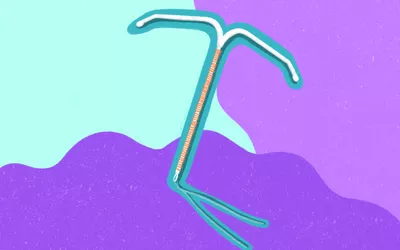
Not all devices are created equal, and the right choice often depends on your specific anatomy and your goals for your menstrual cycle. When comparing hormonal IUD types, we look at the physical size of the device, the amount of Levonorgestrel it contains, and how many years it is FDA-approved to remain in place.
For those who have never given birth (nulliparous patients), a slightly smaller frame may be more comfortable for uterine placement. On the other hand, if your primary goal is stopping a very heavy period, a higher-dose device might be the better recommendation.
| Brand | Progestin Content | Size (Width x Length) | Duration of Use |
|---|---|---|---|
| Mirena | 52 mg | 32 mm x 32 mm | Up to 8 years |
| Liletta | 52 mg | 32 mm x 32 mm | Up to 8 years |
| Kyleena | 19.5 mg | 28 mm x 30 mm | Up to 5 years |
| Skyla | 13.5 mg | 28 mm x 30 mm | Up to 3 years |
Mirena and Liletta are often considered the "heavy hitters" for symptom management. Because they contain 52mg of progestin, they are the most likely to result in very light periods or none at all. Kyleena and Skyla are smaller, which can reduce the expulsion risk in a smaller uterus, but they have a slightly lower chance of stopping the period entirely because of the lower hormone dosage.
Major Benefits: Beyond Pregnancy Prevention
While preventing pregnancy is the most common reason to choose a Hormonal IUD, the non-contraceptive benefits are profound. For many of the women I work with, the "period-positive" aspects are the real selling point.
If you struggle with debilitating cramps (Dysmenorrhea) or bleeding that interferes with your daily life, using an IUD for heavy period relief can be life-changing. Statistics show that Mirena specifically leads to a 12-month pregnancy rate of 0.2% or less, making it more than 99% effective at its primary job.
However, the "lifestyle" efficacy is just as impressive. Research from the Contraceptive CHOICE Project found that hormonal IUD users have an 88% continuation rate at one year. Compare that to oral contraceptive pill users, who have a continuation rate of only 55%. This suggests that once the device is in, most women are very satisfied with the experience.
Other major benefits include:
- Potential for Amenorrhea: About 20% of Mirena users stop having periods entirely after one year, and that number increases with longer use.
- Reduced Risk of Anemia: By significantly lowering blood loss, the Hormonal IUD helps women maintain better iron levels and energy.
- Treatment for Endometriosis: The progestin helps manage the growth of the uterine lining, which can provide relief for those with endometriosis or adenomyosis.

Side Effects: What to Expect in the First Month and Beyond
It is important to be realistic about the adjustment period. Your body needs time to recalibrate its hormonal environment to the presence of the device. When discussing hormonal IUD pros and cons, I always emphasize that the first three to six months are a transition phase.
Common side effects of hormonal IUDs in the first month include breakthrough spotting and mild, intermittent cramping. This is not your "period" in the traditional sense, but rather your uterine lining responding to the Levonorgestrel. For some, this spotting can be frustrating, but it almost always tapers off as the lining thins out.
A common concern I hear is the hormonal IUD vs copper IUD for weight gain concerns. It is a myth that the Hormonal IUD causes significant weight gain for the majority of users. Because the hormone levels are so localized to the uterus, systemic side effects like those seen with the pill are much less common. In clinical trials, weight changes were generally consistent with normal age-related fluctuations. If you are highly sensitive to hormones, you might discuss a lower-dose option like Kyleena with your doctor.
Other potential side effects during the adjustment window:
- Mood changes or breast tenderness (usually temporary).
- Skin changes, such as mild acne, as the body adjusts to the progestin.
- Ovarian cysts, which are usually small and resolve on their own without treatment.
The Insertion Procedure and Life After IUD
I understand that the thought of the insertion can be anxiety-inducing. Transparency helps. What to expect during a hormonal IUD insertion procedure is a quick clinical process that usually takes less than 15 minutes.
Your provider will perform a pelvic exam, measure the depth of your uterus, and then use a slender applicator to place the device through the cervix. You may feel a sharp pinch or strong cramping during the measurement and placement steps. Many clinics now offer numbing agents or suggest taking an over-the-counter pain reliever an hour before the appointment to manage discomfort.
Once the device is in place, you will be taught how to perform a string check. This ensures the device hasn't moved. While the risk of Ectopic pregnancy or Pelvic Inflammatory Disease is very low with modern IUDs, knowing how to check your strings provides peace of mind.
One of the most beautiful things about this method is how long does fertility return after hormonal IUD removal. Unlike the birth control shot, which can stay in your system for months, the effects of the Hormonal IUD wear off almost immediately. As soon as the device is removed by a professional, your uterine lining begins to thicken again, and your natural cycle resumes. You can attempt to conceive as soon as your next ovulation cycle begins.
FAQ
How long does a hormonal IUD last?
The duration depends on the specific brand you choose. Mirena and Liletta are currently approved for up to 8 years of pregnancy prevention. Kyleena lasts for 5 years, while Skyla is designed for 3 years. You can always choose to have the device removed earlier if you decide you want to become pregnant or try a different method.
What are the side effects of a hormonal IUD?
The most frequent side effects include irregular spotting or breakthrough bleeding, especially in the first 3 to 6 months. Some users also report temporary breast tenderness, mood shifts, or mild cramping. Most of these symptoms subside once the body finishes its adjustment period.
Does a hormonal IUD cause weight gain?
Clinical data does not show a strong link between the Hormonal IUD and significant weight gain. While some individuals may experience small fluctuations due to water retention or hormonal changes, the systemic dose of progestin is very low. It is often compared to the copper IUD, which is hormone-free, for those who are particularly concerned about hormonal sensitivity.
How painful is hormonal IUD insertion?
The experience varies for everyone. Most women describe it as a few moments of intense cramping, similar to a very strong period cramp. The actual placement of the device takes only a few seconds. Using localized numbing or taking ibuprofen beforehand can significantly help manage the discomfort.
Will a hormonal IUD stop my period?
There is a high likelihood that your period will become significantly lighter. For many users, especially those using Mirena or Liletta, the period may stop entirely (amenorrhea) after the first year of use. This is a safe and common outcome of the endometrial thinning caused by the device.