Quick Facts
- Top Benefit: Provides up to 72 hours of humidity resistance and active frizz suppression.
- The Science: Acts as a molecular humectant, holding 1,000x its weight in water like a microscopic sponge.
- User Satisfaction: Clinical trials show 91% of users report a visible reduction in frizz after just one application.
- The Golden Rule: Must be applied to damp hair immediately after washing to prevent reverse dehydration.
- Texture: Delivers weightless, non-greasy hydration that is perfectly suitable for fine or thinning hair.
- Scalp Health: Supports the scalp microbiome by alleviating dryness without causing heavy product buildup.
Hyaluronic acid hair care is transforming how we treat dry, frizzy strands. As a powerful humectant, it offers lightweight hydration without the grease of traditional oils. Whether you are dealing with humidity-induced flyaways or brittle strands, understanding the benefits of hyaluronic acid for hair is the first step to achieving a smooth, high-shine finish.
The Molecular Secret: How HA Acts as a Microscopic Sponge
At its core, the science of moisture retention and cuticle sealing revolves around how a molecule interacts with the environment. Hyaluronic acid is not an oil; it is a sugar molecule naturally found in our skin that acts as a humectant. When we talk about hyaluronic acid hair treatments, we are looking at a substance that draws water from the surrounding air or from the water already on your hair and binds it to the hair shaft. This water-binding molecules effect is what creates that plump, healthy appearance in hair fibers.
The magic happens when the molecule fills the gaps in a damaged or raised hair cuticle. For those with high hair porosity, the cuticle often sits open, allowing moisture to escape and environmental humidity to enter, which causes the hair to swell and frizz. By providing a boost in strand elasticity and effectively sealing the cuticle, hyaluronic acid creates a smoother surface that reflects light and resists the typical "poof" associated with humid weather.
The data supports these molecular claims. Clinical evaluations of specialized hyaluronic acid technologies have demonstrated a 45% increase in hair moisturization after a single treatment. Furthermore, research indicates that an optimized 3% hyaluronic acid blend can decrease spontaneous hair frizzing by 11% and improve hair fiber elasticity by 4% compared to damaged hair. This is why the market analysis projects the segment will grow at a compound annual growth rate of 6.14% through 2031, as consumers move away from heavy silicones toward high-performance humectant properties.
Hyaluronic Acid vs Hair Oil for Fine Frizzy Hair
For years, the go-to solution for frizzy hair was to coat it in heavy oils or silicones. While these are effective for thick, coarse hair, they often leave fine hair looking limp and greasy. This is where hyaluronic acid vs hair oil for fine frizzy hair becomes a vital distinction. Unlike oils, which act as occlusives to trap whatever is already inside the hair, hyaluronic acid provides hydration.
| Feature | Hyaluronic Acid | Traditional Hair Oils |
|---|---|---|
| Function | Humectant (Attracts water) | Occlusive (Seals surface) |
| Weight | Weightless / Volumizing | Heavy / Potentially Flat |
| Best For | Fine, thin, or brittle strands | Coarse, extremely thick hair |
| Residue | None; absorbs completely | Can leave a greasy film |
| Benefit | Internal moisture retention | External shine and slip |
If you struggle with hyaluronic acid for dry frizzy hair, you likely need moisture rather than just lubrication. Brittle strands and flyaways are often a cry for water, not just fat. By using a water-based serum, you are providing the lightweight hydration necessary to keep the hair bouncy and resilient. The skinification of hair care emphasizes that hair should be treated with the same sophistication as our face, where we layer hydration before sealing it in.
The Protocol: How to Apply Hyaluronic Acid to Hair for Frizz Control
The most common mistake people make is applying this ingredient incorrectly. Because it is a humectant, it needs water to work. If you apply it to bone-dry hair in a dry environment, the molecule may actually pull moisture out of your hair shaft to satisfy its thirst, leading to more dryness.
To avoid this, follow the damp hair protocol. This ensures that the molecule has plenty of external water to grab onto and push into your hair fiber. Here is how to use hyaluronic acid for hair for maximum efficacy:
- Wash and Condition: Start with your usual routine. Ensure your hair is clean and free of heavy buildup.
- Towel Dry Gently: Squeeze out excess water so your hair is damp, but not dripping wet. This is the optimal window for application.
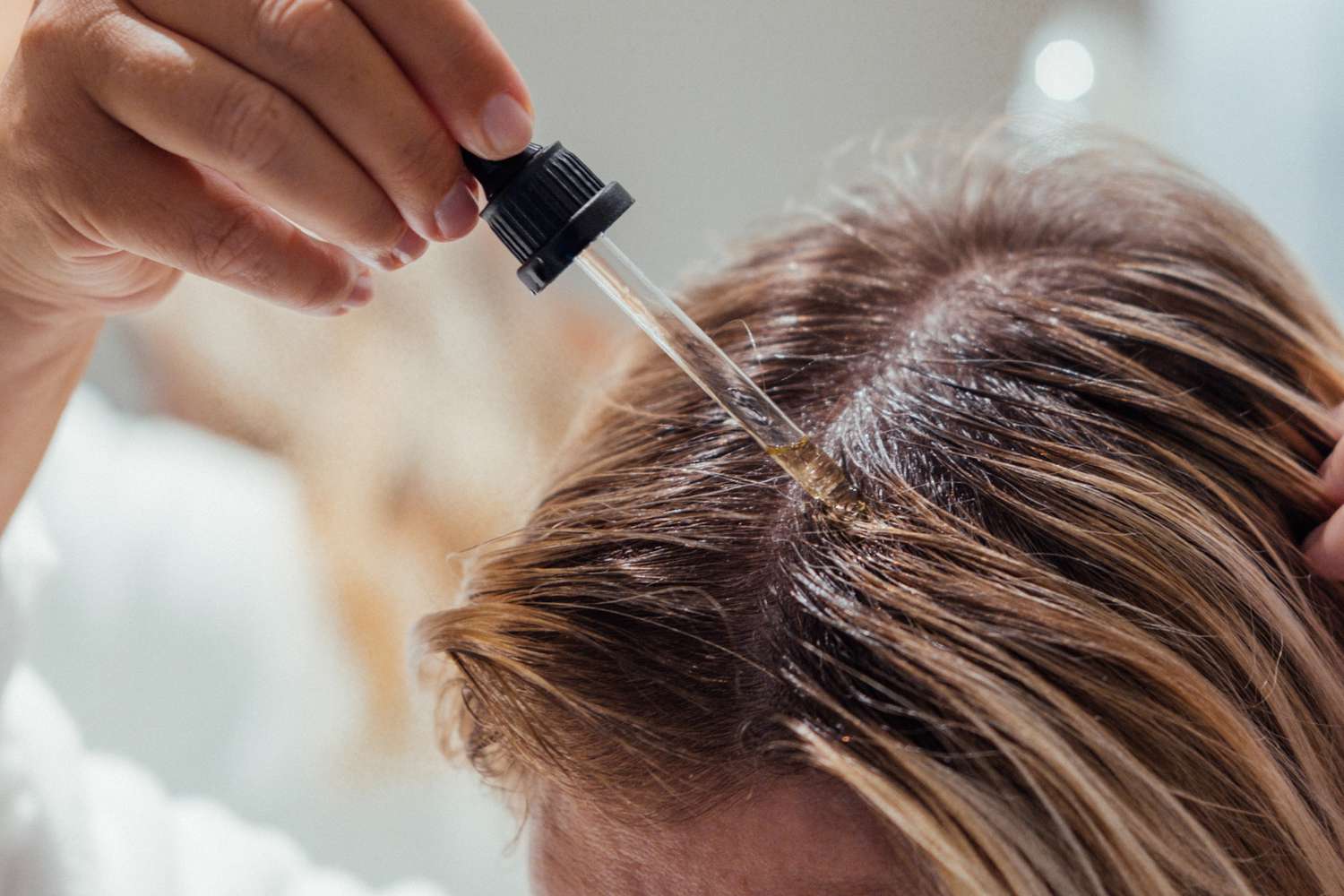
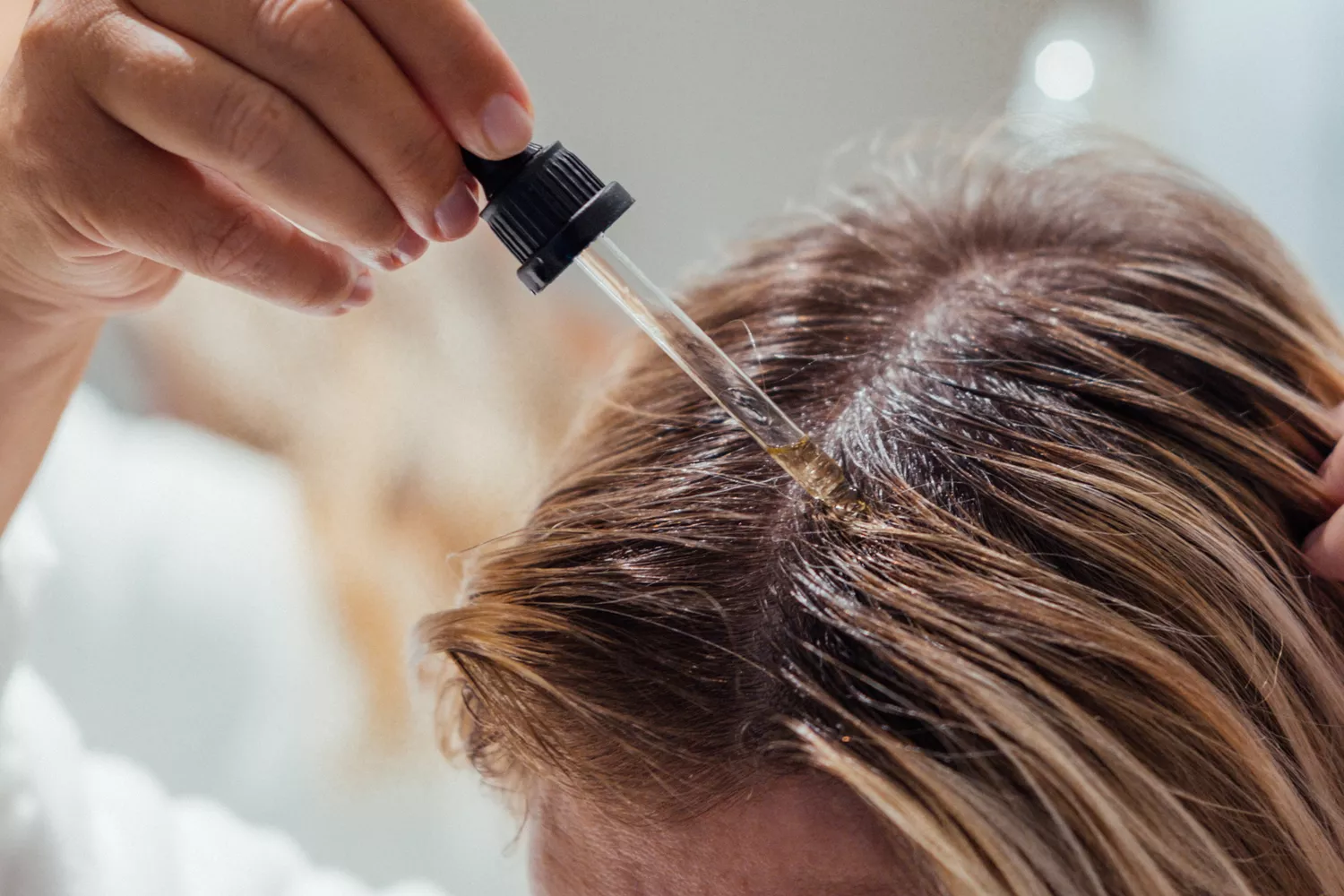
- Apply the Serum: Take a few drops of your serum. If you are using hyaluronic acid face serum on hair and scalp, make sure it is fragrance-free and doesn't contain drying alcohols.
- Distribute Evenly: Start at the ends, where the hair is oldest and most porous, and work your way up to the mid-lengths. You can also apply a small amount directly to the scalp to support the scalp microbiome and reduce seasonal flaking.
- Detangling: Use a wide-tooth comb to ensure every strand is coated. This helps in detangling and minimizes breakage.
- Seal It In: This is crucial. Always follow up with a leave-in conditioner or a tiny bit of hair oil to lock that moisture in.
This method provides an immediate barrier for hyaluronic acid for humidity protection and frizz control. By the time your hair is dry, the cuticles are smoothed down and the inner cortex is saturated with moisture, making it much harder for external humidity to disrupt your style.
Advanced Layering: Humidity Protection for Curly and Porous Hair
For those with curly or coily textures, managing frizz is often a daily battle. Curly hair is naturally more prone to dryness because the natural oils from the scalp have a harder time traveling down the coiled hair shaft. This is where layering hyaluronic acid with leave-in conditioners for hydration becomes a game-changer.
When you look for the best hyaluronic acid hair products for curly hair 2026, you will notice a shift toward multi-molecular weight formulas. These products use smaller molecules to penetrate deep into the cortex and larger molecules to sit on the surface for shine enhancement. For high hair porosity types, this double-action approach is essential.
Porous hair absorbs water quickly but loses it just as fast. By layering a humectant under a cream-based leave-in formulation, you create a moisture reservoir. The HA holds the water, and the cream provides the occlusive barrier to prevent evaporation. This strategy is particularly effective for long-term frizz management during the humid summer months or in tropical climates where standard products usually fail within hours.
As we look toward 2026, the trend of skinification continues to push the boundaries of what we expect from our hair products. We are no longer satisfied with just "covering up" frizz; we want to solve the underlying dehydration. By focusing on the health of the strand from the inside out, we can achieve a level of manageability that was once only possible with expensive salon chemical treatments.
FAQ
What are the benefits of hyaluronic acid for hair?
The benefits of hyaluronic acid for hair include deep moisture retention, improved strand elasticity, and the ability to seal the hair cuticle. It acts as a lightweight hydrator that reduces frizz and flyaways without weighing the hair down. Additionally, it can soothe a dry scalp and help maintain a healthy scalp microbiome, which is essential for long-term hair health and growth.
How do you apply hyaluronic acid to your hair?
To get the best results, you should apply the serum to damp hair. Start by rubing a few drops between your palms and then distribute it through the mid-lengths and ends of your hair. Use a comb to ensure even coverage. For those interested in how to apply hyaluronic acid to hair for frizz control, always remember to seal the treatment with a cream or oil afterward to lock in the moisture.
Can I use hyaluronic acid serum on my scalp?
Yes, using hyaluronic acid face serum on hair and scalp is becoming a popular practice in the skinification of hair care. It can help alleviate scalp dryness, itching, and flakiness. Because it is non-comedogenic and lightweight, it provides hydration without leaving a greasy residue or clogging hair follicles, making it a great option for maintaining scalp health.
Should I apply hyaluronic acid to wet or dry hair?
You should always apply hyaluronic acid to damp or wet hair. Applying it to dry hair, especially in low-humidity environments, can lead to reverse hydration, where the molecule pulls moisture out of your hair shaft. By applying it to wet strands, you provide the humectant with a ready source of water to bind to the hair, ensuring your strands stay plump and hydrated.
Does hyaluronic acid help with frizzy hair?
Absolutely. Hyaluronic acid is one of the most effective ingredients for managing frizzy hair because it addresses the root cause: dehydration. By filling the porous gaps in the hair shaft and smoothing the cuticle, it prevents environmental humidity from entering the hair and causing it to swell. It provides a sleek, polished look and significant humidity resistance.