Quick Facts
- Primary Causes: Itchy balls are most often triggered by excessive sweat, skin-on-skin friction, or moisture-trapping fabrics.
- Medical Conditions: Fungal infections like Tinea cruris (jock itch) and inflammatory conditions like contact dermatitis are leading clinical causes.
- Fast Relief: Immediate comfort can be found by improving groin hygiene, switching to breathable cotton, and using talc-free powders.
- Treatment Options: Over-the-counter antifungal ointment or hydrocortisone cream are effective for most infections and rashes.
- Global Impact: Cutaneous fungal infections, including jock itch, are estimated to affect between 20 percent and 25 percent of the global population.
- When to Worry: Persistent redness, discharge, or sudden pain require a professional medical evaluation to rule out serious infections or torsion.
Itchy balls are frequently caused by sweat and moisture buildup, friction, or dry skin. Common medical conditions include fungal infections like jock itch (tinea cruris), intertrigo, or contact dermatitis from irritants in soaps and detergents. In some cases, persistent itching without a rash may be linked to nerve irritation or early-stage infections.
14 Common Causes of Itchy Balls: From Lifestyle to Infections
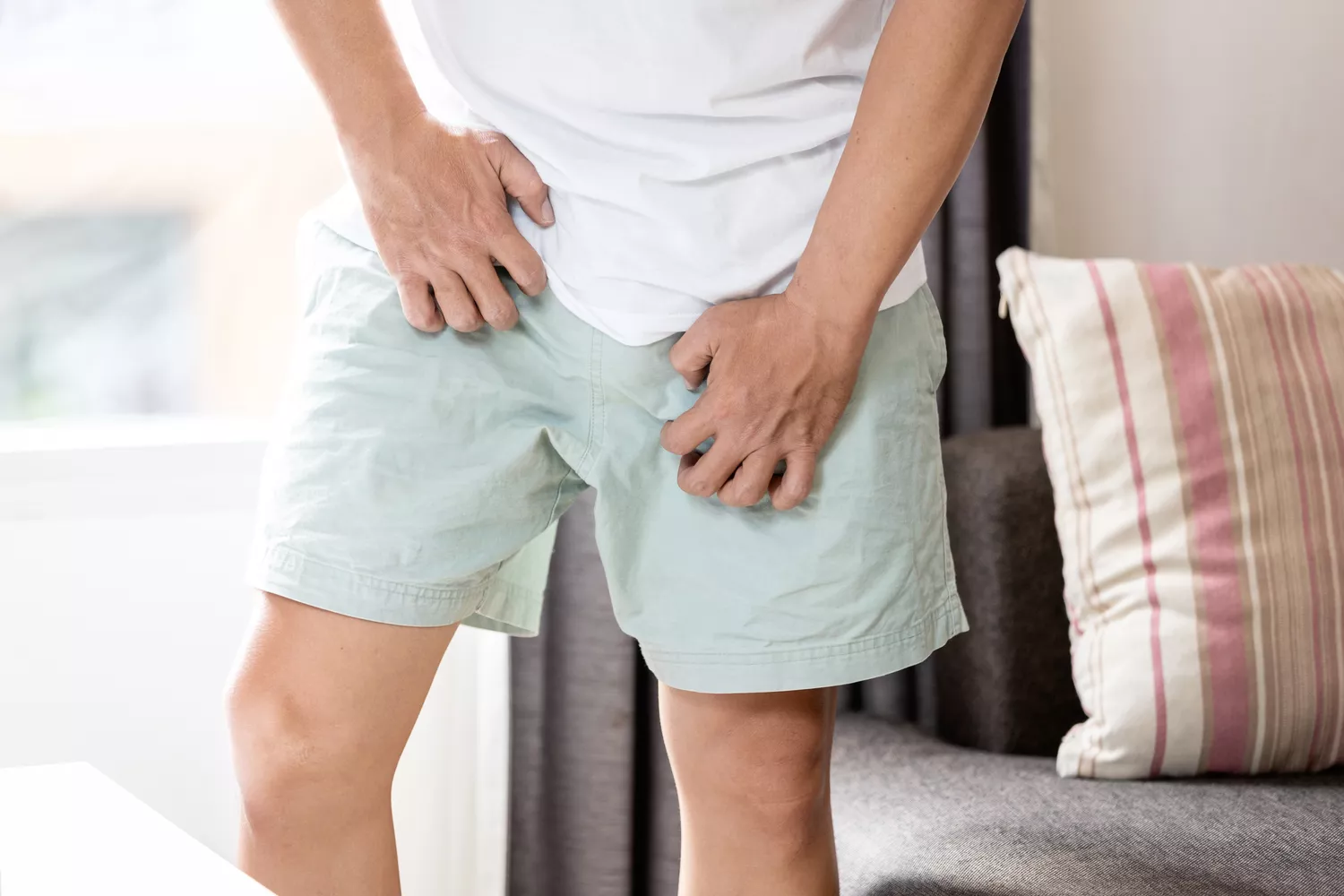
Dealing with an itchy scrotum is a frustrating experience that most men will encounter at some point. While it can be tempting to ignore the discomfort or hope it fades away, understanding the specific causes of itchy scrotum is the first step toward effective relief. The groin is a unique environment—dark, warm, and often damp—making it a prime target for everything from simple chafing to parasitic infestations.
1. Jock Itch (Tinea Cruris)
This is arguably the most common culprit behind itchy balls. Jock itch is a fungal infection caused by dermatophytes, the same type of fungus responsible for athlete's foot. It thrives in the warm, moist folds of the groin.
What to Do: Apply an over-the-counter antifungal ointment containing clotrimazole or terbinafine twice daily. Ensure you dry the area completely after showering before applying any cream.
2. Intertrigo
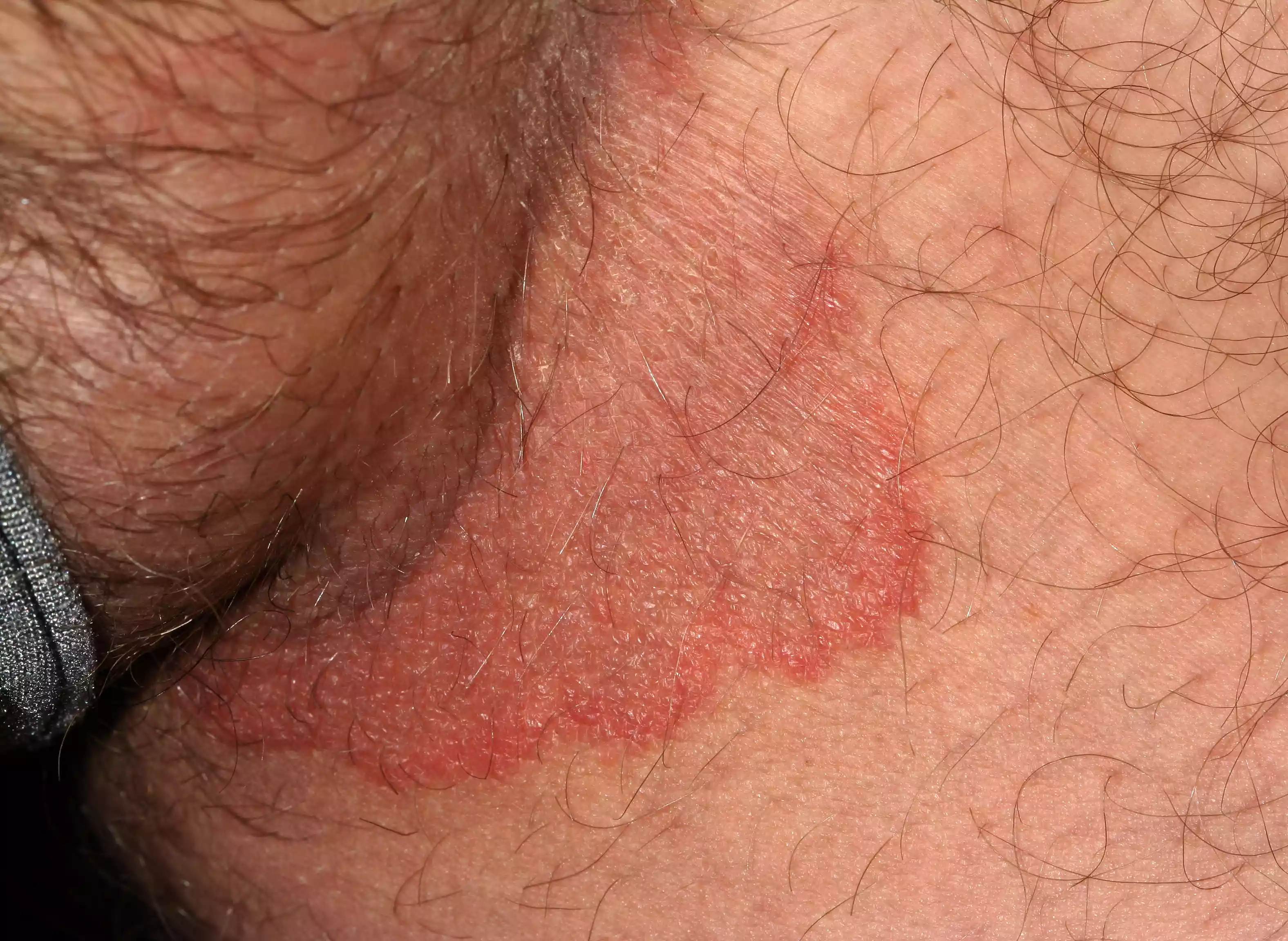
Intertrigo occurs when skin rubs against skin, causing friction and trapping moisture. This leads to inflammation and often a secondary infection. In clinical analyses, yeast infections—specifically Candida species—accounted for approximately 44 percent of positive fungal culture results in suspected cases of groin rashes.
What to Do: Focus on reducing friction. Use barrier creams or zinc oxide to protect the skin and wear moisture-wicking fabric to keep the area dry.
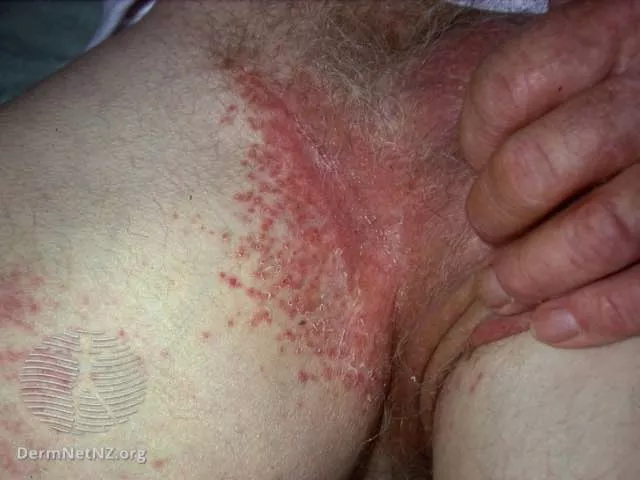
3. Contact Dermatitis
If you have recently switched laundry detergents or started using a new body wash, your itch might be an allergic reaction. Contact dermatitis happens when the skin reacts to chemical irritants. Common offenders include fragrances and harsh preservatives like Chloroxylenol.
What to Do: Switch to hypoallergenic, fragrance-free soaps and detergents. A mild hydrocortisone cream can help soothe the immediate inflammation.
4. Heat Rash
Known medically as miliaria, heat rash happens when sweat ducts become blocked. This is particularly common during humid summer months or after intense physical activity.
What to Do: Cool the area down immediately. Take a cool shower and avoid heavy, tight-fitting clothing until the bumps subside.
5. Pubic Lice (Crabs)
Pubic lice are tiny parasitic insects that attach to coarse pubic hair. They are usually spread through sexual contact. It is estimated that approximately 3 million people in the United States are infested with pubic lice each year.
What to Do: Use a specialized over-the-counter lice treatment wash. Wash all bedding and clothing in hot water to prevent re-infestation.
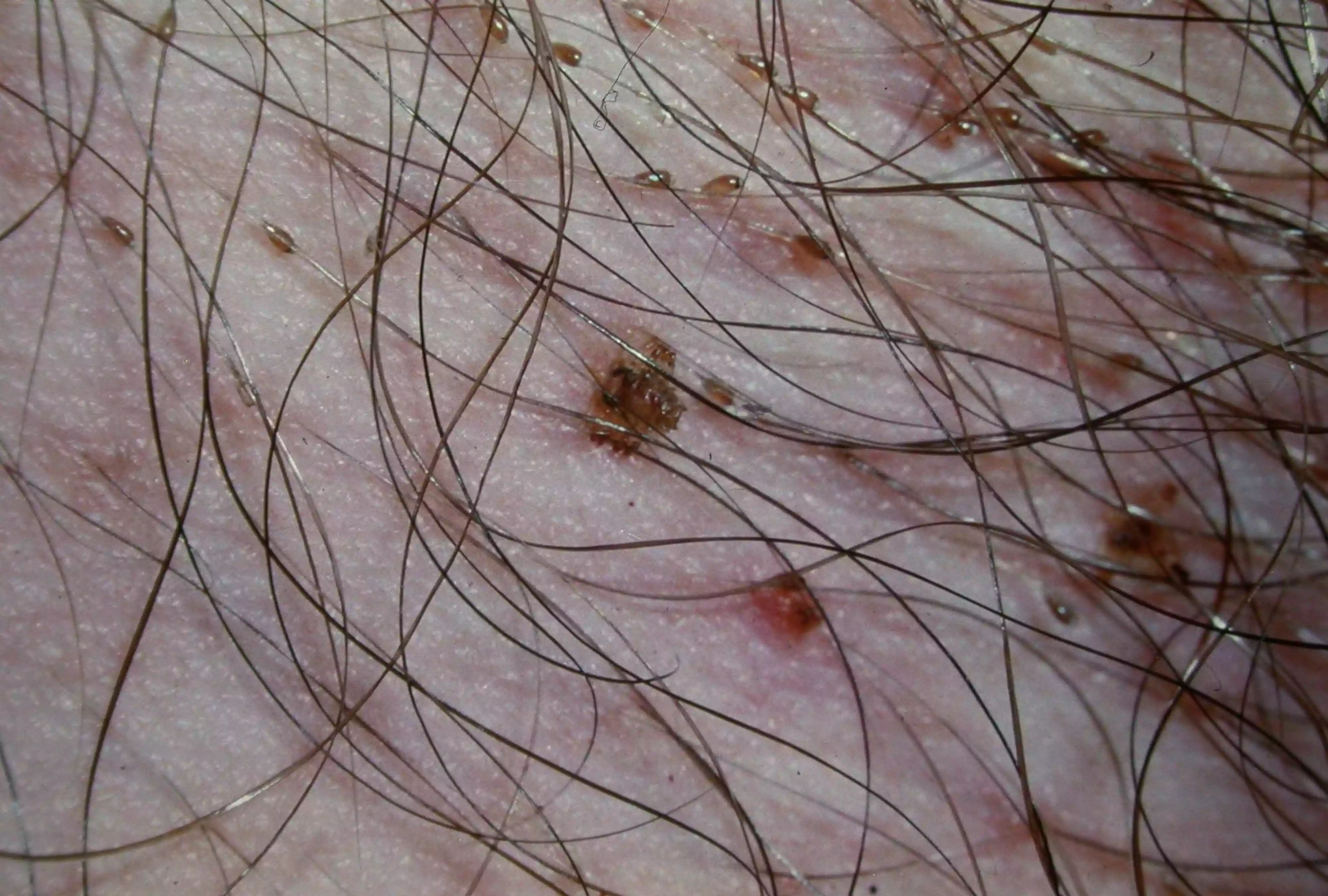
6. Scabies
Scabies is caused by microscopic mites that burrow under the skin to lay eggs. This results in an intense, relentless itch that often gets worse at night.
What to Do: Scabies requires a prescription strength cream (like permethrin) from a doctor. All household members may need treatment simultaneously.
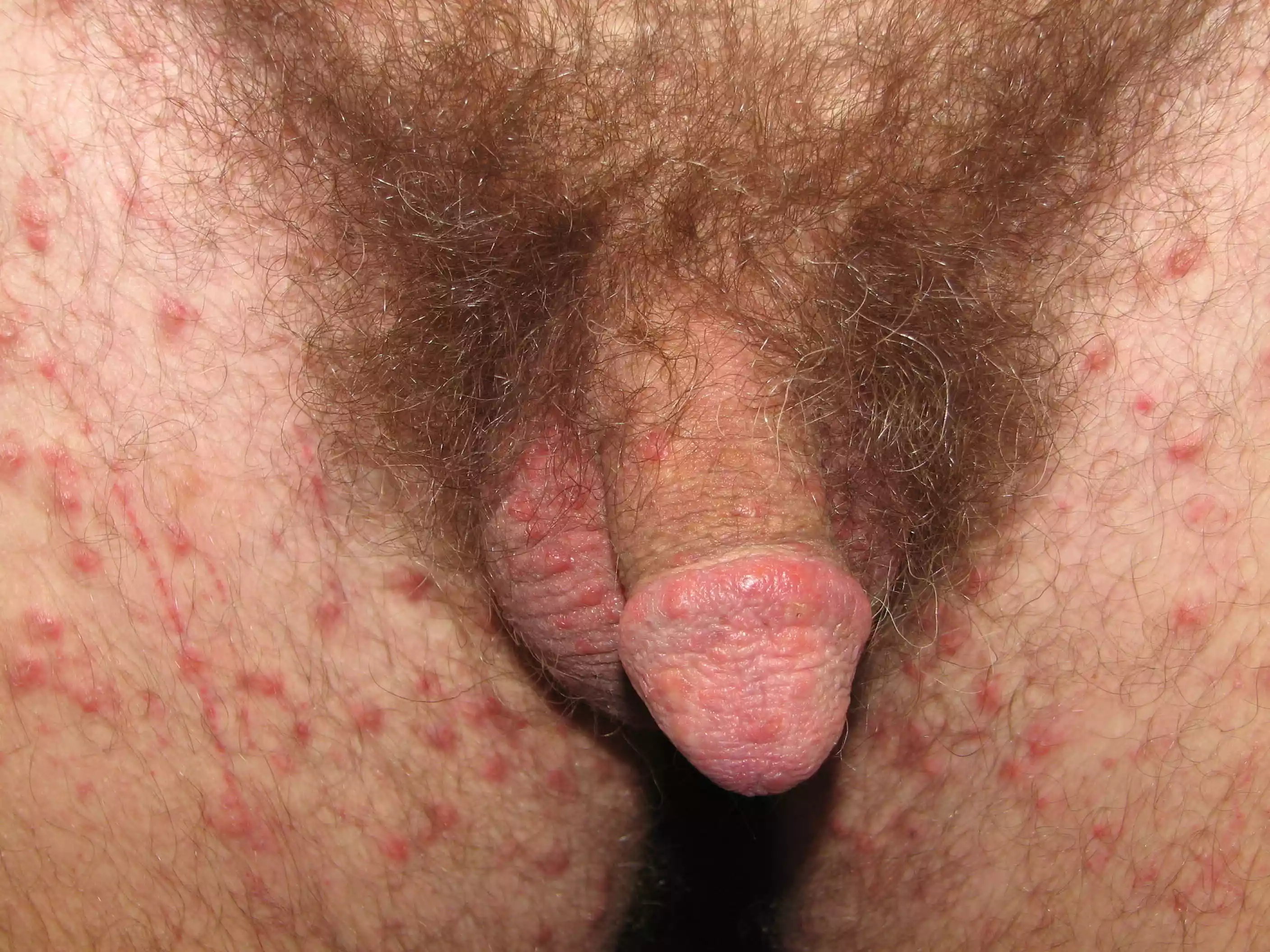
7. Yeast Infection (Candidiasis)
While often associated with women, men can develop yeast infections on the scrotum and penis. It often appears as shiny, red patches with small "satellite" bumps nearby.
What to Do: Use an antifungal cream. If you have a partner, they should also be checked to avoid passing the infection back and forth.
8. Folliculitis
This is the inflammation of hair follicles, often caused by bacterial infection after shaving the groin area. It looks like small red pimples or white-headed bumps around the hair.
What to Do: Stop shaving for a few weeks. Apply warm compresses to the area and use an antibacterial wash.
9. Genital Psoriasis
Psoriasis is a chronic autoimmune condition. In the genital area, it may not look scaly like it does on elbows; instead, it often appears as smooth, deep red patches of skin.
What to Do: Consult a dermatologist. Treatment usually involves specialized low-potency steroid creams that are safe for thin genital skin.
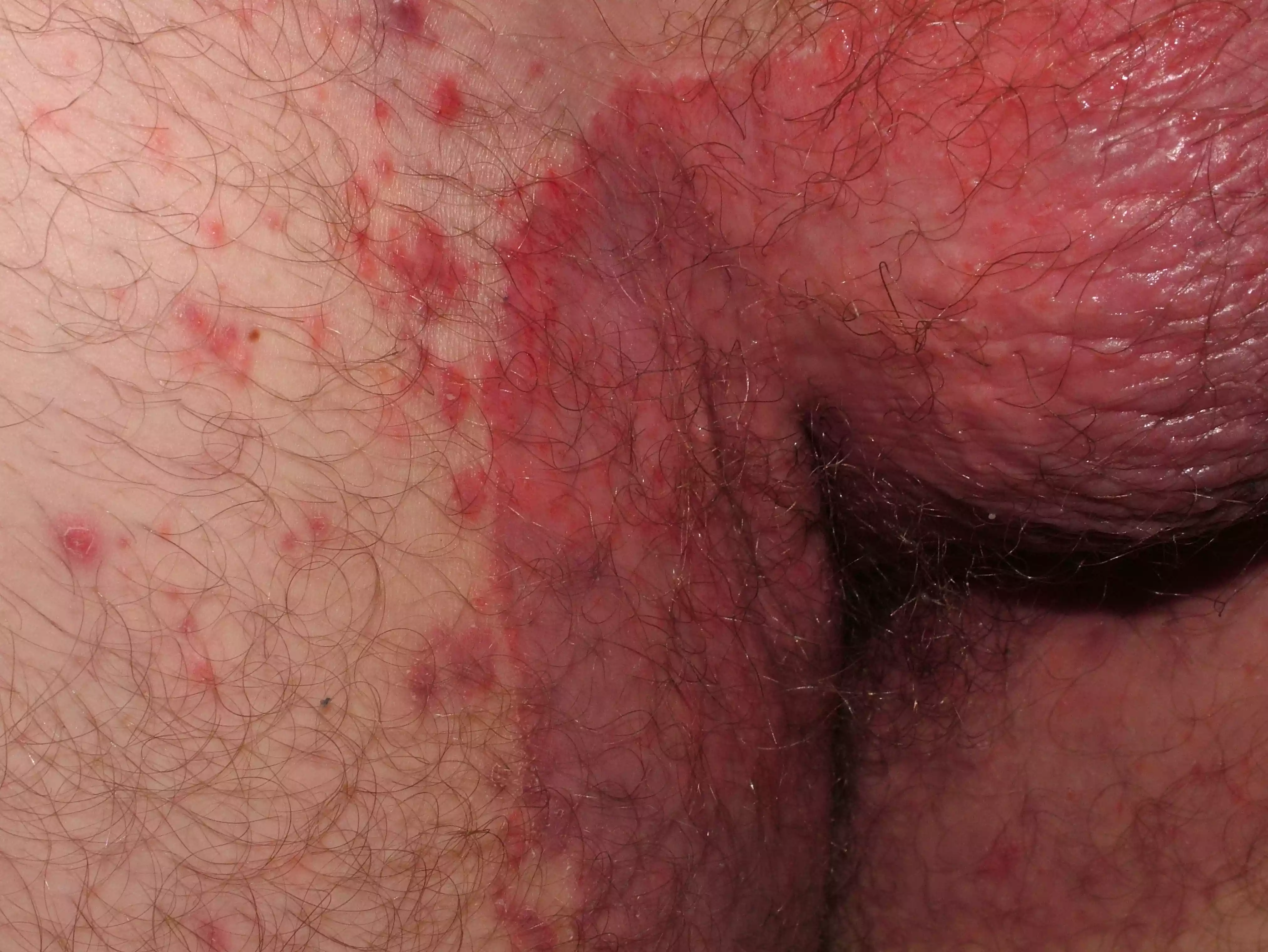
10. Dry Skin and Eczema
Sometimes the itchy scrotum no rash causes are simply due to dry skin. Low humidity, hot showers, and aging can strip the skin of its natural oils, leading to a persistent tickle or itch.
What to Do: Use a fragrance-free moisturizer daily and reduce the temperature of your showers.
11. Chafing
Chafing is mechanical skin damage caused by repetitive rubbing. This is a primary reason for itchy balls after working out. The salt from dried sweat acts like sandpaper against the skin.
What to Do: Apply an anti-chafe balm before exercise and change out of sweaty gym clothes immediately after your workout.
12. Erythrasma
This is a bacterial infection that looks very similar to jock itch but usually has a reddish-brown, slightly scaly appearance. It does not respond to antifungal treatments.
What to Do: See a doctor for an antibacterial cream or oral antibiotics if the "fungal" treatment isn't working.
13. STIs (Genital Warts or Herpes)
While itching isn't always the primary symptom, both herpes and genital warts can cause significant irritation in the scrotal area before or during a breakout.
What to Do: If you notice unusual bumps or sores, seek professional testing immediately. Practice safe sex to prevent transmission.
14. Neuropathic Itch
In some cases, the itch isn't caused by a skin issue but by nerve irritation. This is often a consideration for an itchy scrotum no rash causes diagnosis where the skin looks perfectly healthy but feels intensely itchy.
What to Do: A doctor may prescribe medications that modulate nerve signals if standard topical treatments fail.
Immediate Relief: Scrotal Itch Home Remedies
When the itching becomes unbearable, you need to know how to stop testicular itching fast. The first priority is breaking the "Itch-Scratch Cycle." Scratching provides temporary relief but causes micro-tears in the skin, which leads to further inflammation and potential infection.
Improving Groin Hygiene
The foundation of any scrotal itch home remedies strategy is cleanliness. Wash the area daily with a mild, soap-free cleanser. The most critical step, however, is drying. Use a dedicated towel for the groin or even use a hair dryer on a "cool" setting to ensure no moisture remains in the skin folds.
Natural Remedies
- Tea Tree Oil: This natural antifungal can be effective for mild cases of jock itch. However, never apply it undiluted. Mix 5-10 drops of tea tree oil with 1 ounce of a carrier oil like coconut or jojoba oil.
- Garlic Paste: Garlic has known antimicrobial properties. You can crush garlic into a paste, apply it to the itchy area for 15-30 minutes, and then rinse thoroughly. Note: If it stings, wash it off immediately.
- Talc-Free Powders: Use powders containing cornstarch or kaolin clay to absorb excess sweat throughout the day. Avoid traditional talcum powder due to health concerns.
Clothing Adjustments
Switching your wardrobe can have a massive impact. Avoid tight jeans or synthetic underwear that traps heat. Instead, opt for 100% breathable cotton or modern moisture-wicking fabric designed for athletes. These materials allow the skin to "breathe" and move moisture away from the body.
Medical Treatments and The Best Creams for Itchy Scrotum
If home remedies aren't enough, it’s time to look at clinical testicular itching treatment. Choosing the right product depends entirely on whether the cause is fungal or inflammatory.
Fungal vs. Irritation Symptoms
| Symptom | Fungal (Jock Itch/Yeast) | Irritation (Dermatitis/Chafing) |
|---|---|---|
| Appearance | Circular red borders, scaly edges | Diffuse redness, no clear border |
| Sensation | Burning and intense itching | Stinging or "raw" feeling |
| Spreading | Slowly expands outward | Stays where the irritant touched |
| Response | Clears with antifungal cream | Clears with hydrocortisone/moisturizer |
Finding the Best Cream for Itchy Scrotum
For most fungal issues, an over-the-counter antifungal ointment is the gold standard. Look for active ingredients like:
- Clotrimazole: Excellent for yeast and general fungus.
- Terbinafine: Often works faster for Tinea cruris.
For rashes caused by allergies or irritation, a 1% hydrocortisone cream is usually the best cream for itchy scrotum. It reduces swelling and calms the immune response. However, be careful not to use steroid creams on a fungal infection, as it can actually make the fungus grow faster by suppressing the local immune system.
If your skin barrier is damaged, look for "barrier repair" creams containing ceramides. These help rebuild the skin's natural defense against bacteria and irritants.
Red Flags: When to See a Doctor for Itchy Balls
While most cases of scrotal itch can be handled at home, some symptoms require professional intervention. You should see a doctor for itchy balls if you experience any of the following "Red Flags."
Emergency Red Flags Checklist
- Sudden, severe testicular pain: This could be testicular torsion, which is a surgical emergency.
- Fever or chills: This suggests the infection has become systemic.
- Spreading rash: If the redness moves to your inner thighs, buttocks, or abdomen.
- Pus or weeping sores: Signs of a significant bacterial infection.
- No improvement: If home treatments show no results after two weeks.
If you suspect an STI due to recent unprotected contact, professional testing is the only way to confirm a diagnosis and begin the correct course of treatment. Don't let embarrassment prevent you from getting the care you need; doctors see these issues every single day.
FAQ
Why are my balls so itchy?
Itchy balls are usually caused by a combination of moisture, heat, and friction. This environment encourages the growth of fungi (like jock itch) or bacteria. It can also be caused by skin conditions like eczema or reactions to laundry detergents.
How do I get rid of itchy balls?
Start by keeping the area clean and very dry. Use moisture-wicking fabric for underwear and apply over-the-counter treatments like antifungal ointment or hydrocortisone cream based on your symptoms. Avoid scratching to prevent further irritation.
Can a fungal infection cause itchy balls?
Yes, fungal infections are a leading cause of scrotal itching. Jock itch and yeast infections thrive in the groin's warm environment. Statistics show that cutaneous fungal infections affect about a quarter of the global population at some point.
What is the best cream for itchy balls?
The best cream depends on the cause. For fungal infections, use clotrimazole or terbinafine. For rashes and allergic reactions, a mild hydrocortisone cream is best. For simple dry skin, a fragrance-free moisturizer is recommended.
When should I see a doctor about itchy balls?
You should consult a healthcare provider if the itch persists for more than two weeks, if you see signs of infection like pus or fever, or if you have sores that could indicate an STI. Immediate medical attention is required for sudden, intense pain.
Maintaining consistent groin hygiene and choosing the right fabrics are the best ways to prevent future episodes. If you take proactive steps today, you can stop the itch and get back to your daily life without discomfort.