
Quick Facts
- Statistical Normalcy: Between 50 and 80 percent of women experience memory lapses and difficulty concentrating.
- Biological Adaptation: Neuroimaging shows a 4 to 5 percent reduction in gray matter volume to favor social bonding.
- Nutritional Trigger: Ferritin levels below 30 µg/L are a frequent physiological driver of mental fatigue.
- Peak Severity: Objective cognitive functioning is significantly lower during the third trimester compared to non-pregnant controls.
- Primary Management: Effective relief involves 20-minute flat rests, iron optimization, and externalizing executive function through apps.
Pregnancy brain fog is a scientifically recognized phenomenon caused by a combination of factors, including significant hormonal fluctuations that affect brain neurons and physical changes in gray matter related to social cognition. Lifestyle factors such as sleep deprivation and increased stress also play a role. Additionally, iron deficiency anemia is a common physiological cause, as low hemoglobin levels can reduce oxygen delivery to the brain, leading to mental fatigue and difficulty concentrating.
Is It Real? The Neuroscience of the Pregnant Brain
If you have ever found yourself staring into an open fridge, completely forgetting what you were looking for, or realized you left your car keys in the ignition, I want you to take a deep breath. You are not losing your mind. As someone who spends my days analyzing the intersection of female physiology and cognitive health, I can tell you that what you are feeling is a measurable, biological reality.
For a long time, the medical community dismissed momnesia as a subjective myth. However, modern neuroscience tells a much more fascinating story. Recent studies have revealed that the brain undergoes a profound architectural renovation during these nine months. Research shows a 4 to 5 percent reduction in gray matter volume, specifically in regions of the brain responsible for social cognition.
While a "reduction in gray matter" might sound alarming, it is actually a highly specialized refinement. Think of it as your brain clearing out old files to make room for a massive software update. This neurological adaptation helps you become more attuned to your baby’s needs and better at reading non-verbal social cues. However, this pruning process, combined with massive hormonal fluctuations of progesterone and estrogen, often comes at the expense of short-term memory and executive function.

During the third trimester, these cognitive changes during pregnancy often reach their peak. Your brain is essentially prioritizing the survival and bonding of the newborn over the ability to remember where you parked. While this transition is beautiful from an evolutionary standpoint, it can make managing a career or a household feel incredibly overwhelming.
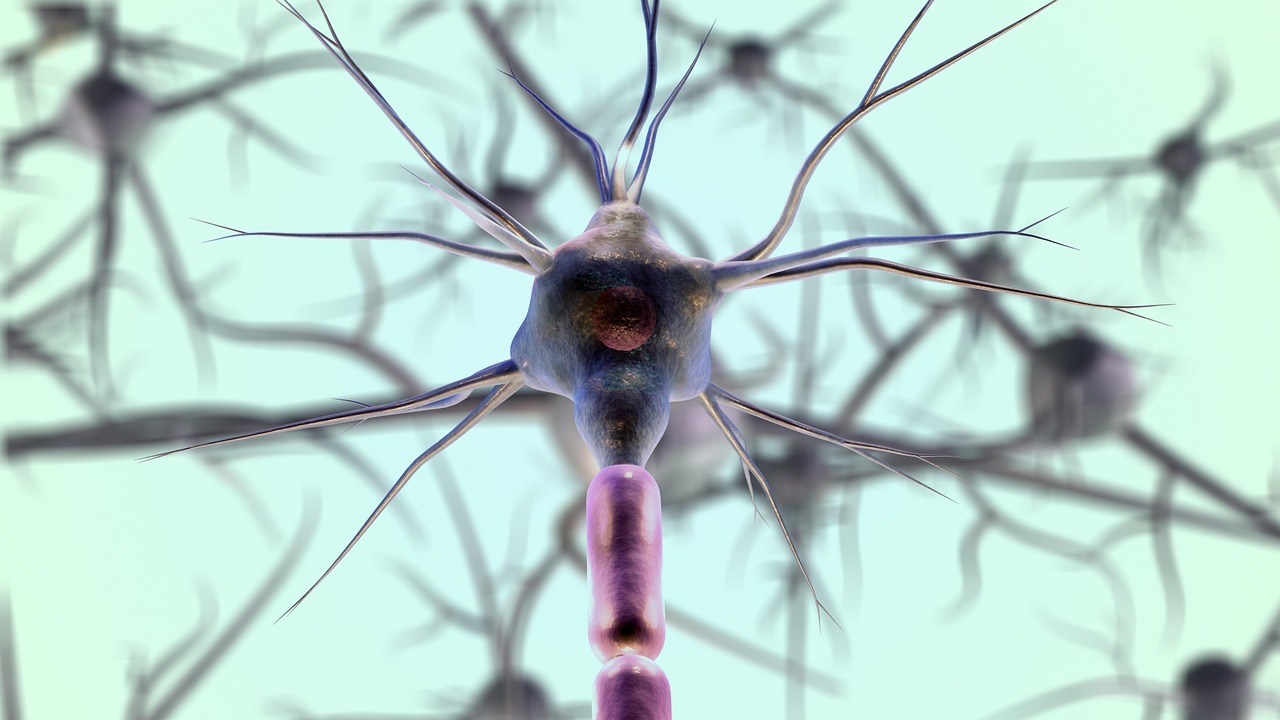
The Hidden Driver: Iron Deficiency and Mental Fatigue
While we talk a lot about hormones, we often overlook the cellular fuel that keeps our brains sharp: oxygen. During pregnancy, your blood volume increases by nearly 50 percent to support your growing baby. This creates an enormous demand for iron, the primary component of hemoglobin responsible for transporting oxygen.
When your iron stores—measured as ferritin levels—begin to dip, your brain is the first to feel the effects. Iron deficiency and pregnancy brain are inextricably linked. Beyond just carrying oxygen, iron is a critical co-factor in the synthesis of neurotransmitters like dopamine and serotonin. These are the chemicals that regulate your focus, mood, and mental energy.
It is important to understand that you don't need to be clinically anemic to feel the symptoms of iron deficiency anemia and pregnancy brain fog. Many women fall into a "gray zone" where their ferritin levels are technically within the "normal" lab range but are too low to support optimal cognitive function. If your ferritin is below 30 µg/L, you may experience significant mental fatigue, even if your red blood cell count looks okay. This lack of "brain fuel" manifests as that thick, heavy feeling in your head that makes even simple tasks feel like climbing a mountain.

Actionable Relief: Pregnancy Brain Fog Management Techniques
The good news is that you don’t have to just "wait it out." There are several pregnancy brain fog management techniques that can help you reclaim your mental clarity and lower the daily cognitive load.
One of my favorite recommendations is a physiological reset called the flat rest. Unlike a typical nap that can leave you feeling groggy, a 20-minute flat rest involves lying completely flat on your back without a pillow (if comfortable and safe for your stage of pregnancy) or on your side with neutral spinal alignment. This position improves blood flow to the brain and helps reset the nervous system, reducing the cortisol that often exacerbates absent-mindedness.
Serena’s Pro-Tip: The 20-Minute Flat Rest Find a quiet space, set a timer for 20 minutes, and lie flat. Do not scroll on your phone. The goal is to allow your brain to enter a state of "wakeful rest," which can be more restorative for executive function than a disjointed hour of sleep.
To manage the practical side of forgetfulness, I often suggest externalizing your memory. Your brain is currently busy building a human; let technology handle the grocery list. Using the best memory apps for pregnant women—such as Any.do or specialized pregnancy trackers—can act as an external hard drive for your brain. By offloading small details to an app, you reduce the mental clutter that leads to burnout.
If you are coping with pregnancy brain fog at work, try to implement micro-habits. Break your day into 25-minute focus blocks, followed by 5 minutes of mindfulness meditation for pregnancy brain clarity. These short bursts of intentional breathing help lower the stress hormones that cloud your thinking and can significantly improve short term memory during pregnancy by keeping you grounded in the present moment.

Nutrition and Supplements for Cognitive Clarity
When it comes to biological support, your diet is your most powerful tool. Since we know that iron plays such a central role in cognitive health, the goal is to maximize absorption.
I always advise my readers to look for the synergy of iron and Vitamin C. If you are taking safe iron supplements for pregnancy cognitive health, take them with a glass of orange juice or a handful of strawberries. The Vitamin C helps convert the iron into a form your body can easily absorb. Conversely, be mindful of iron inhibitors. The polyphenols in tea and coffee can block iron absorption by up to 60 percent. Try to keep your caffeine intake at least two hours away from your iron-rich meals or supplements.
Common dietary iron sources include:
- Red meat and poultry (heme iron, highly absorbable)
- Lentils, beans, and spinach (non-heme iron)
- Fortified cereals and pumpkin seeds
While prenatal vitamins are a great baseline, they often don't contain enough iron to correct a true deficiency, especially if you are entering the third trimester or dealing with postpartum depletion. After birth, your body's iron demands remain high due to blood loss during delivery and the nutritional requirements of breastfeeding. Maintaining your iron levels is just as important for your mental health in the fourth trimester as it is during pregnancy.

When to Talk to Your Doctor
While pregnancy brain fog is normal, there are times when cognitive shifts are a sign of something more serious. It is vital to distinguish between the common "fog" and perinatal mood disorders.
I recommend using the "2-Week Rule": If your forgetfulness is accompanied by persistent sadness, a loss of interest in things you used to enjoy, or feelings of hopelessness for more than two weeks, it is time to seek professional support.
Normal Fog vs. Perinatal Depression
| Feature | Pregnancy Brain Fog | Perinatal Depression |
|---|---|---|
| Primary Symptom | Forgetfulness and distractibility | Persistent low mood or anxiety |
| Daily Impact | Annoying, but manageable with lists | Interferes with basic self-care |
| Physical Signs | General tiredness | Severe insomnia or excessive sleeping |
| Emotional State | Frustrated by memory lapses | Feeling "numb" or hopeless |
If you feel your brain fog is extreme, take this checklist to your next appointment. Don't be afraid to be your own advocate.
Doctor's Office Checklist
- Request a Full Blood Count (FBC) to check hemoglobin levels.
- Ask for a specific Ferritin test (iron stores).
- Mention if you are experiencing restless legs or cold hands (common signs of low iron).
- Discuss the frequency and severity of your memory lapses.
Discussing persistent symptoms with a healthcare provider ensures a comprehensive approach to your cognitive health. You deserve to feel supported both physically and mentally throughout this journey.

FAQ
Is pregnancy brain fog a real thing?
Yes, pregnancy brain fog is a scientifically documented phenomenon. It is not just in your head—or rather, it is in your head, but for very real biological reasons. Research indicates that between 50 and 80 percent of pregnant women experience these cognitive shifts, which involve measurable changes in the brain's gray matter and the influence of massive hormonal fluctuations that prioritize social bonding over short-term memory.
When does pregnancy brain fog usually start?
While it can vary, many women begin to notice subtle changes in the first trimester due to the initial surge of hormones and morning sickness. However, third trimester brain fog symptoms and relief become a more prominent topic of conversation as the fog typically peaks in the final months. This is often due to the cumulative effects of sleep loss, physical discomfort, and the peak of the brain's neurological restructuring.
What causes memory loss and forgetfulness during pregnancy?
The causes are multi-faceted. Primarily, it is driven by a 4 to 5 percent reduction in gray matter in areas related to social cognition, which helps you bond with your baby but can impair executive function. Hormonal fluctuations, particularly high levels of progesterone, can have a sedative effect on the brain. Additionally, physiological factors like iron deficiency anemia and lifestyle stressors like sleep deprivation play significant roles.
How long does pregnancy brain fog last after giving birth?
For many women, cognitive clarity begins to return a few months postpartum as hormones stabilize. However, it can persist for several months or even up to a year due to postpartum depletion of essential nutrients like iron and DHA, combined with the ongoing sleep deprivation that comes with caring for a newborn. Your brain is still in a state of high plasticity as it adapts to motherhood.
How can I manage or reduce brain fog while pregnant?
Managing brain fog involves a holistic approach. Prioritize sleep hygiene and use the 20-minute flat rest technique to recharge your nervous system. Optimize your nutrition by focusing on iron-rich foods paired with Vitamin C and discuss safe iron supplements for pregnancy cognitive health with your doctor. Finally, use organizational tools like memory apps to externalize your to-do lists and practice mindfulness to reduce the mental load.