Quick Facts
- Prevalence: Between 2.7% and 6.5% of women in the United States, representing approximately 3.3 to 7.9 million individuals, live with symptoms of this condition.
- Dietary Impact: Research indicates that 95.8% of patients report certain foods and beverages exacerbate their bladder symptoms.
- Co-occurrence: An estimated 79% of patients diagnosed with interstitial cystitis also suffer from comorbid irritable bowel syndrome, suggesting a significant overlap between urological and gastrointestinal health.
- Quality of Life: The health-related quality of life for individuals with interstitial cystitis is significantly impacted, with scores often lower than those of patients suffering from end-stage renal disease undergoing dialysis.
- Top Treatment: Pelvic floor physical therapy is considered one of the most effective non-surgical interventions for managing chronic pelvic pain and urgency.
- Flare Management: Immediate relief often involves a combination of pH neutralization, stress management, and wearing comfortable clothing for interstitial cystitis pelvic pressure.
Identifying dietary triggers is essential for managing interstitial cystitis symptoms. Common irritants often include acidic foods, spicy dishes, caffeine, and carbonated beverages. Patients frequently find relief by following an elimination diet and maintaining a symptom diary to pinpoint specific foods that exacerbate bladder pain and urinary urgency.
Understanding Interstitial Cystitis and the Bladder Wall
Navigating Interstitial Cystitis (pronounced in-ter-stish-uhl sĭ-stī’tĭs) requires a multimodal approach to bladder pain syndrome management. Whether you are dealing with urinary urgency or chronic pelvic pain, understanding your body's triggers is the first step toward relief. For many women, the journey to a diagnosis is long and often misunderstood, but you are not alone in this experience.
To understand why the bladder hurts, we have to look at its internal architecture. The bladder is lined with a protective coating called the glycosaminoglycan (GAG) layer. This layer acts as a buffer between the delicate urothelium (the bladder lining) and the acidic, waste-filled urine stored inside. In many women with Interstitial Cystitis, this GAG layer becomes "leaky" or thinned. When the barrier is compromised, irritating substances in the urine can seep into the bladder wall, causing inflammation, suprapubic pressure, and the distressing sensation of needing to void constantly, often leading to nocturia.
The reach of this condition is far wider than many realize. Beyond the millions of women affected in the U.S., there is a profound systemic connection to other inflammatory conditions. The fact that nearly four out of five patients also manage irritable bowel syndrome suggests that Interstitial Cystitis is often part of a broader pelvic hypersensitivity or "cross-talk" between the bladder and the gut.
Dietary Management: Identifying and Neutralizing IC Diet Triggers
The connection between what we eat and how our bladder feels is undeniable. For many, the bladder acts like an "internal barometer," reacting sharply to chemical irritants in our diet. Managing these IC diet triggers is not about lifelong deprivation, but about identifying interstitial cystitis diet triggers that are unique to your biology.
The gold standard for this process is the elimination diet. This involves removing all potential irritants for a period of one week to three months, then slowly reintroducing them one by one. During this time, keeping a detailed symptom diary is vital. You should track not just what you eat, but also your stress levels and menstrual cycle phase, as hormonal shifts can also impact bladder sensitivity.
The Big Four Irritants
While everyone is different, most patients find that their flares are driven by the "Big Four":
- Caffeine: Even decaf can be problematic due to the residual acids and chemicals.
- Acidic Foods: Tomatoes, citrus fruits, and certain vinegars can "burn" a compromised GAG layer.
- Spicy Dishes: Capsaicin is a known irritant that can be excreted in urine.
- Alcohol and Carbonation: These can increase urinary urgency and irritate the bladder lining.
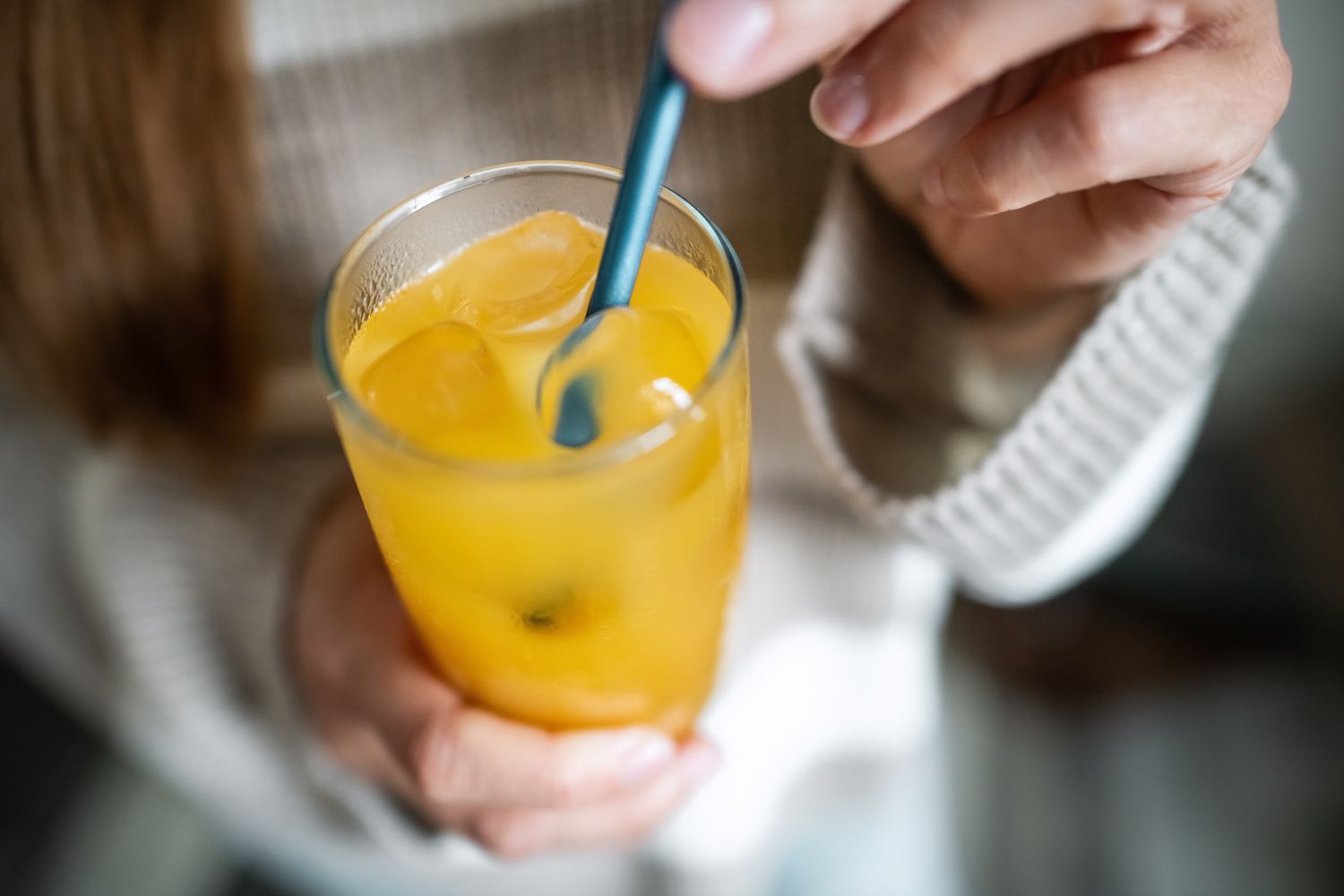
If you find yourself at a social event where you cannot avoid acidic foods, there are neutralizing strategies. Mitigating substances such as sodium bicarbonate (baking soda dissolved in water) or over-the-counter calcium glycerophosphate can help neutralize the acid in food before it reaches the bladder. This doesn't make the food "safe" for everyone, but it can significantly reduce the intensity of a reaction.
Pelvic Floor Therapy for Bladder Pain Relief
Pelvic floor physical therapy is a highly effective treatment for interstitial cystitis and bladder pain syndrome. Specialized therapists focus on relaxing hypertonic pelvic muscles to alleviate suprapubic pressure and chronic pain. This multimodal approach addresses the musculoskeletal aspects of pelvic health, helping to reduce the frequency and intensity of flare-ups.
Many women with Interstitial Cystitis develop "hypertonic" or overly tight pelvic floor muscles as a protective response to chronic pain. Over time, these muscles forget how to relax, creating a vicious cycle where the tight muscles compress the bladder, further increasing urinary urgency and chronic pelvic pain. Unlike traditional "Kegels" which focus on strengthening, pelvic floor physical therapy for IC relief focuses on down-training and lengthening the muscles.
A specialized therapist uses manual techniques to release trigger points in the pelvic bowl. They also teach diaphragmatic breathing, which naturally drops and relaxes the pelvic floor. This musculoskeletal focus is a cornerstone of bladder pain syndrome management because it treats the "container" (the pelvis) rather than just the "contents" (the bladder).
A Tiered Approach to Clinical Treatment
When lifestyle changes aren't enough, urologists typically follow a tiered treatment hierarchy based on the American Urological Association (AUA) guidelines. This multimodal treatment ensures that patients start with the least invasive options before moving toward more complex interventions.
- Tier 1: Education and Behavioral Modification: This includes stress management, identifying interstitial cystitis diet triggers, and bladder retraining to increase the intervals between bathroom visits.
- Tier 2: Manual Physical Therapy and Oral Medications: This stage often involves pelvic floor therapy for bladder pain and medications like antihistamines or amitriptyline, which can help desensitize the nerves in the bladder wall.
- Tier 3: Bladder Instillations: Often called a "bladder cocktail," this involves a urologist placing a catheter to deliver medication (like lidocaine or heparin) directly into the bladder to coat the GAG layer and provide immediate relief.
It is important to note a safety warning regarding Pentosan Polysulfate (PPS), a common oral medication for Interstitial Cystitis. Recent studies have linked long-term use of PPS to a specific type of macular damage in the eyes. If you are prescribed this medication, regular screenings with an ophthalmologist are essential. Furthermore, doctors now advise against long-term antibiotics for Interstitial Cystitis, as the condition is inflammatory rather than infectious.
Living with IC: Flare Management and Lifestyle Tips
Home management for interstitial cystitis flares involves lifestyle adjustments such as stress reduction, bladder-friendly hydration, and wearing loose clothing to minimize pelvic pressure. Gentle stretching and anti-inflammatory dietary choices support the bladder's GAG layer, while identifying personal triggers helps prevent future episodes of nocturia and discomfort.
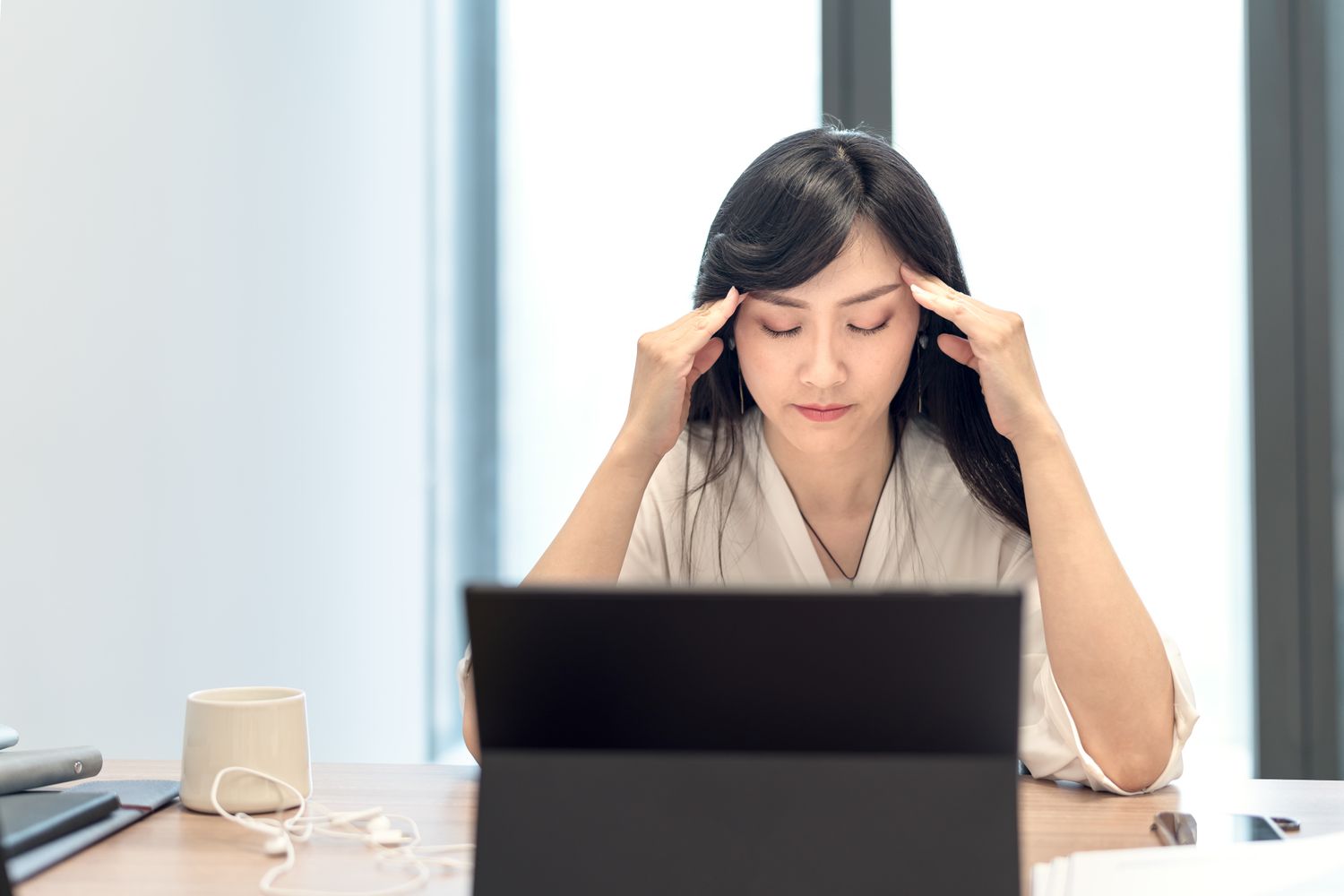
Managing a flare at home requires a toolkit of soothing strategies. When the nerves are screaming, the goal is to calm the nervous system. Applying a heating pad to the pelvic area or a cold pack to the perineum can provide sensory distraction. Stress management is not just a "wellness" tip; it is a physiological necessity, as stress hormones can trigger the release of mast cells in the bladder, worsening inflammation.
Sleep is often the biggest casualty of this condition. For those struggling with reducing interstitial cystitis nighttime frequency, a technique called "cognitive shuffling" can be helpful. This involves mentally visualizing a series of unrelated objects to distract the brain from the "urge" signals, allowing you to fall back asleep more easily.
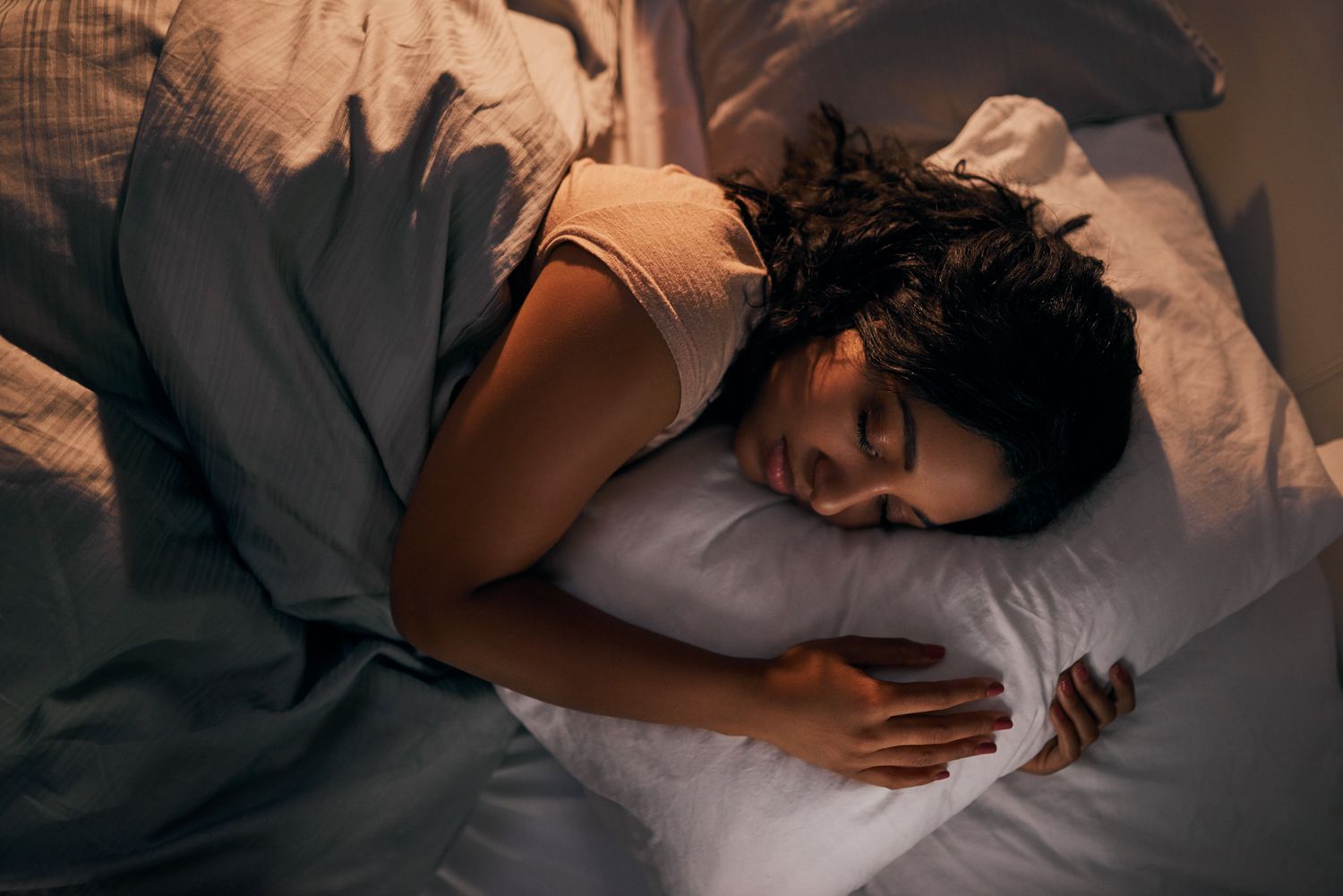
Finally, your wardrobe matters more than you might think. Swapping tight jeans for high-waisted, soft leggings or flowy dresses can provide immediate relief from external pressure on an already sensitive bladder. Prioritizing comfortable clothing for interstitial cystitis pelvic pressure is a simple but profound act of self-care that reduces daily irritation.
FAQ
How is interstitial cystitis different from a urinary tract infection?
A urinary tract infection (UTI) is caused by a bacterial infection and can be cleared with a course of antibiotics. Interstitial Cystitis is a chronic inflammatory condition of the bladder wall that does not involve bacteria. While the symptoms—burning, frequency, and urgency—feel identical, an IC patient's urine culture will typically come back negative for infection.
What are the most common triggers for an interstitial cystitis flare?
Common triggers include acidic or spicy foods, caffeine, alcohol, and artificial sweeteners. Beyond diet, flares can be triggered by high stress, hormonal fluctuations (particularly the drop in estrogen before menstruation), sexual intercourse, and wearing tight clothing that puts pressure on the pelvic floor.
Is there a specific diet for managing interstitial cystitis symptoms?
There is no "one-size-fits-all" diet, but most experts recommend a bladder-friendly, anti-inflammatory approach. This usually starts with an elimination diet to remove the most common irritants, followed by a slow reintroduction to determine personal tolerances. The goal is to maintain the most varied and nutritious diet possible while avoiding specific IC diet triggers.
How do doctors diagnose interstitial cystitis?
Diagnosis is primarily a process of exclusion. A urologist will perform a physical exam, review a voiding diary, and conduct a urinalysis to rule out infections or stones. In some cases, a cystoscopy (looking inside the bladder with a camera) or a potassium sensitivity test may be used, though these are no longer required for a standard diagnosis under modern guidelines.
Does stress make interstitial cystitis symptoms worse?
Yes, stress is a major factor in bladder pain syndrome management. Stress triggers the "fight or flight" response, which causes pelvic floor muscles to tighten and mast cells in the bladder to release inflammatory chemicals. Incorporating daily stress reduction practices like meditation or gentle yoga is often as important as dietary changes for long-term relief.
Consultation and Pelvic Health Support
If you suspect you are living with Interstitial Cystitis, seeking a specialist urologist or a urogynecologist who is well-versed in pelvic pain is the most important step you can take. This condition is complex, but with a dedicated care team and a commitment to understanding your personal triggers, it is possible to reclaim your quality of life.
For those recently diagnosed, the Interstitial Cystitis Association (ICA) offers a comprehensive Newly Diagnosed Toolkit that provides evidence-based resources and community support. Remember, managing your pelvic health is a marathon, not a sprint—be gentle with yourself as you navigate the path to healing.