Quick Facts
- Primary Choice: Use both for balanced vascular protection.
- Magnesium Winner: Pumpkin seeds (pepitas).
- Lipid Support: Cashews (oleic and stearic acids).
- Heart Risk Reduction: Nut consumption linked to 30-50% lower heart attack risk.
- Serving Size: 1.5 ounces daily is the standard clinical recommendation for heart health.
- Blood Pressure Control: Pumpkin seeds provide a high concentration of magnesium and potassium.
- Cholesterol Management: Cashews help reduce LDL cholesterol by approximately 4.8% in regular consumers.
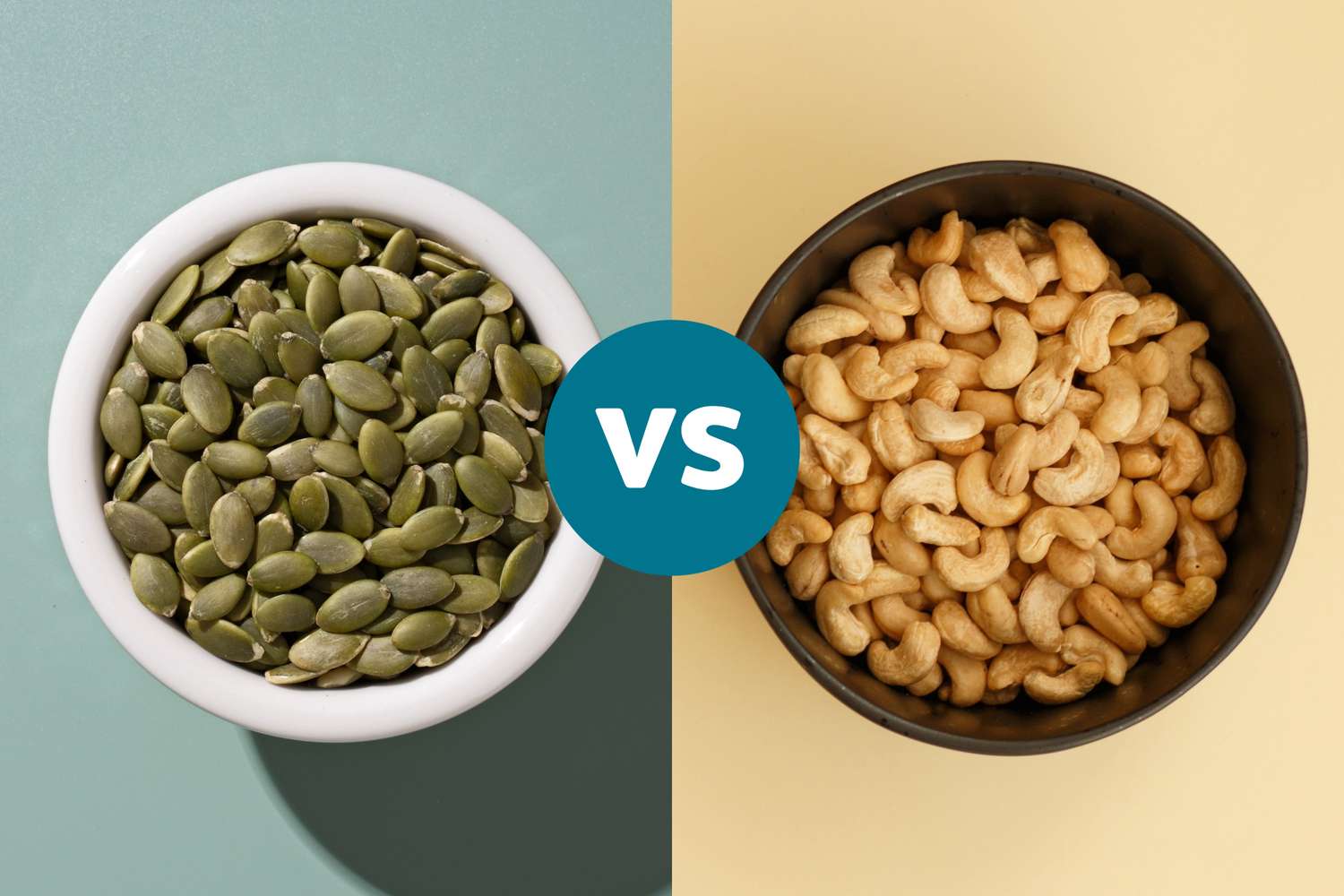
When comparing pumpkin seeds vs cashews for heart health, pumpkin seeds excel at blood pressure regulation via magnesium, while cashews are superior for improving lipid profiles through healthy monounsaturated fats. Both pumpkin seeds and cashews offer distinct cardiovascular benefits. Pumpkin seeds are a superior source of magnesium, which is essential for regulating blood pressure and blood sugar levels. Cashews are rich in monounsaturated fats and stearic acid, which can help lower LDL cholesterol and improve your lipid profile for better vascular health.
The Magnesium Powerhouse: Pumpkin Seeds and Blood Pressure
As a vitamins and minerals editor, I often see magnesium overlooked in favor of more "popular" supplements, yet it remains a cornerstone of cardiovascular stability. When we analyze pumpkin seeds vs cashews for heart health, the mineral density of the pumpkin seed—often called pepitas—is truly remarkable. A quarter cup of pumpkin seeds provides approximately 42% of the recommended daily intake of magnesium, a mineral that helps regulate blood pressure and is associated with a reduced risk of stroke and heart disease.
The physiological role of magnesium cannot be overstated. It acts as a natural calcium channel blocker, helping the heart muscles relax after contraction. Without sufficient magnesium, the heart may struggle to maintain a regular rhythm, and blood vessels may remain in a constricted state, leading to hypertension. Magnesium is involved in over 300 biochemical reactions, many of which focus on energy production and arterial relaxation.
Beyond magnesium, pumpkin seeds provide 218mg of potassium per ounce. Potassium works in synergy with magnesium to manage the sodium-potassium pump, which is the mechanism responsible for electrical signaling in the heart. For those looking at magnesium in pumpkin seeds for blood pressure regulation, the inclusion of these seeds in a daily diet provides a bioavailable source of minerals that supplements often cannot match. Furthermore, pumpkin seeds vs cashews for blood sugar control show that the high magnesium content also improves insulin sensitivity, which indirectly protects the vascular system from the damage caused by high glucose levels.
The Lipid Shield: Cashews and Monounsaturated Fats
While pumpkin seeds focus on mineral-driven protection, cashews offer a different but equally vital shield for the heart: healthy fatty acids. Approximately 80% of the fat in cashews is unsaturated fat, primarily oleic acid, which supports vascular protection by reducing inflammation and preventing the development of atherosclerosis.
Oleic acid is the same monounsaturated fat found in olive oil, celebrated for its ability to improve the lipid profile. Clinical studies have shown that replacing high-carbohydrate snacks with 28 to 64 grams of cashews daily can lead to a 4.8% reduction in LDL cholesterol levels and a 3.9% reduction in total cholesterol. This is particularly significant for those managing hyperlipidemia or early-stage cardiovascular disease.
We must also discuss stearic acid. Unlike other saturated fats that raise cholesterol, stearic acid in cashews has a neutral effect on LDL cholesterol. This makes the fat profile of cashews uniquely beneficial for endothelial function—the health of the inner lining of your blood vessels. When the endothelium is healthy, blood flows smoothly, and the risk of plaque buildup or atherosclerosis is significantly minimized. Using monounsaturated fats in cashews for lowering ldl is a scientifically sound strategy for anyone focused on vascular health benefits of seeds and nuts.
Comparative Nutritional Breakdown: A Side-by-Side View
To truly understand the nutritional differences between pumpkin seeds and cashews, we must look at the quantitative data. While both are calorie-dense, their nutrient profiles diverge significantly in terms of protein, minerals, and fat types.
| Nutrient (per 100g) | Pumpkin Seeds (Pepitas) | Cashews (Raw/Roasted) |
|---|---|---|
| Calories | 446 kcal | 553 kcal |
| Plant based protein | 19g - 30g | 18g |
| Total Fat | 19g (Low in Sat Fat) | 44g (High in MUFA) |
| Magnesium | 592mg | 292mg |
| Potassium | 809mg | 660mg |
| Zinc | 7.8mg | 5.8mg |
| Copper | 1.3mg | 2.2mg |
| Fiber | 6g | 3.3g |
In this pumpkin seeds vs cashews comparison, you will notice that pumpkin seeds have a higher caloric density in some varieties but generally offer more plant based protein in pumpkin seeds vs cashews. However, cashews excel in copper content, providing nearly 70% of the RDA in a single ounce. Copper is essential for the formation of red blood cells and maintaining healthy blood vessels.
The fiber content in pumpkin seeds is also nearly double that of cashews. Fiber is a critical component of heart health because it binds to bile acids in the digestive system, which helps the body excrete cholesterol rather than reabsorbing it into the bloodstream.
Practical Strategy: Serving Sizes and Daily Integration
The key to reaping the vascular health benefits of seeds and nuts is consistency and portion control. Because both foods are calorically dense, the FDA suggests a recommended serving size of pumpkin seeds and cashews daily of about 1.5 ounces (roughly 42 grams). This amount is sufficient to provide the necessary magnesium and healthy fats without leading to unwanted weight gain, which itself can stress the heart.
Here are some healthy ways to incorporate pumpkin seeds and cashews into meals:
- The Morning Boost: Add two tablespoons of raw pumpkin seeds to your oatmeal or Greek yogurt. The crunch provides texture, while the magnesium helps regulate your heart rhythm for the day ahead.
- The "Two Cashew" Rule: If you are following a strict heart-health protocol like the Ornish diet, you might limit intake to just a few nuts. Even 2 cashews or 5 teaspoons of seeds can contribute valuable phytosterols.
- Dairy-Free Alternatives: Use soaked cashews to create a dairy-free cream for soups. This replaces saturated fats from heavy cream with monounsaturated fats for heart health.
- Salad Toppers: Toast pumpkin seeds lightly and use them as a replacement for croutons. This adds protein and fiber while keeping the glycemic load low.
- The Synergistic Snack: Mix half an ounce of each to get a balanced dose of both magnesium and oleic acid.
When preparing these, consider the bioavailability of the nutrients. Raw or dry-roasted versions are preferable to those roasted in inflammatory seed oils or coated in excessive sodium. High salt intake can negate the blood pressure benefits provided by the magnesium and potassium.
FAQ
Which has more magnesium, pumpkin seeds or cashews?
Pumpkin seeds contain significantly more magnesium than cashews. An ounce of pumpkin seeds provides about 152mg of magnesium, which is roughly 37-42% of the daily recommended intake, whereas an ounce of cashews provides about 82mg.
Do pumpkin seeds have more protein than cashews?
Yes, pumpkin seeds generally have a higher protein content. Depending on the variety, pumpkin seeds can contain up to 9 grams of protein per ounce, while cashews typically offer about 5 grams per ounce. This makes pumpkin seeds an excellent choice for those seeking plant-based protein for heart health.
What are the main nutritional differences between pumpkin seeds and cashews?
The primary difference lies in their fat and mineral profiles. Pumpkin seeds are much higher in magnesium, zinc, and fiber. Cashews are higher in monounsaturated fats, copper, and vitamin B6. Pumpkin seeds focus more on blood pressure and sugar regulation, while cashews focus on improving the lipid profile and cholesterol levels.
Can I use pumpkin seeds instead of cashews for dairy-free cream?
While cashews are the standard for dairy-free cream due to their high fat content and neutral flavor, pumpkin seeds can be used as a nut-free alternative. The resulting cream will have a greenish tint and a slightly earthier flavor, but it will offer a higher magnesium and protein profile.