Quick Facts
- Clinical Efficacy: Proven comparable to 2% minoxidil for androgenetic alopecia after 6 months of use.
- Key Mechanism: Functions as a natural DHT blocker and a potent stimulator of scalp microcirculation.
- Safe Dilution: Recommended ratio is 2-3 drops of rosemary oil per teaspoon of a selected carrier oil.
- Visible Results: Users should maintain a consistent routine for a 3 to 6-month timeline for significant density improvement.
- Safety Note: Usage is not recommended during pregnancy or while breastfeeding due to the potency of the botanical extract.
- Application Frequency: Optimal results are seen with 2-3 sessions of rosemary oil scalp application techniques per week.
Clinical research indicates that rosemary oil for hair growth is as effective as 2% Minoxidil for treating androgenetic alopecia after six months of consistent use. It improves scalp microcirculation and follicle health with significantly less irritation than synthetic alternatives, making it a premier natural solution for improving hair density and thickness.
The Science: Rosemary Oil vs Minoxidil
For years, those of us in the botanical research space viewed rosemary as a secondary support for scalp health, prized more for its antimicrobial properties than its growth potential. However, the paradigm shifted with the publication of a landmark 2015 study. In this 2015 randomized clinical trial, participants using rosemary oil twice daily for six months experienced a significant increase in hair count that was statistically comparable to the results of a 2% minoxidil treatment. This established a firm foundation for rosemary oil vs minoxidil for female hair loss discussions, offering a plant-based alternative to the gold-standard pharmaceutical.
The primary bioactive compound responsible for these results is carnosic acid. This phenolic diterpene is known to heal tissue and nerve damage, and when applied to the scalp, it facilitates hair follicle rejuvenation by combating the oxidative stress that leads to follicle miniaturization. Furthermore, rosemary oil behaves as a natural Dihydrotestosterone (DHT) blocker. By inhibiting the enzyme 5-alpha reductase, it prevents DHT from binding to hair follicles—the primary driver behind androgenetic alopecia.
Beyond sheer growth numbers, the comparative study found that rosemary oil is associated with fewer side effects than 2% minoxidil, with the rosemary group reporting significantly lower frequencies of scalp itching during the treatment period. More recent data from a 2025 clinical evaluation of a rosemary-based hair growth serum in female subjects reported a 57.73% increase in hair growth rate and a 68.70% increase in hair thickness compared to baseline measurements. These statistics suggest that the benefits of rosemary oil for hair thickness are not just anecdotal but are rooted in measurable biological changes.
How to Dilute and Prepare Your Treatment
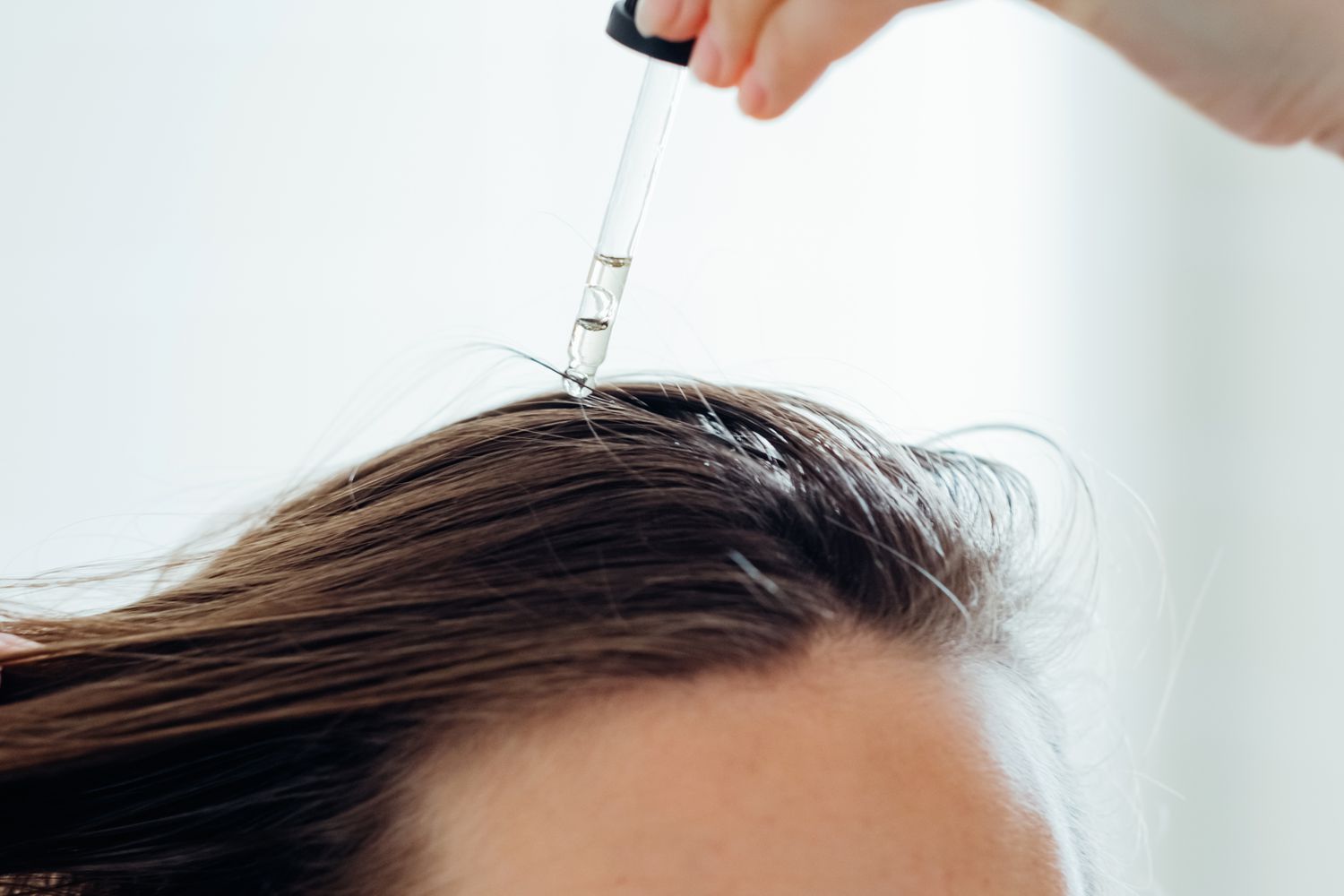
One of the most common mistakes I see in clinical practice is the "neat" application of essential oils. Applying undiluted rosemary oil directly to the scalp can lead to contact dermatitis or severe scalp irritation. To harness the benefits of rosemary oil for hair thickness safely, you must utilize a carrier oil to transport the volatile compounds into the skin.
The standard essential oil dilution ratio for scalp treatments is approximately 2%. This translates to about 10–12 drops of rosemary essential oil for every fluid ounce of carrier oil, or roughly 2 drops per teaspoon. Before beginning a full regimen, a 24-hour patch test on the inside of your forearm is a non-negotiable step to ensure you do not have an underlying sensitivity.
Carrier Oil Matchmaker
Choosing the right carrier oil depends on your specific scalp environment and hair texture. Below is a guide to selecting the best carrier oils to mix with rosemary for hair growth:
| Scalp/Hair Type | Recommended Carrier Oil | Therapeutic Benefit |
|---|---|---|
| Oily or Acne-Prone | Jojoba carrier oil | Mimics natural sebum; regulates oil production without clogging follicles. |
| Dry or Scaly Scalp | Fractionated Coconut Oil | Deeply penetrative; provides antimicrobial support to the microbiome. |
| Thinning & Brittle | Pumpkin Seed Oil | Acts as a synergistic DHT blocker; rich in zinc and magnesium. |
| Highly Porous/Textured | Castor Oil | High ricinoleic acid content; seals moisture and adds weight to the strands. |
Application Techniques: Step-by-Step Guide
The efficacy of rosemary oil for hair growth is not just about the product; it is about the delivery. While many people gravitate toward rosemary water vs rosemary oil for thinning hair, the oil-based treatment provides a more intensive, occlusive environment that allows for better absorption of carnosic acid. Rosemary water is an excellent daily mist for refreshing the scalp, but the bi-weekly oil treatment remains the heavy lifter in this routine.
- Prepare the Scalp: Apply the mixture to a damp scalp. While you can apply it to dry hair, moisture helps the oil distribute more evenly across the skin surface and prevents the hair shafts from absorbing too much of the carrier oil, which can lead to a greasy appearance.
- Section the Hair: Divide your hair into four quadrants. Using a dropper, apply the diluted oil directly to the skin along the parts.
- The Massage: Use the pads of your fingers—never your nails—to perform a five-minute circular massage. This step-by-step rosemary oil scalp massage technique is vital because it triggers scalp microcirculation, ensuring that nutrients and the rosemary bioactives reach the base of the follicles.
- Duration: Leave the oil on for at least 30 to 60 minutes. For an intensive treatment, you may leave it on overnight, provided you protect your pillowcase.
- The Cleanse: Double-wash your hair to ensure no heavy residue remains. Sebum regulation is a side benefit of rosemary, but leftover carrier oil can eventually weigh down fine hair.
Managing Expectations: The Growth Timeline
Patience is the most difficult part of any natural hair restoration journey. Because the hair growth cycle is slow, specifically the transition from the telogen (resting) phase to the anagen (growth) phase, you will not see a transformation overnight.
A realistic rosemary oil hair growth results timeline follows the trajectory of the clinical studies:
- Weeks 1-4: Potential for scalp irritation relief and improved shine. Some users may notice a slight "shedding phase."
- Months 2-3: Reduced hair fall and improved scalp health. The hair may feel slightly more "anchored."
- Months 4-6: This is the peak window where hair density improvement becomes visible to the naked eye. New "baby hairs" often appear along the hairline.
It is important to understand that a temporary shedding phase, often categorized as a mild telogen effluvium, is actually a positive sign. It indicates that the rosemary is stimulating the follicles to shed old, resting hairs to make way for new, stronger strands. I recommend keeping a hair diary with photos taken in the same lighting every four weeks to track your progress objectively.
Safety, Side Effects, and Contraindications
While rosemary is a natural botanical, "natural" does not mean "free of risk." High-quality, therapeutic-grade oils are incredibly potent.
Caution: Rosemary oil is not recommended for use during pregnancy or while breastfeeding. It is considered a uterine stimulant in high concentrations and its effects on infant development have not been sufficiently studied. Always consult with your obstetrician before introducing new botanical extracts into your routine.
Furthermore, for those undergoing medical testing, be aware of the "Biotin interference" warning. While rosemary itself does not contain biotin, many women combine rosemary oil treatments with oral hair growth supplements. High levels of biotin can interfere with certain lab tests, including thyroid and troponin (heart) tests. It is advisable to pause biotin-heavy supplements at least 72 hours before any blood work.
If you experience persistent redness, burning, or increased hair loss after the initial month, discontinue use and consult a dermatologist. Some individuals may have an undiagnosed allergy to the Lamiaceae (mint) family, of which rosemary is a member.
FAQ
Does rosemary oil really help hair grow?
Yes, scientific evidence supports the use of rosemary oil for hair growth. It works by increasing scalp microcirculation, blocking the hormone DHT, and providing carnosic acid to rejuvenate damaged follicles. Clinical trials have shown it significantly increases hair count over a six-month period.
Is rosemary oil as effective as minoxidil for hair loss?
Clinical research has demonstrated that rosemary oil is as effective as 2% minoxidil in treating androgenetic alopecia. In a head-to-head study, both groups saw similar increases in hair count after six months, though the rosemary group reported significantly less scalp itching and irritation.
How long does it take for rosemary oil to show results for hair?
Consistency is vital, as significant results generally require at least six months of regular application. While some users notice improved scalp health within weeks, measurable changes in hair density and thickness typically appear between the four and six-month marks.
Do I need to dilute rosemary oil before putting it on my hair?
Yes, you must always dilute rosemary oil before applying it to the scalp. Applying essential oils "neat" can cause severe irritation or chemical burns. A 2% dilution—roughly two drops of rosemary oil per teaspoon of carrier oil—is the safest and most effective ratio for scalp application.
How many times a week should I use rosemary oil for hair growth?
For optimal results, you should apply a diluted rosemary oil treatment 2 to 3 times per week. Applying it too frequently can lead to oil buildup and clogged follicles, while applying it less than twice a week may not provide the consistent stimulation needed to alter the hair growth cycle.