Quick Facts
- Adherence Rate: Studies show micro workouts have an 83% adherence rate compared to just 63% for traditional HIIT programs.
- Mortality Risk: Performing three daily bouts of vigorous activity lasting just 1 to 2 minutes each is associated with a 48% to 49% reduction in cardiovascular disease mortality risk.
- Weekly Goal: Accumulating at least 19 minutes of vigorous physical activity per week is linked to a 40% reduction in the risk of developing heart disease.
- Efficiency: These sessions improve VO2 max and metabolic health without the need for a traditional gym setting.
- Accessibility: Short bursts help lower blood pressure and regulate blood glucose levels by reducing sedentary behavior throughout the day.
- Intensity Tracking: The Talk Test provides a barrier-free way to monitor heart rate response during short burst cardio benefits.
Micro workouts, often called exercise snacks, are brief bouts of physical activity lasting from twenty seconds to several minutes. With an impressive 83% adherence rate compared to 63% for traditional high-intensity training, these sessions are becoming the gold standard for busy lifestyles. Research indicates that these short bursts of movement, such as stair climbing or brisk walking, can significantly improve VO2 max and circulatory efficiency. By reducing sedentary behavior throughout the day, micro workouts help lower blood pressure and improve metabolic health without the need for a traditional gym setting.
The Science of VILPA: Why 2 Minutes Matters
The modern fitness landscape is shifting away from the idea that exercise must be a hour-long ordeal to be effective. Much of this shift is driven by research into Vigorous Intermittent Lifestyle Physical Activity, or VILPA. This term describes brief, sporadic bursts of vigorous intensity activity that happen as part of daily living, like running for a bus or carrying heavy groceries. A landmark study published in 2026 Nature research highlights that you do not need a treadmill to achieve significant cardiovascular gains.
When you engage in these short bursts, your body undergoes rapid physiological adaptations. These intervals of higher-intensity movement demand a quick increase in aerobic capacity, forcing the heart to pump more efficiently and the lungs to oxygenate blood faster. This process is essential for blood glucose regulation, as the muscles quickly pull sugar from the bloodstream to fuel the sudden exertion.
The global implications of this research are staggering. Physical inactivity is estimated to cost the global healthcare system nearly $500B annually. By adopting micro workouts for lowering blood pressure naturally, individuals can combat the negative effects of a desk-bound life. These 1 to 2 minute sessions are not just "better than nothing"—they are biologically potent enough to shift your metabolic health profile and support long-term longevity.
Comparing Movement Models
To understand why exercise snacks for heart health are gaining such traction, it helps to look at how they stack up against the traditional gym model.
| Feature | Traditional Workouts | Micro Workouts (Exercise Snacks) |
|---|---|---|
| Duration | 30–60 minutes | 20 seconds – 2 minutes |
| Adherence Rate | ~63% | ~83% |
| Time Commitment | High (Travel + Change + Exercise) | Extremely Low (Zero transition time) |
| Equipment Needed | Often requires gym/weights | Usually bodyweight or environment-based |
| Primary Benefit | Sustained endurance/hypertrophy | VO2 max, blood pressure, metabolic spikes |
| Risk of Inactivity | High (Sedentary for rest of day) | Low (Breaks up sedentary behavior) |
Practical Micro-Routines for Busy Professionals
For those wondering how to do exercise snacks for heart health while balancing a demanding career, the key is looking at your environment as your equipment. You do not need a change of clothes or a locker room; you simply need a willingness to elevate your heart rate for sixty seconds.
Stair climbing is perhaps the most effective micro workout routines for busy office workers. Research suggests that climbing three flights of stairs three times a day can significantly boost cardiovascular fitness. If you work in a building with multiple floors, choosing the stairs over the elevator is a science-backed way to integrate VILPA into your morning.
Another effective strategy involves active breaks during the workday. Instead of scrolling through your phone during a transition between meetings, try a quick set of air squats or lunges. You can also utilize NEAT, or Non-Exercise Activity Thermogenesis, by taking a "brisk" path to the breakroom or performing calf raises while waiting for the coffee to brew.
To ensure you are hitting the right intensity, use the Talk Test:
- Low Intensity: You can sing or speak in full sentences.
- Moderate Intensity: You can speak but not sing.
- Vigorous Intensity (The Goal): You can only say a few words before needing to catch your breath.
Focusing on these best 2 minute heart health exercises for beginners allows you to reap the rewards of movement without the mental barrier of a grueling workout.
Joint-Friendly and Age-Specific Modifications
While vigorous activity is the goal, safety and joint health are paramount, especially for older adults. You do not have to perform high-impact jumping jacks to see heart rate variability improvements. The focus should be on functional fitness and movements that act as biological shock absorbers.
For individuals over 65, or those with sensitive knees, joint-friendly interval training focuses on low-impact cardio bursts. This might look like seated leg extensions at a fast pace, wall push-ups, or performing a series of sit-to-stands from a sturdy chair. These movements build leg strength—specifically in the quads and hamstrings—which helps protect the joints while still taxing the cardiovascular system.
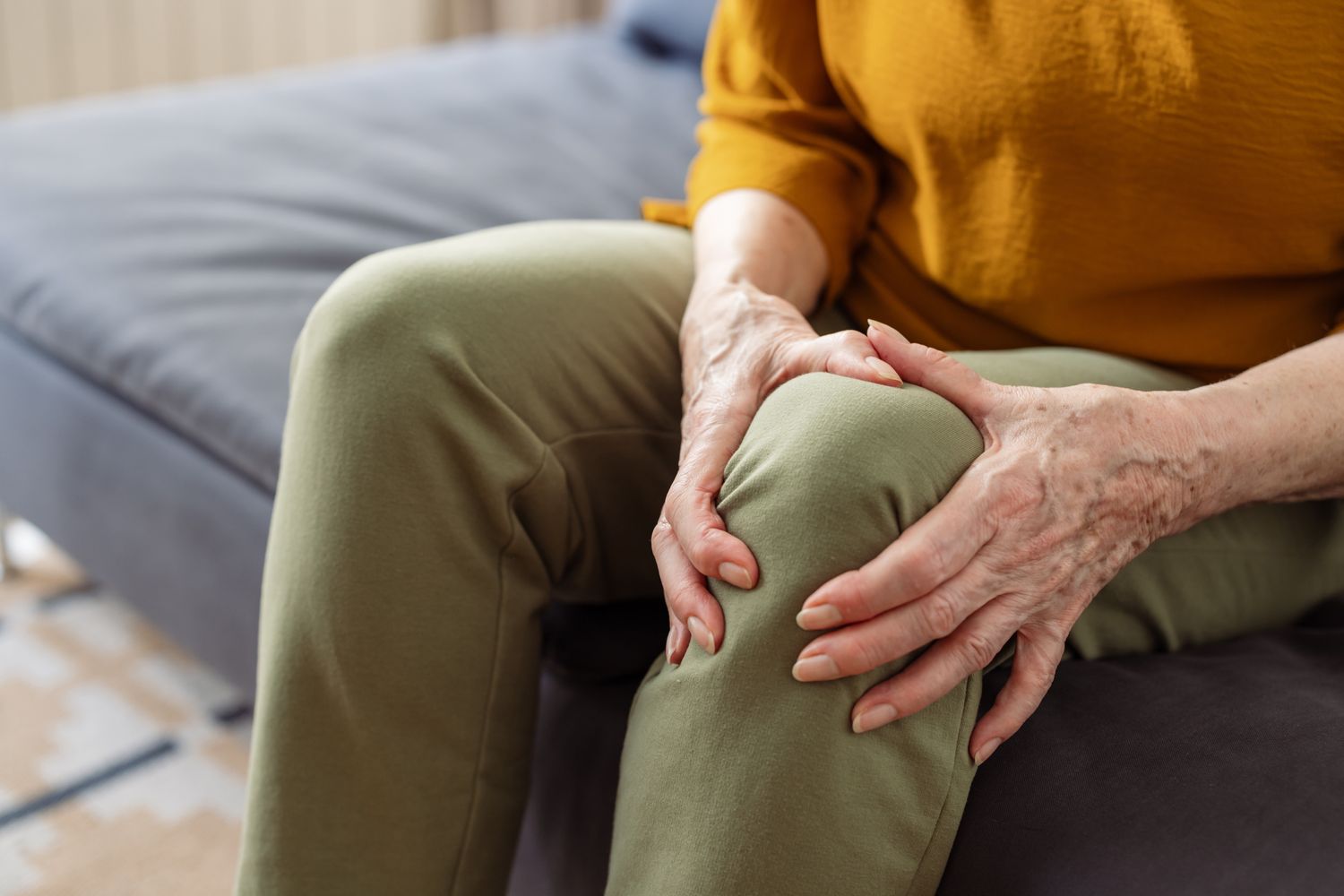
Cycling on a stationary bike at high resistance for 30 seconds or taking a brisk walk on a flat surface can provide joint friendly micro workouts for older adults. The goal is to reach that "huff and puff" state of VILPA without the jarring impact of running. Gradually increasing the speed or resistance of these movements allows for a safer progression toward better aerobic capacity.
Habit Stacking: Building a Science-Based Schedule
Consistency is the most difficult part of any health intervention. This is where the psychology of habit stacking becomes a game-changer. By anchoring your micro workouts to existing daily routines, you eliminate the need for willpower.
A science based micro workout schedule for heart health might look like this:
- Morning: Do 30 seconds of high-knees while the kettle boils.
- Mid-morning: Take the stairs to the second-floor restroom instead of the one on your floor.
- Lunch: Perform 1 minute of wall-sits after finishing your meal.
- Afternoon: Take a 2-minute "power walk" around the office block between meetings.
- Evening: Do 10 bodyweight squats during every commercial break of your favorite show.
Incorporating short bursts of activity into daily routine in this way ensures that your circulatory efficiency remains high throughout the 24-hour cycle. While these snacks are powerful, they work best when layered on top of a foundation of general movement, such as walking or Zone 2 aerobic activity. The high adherence rate of micro workouts suggests that once you start seeing how easy it is to fit in 60 seconds of movement, it becomes a permanent part of your lifestyle.
FAQ
Do micro workouts really work?
Yes, clinical evidence confirms they do. Studies involving over 25,000 participants found that just three to four 1-minute bouts of vigorous activity daily can reduce the risk of cardiovascular death by nearly half. These bursts are enough to trigger physiological changes in VO2 max and insulin sensitivity that are typically associated with longer exercise sessions.
What is considered a micro workout?
A micro workout is any period of physical exertion lasting between 20 seconds and 2 minutes. The defining characteristic is the intensity; it should be vigorous enough to make you breathe deeply and increase your heart rate quickly. Common examples include sprinting up stairs, performing rapid bodyweight squats, or briskly walking up a steep hill.
How many micro workouts should I do a day?
The science suggests that as few as three bouts per day can yield significant heart health benefits. However, the more you can break up sedentary behavior, the better. Aiming for 3 to 8 "exercise snacks" spread throughout the day is an excellent target for maintaining metabolic health and keeping blood pressure in check.
Can micro workouts improve cardiovascular health?
Micro workouts are highly effective at improving cardiovascular health by increasing heart rate variability and enhancing the efficiency of the circulatory system. By regularly challenging the heart with short intervals of high demand, you improve the body’s ability to transport oxygen and manage blood glucose, which are key markers for long-term heart health.