Our Top Picks
- Best Overall: ASICS Gel Resolution 9 — Unbeatable lateral stability for baseline players who need maximum support during aggressive slides.
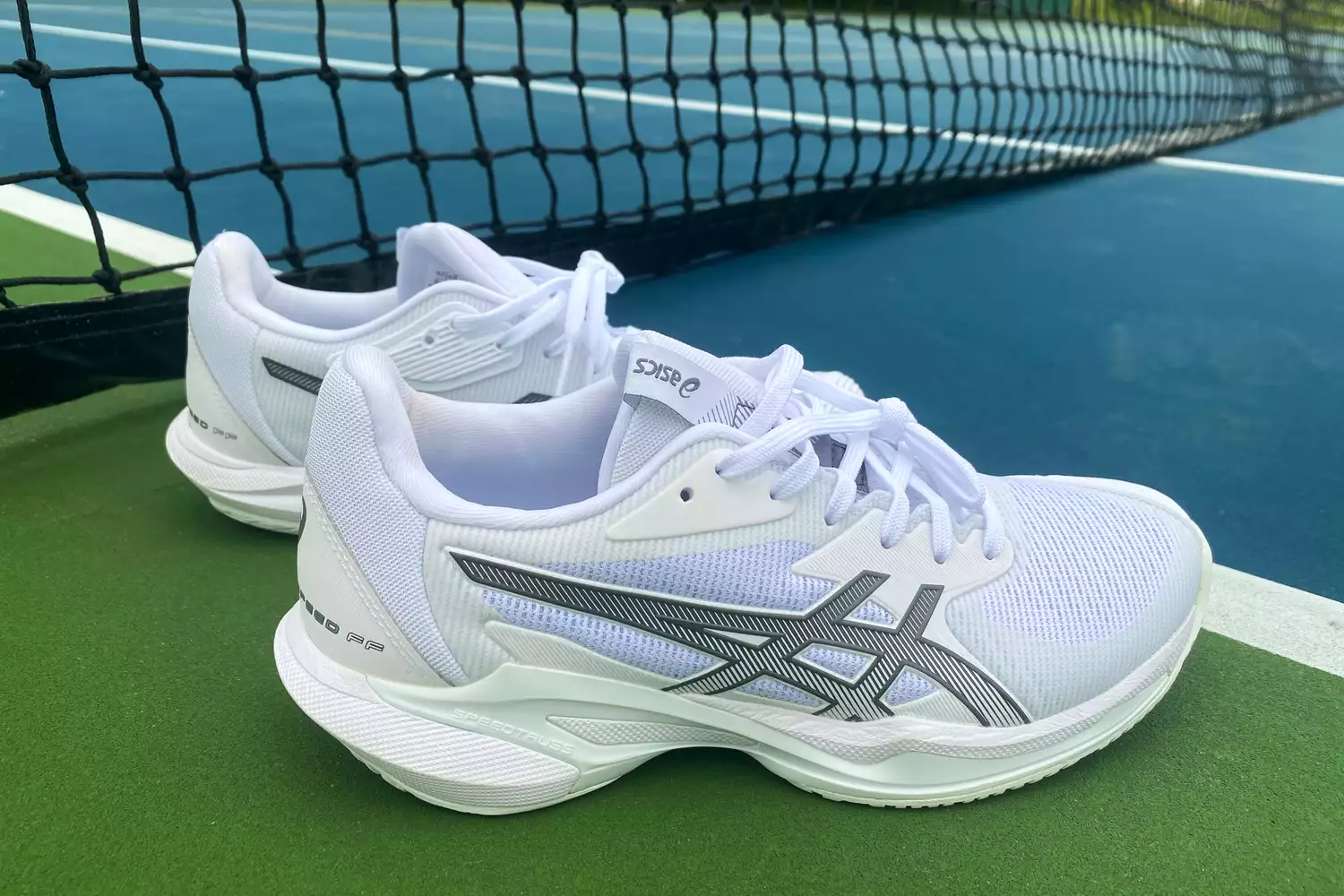
- Best for Speed: ASICS Solution Speed FF 3 — Extremely lightweight tennis footwear for agility that feels like a track spike built for the court.
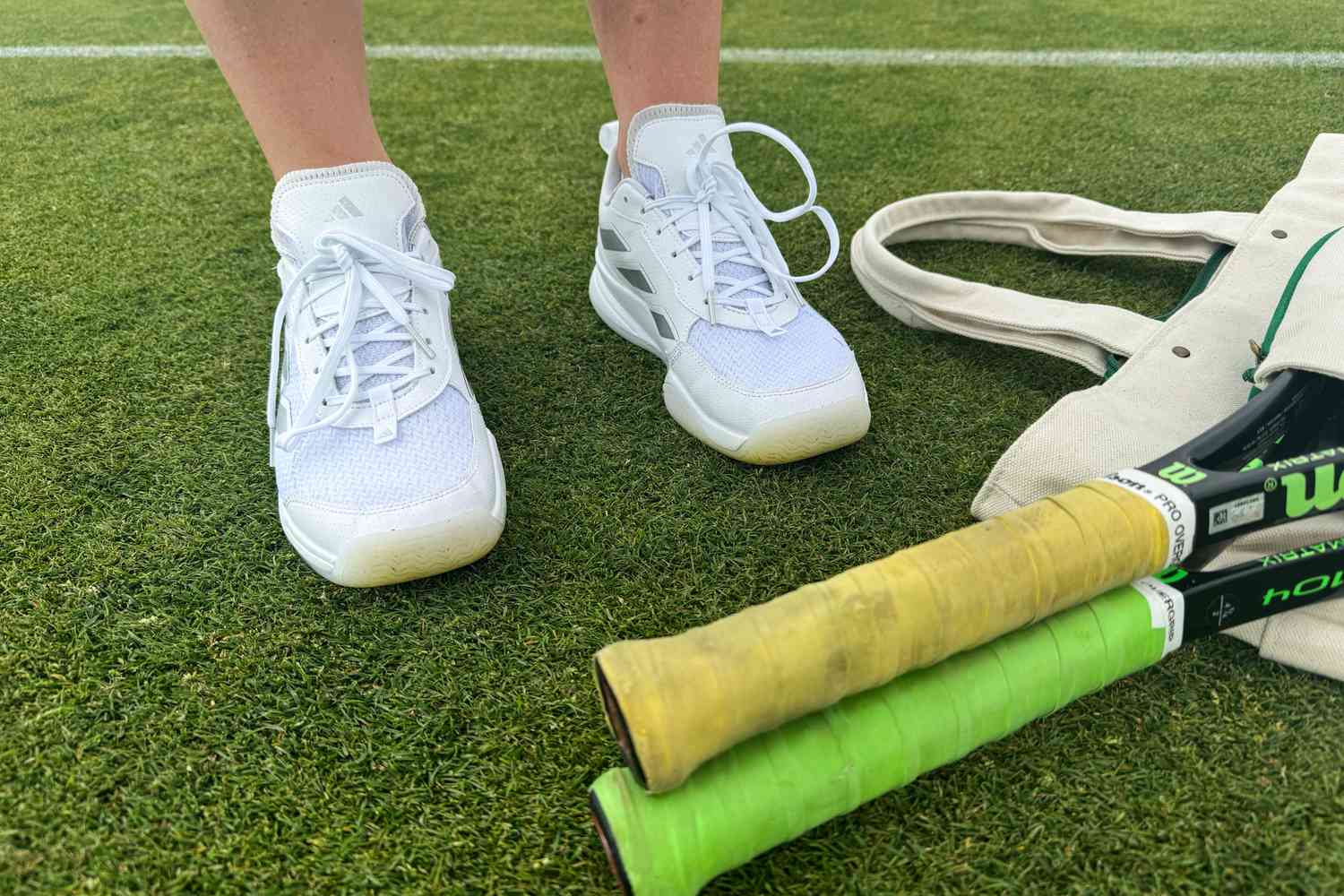
- Best for Stability: Adidas Barricade 13 — Featuring a Torsion System that provides elite-level midfoot support and prevents ankle rolls.
- Best for Wide Feet: New Balance Fresh Foam X Lav V2 — Offers a spacious toe box and soft cushioning without compromising court feel.
To ensure lateral stability, look for tennis shoes with reinforced sides, a sturdy heel counter, and a midfoot shank or plate. These features minimize torsional twisting and stabilize the foot during aggressive side-to-side movements. Unlike running shoes, which are built for forward motion, specialized tennis footwear sits lower to the ground to provide the necessary support for sudden stops and quick pivots. Choosing the best women's tennis shoes requires a balance of lateral stability and lightweight agility to prevent injury and improve court coverage.
Top 5 Performance Comparison
| Shoe Model | Weight (Size 8) | Best For | Outsole | Price Range |
|---|---|---|---|---|
| ASICS Gel Resolution 9 | 12.3 oz | Stability | Hard Court / Clay | $$$ |
| ASICS Solution Speed FF 3 | 9.9 oz | Speed | All-Court | $$$ |
| Adidas Barricade 13 | 11.8 oz | Support | Hard Court | $$$ |
| Nike Vapor 11 | 11.2 oz | Aggressive Movers | Hard Court | $$$ |
| New Balance Lav V2 | 12.1 oz | Comfort | All-Court | $$$ |
The Biomechanics of Speed: Why Tennis Shoes Are Different
When you step onto a tennis court, you are not just running; you are engaging in a series of explosive, high-impact movements that the human body isn't naturally optimized for on flat surfaces. The women's tennis shoe market is projected to grow at a compound annual growth rate of 6.22% through 2031, a trend fueled by a 25.6% increase in global tennis participation that reached 106 million players in 2024. This growth has led to significant advancements in shoe engineering.
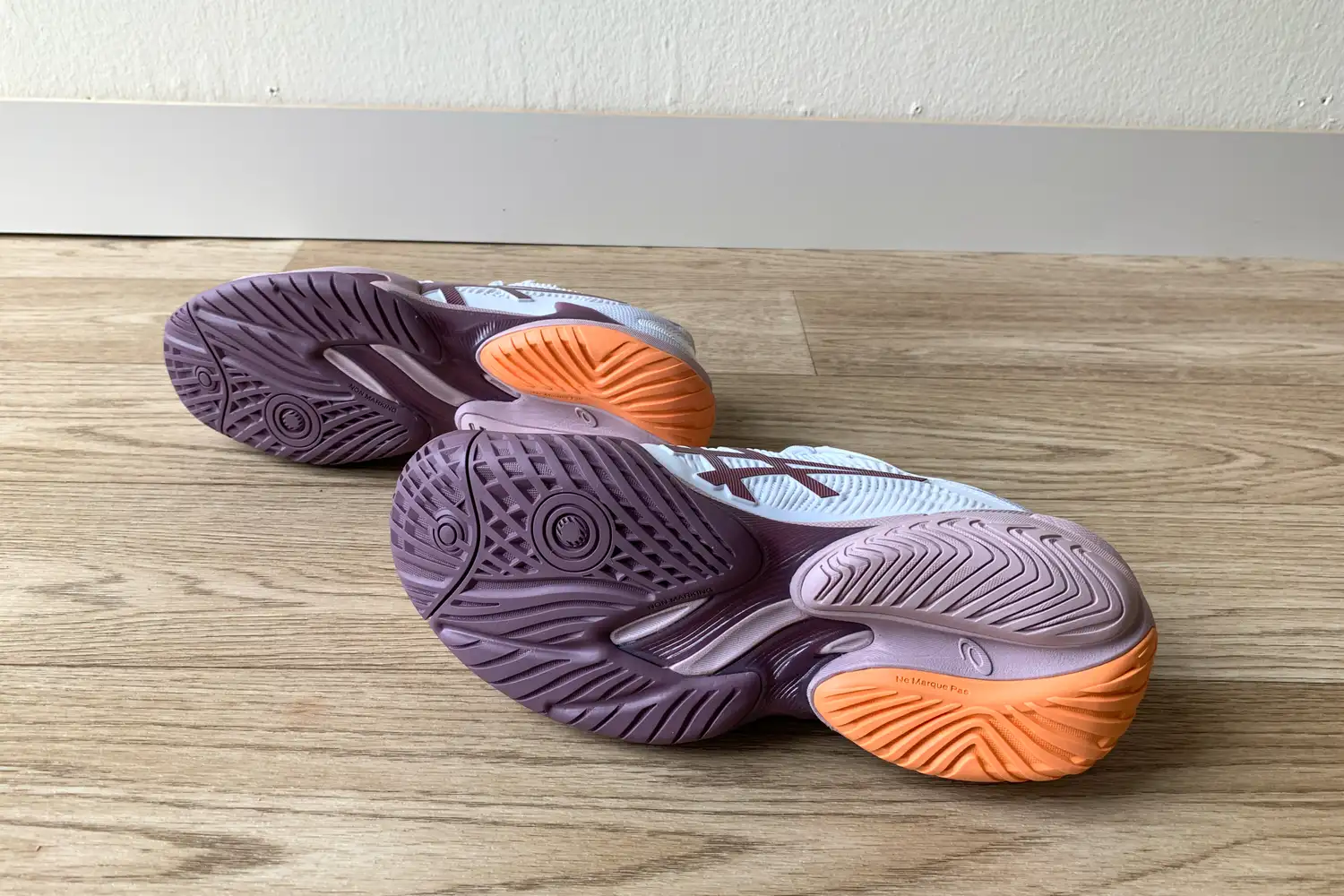
Unlike running shoes, which feature high stack heights for forward momentum and linear shock absorption, tennis shoes are designed with a low-profile design. This brings your foot closer to the court, lowering your center of gravity and reducing the risk of ankle rolls during sudden pivots. A specialized multidirectional tread is also essential, providing the necessary grip to stop on a dime and the flexibility to change direction instantly. Without this specific traction, the joint impact on your knees and ankles can be devastating over time.
Court surface significantly influences shoe choice: hard courts require durable rubber outsoles and high-impact cushioning, while clay courts need specific tread patterns that allow for controlled sliding without collecting debris. Grass court shoes feature low-profile treads to provide grip on slick surfaces. Players should also consider their style, as baseline players often require more cushioning for lateral moves, while serve-and-volley players benefit from lightweight, flexible designs. Hard court models, which feature specialized outsoles for high-impact lateral movement and durability, accounted for approximately 51% of the global tennis shoe market share in 2024.
Best Women's Tennis Shoes for Maximum Lateral Stability
For the baseline player who grinds out long rallies from the back of the court, stability is the most critical factor. These players need high-performance tennis shoes for women's ankle support that can withstand the friction of hard-court sliding.
ASICS Gel Resolution 9
The Gel Resolution series is the gold standard for tennis shoes for lateral stability. The latest version features Dynawall technology, which acts as a brace for the midfoot, ensuring the foot stays locked in during extreme side-to-side movements.
- Technical Specs:
- Weight: 12.3 oz
- Key Tech: Dynawall, FlyteFoam, Rearfoot Gel
- Surface: Hard Court / Clay versions available
- Pros: Elite lateral support; incredibly durable outsole; superior heel lock.
- Cons: Heavier than speed models; requires a brief break-in period.
- Who This Is For: Baseline grinders who prioritize security and durability over weight.
Adidas Barricade 13
The Barricade is legendary for its torsional rigidity. It utilizes a TPU midfoot shank that prevents the shoe from twisting when you land awkwardly after a wide shot. The asymmetrical lacing system also helps in providing a custom-like fit that keeps the foot from sliding inside the shoe.
- Technical Specs:
- Weight: 11.8 oz
- Key Tech: Torsion System, Repetitor midsole, Geofit Sensepods
- Surface: Hard Court
- Pros: Exceptional stability; great energy return from the midsole; protective toe drag zone.
- Cons: The high collar may irritate some players' ankles; snug fit.
- Who This Is For: Competitive players who need a stiff, stable platform for aggressive movement.
Babolat Propulse Fury 3
Babolat collaborated with Michelin to create an outsole that offers incredible grip and longevity. The Propulse Fury 3 is built with a power belt that wraps around the midfoot, providing a locked-in sensation that is essential for high-performance tennis shoes for women's ankle support.
- Technical Specs:
- Weight: 12.5 oz
- Key Tech: Power Belt, KPRS-X cushioning, Michelin Rubber
- Surface: All-Court
- Pros: Highly durable; excellent for players who drag their feet; supportive heel counter.
- Cons: One of the heaviest shoes on the list; bulky aesthetic.
- Who This Is For: Players who go through shoes quickly and need maximum structural integrity.
Best Lightweight Tennis Shoes for Speed and Agility
If your game relies on getting to the net quickly or tracking down drop shots, you need lightweight tennis footwear for agility. These models prioritize a low weight (typically under 11 ounces) and high energy return to keep you feeling fast on your feet.
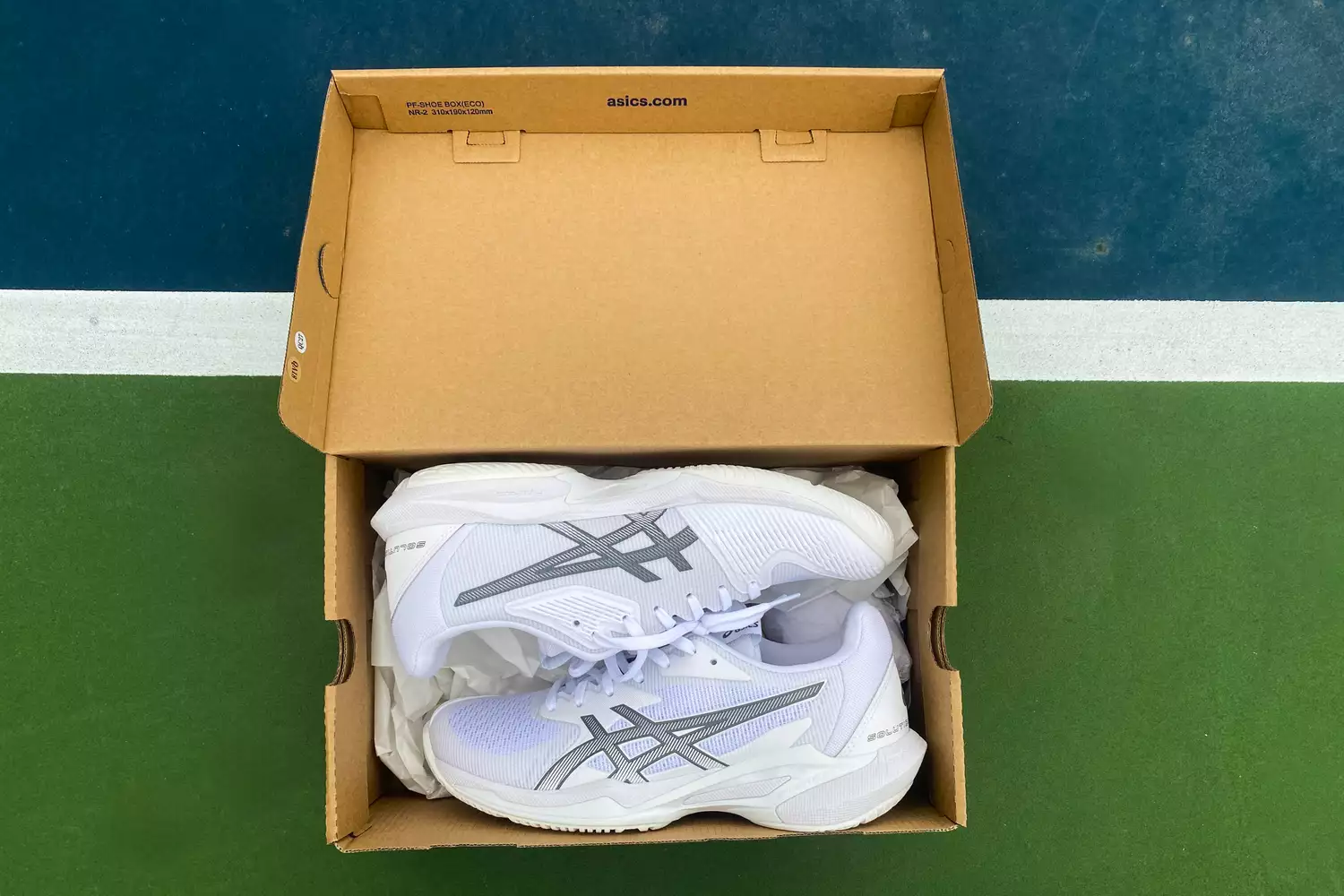
ASICS Solution Speed FF 3
This is the ultimate lightweight tennis shoes for women's speed and agility. It uses a Speedtruss system that improves flexibility while providing just enough stability to prevent injury. The breathable mesh upper ensures your feet stay cool during intense three-set matches.
- Technical Specs:
- Weight: 9.9 oz
- Key Tech: Speedtruss, Precision-Sole, FlyteFoam
- Surface: All-Court
- Pros: Lightest high-performance shoe available; zero break-in time; excellent energy return.
- Cons: Not as durable as the Gel Resolution; less support for extreme lateral lunges.
- Who This Is For: Serve-and-volley specialists and players who rely on raw speed.
Nike Court Air Zoom Vapor 11
The Vapor 11 is designed for a low-to-the-ground feel. It features a Zoom Air unit in the forefoot for an explosive first step. While it is built for speed, the molded sidewall provides surprising lateral reinforcement for a shoe this light.
- Technical Specs:
- Weight: 11.2 oz
- Key Tech: Zoom Air, TPU Sidewall, Breathable Mesh
- Surface: Hard Court
- Pros: Sleek design; very responsive; great court feel.
- Cons: Durability in the toe area is average; narrow fit.
- Who This Is For: Fast-moving players who want a minimal, athletic feel.
Wilson Kaos Swift 1.5
The Kaos Swift is all about the "natural" feel. It is highly flexible, allowing for quick transitions from a stationary position to a full sprint. It features a dual-chassis design that enhances natural foot movement while maintaining a stable base.
- Technical Specs:
- Weight: 10.4 oz
- Key Tech: Kaos Chassis, Endofit, Duralast
- Surface: All-Court
- Pros: Very flexible; comfortable out of the box; unique athletic aesthetic.
- Cons: Minimal cushioning; not ideal for players with foot pain.
- Who This Is For: Aggressive movers who want a shoe that moves with them.
Best Options for Wide Feet and Specific Comfort Needs
Finding women's court shoes for wide feet can be a challenge, as many performance models are built narrow for a "glove-like" fit. However, brands like New Balance and K-Swiss specialize in providing a women's tennis shoes with wide toe box for comfort.
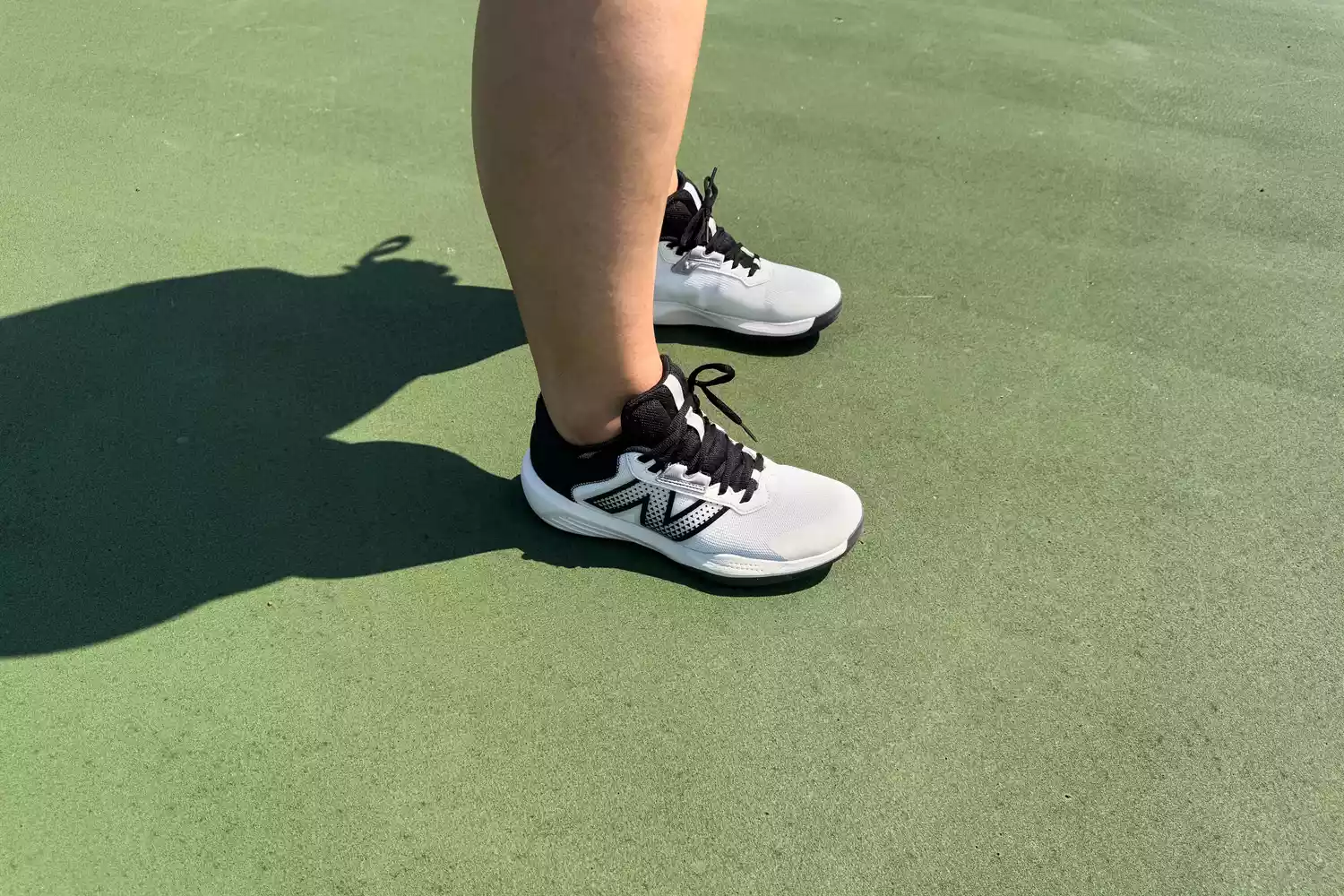
New Balance Fresh Foam X Lav V2
The Lav V2 is a comfort-first shoe that doesn't skimp on performance. It uses New Balance’s signature Fresh Foam X for comfortable tennis shoes for women with responsive cushioning. It is one of the few high-end shoes available in multiple widths (B and D).
- Technical Specs:
- Weight: 12.1 oz
- Key Tech: Fresh Foam X, NDure upper, FitWeave
- Surface: All-Court
- Pros: Plush cushioning; available in wide widths; great for high arches.
- Cons: Can feel a bit "mushy" for players who prefer a firm court feel.
- Who This Is For: Players who struggle with foot fatigue or have wider foot shapes.
K-Swiss Hypercourt Express 2
K-Swiss is known for its generous fit. The Hypercourt Express 2 is widely regarded as one of the best women's tennis shoes for club players because it is comfortable immediately. It features a wide toe box and synthetic leather overlays for added support.
- Technical Specs:
- Weight: 11.6 oz
- Key Tech: Surgelite, Ortholite liner, Dragguard
- Surface: Hard Court / Clay
- Pros: Extremely comfortable; easy to put on; great for wide feet.
- Cons: Not the most stable for high-level competitive play; outsole wears faster than premium models.
- Who This Is For: Recreational players who value comfort above all else.
Durable Picks for Hard Court and Clay Surface Specialists
Different surfaces demand different outsole technologies. If you play on clay, you need a herringbone tread to manage the slide. On hard courts, you need durable hard court tennis shoes for women that can survive the abrasive surface.
ASICS Court FF 3
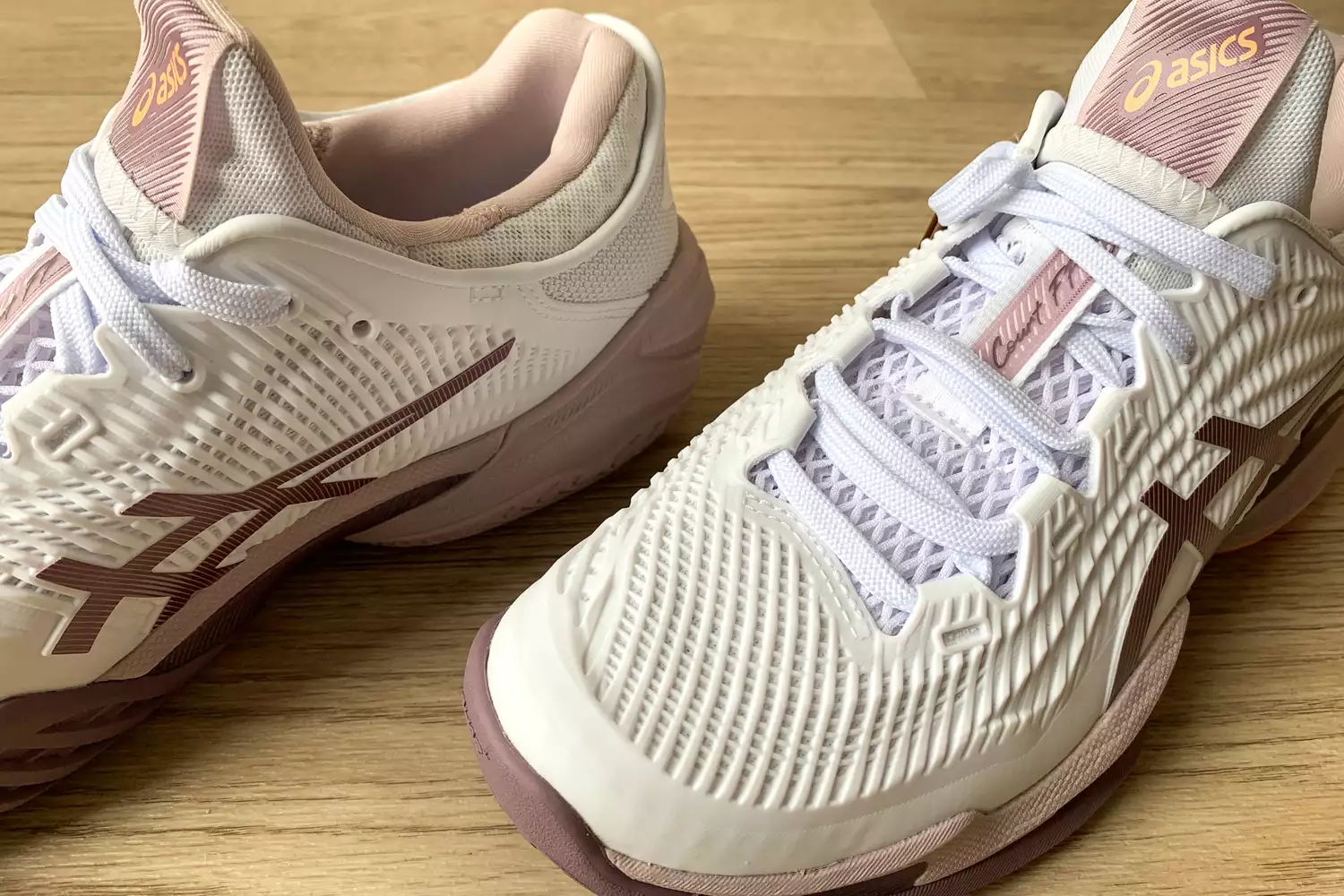
Designed in collaboration with Novak Djokovic, the Court FF 3 is a hybrid of a speed shoe and a stability shoe. It features a mono-sock construction that provides a seamless fit, and its outsole is specifically designed for the high-impact stresses of modern hard-court tennis.
- Technical Specs:
- Weight: 11.5 oz
- Key Tech: FlyteFoam, Twisstruss, Mono-sock fit
- Surface: All-Court
- Pros: Perfect balance of speed and stability; incredible fit; great durability.
- Cons: Expensive; the mono-sock design can be difficult to put on initially.
- Who This Is For: High-level athletes who play daily on hard courts.
Head Revolt Pro 4.5
The Revolt Pro is built for longevity. It features the Head Hybrasion+ rubber compound, which is designed specifically to resist wear on rough hard courts. It also includes a specialized lockdown strap system to keep the foot stable.
- Technical Specs:
- Weight: 12.8 oz
- Key Tech: T-Kore 360, Hybrasion+, Drift Defense
- Surface: All-Court
- Pros: Most durable outsole in its class; very stable; great protection for toe draggers.
- Cons: Very heavy; can feel stiff.
- Who This Is For: Hard court specialists who are tired of wearing through their soles.
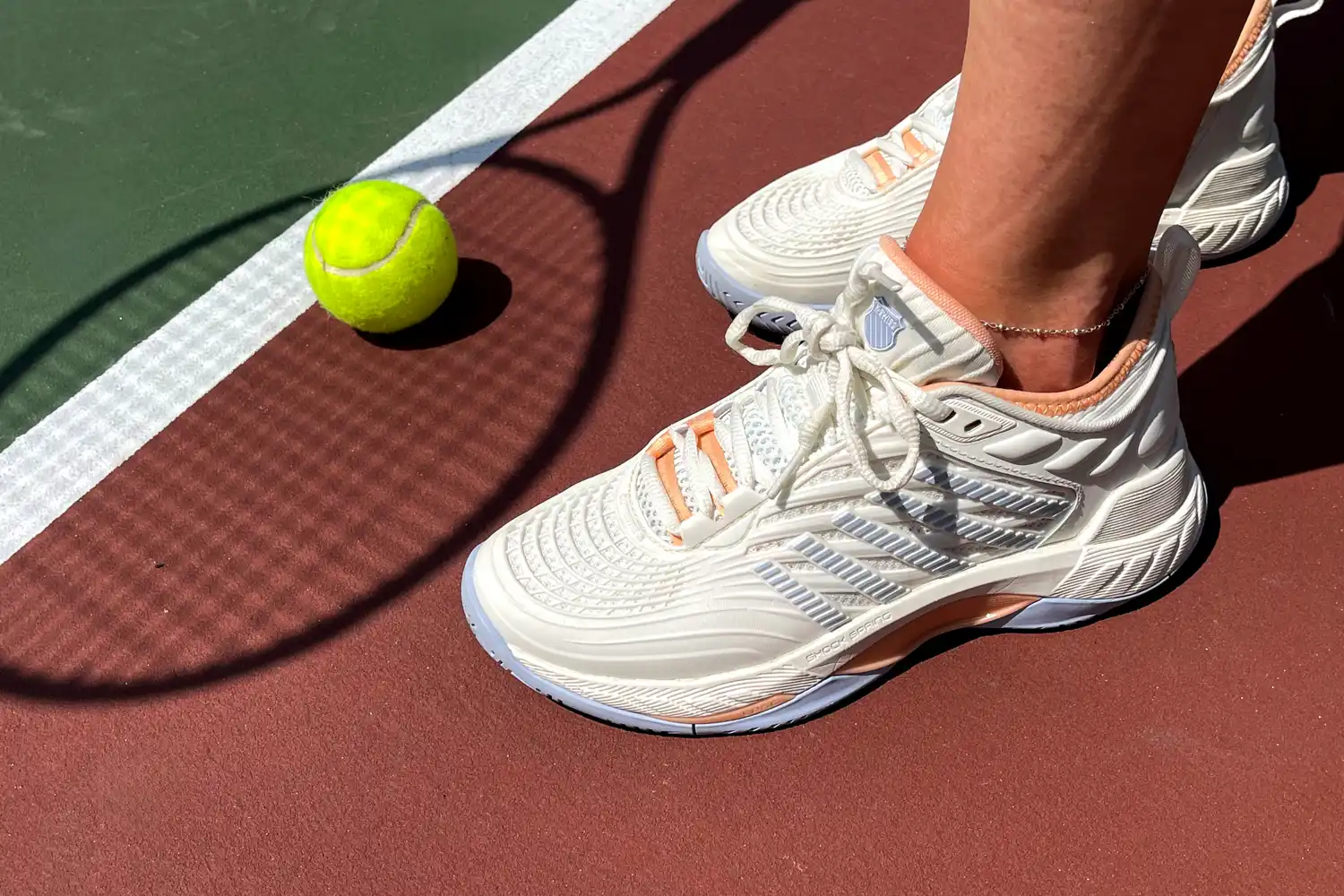
Buying Guide: The 'Squish Test' and Fit Check
Choosing the best women's tennis shoes is only half the battle; knowing when to replace them is equally important for injury prevention. Tennis shoes should generally be replaced every six to twelve months depending on frequency of play. Weekly recreational players can typically wait a year, while those playing multiple times a week or competitively may need new pairs every six months.
To determine if your shoes are still providing adequate support, use the squish test. Press your thumb into the midsole (the foam between the upper and the outsole). If the foam feels brittle or doesn't compress and rebound, the shock absorption properties are gone. Monitor for other key signs of wear such as thinning outsoles, loss of midsole responsiveness, or visible degradation of the upper materials, as worn shoes increase the risk of ankle rolls and joint strain.
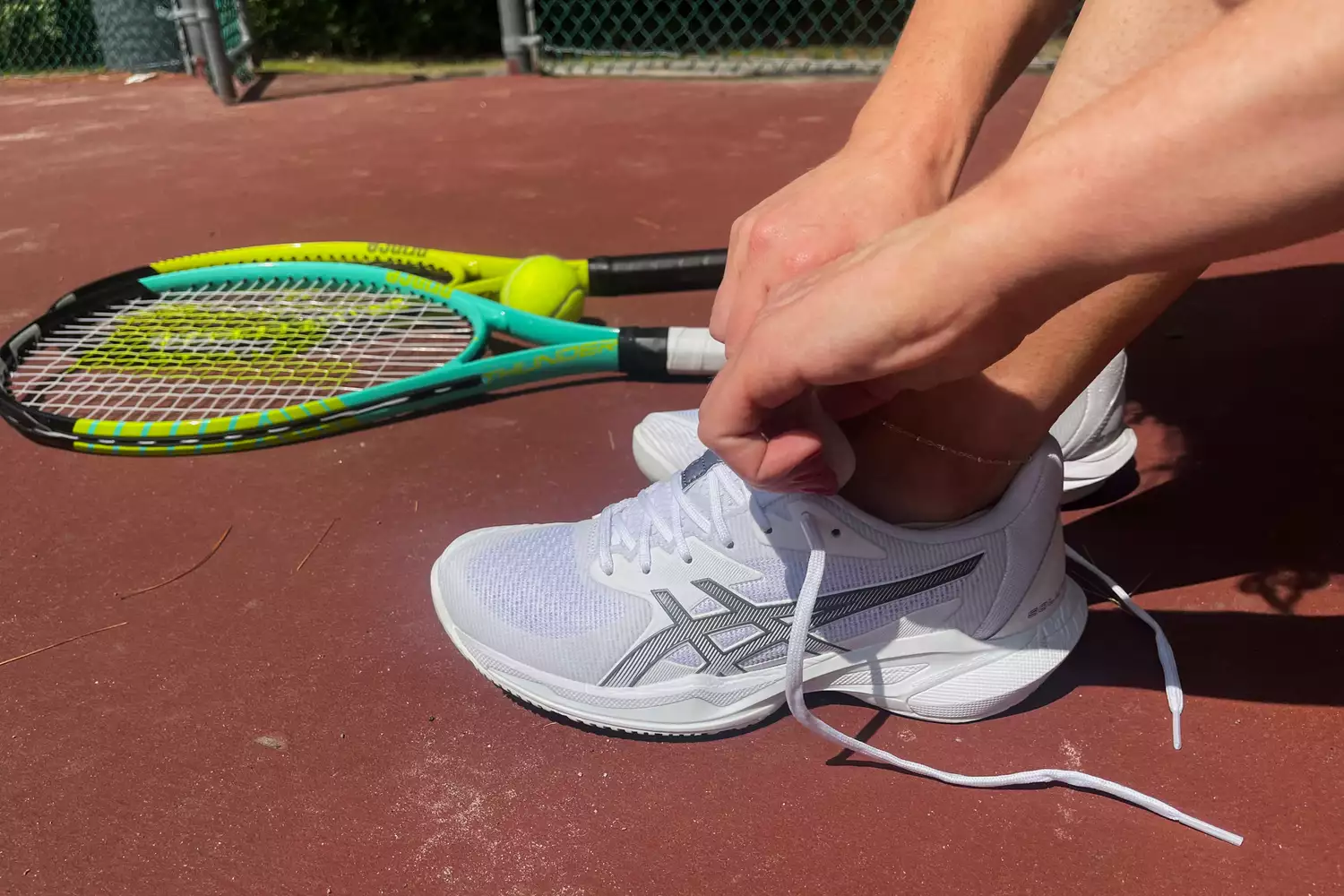
When trying on new shoes, remember the half-inch toe gap rule. There should be about a thumb's width of space between your longest toe and the end of the shoe. This prevents "tennis toe," a painful bruising of the nails caused by the foot sliding forward during sudden stops. Additionally, ensure the heel counter is rigid enough to lock your heel in place, which is vital for preventing the foot from lifting during sprints. For beginner women's tennis shoes for better footwork, focus on models that feel stable rather than just soft.
FAQ
How do I choose the best tennis shoes for my foot type?
Start by determining your arch height. If you have flat feet, look for stability shoes with firm midfoot support and a TPU shank. If you have high arches, prioritize shoes with responsive cushioning like New Balance Fresh Foam to absorb shock. Always ensure there is a wide enough toe box to prevent pinching, especially if you have a wider forefoot.
Can I wear running shoes for playing tennis?
It is not recommended. Running shoes are designed for forward-only motion and have high midsoles that make you prone to rolling your ankle during the lateral movements of tennis. They also lack the reinforced upper and durable outsoles required for the friction of a tennis court, meaning they will wear out in weeks rather than months.
What is the difference between hard court and clay court shoes?
The primary difference is the tread. Hard court shoes have a more varied tread pattern designed for grip and durability on abrasive surfaces. Clay court shoes feature a full herringbone (zigzag) tread that allows you to slide predictably and prevents clay from clogging the bottom of the shoe. Some "all-court" shoes attempt to bridge the gap but are generally better on hard courts.
How should tennis shoes fit to prevent injury?
Your shoes should feel snug but not restrictive. The heel should be locked firmly in place with no lifting. You should have roughly a half-inch of space in the toe box to accommodate the foot sliding forward during stops. A proper fit check includes ensuring the laces can be tightened sufficiently to provide ankle support without cutting off circulation.
How long do women's tennis shoes typically last?
For most recreational players, a pair lasts between six months and a year. If you play more than three times a week at a high intensity, you may need to replace them every three to four months. Once the outsole tread is smooth or the midsole feels hard and "dead," the shoe can no longer protect your joints from impact.
Conclusion
Selecting the best women's tennis shoes is a personal journey that depends on your playing style and court surface. Whether you need the rock-solid stability of the ASICS Gel Resolution 9 for baseline battles or the lightning speed of the ASICS Solution Speed FF 3 for net rushes, the right footwear is your most important piece of equipment. Investing in shoes that offer energy return and specialized lateral support will not only improve your game but also extend your time on the court by keeping you injury-free.