Quick Facts
- Primary Goal: Improve movement quality, durability, and work capacity through movement patterns that mirror daily life.
- Training Frequency: Aim for 2 to 3 sessions per week, lasting 30 to 60 minutes to allow for maximum intensity and adequate recovery.
- Key Rep Ranges: Use 1 to 6 reps for building pure strength and performance; utilize 8 to 15 reps for maintenance or hypertrophy.
- Protein Benchmark: Highly active lifters should aim for up to 1.2g of protein per pound of body weight to support muscle repair.
- Recommended Gear: Use Nike MetCons for foot stability during heavy lifts and the Oura Ring for precise recovery tracking.
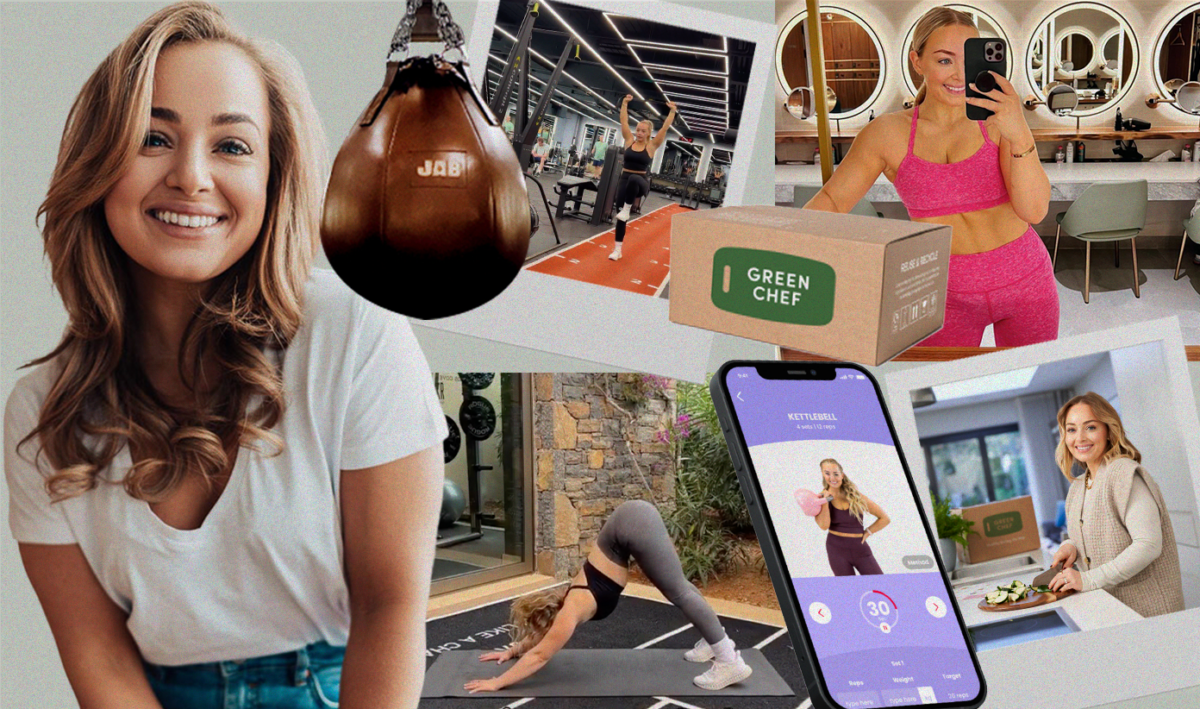
- Essential Tool: Use the Give Me Strength app by Alice Liveing for structured, science-backed programming.
Functional strength training focuses on improving movement quality, durability, and work capacity rather than just aesthetic appearance. It involves a mix of compound barbell movements, unilateral work, and tempo control to build a body that is capable and resilient for daily life. Unlike traditional bodybuilding, the emphasis is placed on skill-based milestones, injury resilience, and long-term training longevity.
The Shift: Moving Past Aesthetics to Performance
Alice Liveing is leading a fitness revolution in 2026, shifting the focus from 'abs as advertising' to functional strength training that empowers daily life. By moving past aesthetics, lifters are finding sustainable health habits and performance goals beyond weight loss that build lasting injury resilience and strength.
For many years, the fitness industry, particularly for women, was dominated by a "shred" culture. Alice Liveing herself has been open about her personal evolution, moving from a period of body image obsession to a lifestyle centered around skill-based milestones. This transition is not just a personal one; it reflects a massive global trend. Following the COVID-19 pandemic, market data showed a notable shift in fitness priorities, with gym members citing aesthetics as their primary goal decreasing from 63% to 44%, while health-focused objectives rose to 53%.
Learning how to transition from aesthetic to functional fitness requires a significant mindset shift toward body neutrality. Instead of viewing the body as an object to be sculpted for others to see, we begin to view it as a vehicle for experience. When your primary motivation moves from "how do I look?" to "can I perform my first pull-up?" or "can I lift this heavy box without back pain?", you cultivate a much more resilient relationship with exercise. These performance goals beyond weight loss for lifters are what create training longevity.
The Training Blueprint: Building a Resilient Body
To build a body that lasts, we must move away from isolated muscle movements (like bicep curls) and toward integrated, compound lifts. This is the heart of a functional strength training workout plan for women. Functional training isn't just about moving; it is about moving well under load. The global functional fitness market, which prioritizes movements that translate to real-life activities over purely visual results, was valued at approximately $17 billion in 2025 and is projected to reach $28 billion by 2033.
The "New Rules" of 2026 prioritize three main pillars: compound lifts, unilateral training, and tempo control. Compound movements, such as the squat, deadlift, and overhead press, recruit multiple joints and muscle groups, providing the most "bang for your buck" in terms of metabolic demand and strength gains. Unilateral work—exercises like lunges or single-arm rows—is equally vital as it corrects muscle imbalances and enhances core stability.
| What Matters | What Doesn't |
|---|---|
| Movement Quality: Mastering the form of a squat before adding heavy weight. | Rep Count Only: Doing 100 poor-quality reps just for the sake of volume. |
| Skill Milestones: Progressing toward a first push-up or a deadlift PR. | Mirror Metrics: Focusing solely on muscle definition or vein visibility. |
| Work Capacity: Being able to play with your kids or hike without fatigue. | Calorie Burn: Using a workout only as a tool to "cancel out" food. |
| Consistency: Training 3 times a week, every week, for a year. | Intensity Bursts: Doing a 30-day "shred" and then quitting for a month. |
For those looking for a functional strength training for beginners guide, the key is to focus on the 1 to 6 rep range for your heavy compound movements. This range targets the central nervous system to increase force production without necessarily causing the extreme muscle swelling associated with higher reps. By prioritizing injury resilience, you ensure that you can stay in the gym for decades, not just weeks.

Performance-Based Nutrition: Fueling the Work
In the world of women's wellness, we have spent too long talking about eating "less." In 2026, the conversation has finally shifted to fueling the body to meet training demands. A performance-based nutrition guide is not about restriction; it is about providing the building blocks for muscle repair and hormone health.
When we prioritize functional strength training, our nutritional needs change. We need adequate energy to sustain high-intensity efforts and prevent the "energy dips" that often lead to missed sessions. The following benchmarks are essential for active women:
- Protein Intention: Aim for 1.2g of protein per pound of body weight. For a 150lb woman, this is 180g of protein daily. This supports muscle protein synthesis and keeps you satiated.
- Carbohydrate Load: Do not fear carbs. For functional training, you typically need 2 to 5 grams of carbohydrates per pound of body weight. These are your primary fuel source for the brain and muscles.
- Healthy Fats: Prioritize 0.3 to 0.6 grams of fat per pound of body weight to support hormonal balance and vitamin absorption.
- Nutrient Timing: Aim to consume a mix of protein and carbohydrates within 60 minutes of your workout to kickstart the recovery process.
By adopting performance based nutrition for strength training, you move away from the "diet" mindset and toward a "fuel" mindset. This is one of the most important sustainable health habits you can develop. Proper fueling ensures that your hormones remain balanced—a critical factor for women’s bone health and long-term vitality.

Recovery as a Variable: The Minimum Effective Dose
One of the most profound changes in modern training is the realization that you don't get stronger in the gym; you get stronger while you sleep. Modern programming treats recovery routines for strength training as a non-negotiable variable, just like the weight on the bar.
Using tools like the Oura Ring allows us to see the data behind our fatigue. We can monitor heart rate variability (HRV) and sleep quality to determine if we are ready for a heavy session or if we need an active recovery day. This data-driven approach helps us find the minimum effective dose—the smallest amount of training required to see progress without causing burnout or injury.
Essential components of recovery routines for high intensity strength training include:
- Deload Cycles: Every 6 to 8 weeks, reduce your training volume and intensity by 30-50%. This allows your joints and nervous system to fully recover.
- Sleep Hygiene: Aim for 7 to 9 hours of quality sleep. This is when the majority of growth hormone is released.
- Active Recovery: On rest days, engage in low-intensity movement like walking or swimming to increase blood flow to recovering muscles.
By treating rest as a sign of discipline rather than a sign of weakness, you ensure that you are building a body that is truly durable and resilient.

FAQ
What is functional strength training?
Functional strength training is a type of exercise that focuses on movements that have a direct application to real-world activities. Instead of isolating specific muscles to change how they look, it emphasizes multi-joint movements—like pushing, pulling, squatting, and hinging—to improve how the body moves and performs as a whole.
Is functional training better than traditional weightlifting?
Neither is inherently better, but they serve different purposes. Traditional weightlifting or bodybuilding often focuses on aesthetics and muscle size. Functional training is designed to improve daily movement quality, reduce the risk of injury, and increase the body's overall durability and work capacity.
What are the benefits of functional strength training?
The primary benefits include improved posture, enhanced joint stability, increased bone density, and better coordination. It also builds a higher level of "useful" strength that makes daily tasks—from carrying groceries to playing sports—much easier and safer.
Can you build muscle with functional training?
Yes, absolutely. While the primary focus is on movement quality and performance, the use of compound lifts under heavy loads naturally leads to muscle growth (hypertrophy). Because these movements recruit more muscle groups simultaneously, they often provide a very efficient way to build a lean, strong physique.
How often should you do functional strength training?
For most people, 2 to 3 sessions per week provide the optimal balance between stimulus and recovery. Because functional movements often involve the entire body and the central nervous system, consistency over a long period is more effective than high-frequency training that leads to overtraining.
The journey toward functional mastery is one of the most rewarding paths a woman can take for her health. When you stop fighting against your body and start training it to be capable, the entire experience of fitness changes. Whether you are using the Give Me Strength app to track your lifts or the Oura ring to monitor your rest, remember that the ultimate goal is training longevity. Focus on the skill, fuel the work, and respect the recovery.