Our Top Picks
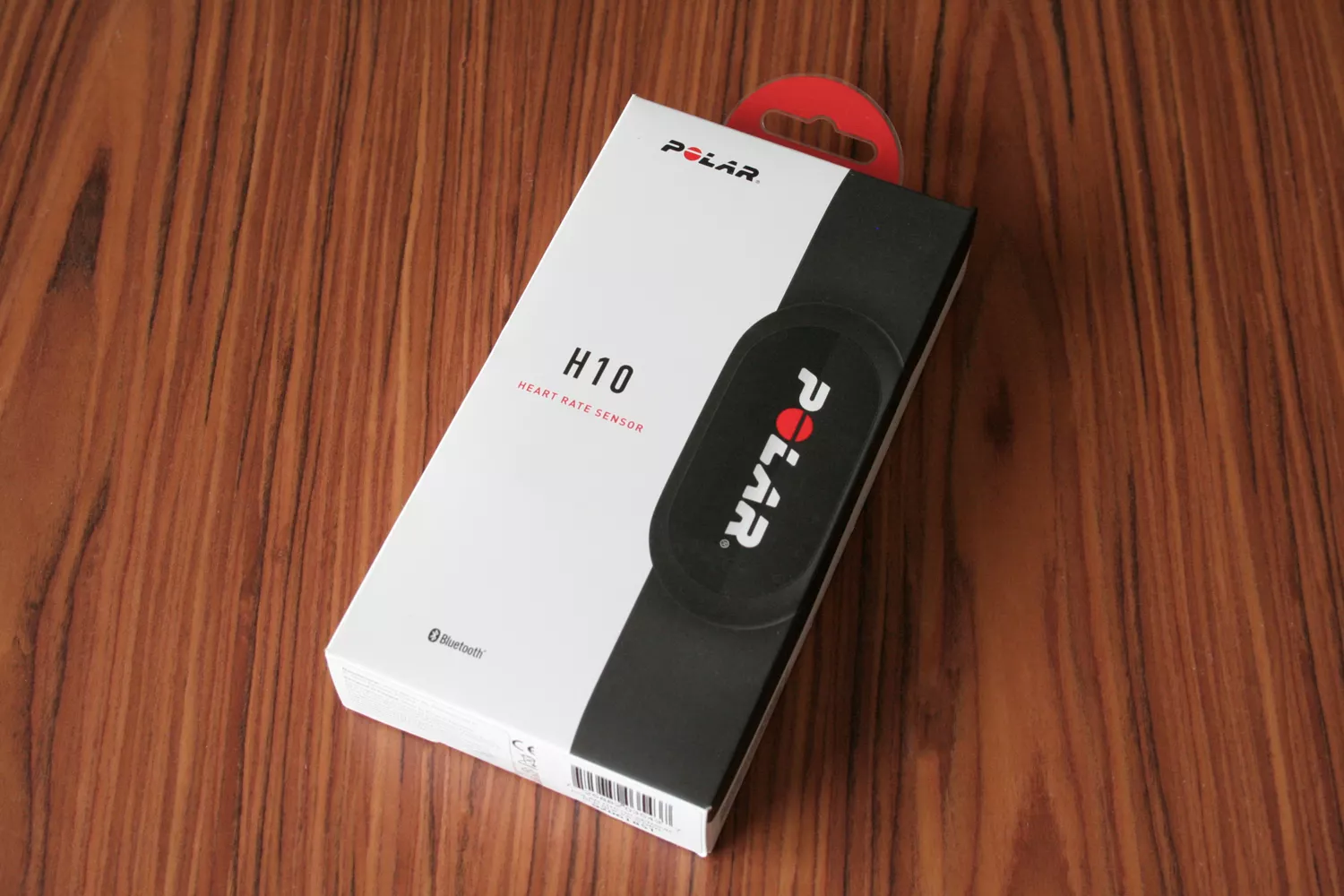
- Best Overall for Accuracy: Polar H10 — The industry benchmark for gold-standard ECG precision and dual-channel Bluetooth connectivity.
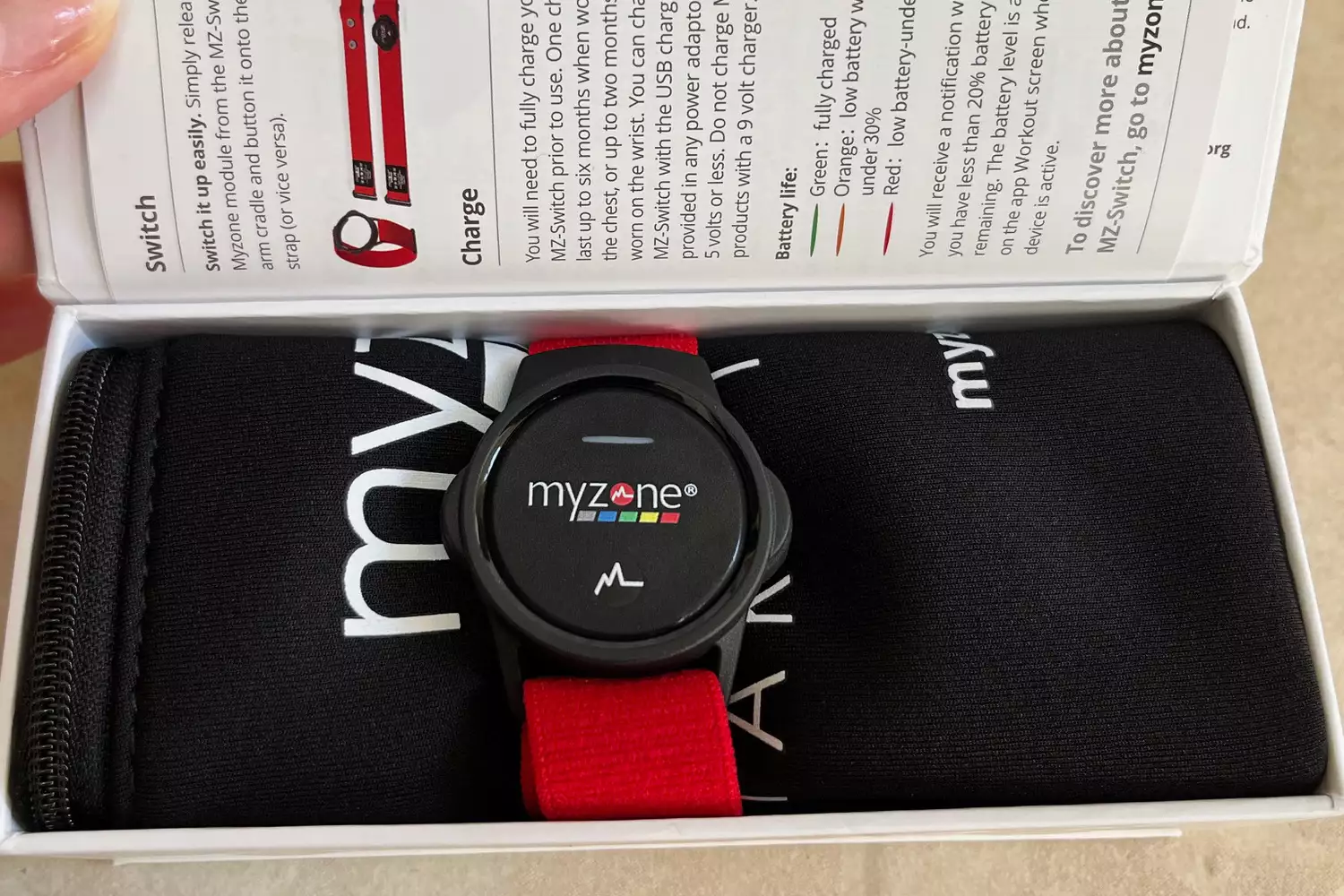
- Best for Versatility: Myzone MZ-Switch — A unique hybrid that allows for chest, wrist, or arm placement depending on your workout intensity.
- Best for Swimmers: Garmin HRM-Swim — Designed specifically for the pool with a non-slip strap and offline data synchronization.
- Best Budget Option: CooSpo H9Z — Offers reliable chest-based tracking and long battery life at a fraction of the cost of premium brands.
Chest strap monitors generally provide higher accuracy than wrist-based sensors because they use electrocardiography to detect electrical signals directly from the heart. While wrist and armband monitors typically use photoplethysmography to measure blood flow through optical sensors, they can be less reliable during high-intensity workouts or rapid heart rate shifts. For serious athletes, selecting the best heart rate monitors means prioritizing the sensing technology that matches your specific training environment and performance goals.
The Science of Accuracy: Chest Strap vs Wrist Heart Rate Monitor
In sports science, we distinguish between two primary ways of measuring your pulse: electrical and optical. Chest straps utilize Electrocardiography (ECG), which captures the actual electrical impulses of your heart. In contrast, wrist-based devices utilize Photoplethysmography (PPG), using light to detect volume changes in blood vessels.
When we look at the heart rate monitor accuracy comparison, the data is clear. Clinical studies have shown that the Polar H7 chest strap achieves a 98% accuracy correlation with gold-standard ECG readings during exercise. Compare this to the Apple Watch III, which reaches 96%. While 96% sounds high, that 2% to 4% variance often occurs during the most critical moments—High-Intensity Interval Training (HIIT) or rapid sprints where your heart rate spikes and drops quickly.
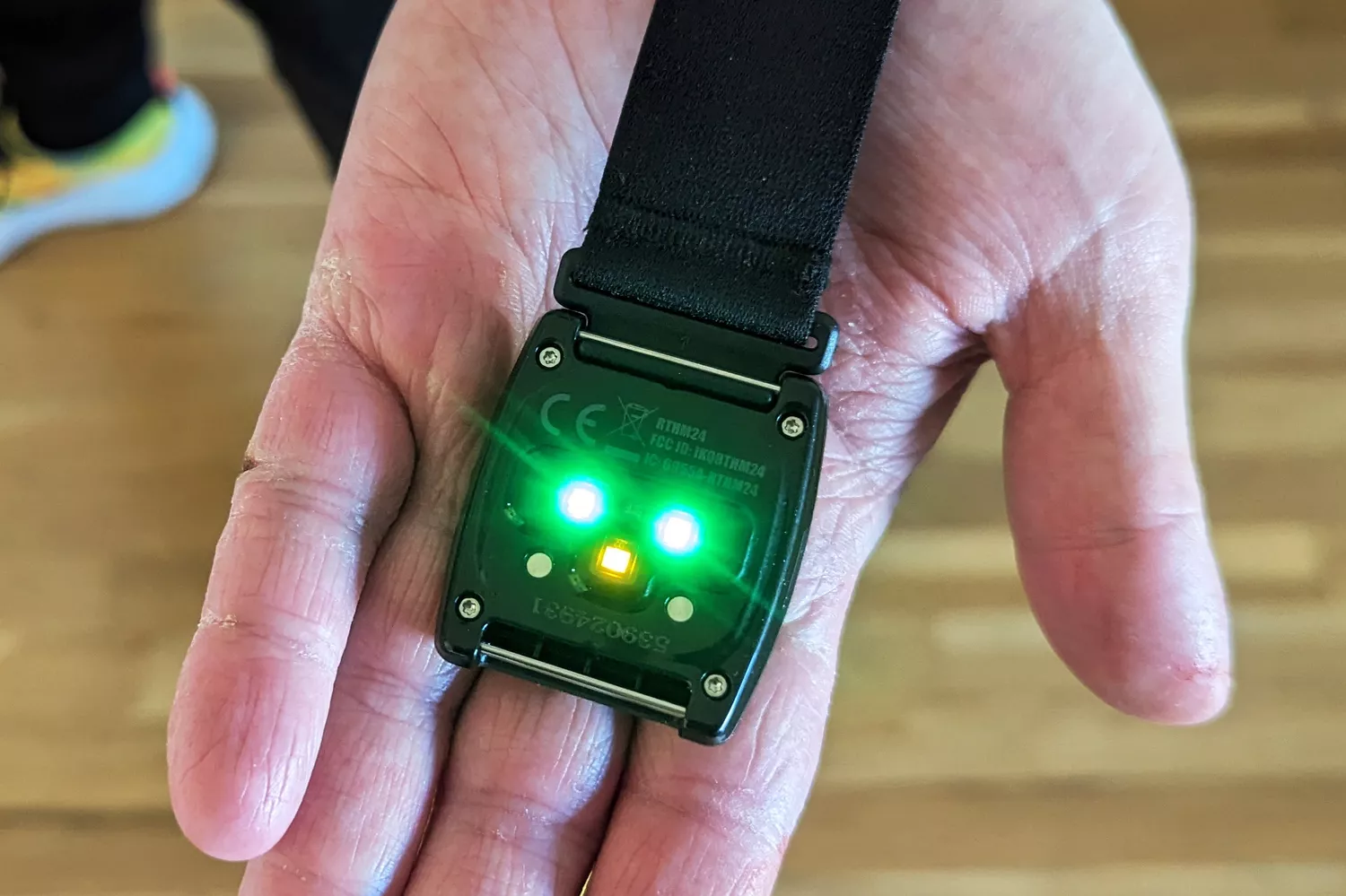
Another issue specific to wrist units is cadence lock. This happens when the optical sensor confuses the rhythmic swinging of your arm or the vibration of your footfalls with your actual heartbeats. This is why the best chest strap heart rate monitors for accuracy remain the preferred choice for professional athletes and those focused on strict zone training. Furthermore, PPG sensors can be affected by external factors like skin tone, tattoos, or even cold weather, which restricts blood flow to the skin's surface. By contrast, a chest strap maintains constant skin contact and is less affected by these variables.
The choice between a chest strap vs wrist heart rate monitor often comes down to the Biometric Sensors required for your specific protocol. If you are performing a steady-state recovery walk, a wrist sensor is sufficient. If you are testing your Aerobic Threshold or performing Olympic lifts, the electrical signal of a chest strap is non-negotiable for reliable Performance Analytics.
Top-Rated Models for Performance and Value
As the global fitness tracker market expands—valued at approximately $60.96 billion in 2024—the variety of hardware available to the consumer has never been better. However, more options can lead to more confusion. In my testing, the following models represent the pinnacle of current technology for 2026.
Polar H10: The Gold Standard
The Polar H10 is frequently cited in peer-reviewed research for its precision. It features internal memory for one training session, allowing for phone-free exercise.
- Pros: Incredible 400-hour battery life, waterproof, and supports multiple simultaneous Bluetooth connections.
- Cons: The strap requires regular rinsing to prevent salt buildup from sweat.
Wahoo Trackr: Seamless Integration
For those who live in the Wahoo ecosystem or use Peloton, the Wahoo Trackr is a standout. It utilizes Bluetooth Low Energy (BLE) and ANT+ to sync with almost any smart device or gym equipment.
- Pros: Slim sensor profile, excellent heart rate monitors compatible with peloton and smartwatches.
- Cons: Lacks the deep Heart Rate Variability (HRV) analysis found in some dedicated recovery tools.
CooSpo H9Z: Best for Budget-Conscious Athletes
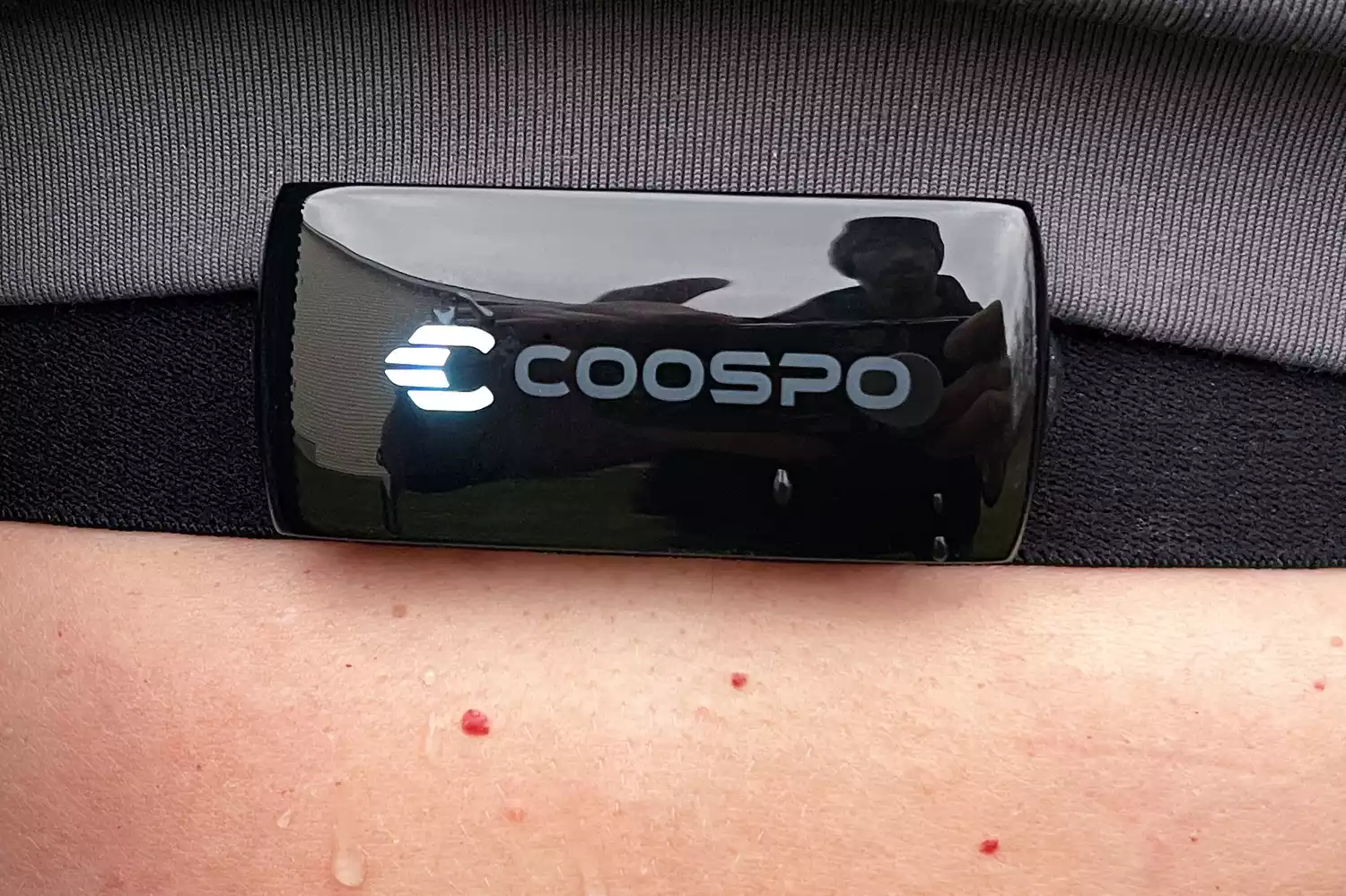
If you are looking for budget-friendly heart rate monitors for cardio tracking, the CooSpo H9Z delivers surprisingly stable results. It may lack the advanced VO2 Max estimations of high-end units, but for raw heart rate data, it holds its own.
- Pros: Very affordable, rechargeable battery, and simple LED zone indicators.
- Cons: The elastic strap is not as durable as premium brands and may need replacement sooner.
When evaluating these models, consider the Battery Endurance. A monitor that dies mid-workout is useless. The transition to rechargeable lithium-ion batteries in models like the H9Z is a welcome change from the traditional coin-cell batteries, though some purists still prefer the year-long life of a CR2032 cell.
Best Waterproof Heart Rate Monitors for Swimming and Triathlons
Swimming presents a unique challenge for heart rate tracking. Water interferes with Bluetooth and ANT+ signals, meaning real-time transmission to a watch on your wrist is often impossible while your arm is submerged. This is why heart rate monitors with onboard memory for phone-free exercise are essential for aquatic athletes.
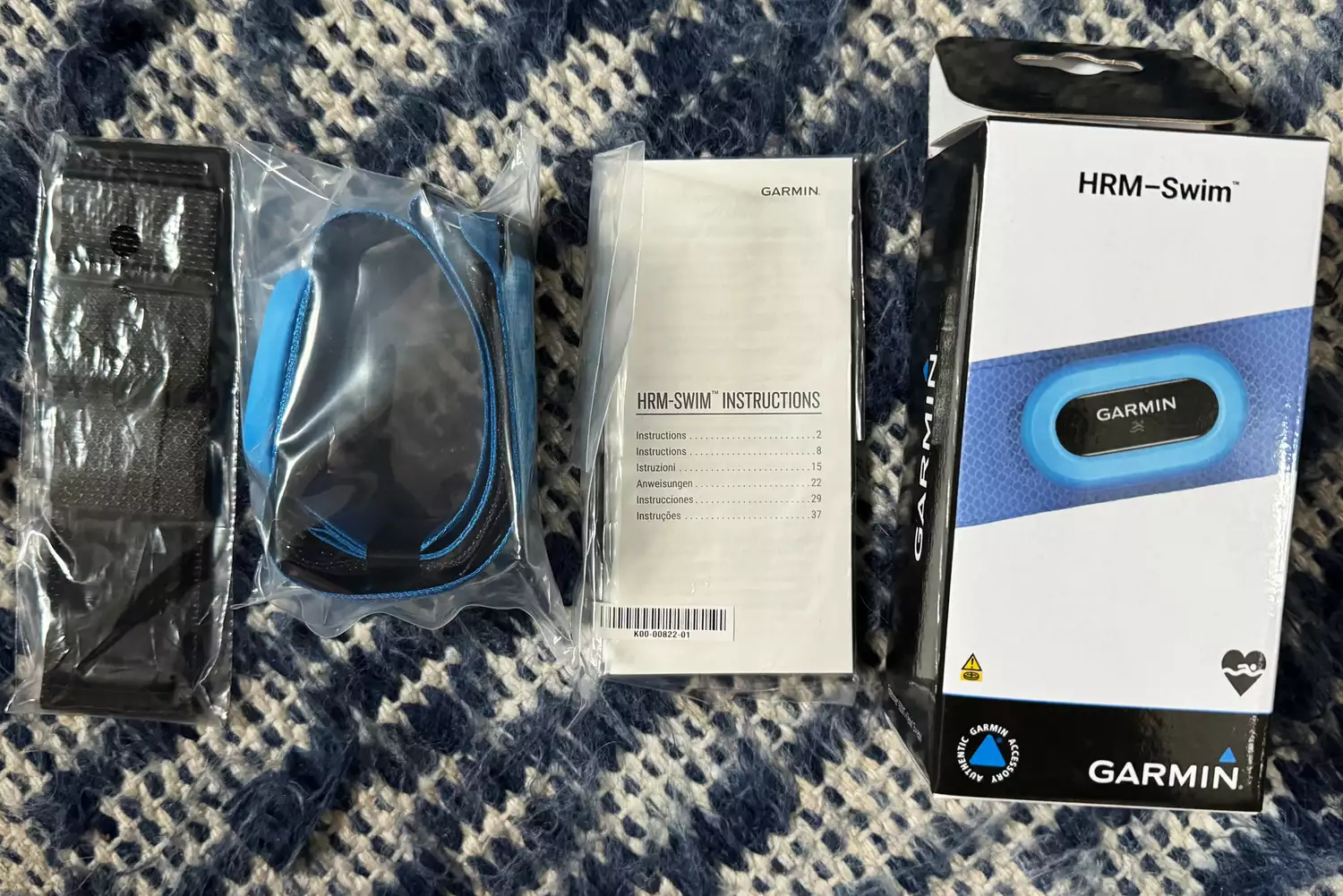
The Garmin HRM-Swim is specifically engineered for this environment. Unlike standard chest straps that might slide down your torso during a forceful wall push-off, the HRM-Swim features a wider, high-friction strap that stays put. It records your data while you swim and syncs it to your Garmin device once you exit the water.
For triathletes who need waterproof heart rate monitors for swimming and triathlons that transition from the pool to the bike, the Myzone MZ-Switch is an excellent alternative. It allows you to use a wrist strap for the swim (where a chest strap might be uncomfortable under a wetsuit) and then switch to the chest for the run to maximize accuracy.
Another innovation in this space is the FORM Smart Swim 2 Goggles. These goggles use a temple-based PPG sensor to provide real-time heart rate metrics directly in your field of vision. This removes the need to look at your wrist during a lap, which can disrupt your stroke and lower your overall performance. Having immediate access to your Recovery Heart Rate during rest intervals allows for much tighter control over your training intensity.
Buying Guide: How to Choose a Heart Rate Monitor for Zone Training
To get the most out of your cardiovascular workouts, you shouldn't just be "working hard"—you should be working at the right intensity. Fitness experts recommend that individuals maintain a target heart rate of 70% to 85% of their maximum heart rate to maximize the effectiveness of cardiovascular workouts and avoid overtraining.
Understanding how to choose a heart rate monitor for zone training begins with establishing your baseline. While the traditional "220 minus age" formula is common, many coaches now prefer the revised HR Max formula: 208 - (0.7 x age). Once you have your maximum heart rate, your monitor becomes a dashboard for your session.
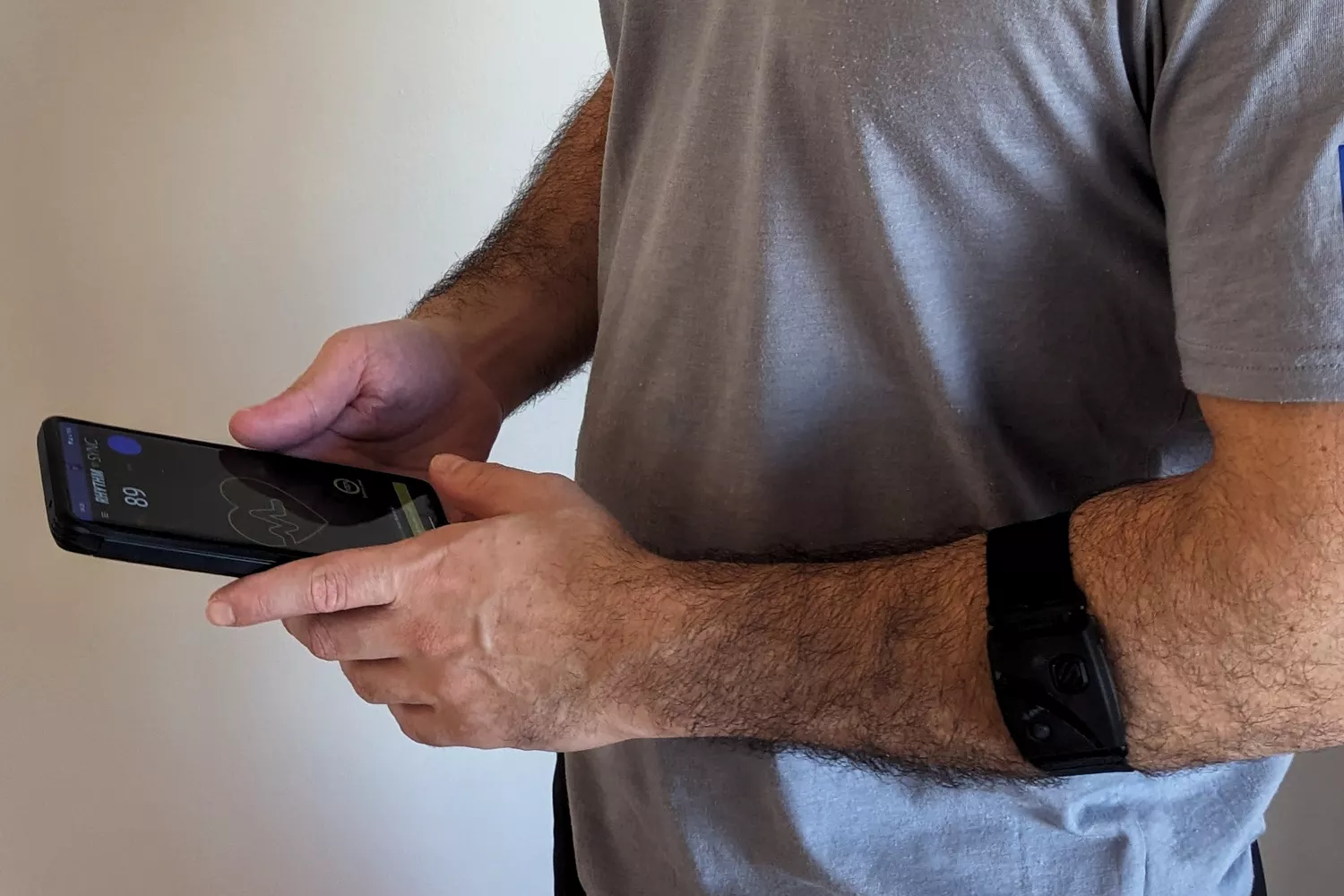
When shopping, look for these three pillars of performance:
- Connectivity: Ensure the device supports both Bluetooth and ANT+. This ensures you can connect to your bike computer, your phone, and the treadmill at the gym simultaneously.
- Form Factor: Chest straps are superior for HIIT and heavy lifting where arm muscles flex and distort optical readings. Armbands (placed on the forearm or bicep) are a great middle-ground for those who find chest straps restrictive.
- Data Depth: Advanced users should look for Heart Rate Variability (HRV) capabilities. HRV is a measure of the variation in time between each heartbeat and is a powerful indicator of your nervous system's recovery status.
Finally, don't forget maintenance. The elastic part of your chest strap will lose its conductivity over time as skin oils and salt accumulate. Most manufacturers recommend replacing the strap every 6-12 months while keeping the plastic sensor module. Consistent cleaning and ensuring a snug, comfortable fit are vital for maintaining the skin contact necessary for data precision.
FAQ
What is the most accurate heart rate monitor for exercise?
The most accurate heart rate monitors for exercise are chest straps that use electrocardiography (ECG) technology. Models like the Polar H10 are considered the gold standard because they measure the electrical activity of the heart directly, providing a 98% correlation with clinical equipment.
Are chest strap heart rate monitors better than wrist-based ones?
In terms of raw data integrity, yes. Chest straps are better for high-intensity training, lifting, and intervals because they are not prone to cadence lock or interference from arm movements. However, wrist-based monitors are often more comfortable for all-day tracking and low-intensity steady-state cardio.
How do I choose the right heart rate monitor for my fitness level?
Beginners may find a wrist-based smartwatch or armband sufficient for general health tracking. If you are an athlete focused on zone training, HIIT, or specific performance goals, you should invest in a chest strap to ensure you are training at the correct percentage of your maximum heart rate.
Can heart rate monitors detect irregular heartbeats?
Some high-end heart rate monitors and smartwatches are equipped with software to detect signs of atrial fibrillation (AFib) or irregular rhythms. However, these are fitness devices, not medical-grade diagnostic tools. If you suspect a heart issue, you should always consult a medical professional for a clinical ECG.
Do heart rate monitors work without a smartphone connection?
Many modern monitors, such as the Polar H10 and Garmin HRM-Pro, feature onboard memory. This allows you to record a workout without having your phone nearby. Once you finish your session, the device will sync the saved data to your training app via Bluetooth.
What is the difference between optical and electrical heart rate sensors?
Electrical sensors (ECG) found in chest straps measure the electrical pulses that trigger your heart to beat. Optical sensors (PPG) found in wristbands use light to track the volume of blood moving through your capillaries. Electrical sensors are generally faster to respond to heart rate changes and more accurate during vigorous movement.