Quick Facts
- Beginner Load: Start with approximately 10% of your total body weight to ensure joint safety.
- Pace Standard: Aim for the U.S. Army standard of 15 minutes per mile.
- Calorie Burn: Expect to burn 400-500 kcal per hour for a 170-lb person carrying a 25-lb load.
- Progression Limit: Increase your pack weight by no more than 5 lbs every two to three weeks.
- Footwear Priority: Focus on stability and a wide toe box rather than fashion to prevent injury.
- Primary Muscle Groups: Engages the legs, core, and the entire posterior chain for functional strength.
Rucking training involves walking at a brisk pace while carrying a weighted rucksack or backpack. Beginners should start with approximately 10% of their body weight, covering one to two miles on flat terrain. Focusing on proper posture—keeping the chest up and core engaged—ensures safety while developing cardiovascular endurance and posterior chain strength.
The Special Forces Standard: Why Rucking Training Works
In the world of tactical fitness, few exercises are as respected as the ruck march. It is the literal foundation of Special Forces selection. Whether you are looking at the Green Berets, Navy SEALs, or the 75th Ranger Regiment, the ability to move heavy loads over long distances is the non-negotiable price of entry. But rucking training is not just for the elite; it is a scientifically backed method for building a body that is as durable as it is strong.
The U.S. Army uses this as a primary metric for physical readiness. Many units require soldiers to complete a 12-mile ruck march with a minimum pack weight of 35 pounds in under three hours. This requires maintaining a consistent pace of 15 minutes per mile. To reach this level, you need more than just leg strength; you need metabolic conditioning and a specific type of mental grit that only comes from time under tension.
Rucking bridges the gap between pure cardio and strength training. While running primarily challenges your lungs, rucking forces your bones, tendons, and muscles to adapt to load carriage. This results in increased bone density and functional hypertrophy. Beyond the physical, it is a masterclass in rucking for mental toughness. When you are six miles into a trek with a heavy pack, your mind wants to quit long before your body does. Pushing through that "suck" is what builds real-world resilience.

Beginner Rucking Guide: Getting Started Safely
You do not need to head to a military surplus store and buy a heavy canvas pack to start. In fact, for those looking for a beginner rucking guide, the best advice is to start with what you have. A sturdy backpack can suffice for your first few outings, but as you progress, you will want gear designed specifically for the task.
The first thing to master is the best rucking posture for heavy loads. Most beginners make the mistake of leaning too far forward, which puts excessive strain on the lower back. Instead, keep your chest up and your shoulders back. Your core should be constantly engaged to stabilize the weight. Think of your spine as a pillar; the weight should be distributed through your hips, not hanging off your neck.
When considering how to choose a rucksack for beginners, look for three things: wide, padded shoulder straps; a reinforced bottom; and a dedicated compartment to keep the weight high and close to your back. If the weight shifts to the bottom of the bag, it will pull on your shoulders and throw off your center of gravity.
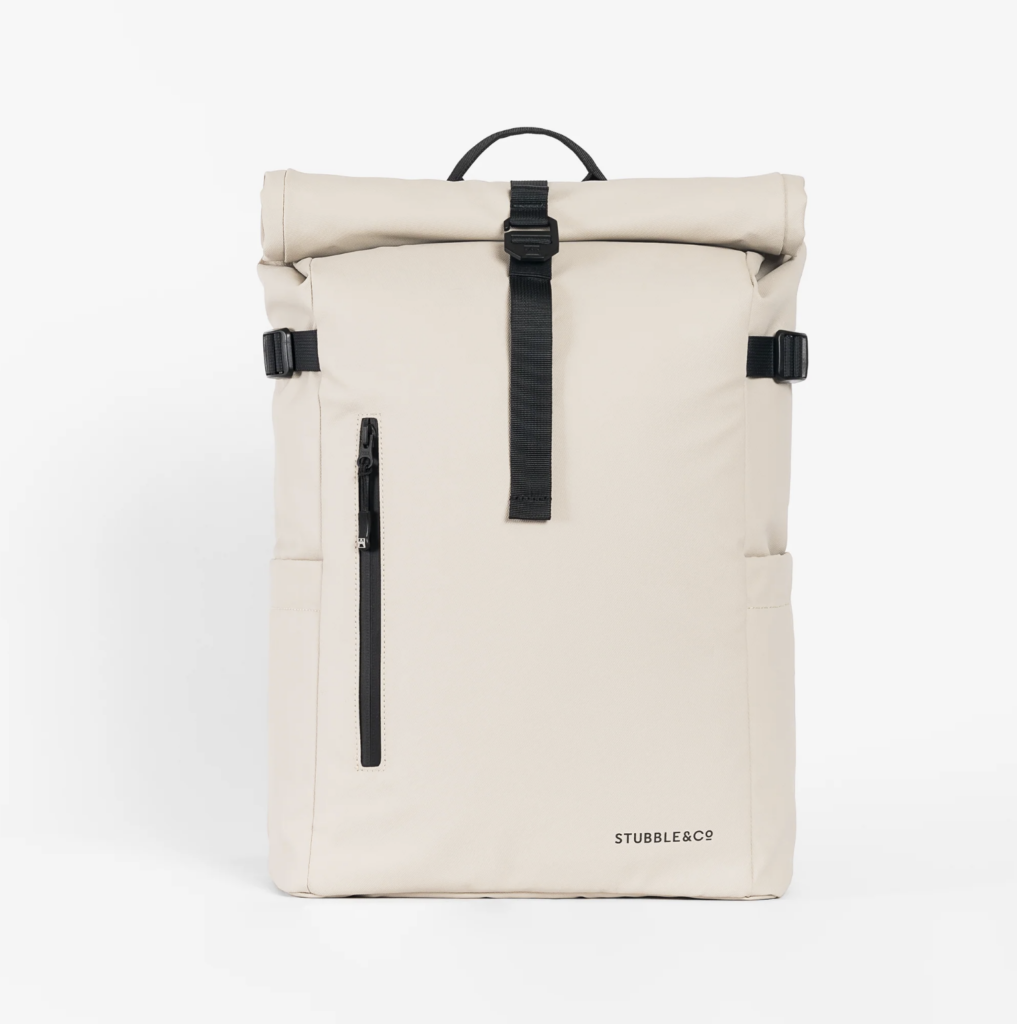
Hydration and foot care are the two "hidden" pillars of this discipline. Using hydration systems allows you to drink small amounts frequently without stopping, which is vital during intense metabolic conditioning. For your feet, blister prevention starts with high-quality socks—avoid cotton at all costs—and shoes that allow your toes to splay naturally under the extra weight.

| Gear Type | Examples | Pros | Cons |
|---|---|---|---|
| Household Gear | School backpack, dumbbells, water jugs | Zero cost, immediate start | Poor weight distribution, potential for gear failure |
| Professional Gear | GORUCK Rucker, specialized ruck plates | Built for load carriage, ergonomic, indestructible | Initial investment cost |

Rucking Weight Progression: The Science of Load Carriage
The most common injury in rucking training comes from doing too much, too soon. To avoid stress fractures or tendonitis, you must respect the science of load carriage. We use a simple rule: distance first, weight second.
In the early stages, focus on rucking weight progression for beginners by staying at 10% of your body weight until you can comfortably cover three to four miles at a 15-to-17-minute mile pace. Only once you have established that aerobic base should you start adding weight. The standard progression is to add 5 lbs every two to three weeks.
Physiologically, this is explained by the Pandolf Equation, which calculates the metabolic cost of carrying weight over different terrains. As you add weight, the energy demand on your body increases exponentially. This is why rucking vs running for fat loss is such a popular debate. While running has a higher peak intensity, rucking allows for a much longer duration of elevated heart rate with significantly less impact on the joints, making it an excellent tool for active recovery on non-lifting days.
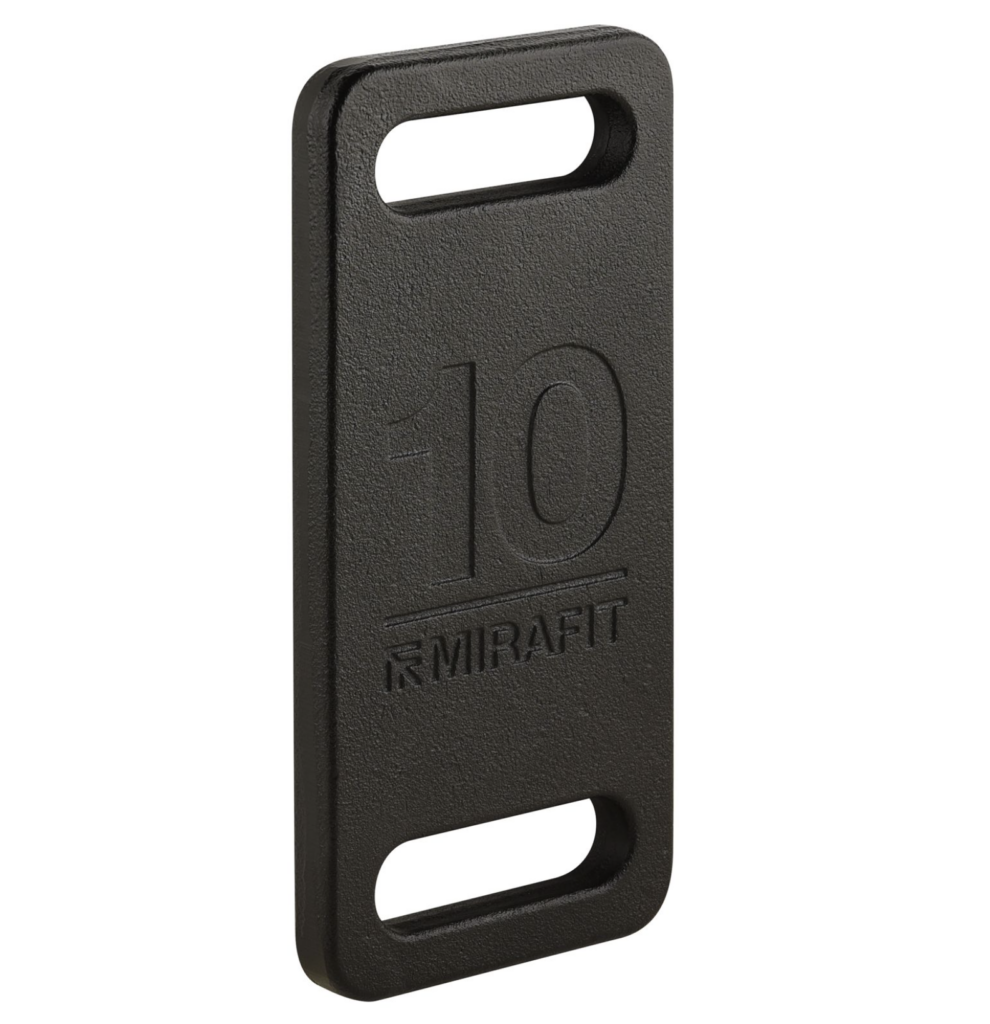
Using dedicated ruck plates is superior to using dumbbells or bricks. Bricks are bulky and shift around, whereas plates are flat and sit flush against your back. This stability allows you to maintain proper form as you fatigue.
Building a Rucking Training Plan for Resilience
To see results, you need a structured beginner rucking training plan. You cannot just throw on a pack once a month and expect your VO2 max to improve or your muscles to grow. You need consistency.
A major benefit of this training is its versatility. You can integrate it into "dead time"—those parts of the day that are usually unproductive. Need to walk the dog? Put on a pack. Heading to the grocery store? Ruck there. This turns mundane tasks into a training session for tactical fitness.
Sample 4-Week Resilience Plan
- Week 1: Two sessions. 1.5 miles each. Weight: 10% of body weight. Focus on posture and breathing.
- Week 2: Two sessions. 2.5 miles each. Weight: 10% of body weight. Aim for a 17-minute mile pace.
- Week 3: Three sessions. Session A & B: 2 miles. Session C: 3.5 miles. Weight: 10% of body weight.
- Week 4: Two sessions. 2 miles each. Weight: Increase by 5 lbs. This is your "step-up" week.
To support your rucking training, incorporate strength work that targets the posterior chain. Exercises like deadlifts, lunges, and planks are essential. A strong lower back and core act as a natural weight-lifting belt, protecting your spine as you increase the load.
FAQ
How do I start training for rucking?
Start by finding a comfortable backpack and adding a small amount of weight, such as 10% of your body weight. Begin with short distances of one to two miles on flat, even pavement. Focus on maintaining a brisk walking pace and keeping your back straight. Consistency is more important than intensity in the first month.
How much weight should a beginner use for rucking?
The general safety standard for a beginner is 10% of your total body weight. For example, if you weigh 180 lbs, your pack should weigh 18 lbs. This allows your connective tissues and joints to adapt to the new stress without the high risk of injury associated with jumping straight to heavy military-grade loads.
Is rucking better than running for fat loss?
Rucking is often considered better for long-term fat loss because it burns significantly more calories than walking—up to three times as many—while being much easier on the knees and ankles than running. It allows for longer sessions and can be performed as a form of zone 2 cardio, which is highly effective for oxidizing fat and improving metabolic health.
Is rucking training hard on your knees?
When done correctly with gradual progression, rucking is actually less stressful on the knees than running because it lacks the high-impact "flight phase." However, if you use too much weight too soon or have poor posture, it can strain the joints. Proper footwear and keeping the weight high on your back are key to protecting your knees.
What are the main benefits of rucking training?
The main benefits include improved cardiovascular endurance, increased bone density, and a stronger posterior chain. Beyond the physical, it is one of the best ways to build mental toughness and discipline. It is a functional exercise that prepares your body for real-world tasks like carrying heavy groceries, hiking, or emergency situations.
Build Your Grit
Resilience is not something you are born with; it is something you earn through consistent effort and time under load. By following special forces rucking training techniques, you are doing more than just burning calories. You are conditioning your mind to handle stress and your body to carry the weight of the world—quite literally.
Grab a pack, start with that 10% weight, and get outside. The path to Special Forces-level resilience starts with a single, weighted step.