Quick Facts
- Lightweight Benchmark (Men): Standard performance models should weigh under 9.0 oz (255g) to be classified as lightweight running shoes.
- Lightweight Benchmark (Women): To optimize speed training, female athletes should look for footwear under 7.5 oz (212g).
- The 1% Rule: Scientific data shows that every 100g of weight added per shoe increases metabolic energy cost by approximately 1%.
- Performance Gains: Reducing shoe weight by 150g can lead to a 2.4% improvement in sprint start performance.
- Durability Window: Most speed training footwear is designed for high performance over a lifespan of 300 to 500 miles.
- Energy Efficiency: Minimal weight directly correlates to faster leg turnover rate and reduced muscle fatigue during high-intensity sessions.
Reducing shoe weight lowers the energy expenditure required for each stride, directly improving oxygen consumption efficiency and reducing muscle fatigue. Even small reductions in weight can lead to faster leg turnover rates and shorter ground contact times, which are essential for achieving personal records during speed training and interval sessions.
The Physics of Pace: How Weight Dictates Efficiency
When we discuss athletic performance, we often focus on VO2 max or lactate threshold, but the physics of moving a limb shouldn't be overlooked. Every time you lift your leg during a stride, you are performing mechanical work against gravity and inertia. Because the shoe is at the end of a long lever—your leg—the energy cost of moving that mass is magnified compared to carrying that same weight on your waist.
Scientific studies have established that for every 100 grams of added mass per shoe, the metabolic energy cost of running increases by approximately 1%. This might seem negligible during a casual jog, but for an athlete pushing their anaerobic limit, it is the difference between hitting a target pace and falling off the back of the pack. Research conducted at the University of Colorado Boulder found that running performance in a 3,000-meter time trial slows by roughly 0.78% to 1% for every 100 grams added to each shoe.
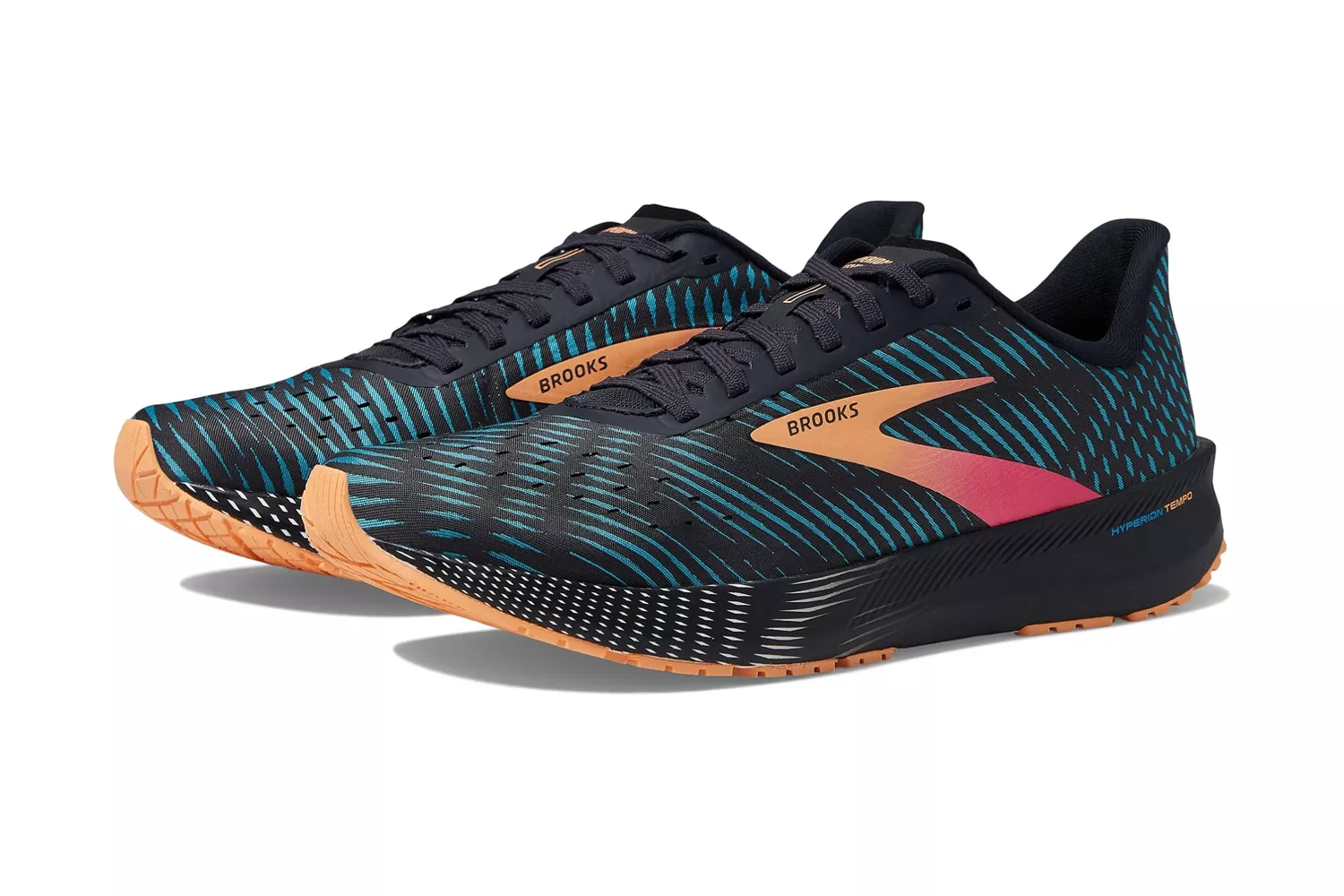
Muscle fatigue reduction is the secondary benefit of this efficiency. When your muscles don’t have to work as hard to swing the lower leg forward, they stay fresh longer. This allows for more consistent ground contact time throughout a workout. When running at speeds approaching maximal oxygen uptake, adding 100 grams of weight to each shoe can reduce an athlete's time to exhaustion by approximately 22%. By choosing lightweight running shoes, you effectively extend your high-performance window.
Biomechanical Advantages for Speed Training
Speed is fundamentally a product of stride length and stride frequency. In the world of elite track and field, we talk about the 25ms advantage—the tiny sliver of time saved when your foot leaves the ground faster. Heavy shoes create a "pendulum effect" that can drag down your cadence optimization. Conversely, shedding weight allows for a faster leg turnover rate.
Biomechanical data suggests that lightweight running shoes help increase ankle plantarflexion velocity. This means you can push off the ground with more snap and return your foot to the initial strike position more quickly. In a typical interval training sessions, where you might take thousands of steps, the cumulative effect of a faster leg turnover rate can shave seconds off your mile repeats.
Furthermore, reducing mass helps in mitigating horizontal braking forces. When a shoe is too heavy, the runner often over-strides to compensate for the weight, leading to a heel strike that acts as a brake. Using speed training footwear encourages a more efficient midfoot strike, keeping your center of mass moving forward. This biomechanical shift is what leads to shorter ground contact time and higher overall velocity. Finding the best lightweight running shoes for speed training is not just about the scale; it is about how that weight distribution influences your natural gait.
Modern Technology: Cushioning Without the Bulk
In the past, "lightweight" meant "minimalist." You had to sacrifice protection for speed. Modern shoe weight and running performance have been revolutionized by chemical engineering. Today’s lightweight running shoes utilize nitrogen-infused foam, which is created by injecting supercritical nitrogen into the midsole material. This creates a cellular structure that is incredibly light but provides high energy return.
- Nitrogen-infused foam: Offers a plush feel with significantly less mass than traditional EVA foam.
- Carbon-fiber technology: Integrated plates provide structural stiffness, acting like a spring to assist in the toe-off phase.
- Rocker geometry: The curved shape of the sole assists the foot in rolling forward, reducing the workload on the calf muscles and Achilles tendon.
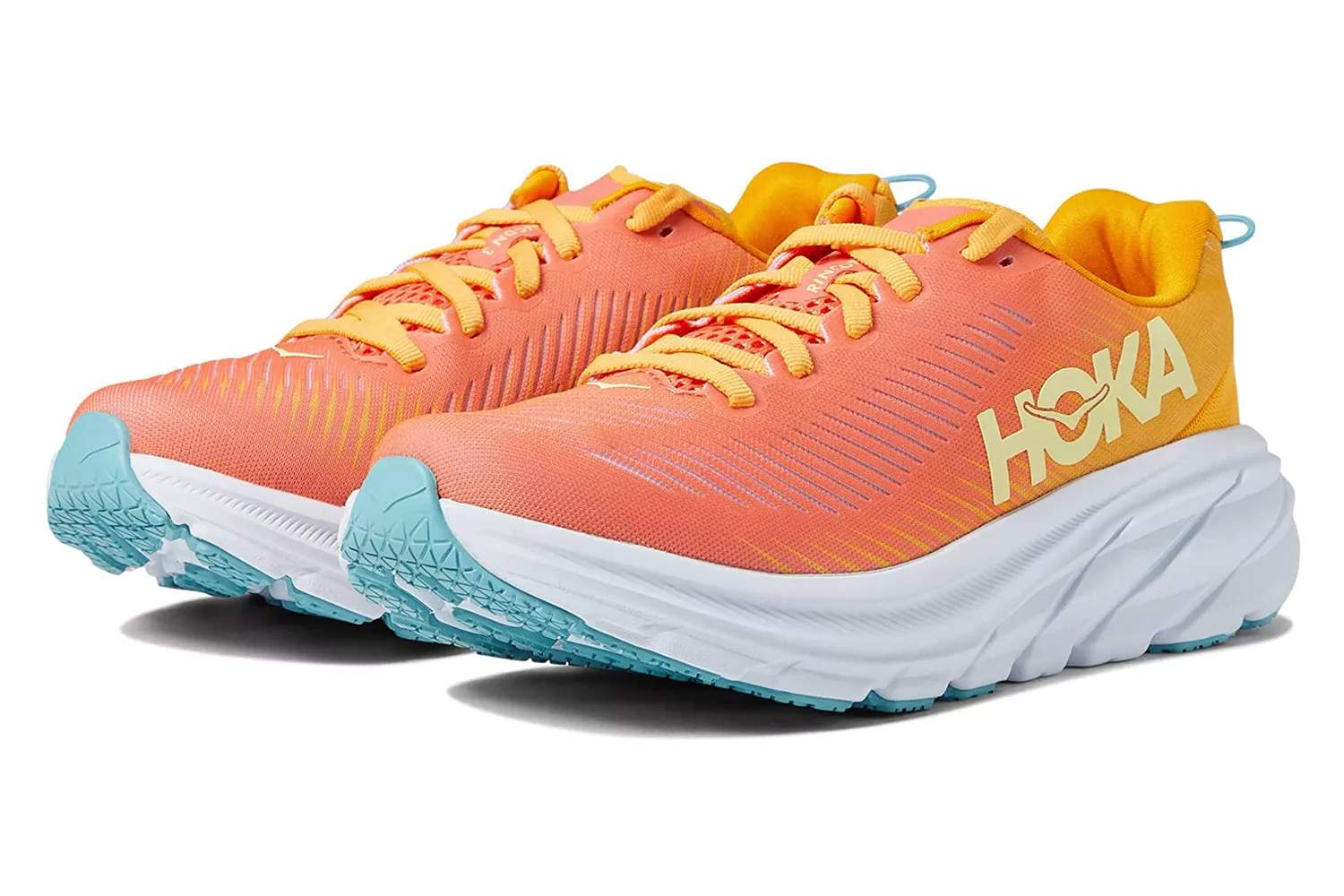
The result is a shoe that maintains impact protection while weighing less than 9 ounces. This balance is critical for athletes who perform high-volume speed training and need to protect their joints from the repetitive stress of hard surfaces. Rocker geometry, in particular, has changed the game by ensuring that even as weight decreases, the transition from heel to toe remains fluid and responsive.
Balancing Support: Lightweight Stability Trainers
A common misconception is that runners who overpronate are stuck with heavy, clunky motion-control shoes. However, the industry has shifted toward the Stability-Speed Spectrum. We now have lightweight stability trainers that use geometric shapes and firmer foam densities rather than heavy plastic posts to guide the foot.
Lightweight stability running shoes for overpronation often feature an H-Frame or a wider base of support in the midfoot. This provides the necessary structural integrity for runners with flat feet without the penalty of added mass. For these athletes, the goal is to find a shoe that balances oxygen consumption efficiency with the specific mechanical needs of their arch.
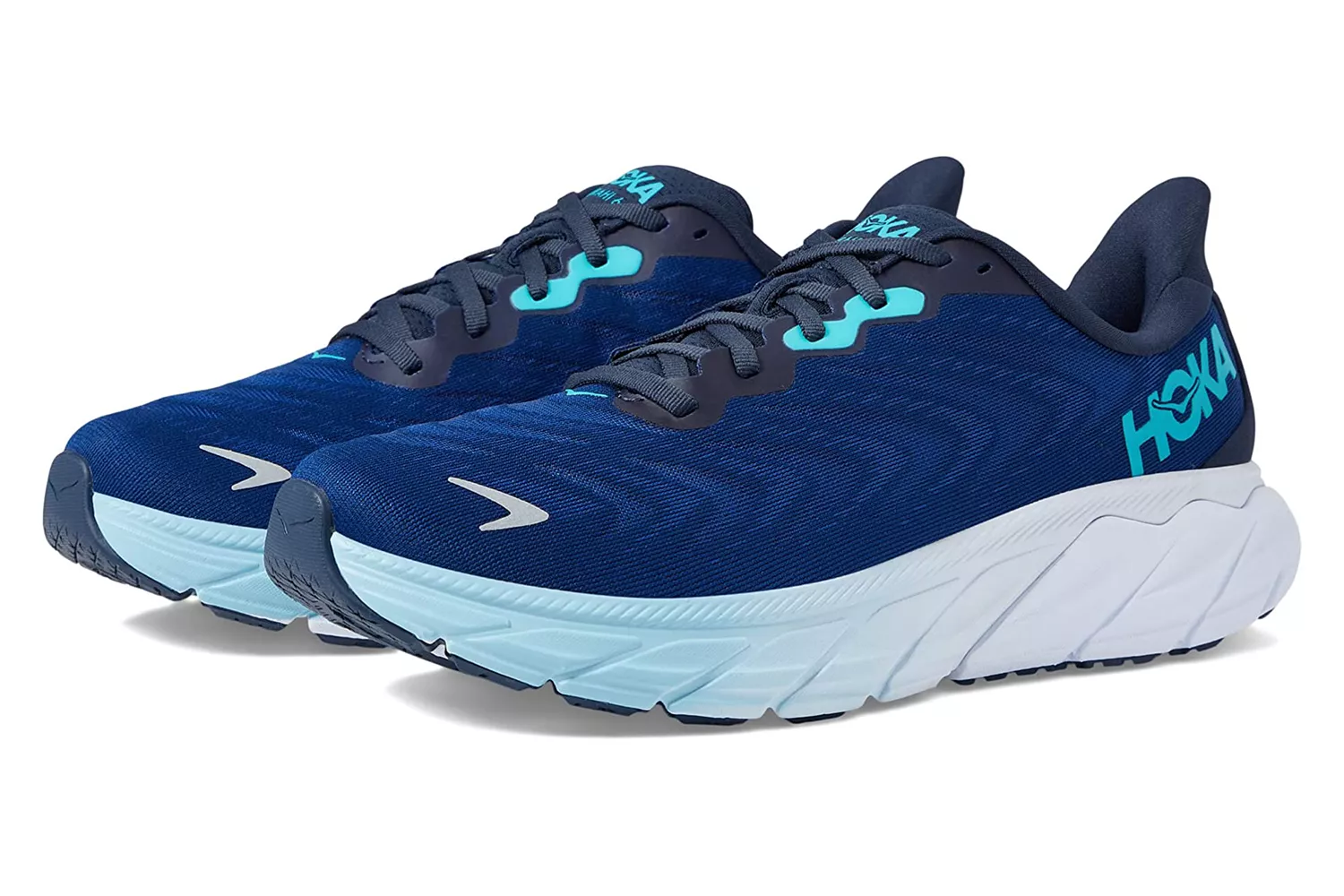
When you are training for agility or fast-twitch responsiveness, having a shoe that moves with you rather than fighting your foot's natural motion is paramount. Modern lightweight stability trainers achieve this by using structured mesh uppers that lock the foot in place, ensuring that every ounce of energy is directed toward forward propulsion rather than internal foot sliding.
Selecting Your Pair: When to Go Light
Choosing between various models depends on your specific training goals. While daily trainers are built for durability and high mileage, speed training footwear is specifically engineered for days when the stopwatch is the primary judge.
The benefits of lightweight running shoes for marathon training are particularly evident in the final 10 kilometers of the race. As glycogen stores deplete and muscles tire, the reduced metabolic cost of a lighter shoe can prevent the "wall" from becoming an insurmountable barrier. However, athletes must be aware of the lifespan of these specialized tools.
Signs your lightweight running shoes need to be replaced include a noticeable loss of foam resiliency, uneven wear patterns on the outsole, or a sudden increase in minor aches after a session. Typically, once you hit the 300 to 500-mile mark, the nitrogen-infused foam begins to lose its ability to pop back into shape, which can negate the performance benefits of the low weight.
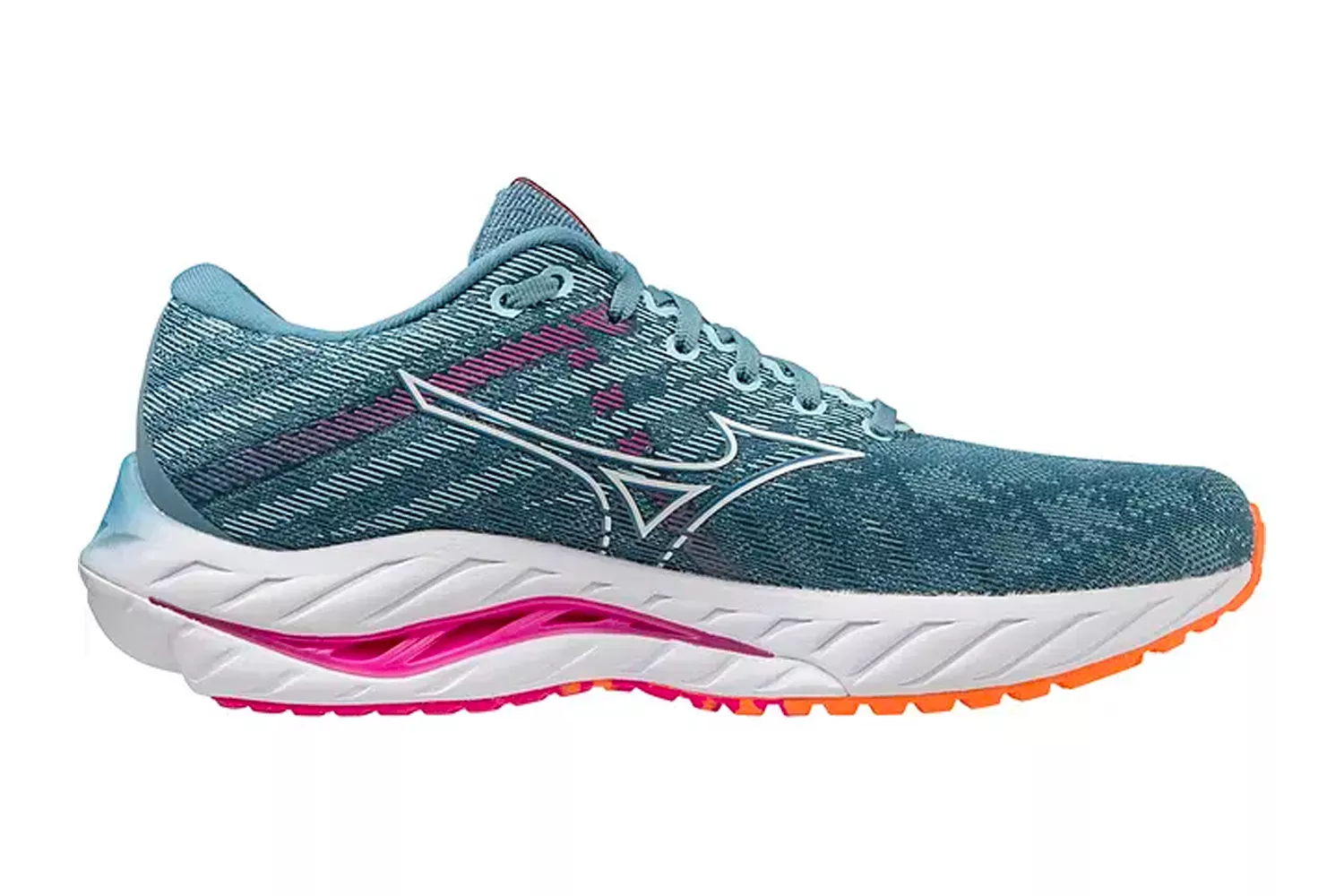
When comparing the average weight of lightweight running shoes for men and women, remember that the scale is relative to your body mass. A shoe that feels light to a 200-pound linebacker might feel heavy to a 110-pound marathoner. Always prioritize how the shoe influences your personal record achievement and turnover rather than just the number on the box.
Summary of Speed Training Footwear Benchmarks
| Feature | Men's Lightweight Standard | Women's Lightweight Standard |
|---|---|---|
| Target Weight | Under 9.0 oz (255g) | Under 7.5 oz (212g) |
| Typical Drop | 5mm to 10mm | 5mm to 10mm |
| Best Use Case | Intervals, Tempo, Racing | Intervals, Tempo, Racing |
| Lifespan | 300 - 500 Miles | 300 - 500 Miles |
| Primary Benefit | Increased Turnover Rate | Increased Turnover Rate |
FAQ
Are lightweight running shoes better for speed and racing?
Yes, lightweight running shoes are specifically designed to maximize speed by reducing the energy cost of every stride. Lowering the mass at the end of the leg allows for a faster leg turnover rate and higher cadence optimization. For racing, where every second counts, the reduction in metabolic energy expenditure can lead to significantly faster times, especially in distances ranging from 5K to the marathon.
How much should a lightweight running shoe weigh?
A lightweight running shoe for men typically weighs under 9.0 ounces, while the threshold for women is generally under 7.5 ounces. Some elite racing "super shoes" or track spikes can even drop below 5 ounces, but for general speed training footwear used on the road, these benchmarks provide the best balance of weight and impact protection.
Are lightweight running shoes suitable for daily training?
While many athletes use lightweight running shoes for every run, it depends on your biomechanics and injury history. Modern models with nitrogen-infused foam provide enough cushioning for daily use for many runners. However, if you are a heavier runner or prone to impact injuries, you might prefer a slightly heavier, more cushioned shoe for recovery days and save the lightweight pairs for interval training sessions and tempo runs.
Do lightweight running shoes provide enough arch support?
Many modern designs now include lightweight stability trainers that cater to runners needing extra support. These shoes use geometric midsole designs and reinforced mesh uppers to manage overpronation without adding the heavy plastic components found in traditional stability shoes. If you have flat feet, look for lightweight models specifically marketed with stability features.
How long do lightweight running shoes typically last?
Lightweight running shoes generally have a shorter lifespan than heavy-duty daily trainers. You can expect most performance-oriented models to last between 300 and 500 miles. Because the foams are optimized for energy return and low weight, they tend to compress and lose their "bounce" faster than denser, heavier foams. It is important to watch for signs your lightweight running shoes need to be replaced to avoid injury.