Quick Facts
- Participation: In 2024, U.S. trail running participation reached 16.1 million, marking a significant 8.8% increase from the previous year.
- Calorie Burn: Navigating technical terrain burns between 10% and 40% more calories than running on flat pavement or a treadmill.
- Mental Health: A scientific review of 116 studies confirms that outdoor running offers superior stress reduction and mood improvement compared to indoor exercise.
- The 1% Rule: To match the metabolic cost of running outdoors, treadmill users should set their machine to a 1% incline to compensate for the lack of wind resistance and belt assistance.
- Safety Protocol: Always maintain a visual scan 10-15 feet ahead of your feet to anticipate roots, rocks, and changes in the path.
- Ankle Health: Trail running builds functional stability by engaging smaller stabilizing muscles through constant lateral movement that a linear treadmill workout ignores.
Trail running offers a transformative fitness experience that goes beyond the monotony of a gym. By choosing the wild over the treadmill, you unlock unique trail running benefits, including improved proprioception and core engagement. Trail running provides superior physical and mental health results compared to treadmill workouts because it requires greater lateral movement and self-propulsion while offering nature therapy that reduces stress.
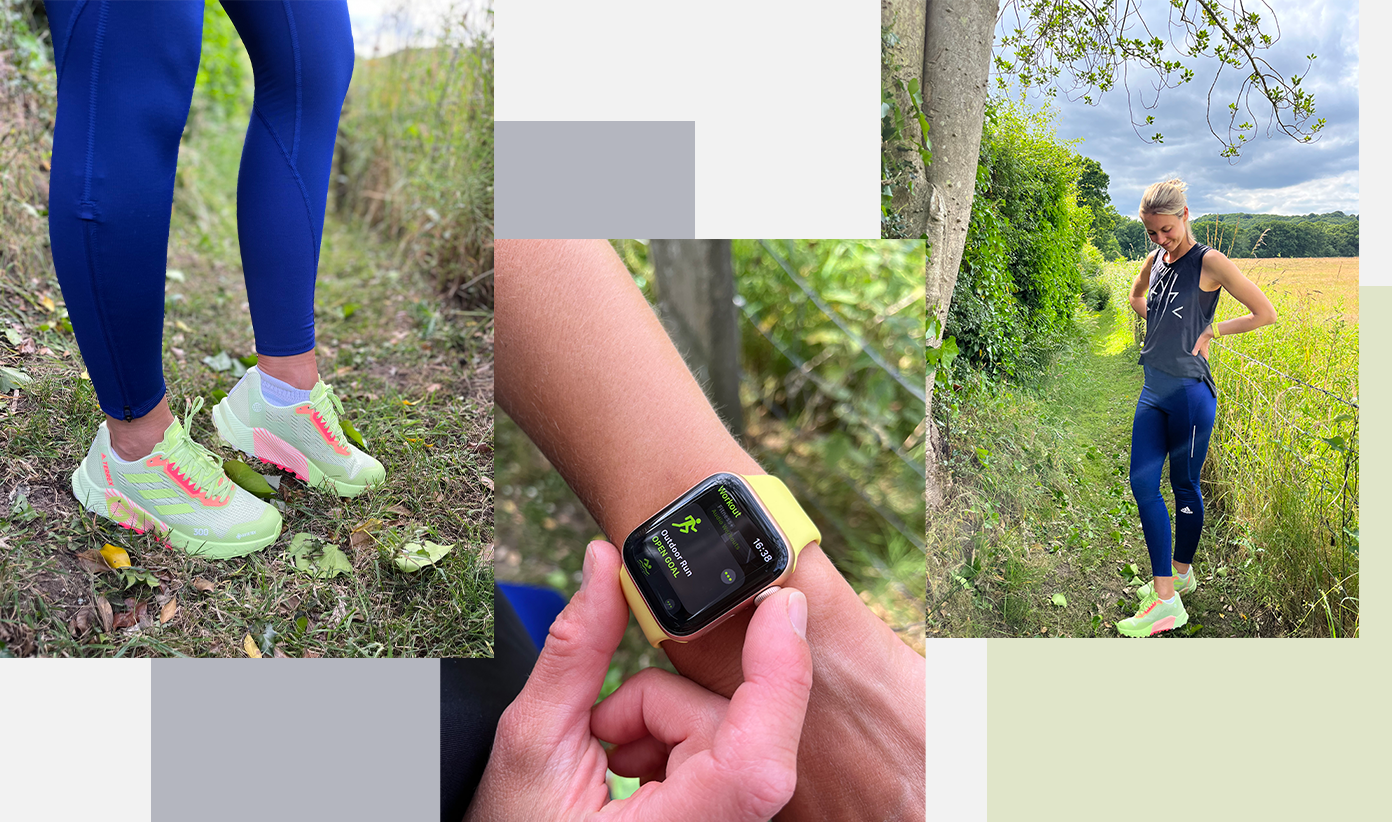
Biomechanics of the Wild: Trail vs. Treadmill
As a coach, I often see runners who are masters of the treadmill struggle when they finally hit the dirt. The reason is simple: a treadmill is a controlled, motorized environment that does some of the work for you. On a treadmill, the belt moves under your feet, which significantly reduces the demand on your hamstrings to "pull" through the gait cycle. In the wild, you are responsible for every inch of self-propulsion. This shift in mechanics means that trail running vs treadmill comparisons aren't just about the scenery—they are about how your body actually generates power.
When you transition to the trails, your body must adapt to uneven terrain. This isn't just a challenge for your lungs; it is a masterclass in proprioception, which is your body's ability to sense its position and movement in space. Every root, rock, and muddy patch requires your brain to communicate instantly with your ankles and knees to maintain balance. This constant micro-adjustment builds incredible ankle stability and forces a level of core engagement that a flat, predictable gym floor simply cannot replicate.
The energy cost of these adjustments is measurable. Because you are constantly performing lateral movement to dodge obstacles or navigate winding paths, you engage muscles that usually stay dormant during a linear treadmill run. This is why trail running typically burns more energy; your body is working in three dimensions rather than just one.
| Metric | Local Treadmill | Wild Trail Running |
|---|---|---|
| Calorie Burn | Baseline (1.0x) | 1.1x to 1.4x higher |
| Primary Muscle Focus | Quads, Calves (Linear) | Hamstrings, Glutes, Stabilizers |
| Mental Stimulation | Low (Often requires screens) | High (Requires constant focus) |
| Impact Profile | Repetitive on hard surface | Varied on low-impact surfaces |
| Core Engagement | Minimal / Passive | Constant for balance and stability |
Beyond the calorie count, the physical benefits of trail running vs treadmill workouts include the development of functional strength. While a treadmill might help you build a bigger engine, the trail builds a better chassis. By strengthening the connective tissues around your joints through varied impact, you become a more resilient athlete, less prone to the repetitive strain injuries often seen in road and gym runners.

How to Transition Safely from Road/Treadmill to Trail
Making the switch from the gym to the forest requires a shift in ego as much as a shift in gear. If you try to maintain your 8-minute-per-mile treadmill pace on a technical single-track trail, you will likely end up exhausted or injured within the first twenty minutes. When transitioning from road to trail running, your primary focus should be on time and effort rather than distance and speed.
The most effective way to transition from road to trail running safely is to embrace a shorter stride. On a treadmill, you can get away with a long, sweeping gait because the surface is guaranteed to be flat. On the trail, a long stride makes you vulnerable to slipping on loose dirt or tripping over a hidden root. By keeping your feet closer to your center of gravity, you improve your balance and can react more quickly to the terrain.
Pro-Tip: The 10-15 Foot Rule Stop looking at your toes! To stay upright, keep your eyes focused about 10 to 15 feet ahead of you. This allows your brain to "map" the terrain and prepare your body for natural obstacles before you actually reach them.
Another key component of the transition is managing elevation gain. Treadmills can simulate hills, but they rarely simulate the technicality of a steep, rocky descent. When you first start, look for "groomed" trails—think wide gravel paths or well-maintained park loops—before diving into rugged wilderness. This allows you to build ankle stability gradually. As you get more comfortable, you can begin exploring how to adjust running stride for uneven terrain on more difficult paths.
This journey into the wild is often described as nature therapy. The psychological benefits of being surrounded by greenery and natural sounds are profound. In the running community, we call this "Green Exercise." It’s the reason you feel a sense of mental clarity after a trail run that a gym session rarely provides. For those looking for the best way to start trail running for treadmill users, I recommend scheduling one "trail day" per week. Treat it as a recovery for your mind and a challenge for your stabilizer muscles, keeping the intensity low until your body adapts to the new demands of the earth.
Essential Trail Running Gear for Beginners
You wouldn't take a sports car off-roading, and you shouldn't take your road-running shoes deep into the woods. The right equipment is the difference between a confident run and a painful slip. When compiling your trail running gear for beginners, start from the ground up.
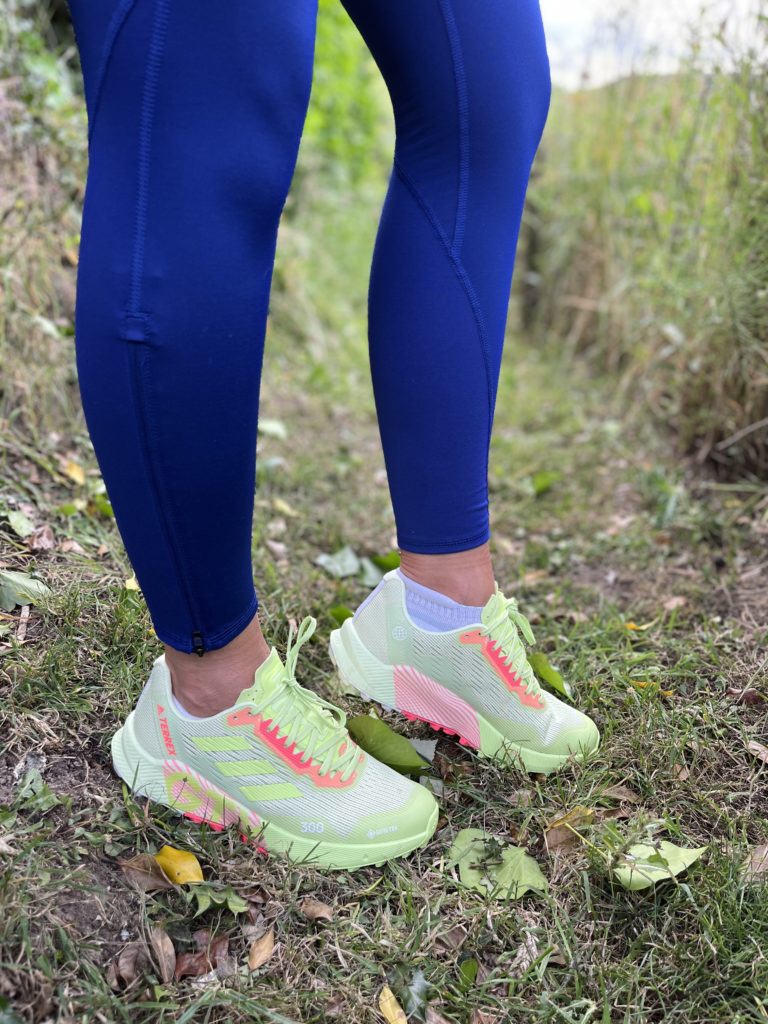
The most critical investment is a pair of trail-specific shoes. While road shoes are designed for breathability and smooth asphalt, trail shoes prioritize protection and traction. Look for shoes with deep lugs—these are the rubber "teeth" on the outsole that grip mud and loose gravel. When choosing trail running shoes for road runners, look for a "hybrid" model that offers some cushioning for the road but has the aggressive tread needed for the dirt.
Here is an essential trail running gear for beginners checklist to help you pack for your first adventure:
- Trail-Specific Shoes: Features like a rock plate (to protect against sharp stones) and deep lugs for grip are essential.
- Moisture-Wicking Leggings: These protect your skin from insects, thorny overgrowth, and the occasional scrape if you take a tumble.
- Hydration Vest: Unlike road running where you might pass a water fountain, wilderness runs require you to carry your own fuel. A vest keeps the weight centered and bounce-free.
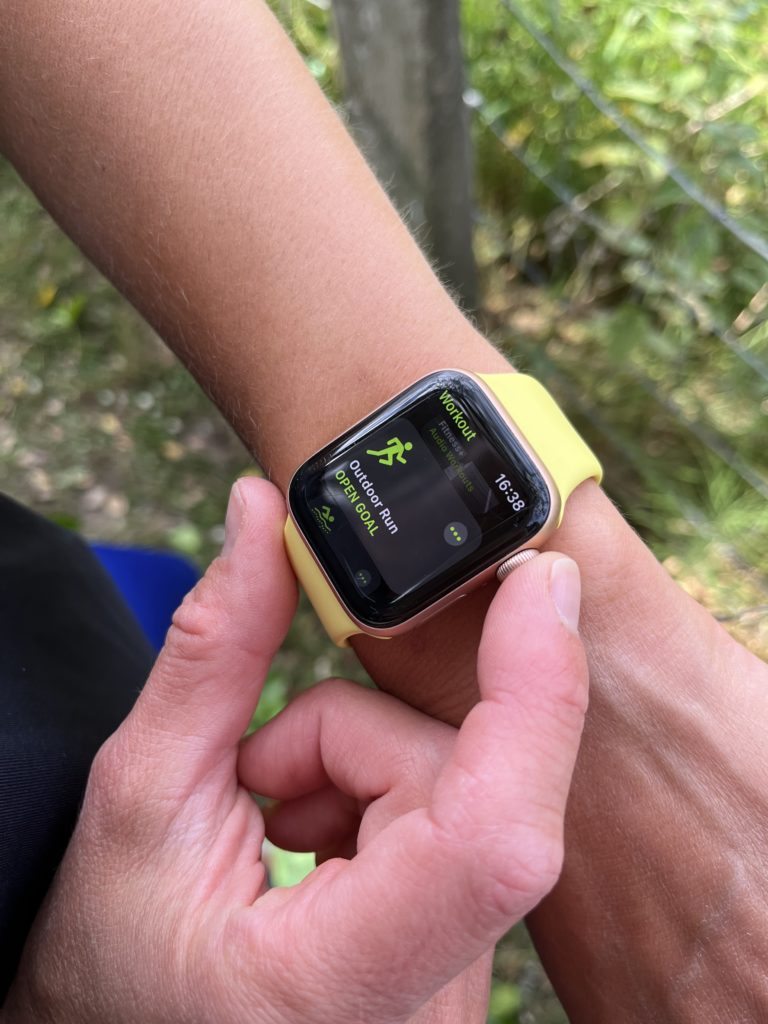
- GPS Watch: In the woods, it is easy to lose track of time or distance. A watch with breadcrumb navigation can be a lifesaver.
- Safety Essentials: Even for short runs, carry a whistle, a small first-aid kit, and a lightweight emergency blanket if you are heading into remote areas.
- High-Lumen Headlamp: If you are running at dawn or dusk, a 1,500-lumen headlamp is the standard for seeing obstacles clearly in total darkness.
Beyond the hardware, consider the "software" of your apparel. Synthetic fabrics or merino wool are much better than cotton, which stays wet and heavy. If you are venturing out for more than 60 minutes, a hydration vest becomes your best friend, allowing you to carry water, electrolytes, and snacks without using your hands.
FAQ
Is trail running better for you than road running?
It depends on your goals, but from a holistic perspective, yes. Trail running provides a more comprehensive workout by engaging a wider variety of muscle groups and improving balance. It also reduces the risk of repetitive stress injuries because every footfall is slightly different, preventing the same joints from taking the exact same impact over and over.
What are the mental health benefits of trail running?
Trail running acts as a powerful form of nature therapy. Research shows that just 10 minutes in a natural environment can provide anxiety relief comparable to much longer sessions in a gym. The combination of physical exertion and the "fractal" patterns found in nature helps lower cortisol levels and improves overall mood.
Is trail running harder on your joints?
Actually, many runners find it easier on their joints. Soft surfaces like dirt, pine needles, and grass provide low-impact surfaces compared to concrete or the stiff deck of a treadmill. While the uneven terrain increases the risk of an acute injury like a sprained ankle, it significantly decreases the risk of chronic issues like runner's knee or shin splints.
Does trail running improve balance and stability?
Absolutely. Because the ground is never perfectly flat, your body is constantly forced to find its center of gravity. This strengthens the tendons and ligaments in the ankles and feet, while also demanding more from your core and glutes to keep you upright. Over time, this leads to superior functional stability that carries over into all other sports.
Can trail running help with weight loss?
Yes, and often more effectively than road or treadmill running. Because you are navigating elevation gain and moving laterally, your body uses more energy to maintain pace. When you factor in the 10% to 40% increase in calorie burn compared to flat running, it becomes a very efficient tool for weight management.

The transition from the treadmill to the trail is more than just a change in venue; it is an invitation to reconnect with your environment and your body's natural capabilities. While the gym offers convenience, the wild offers growth. If you are tired of staring at a wall and want to see what your body is truly capable of, pick up a pair of shoes with some grip and head for the nearest trailhead.
The dirt is waiting. I’d love to hear about your first experience off the pavement—leave a comment below and tell me which local trail you’re planning to conquer first!