Quick Facts
- Top Rule: Cap added sugar at 10g per meal to prevent heavy insulin demand.
- The Fiber Goal: Target 30+ different plant types per week to support gut-driven metabolic health.
- The GI Benchmark: Prioritize foods with a Glycemic Index under 55 for steady energy.
- Metabolic Marker: Monitor your waist circumference; targets are under 35 inches for women and 40 inches for men.
- Key Micronutrients: Focus on magnesium and polyphenols to enhance cellular insulin response naturally.
- The Pairing Strategy: Never eat "naked carbs"; always buffer glucose with protein or healthy fats.
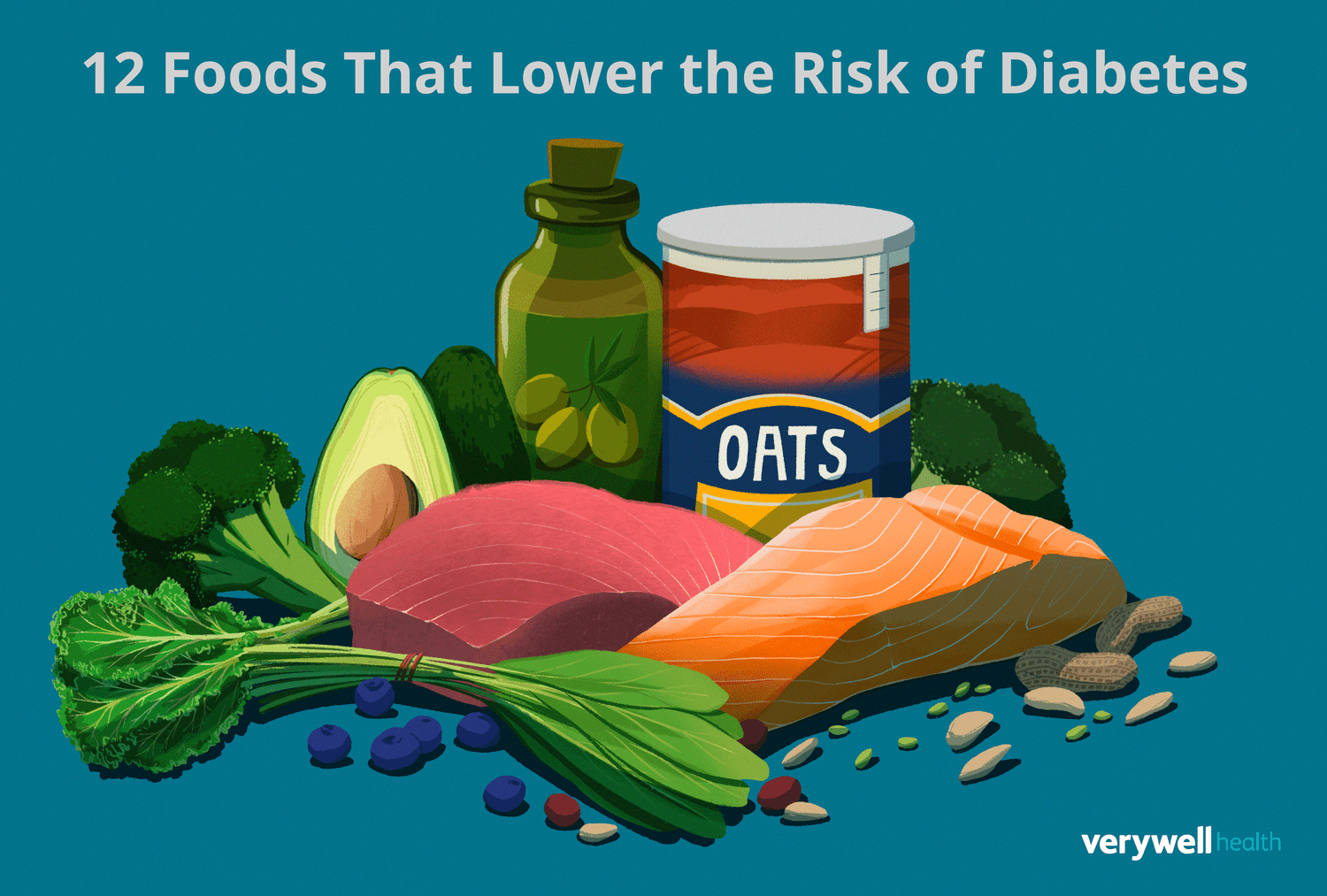
Foods that improve insulin sensitivity include non-starchy vegetables, berries, lean proteins, and fatty cold-water fish. These nutrient-dense options are typically high in soluble fiber and magnesium, which help slow glucose absorption and enhance the body's response to insulin. Incorporating legumes, seeds, and whole grains also provides sustained energy while preventing sharp postprandial glucose spikes.
The Science: Why Food Choice Matters for Insulin Response
As a vitamins and minerals editor, I often see people focusing on the wrong metrics. They count every calorie but ignore the quality of their micronutrients. Managing insulin resistance through diet involves focusing on low-glycemic index foods and healthy fats to stabilize blood sugar. When we eat highly processed carbohydrates, our blood glucose levels skyrocket, forcing the pancreas to pump out massive amounts of insulin. Over time, our cells stop listening to that insulin signal, a condition known as insulin resistance.
This resistance is often fueled by chronic inflammation and the accumulation of visceral fat around our organs. Effective strategies to combat this include replacing refined carbohydrates with whole grain substitutes and choosing plant-based foods that boost metabolic health. By introducing "metabolic buffers"—specifically fiber, protein, and healthy fats—we can slow down the speed at which sugar enters the bloodstream. This anti-inflammatory diet approach reduces the stress on your pancreas and helps your body reclaim its natural metabolic flexibility.
Self-Assessment Sidebar: A simple way to track your metabolic health at home is by measuring your waist circumference. Research indicates that keeping this measurement below 40 inches for men and 35 inches for women is a strong indicator of lower systemic inflammation and better glucose metabolism.
Category 1: Fiber-Rich 'Slo-Mo' Carbs
When it comes to blood sugar management foods, fiber is the undisputed champion. Specifically, soluble fiber creates a gel-like substance in the gut that acts as a physical barrier, slowing the absorption of glucose. This is why a bowl of lentils has a vastly different metabolic impact than a bowl of white rice.
- Lentils: With a Glycemic Index (GI) of around 30, lentils are a powerhouse. Compare this to white rice, which can have a GI as high as 82. This low glycemic load ensures that energy is released slowly.
- Chia Seeds: These tiny seeds can absorb up to 12 times their weight in water. This high fiber content makes them excellent high fiber snacks to improve insulin response by keeping you full and slowing digestion.
- Steel-Cut Oats: Unlike "instant" versions, steel-cut oats retain their bran and germ, providing the beta-glucans necessary to improve insulin response naturally.
- Chickpeas: Rich in both protein and fiber, these legumes are essential insulin sensitivity foods that help keep postprandial glucose levels in check.
- Barley: This ancient grain is particularly high in soluble fiber, making it a superior choice for those looking to improve their diet for insulin resistance.
Category 2: Metabolic Buffers (Proteins & Fats)
Including healthy fats to include in an insulin resistance diet is crucial because fats have a near-zero glycemic impact. They don't spike insulin, and when eaten with carbohydrates, they slow down the entire digestive process.
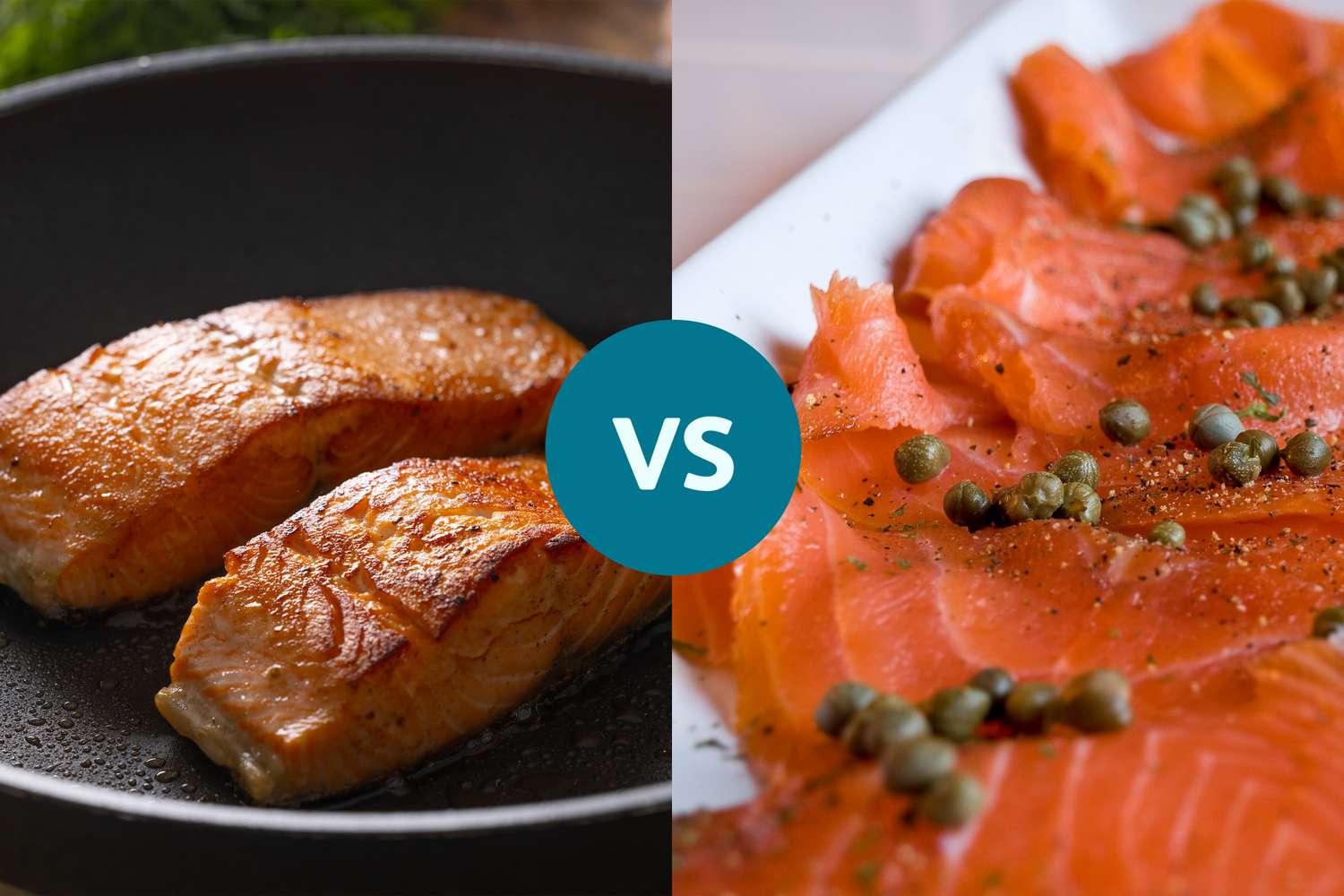
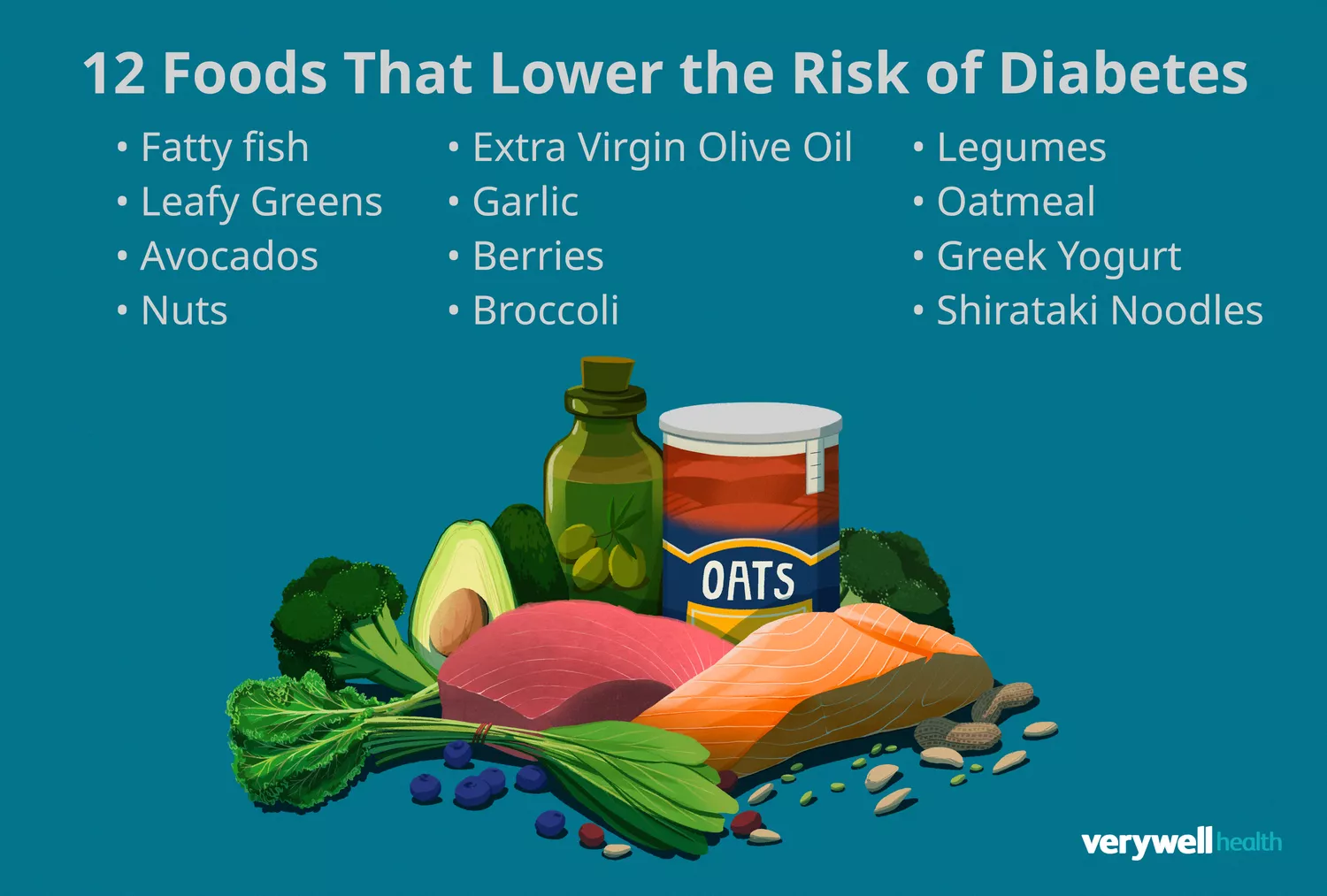
- Fatty Cold-Water Fish: Salmon, sardines, and mackerel are rich in omega-3 fatty acids. These fats are potent anti-inflammatory agents that help clear the "cellular gunk" that prevents insulin from working correctly.
- Avocados: High in monounsaturated fats and fiber, avocados provide a high satiety index, meaning you feel full longer and are less likely to reach for sugary snacks.
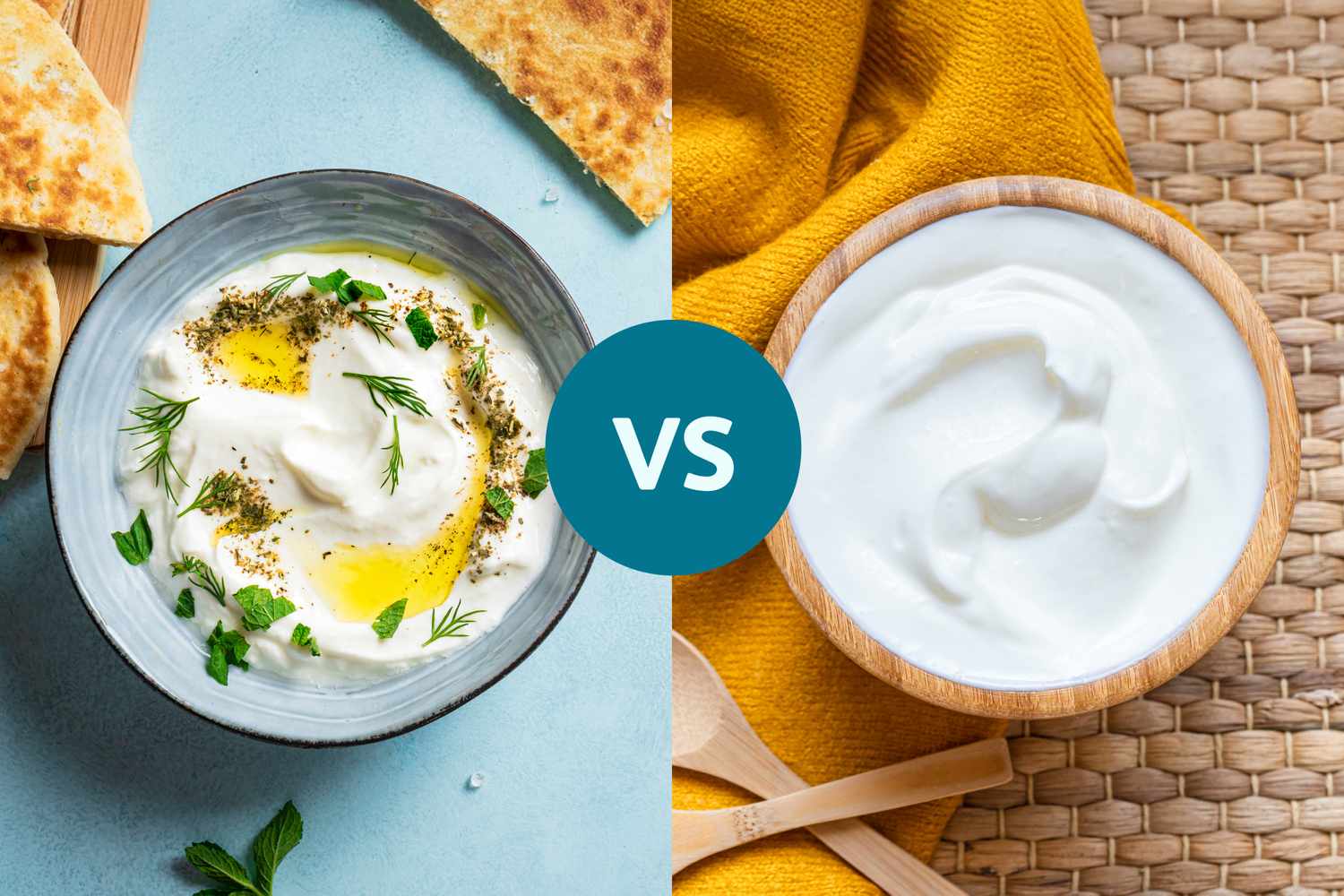
- Greek Yogurt: High-quality, unsweetened Greek yogurt provides protein that acts as a buffer against glucose spikes. It’s an excellent base for a diet for insulin resistance.
- Walnuts: These nuts provide a unique blend of alpha-linolenic acid (an omega-3) and polyphenols, which support better glucose metabolism.
- Extra Virgin Olive Oil: A staple of the Mediterranean diet, it contains oleocanthal, which helps reduce the inflammation associated with metabolic syndrome.
Category 3: Nature's Micronutrient Powerhouses
Micronutrients like magnesium and certain plant compounds act as "keys" that help unlock your cells so insulin can let glucose in. Limiting processed sugars and refined grains while prioritizing anti-inflammatory ingredients like these can significantly improve the body's natural insulin response.
- Spinach and Kale: These non-starchy vegetables for blood sugar management are incredibly low in calories but high in magnesium. Clinical data shows that every 100 mg per day increase in total magnesium intake is associated with a 15% reduction in the risk of developing type 2 diabetes.
- Cinnamon: This spice is more than just a flavor enhancer. Daily consumption of 1 to 6 grams of cinnamon for 40 days has been shown to reduce mean fasting serum glucose levels by 18% to 29% and triglycerides by 23% to 30% in subjects with type 2 diabetes.
- Pumpkin Seeds: One of the best magnesium-rich foods available, providing a significant portion of your daily needs in just a small handful.
- Berries: Blueberries and raspberries are low glycemic index fruits for insulin resistance. They are packed with anthocyanins, which are polyphenols that improve how muscle cells take up sugar.
- Apple Cider Vinegar: While not a food per se, using this as a dressing can improve insulin sensitivity after a high-carb meal by slowing gastric emptying.
2026 Guidelines: The Shift in Metabolic Strategy
The way we approach blood sugar has changed. We no longer just look at "sugar-free" labels; we look at the complexity of the whole food matrix.
| Feature | Old Advice | 2026 Evidence-Based Guidelines |
|---|---|---|
| Sugar Cap | Limit total daily sugar | Max 10g added sugar per individual meal |
| Fiber Focus | 25g of fiber per day | 30+ different plant species per week |
| Carb Strategy | Low carb / No carb | "Buffered" carbs (always pair with protein/fat) |
| Fruit Choice | All fruit is healthy | Prioritize low-GI berries and citrus |
| Primary Metric | Body Mass Index (BMI) | Waist circumference and metabolic flexibility |
The Pairing Strategy: Best Breakfast and Snack Ideas
For optimal insulin response, choose breakfasts high in fiber and protein. A classic mistake is starting the day with a "naked carb" like a bagel or a sweetened cereal. Instead, try eggs with greens (spinach or kale) or steel-cut oatmeal topped with walnuts and a pinch of cinnamon. These are among the best breakfast foods for insulin sensitivity because they provide a slow, steady release of energy without overtaxing the pancreas.
When hunger hits between meals, opt for high fiber snacks to improve insulin response. Raw vegetables with hummus, a small handful of pumpkin seeds, or Greek yogurt with a few raspberries help maintain satiety and promote microbiome health. These food choices minimize glycemic load, supporting consistent pancreatic function and helping to prevent the development of metabolic syndrome.
FAQ
Which foods improve insulin sensitivity quickly?
While metabolic health is a long-term project, consuming non-starchy vegetables and lean proteins can stabilize blood sugar within a single meal cycle. Foods rich in soluble fiber, like chia seeds, provide an immediate buffering effect on glucose absorption during digestion.
What is the best breakfast for insulin resistance?
The best breakfast focuses on high protein and high fiber with minimal added sugars. An omelet with spinach and mushrooms or a bowl of unsweetened Greek yogurt topped with chia seeds and walnuts are excellent choices to start the day without a glucose spike.
Are there specific fruits that help with insulin sensitivity?
Yes, low glycemic index fruits like blueberries, strawberries, and raspberries are ideal. These fruits are high in polyphenols and fiber, which help improve how your cells respond to insulin compared to high-sugar tropical fruits.
How does fiber intake affect insulin levels?
Fiber, especially soluble fiber, slows down the digestion of carbohydrates and the absorption of sugar. This results in a slower, more gradual rise in blood glucose, which requires less insulin from the pancreas to manage.
Can cinnamon improve insulin sensitivity?
Evidence suggests that cinnamon can be quite effective. Studies have shown that consuming 1 to 6 grams daily can help lower fasting blood glucose levels and improve the body's cellular response to insulin in people with metabolic challenges.
Is apple cider vinegar effective for insulin resistance?
Yes, taking apple cider vinegar before or during a meal containing carbohydrates can improve post-meal insulin sensitivity. It appears to work by slowing the rate at which food leaves the stomach and enters the small intestine.
To take the next step in your journey, I encourage you to track your weekly plant variety. Aiming for 30 different types of plants can transform your gut microbiome and your metabolic health. If you are unsure where to start, consult a registered dietitian to help you tailor these insulin sensitivity foods to your specific lifestyle and needs.