Quick Facts
- Direct Answer: Recent research indicates that tea consumption may support bone mineral density more effectively than heavy coffee drinking, particularly in older women. While moderate coffee is safe, tea's bioactive compounds like catechins actively promote bone formation.
- The Bone Threshold: Consuming five cups of coffee daily or more is the critical tipping point where risk to bone mineral density begins to increase.
- Skeletal Protection: Longitudinal studies show that regular tea drinkers maintain significantly higher total hip mineral density compared to non-tea drinkers as they age.
- Caffeine Contrast: A standard cup of coffee contains approximately 96mg of caffeine, while black tea offers 48mg and green tea provides a gentler 29mg.
- Metabolic Buffer: For those who prefer coffee, adding milk can effectively offset potential interference with calcium absorption.
- Energy Profile: Tea provides a state of calm focus due to the presence of L-theanine, which modulates the effects of caffeine to prevent the jitters.
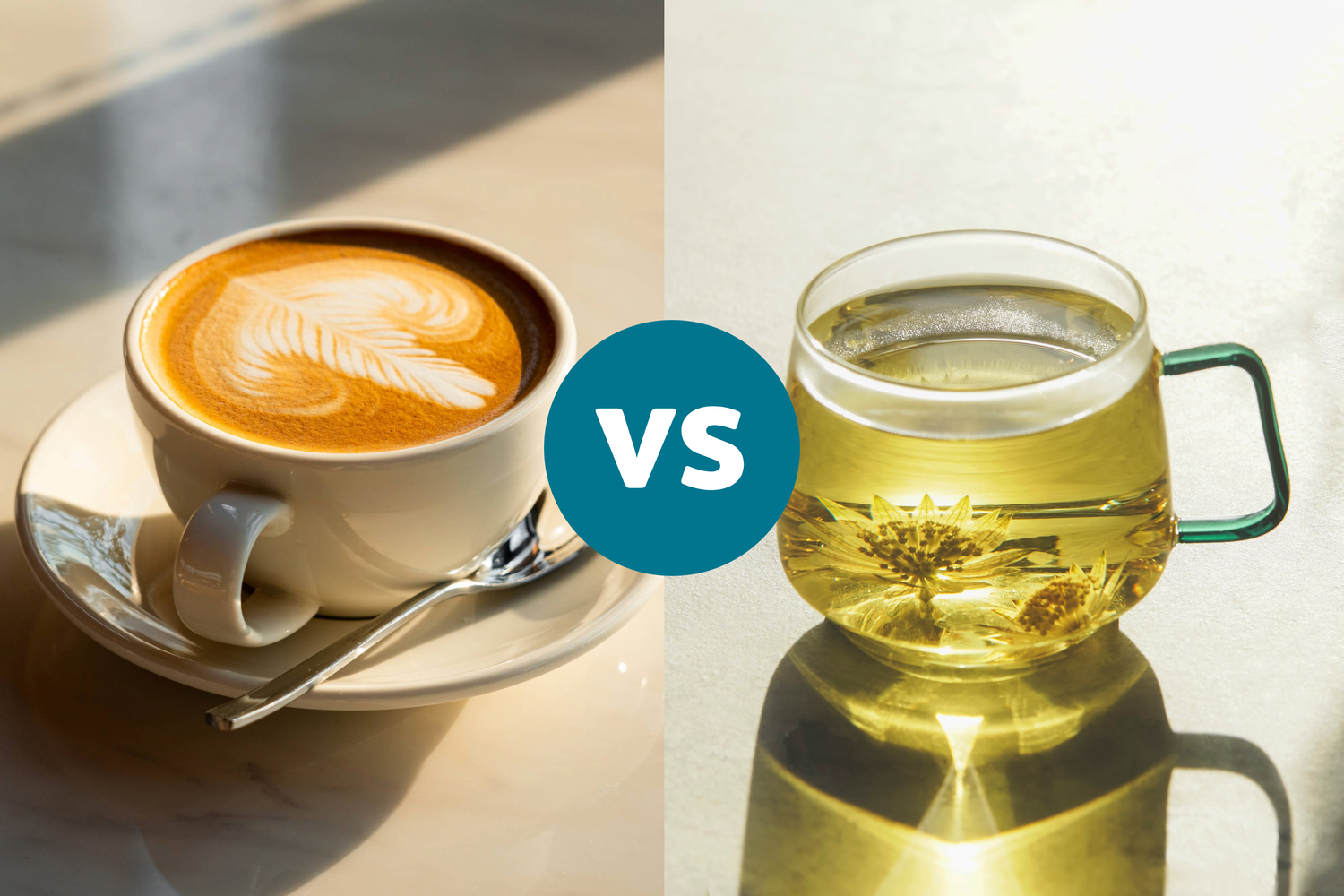
A 10-year study of 10,000 women reveals a clear winner in the tea vs coffee debate for long-term skeletal strength. While both beverages offer a host of protective antioxidants, tea provides unique health benefits of tea over coffee specifically regarding hip mineral density and the prevention of fractures. Recent research indicates that tea consumption may support bone mineral density more effectively than heavy coffee drinking, particularly in older women. Tea is rich in bioactive compounds called catechins, which are believed to promote bone formation and slow bone breakdown, making it a superior choice for those prioritizing skeletal integrity through the years.
The Skeletal Science: How Tea and Coffee Affect Bone Metabolism
When we discuss women’s wellness, bone metabolism is a topic that requires both clinical precision and a gentle touch. It is a sobering reality that 1 in 3 women over the age of 50 will experience an osteoporotic fracture. This makes our daily beverage choices more than just a morning ritual; they are a fundamental part of our osteoporosis prevention strategy. The relationship between tea and coffee bone health is centered on how these drinks interact with our body's ability to build and maintain bone tissue.
The primary concern with coffee lies in its caffeine content. While a cup or two is generally considered safe, caffeine can act as a mild diuretic and may slightly increase the amount of calcium excreted through urine. More significantly, excessive caffeine has been shown to decrease calcium bioavailability by interfering with the receptors in the intestinal tract. Studies suggest that a healthy daily tea vs coffee limit for adults should be respected to avoid these pitfalls. Specifically, when coffee consumption exceeds the five-cup-per-day mark, the risk of reduced bone density becomes statistically significant for postmenopausal women who may already be facing hormonal shifts that accelerate bone loss.
In contrast, the biological mechanism of tea is inherently protective. Tea does more than just provide a lower dose of caffeine; it delivers a concentrated dose of phytochemicals that favor bone health. How tea catechins promote bone formation is a fascinating area of study. These compounds help stimulate osteoblast activity—the cells responsible for building bone—while simultaneously inhibiting osteoclasts, the cells that break bone down. This dual action helps maintain a healthy balance in bone resorption and formation, ultimately leading to a lower fracture risk in the long term.
Antioxidant Warfare: Polyphenols vs. Catechins
To understand the tea vs coffee metabolism and nutritional comparison, we must look at the antioxidant profiles of these two giants. Both beverages are dense with polyphenols, which are plant-based compounds that fight oxidative stress and systemic inflammation. However, the specific types of polyphenols found in each drink offer different advantages for aging health.
Coffee is one of the largest sources of antioxidants in the Western diet, primarily through chlorogenic acids. These are excellent for metabolic health and heart protection. However, tea contains a more specialized class of bioactive compounds known as catechins and theaflavins. Laboratory analysis has shown that green tea can provide significantly higher antioxidant activity per serving, with one study measuring 340 mg of gallic acid equivalents compared to 187 mg in a serving of instant coffee.
| Nutrient/Marker | Coffee (per 8oz) | Black Tea (per 8oz) | Green Tea (per 8oz) |
|---|---|---|---|
| Caffeine Content | ~96 mg | ~48 mg | ~29 mg |
| Antioxidant Activity (GAE) | 187 mg | ~280 mg | 340 mg |
| Primary Compound | Chlorogenic Acid | Theaflavins | EGCG (Catechins) |
| Bone Density Impact | Neutral/Negative (High Dose) | Positive | Highly Positive |
These antioxidants don't just protect our bones; they safeguard our cardiovascular system as well. A 10-year study involving nearly 75,000 participants found that consuming four or more cups of black tea daily was associated with a 21% lower risk of stroke compared to non-drinkers. For women, who often face unique cardiovascular risks after menopause, the transition from coffee to tea can be a powerful lifestyle adjustment for both heart and skeletal longevity.
The Energy Quality: Jitters vs. Calm Focus
Many of the women I work with rely on their morning cup for mental clarity, but the "quality" of that energy differs vastly between the two drinks. Coffee provides a sharp, rapid spike in adrenaline and dopamine. While this is effective for an immediate wake-up call, it often leads to a subsequent crash or a sense of jitteriness and anxiety, especially in those sensitive to caffeine.
Tea offers a more nuanced neurological experience. Research indicates that tea contains the amino acid L-theanine, which works in combination with caffeine to improve mental alertness and focus while reducing the physical stress response. L-theanine promotes alpha wave activity in the brain, which is associated with "relaxed alertness." This makes tea an excellent companion for deep work or a busy afternoon of parenting and professional tasks, as it avoids the peaks and valleys of a coffee-driven energy cycle.
Furthermore, by choosing tea, it becomes much easier to stay within the healthy daily tea vs coffee limit for adults. The FDA suggests a maximum of 400mg of caffeine daily for most healthy adults, but for women concerned about bone mineral density, staying well below that threshold is often beneficial. Tea’s lower caffeine profile allows for several cups throughout the day without reaching the levels of coffee caffeine impact on calcium absorption that we see with heavy coffee drinkers.
Practical Optimization: The Best Way to Brew for Longevity
As we look at the health benefits of tea over coffee, it is important to remember that these aren't "all or nothing" choices. Most of us have a deep emotional connection to our morning brew. If you aren't ready to give up coffee, there are clinical ways to optimize your intake to protect your skeletal health.
The most effective strategy for coffee lovers is adding milk to coffee for bone health. The calcium in just one or two tablespoons of milk is often enough to neutralize the small amount of calcium loss caused by the caffeine in that cup. Additionally, I always recommend that my readers ensure they are meeting their daily requirements for Vitamin D and magnesium, which are essential co-factors for calcium absorption.
For those ready to embrace tea, choosing the best tea for bone mineral density in seniors and postmenopausal women usually means reaching for green or black varieties. These are the most extensively studied for their impact on hip mineral density. To maximize the extraction of those beneficial catechins, allow your tea to steep for at least three to five minutes. Avoiding excessive sugar or artificial sweeteners will also help keep the inflammatory profile of your beverage low, further supporting your bone metabolism and general wellness.
FAQ
Is tea healthier than coffee?
Tea is generally considered to have a slight edge for long-term bone health and stress management due to its lower caffeine content and the presence of L-theanine. However, coffee remains a healthy choice for liver and metabolic health when consumed in moderation. The choice depends on your specific health priorities, such as whether you are focusing on osteoporosis prevention or cardiovascular support.
Is coffee or tea better for weight loss?
Both beverages can support weight loss as they contain caffeine, which slightly boosts metabolic rate. Green tea is often cited as the winner in this category due to EGCG (epigallocatechin gallate), a catechin that may enhance fat oxidation. However, the most significant factor for weight loss is ensuring neither drink is loaded with high-calorie sugars or creamers.
Is tea or coffee more acidic?
Coffee is generally more acidic than most teas, with a pH usually ranging between 4.85 and 5.10. While this does not typically affect systemic pH or bone health directly, it can cause digestive discomfort or acid reflux in sensitive individuals. Tea is a gentler alternative for those with sensitive stomachs, though certain fruit-based teas can also be quite acidic.