Quick Facts
- Safety Status: Safe for most individuals when glycemic load is managed via low-sugar vegetables.
- Serving Size: Recommended limit of 100ml-150ml per day to avoid excessive insulin response.
- The 80/20 Rule: Maintain a ratio of 80% leafy green vegetables to 20% low-sugar fruits.
- Glucose Impact: Pure vegetable juice with pulp has a glycemic load of 1 per 100 grams, classified as very low.
- Optimal Timing: Best consumed alongside a meal containing protein or healthy fats to blunt postprandial spikes.
- Key Risk: Frequent dietary fiber removal through juicing can lead to faster sugar absorption compared to whole foods.
Green juice can be part of a blood-sugar-conscious diet when made primarily from low-glycemic vegetables like cucumber, celery, and spinach. Because juicing removes dietary fiber, which normally slows sugar absorption, it is essential to limit fruit content and keep servings to roughly 100ml-150ml. This approach minimizes the glycemic load and prevents significant postprandial glucose spikes while maximizing green juice benefits for micronutrient intake.
1. Why Juicing Impacts Blood Sugar: The Fiber Problem
To understand if is green juice safe for diabetics, we first have to look at the mechanical process of juicing itself. When you run a bunch of kale or a stalk of celery through a juicer, you are effectively performing a high-speed dietary fiber removal. In nature, the sugars found in plants—even in low-fructose vegetables—are encapsulated within a complex matrix of soluble fiber and insoluble fiber. This matrix acts as a biological speed governor, slowing down the rate at which your body can break down and absorb those sugars.
When that fiber is removed, the liquid that remains enters the bloodstream much faster. This can trigger a sharp insulin response. For a healthy individual, the body manages this surge efficiently. However, for those with insulin resistance or type 2 diabetes, this rapid influx can lead to significant postprandial spikes. It is a metabolic reality that the body handles liquid calories differently than solid ones.
The clinical evidence back this up: while consuming one serving of whole green leafy vegetables daily is associated with a 9% lower hazard of type 2 diabetes, fruit juice intake is associated with an 18% increased risk. This stark contrast highlights that the primary concern is not the vegetables themselves, but the form in which they are consumed and the presence (or absence) of fruit sugars.
| Metric | Whole Spinach & Celery | Blended Veggie Juice (with pulp) | Traditional Green Juice (extracted) |
|---|---|---|---|
| Glycemic Index (GI) | Very Low (<15) | Approximately 20 | 30-45 (varies by fruit content) |
| Glycemic Load (GL) | <1 | 1 | 3-7 |
| Fiber Content | High (3-4g) | Moderate (2g) | Trace (<0.5g) |
| Absorption Rate | Slow | Moderate | Fast |
2. Maximizing Green Juice Benefits in the Morning
Many of my readers ask about green juice benefits in the morning as a way to "reset" the system. From a micronutrient perspective, starting your day with a concentrated dose of chlorophyll, magnesium, and potassium is excellent for supporting metabolic health. Magnesium, in particular, is a co-factor for over 300 enzymatic reactions, including those that regulate blood glucose.
However, the best time to drink green juice for blood sugar stability is not necessarily on an empty stomach first thing in the morning. If you drink a juice containing even a small amount of green apple or lemon on an empty stomach, the lack of other macronutrients means the fructose content hits your liver quickly. For those who want to enjoy green juice benefits without the high glucose curve, I recommend pairing your juice with a source of protein or healthy fat—such as a hard-boiled egg or half an avocado.
Research suggests that timing also matters in relation to larger meals. A clinical study demonstrated that consuming 200 ml of vegetable juice 30 minutes before a high-carbohydrate meal significantly attenuated the rise in blood glucose levels at the 90-minute and 120-minute marks compared to a control group. This "pre-loading" strategy allows the bioactive compounds in the vegetables to begin modulating the digestive environment before the heavier carbohydrates arrive.
3. The 80/20 Rule: A Safe Green Juice Recipe for Diabetics
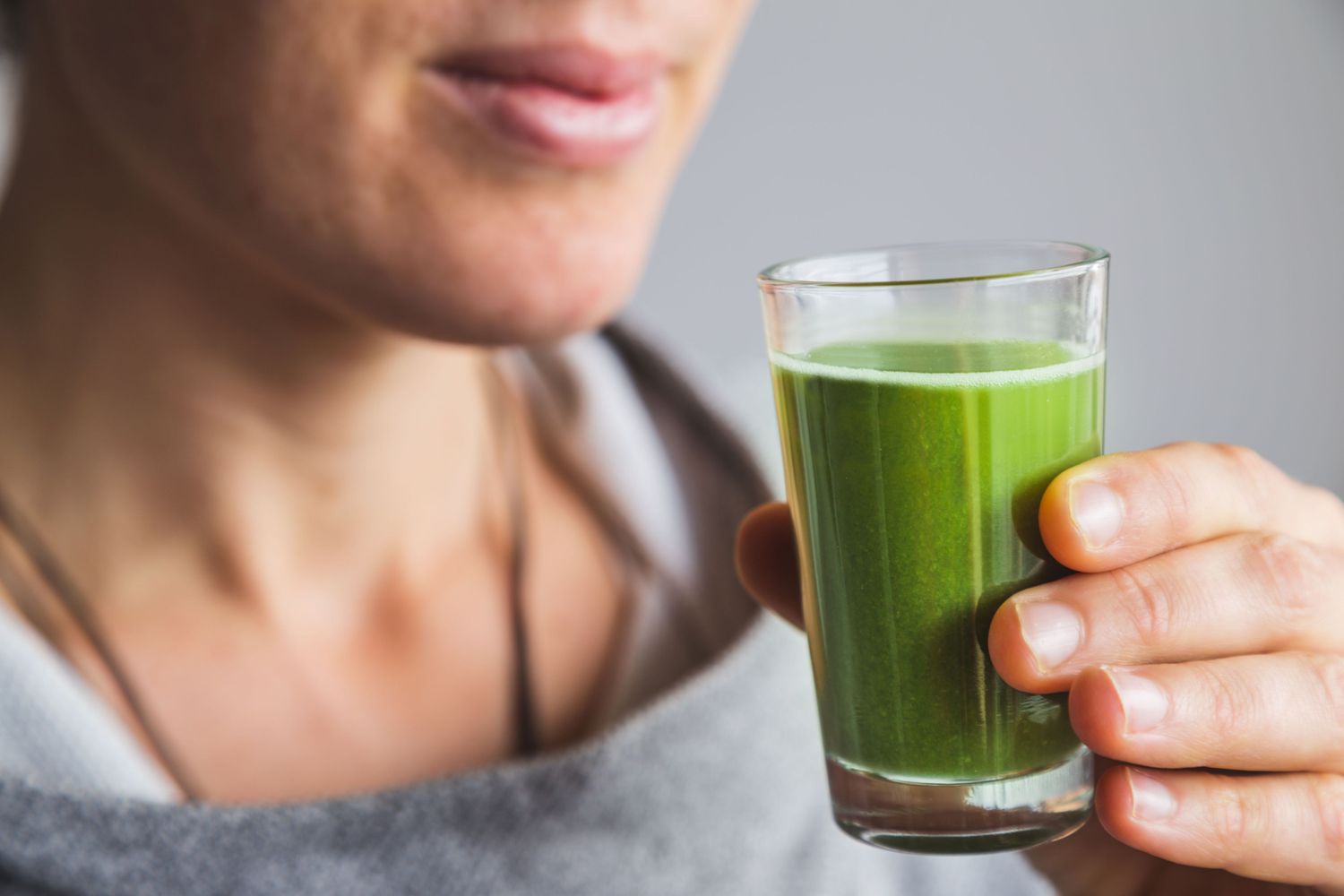
If you are concerned about preventing blood sugar spikes while juicing, the composition of your juice is your best defense. Many commercial green juices are actually "fruit juices in disguise," often containing grape or pineapple juice as a base to improve flavor. For a true medical-grade juice, you must prioritize leafy green vegetables.
A blood-sugar-friendly green juice recipe should follow the 80/20 rule: 80% should come from hydrating, low-GI vegetables, and no more than 20% should come from low-sugar flavoring agents. By focusing on nutrient bioavailability rather than sweetness, you ensure the juice remains a tool for health rather than a metabolic burden.
High-Nutrient, Low-Glycemic Ingredients
- Cucumber & Celery: These serve as the hydrating base. They are extremely low in calories and have a negligible effect on insulin response.
- Kale & Spinach: These provide the bulk of the magnesium and Vitamin K, which are essential for long-term metabolic health.
- Ginger & Turmeric: These rhizomes have anti-inflammatory properties and may help improve insulin sensitivity over time.
- Lemon or Lime: These are the ideal acidic components. They provide vitamin C and flavor with almost zero fructose content.
- Parsley or Cilantro: Excellent for supporting natural detoxification pathways and adding a fresh flavor profile without sugar.
Low Glycemic Green Juice Recipe for Blood Sugar
- 2 large stalks of celery
- 1/2 medium cucumber
- 2 cups of tightly packed kale or spinach
- 1-inch knob of fresh ginger
- Juice of 1/2 a lime
- Optional: 1/4 of a green apple (only if your blood glucose monitoring indicates you can handle the small amount of fructose)
By using this combination, you maintain a low glycemic load while flooding your body with antioxidants. If you are drinking juice daily, consider rotating your greens to ensure you are getting a broad spectrum of minerals and avoiding a buildup of specific plant compounds.
4. Long-Term Results: I Drank Green Juice for a Month
Whenever someone tells me i drank green juice for a month, I look for two things: consistency and how they felt 90 minutes after drinking it. The green juice results after one month are rarely about "detoxification"—a term that has little clinical meaning—but rather about the cumulative effect of increased micronutrient bioavailability.
When you consistently supply the body with high doses of Vitamin K, folate, and magnesium, you are supporting the vascular system and cellular energy production. Many people report improved energy levels and clearer skin. This often happens because the juice replaces a higher-calorie, processed snack, or because the anti-inflammatory compounds in the greens help reduce systemic oxidative stress.
The key to the benefits of drinking green juice everyday is sustainability. If you find that drinking juice makes you feel shaky or hungry shortly after, it is a sign that you are experiencing postprandial spikes. In this case, you should shift toward "blending" rather than "juicing" to keep the fiber intact, or decrease the fruit content further. Monitoring your metabolic health through various biomarkers can help you tailor the habit to your specific needs.
5. Critical Precautions: Oxalates and Medication
While green juice is a powerhouse of nutrition, there are specific "warning labels" we must consider, especially regarding dietary volume and ingredient choice.
Warning: Oxalates and Kidney Health Leafy greens like spinach and Swiss chard are high in oxalates. Consuming these in large, concentrated liquid quantities every day can increase the risk of kidney stones in susceptible individuals. It is best to rotate these with low-oxalate greens like kale, romaine, or arugula.
Another crucial consideration is the interaction between juice ingredients and medication. Bitter Gourd (bitter melon), which is sometimes used in specialized juice recipes for its glucose-lowering properties, can interact dangerously with diabetic medications like Metformin or Insulin, potentially causing hypoglycemia. Always consult with your healthcare provider if you are taking blood-sugar-lowering drugs.
Finally, portion control remains the ultimate safety measure. No matter how healthy the ingredients, more is not always better. Keeping your serving to 150ml ensures you get the green juice benefits without overwhelming your liver's ability to process the raw nutrients and any trace sugars.
FAQ
Is it okay to drink green juice daily?
Yes, it is generally safe and beneficial to drink green juice daily provided that it is made primarily from vegetables and stays within the recommended 100ml-150ml portion. To ensure safety, vary the types of leafy greens you use to avoid the overconsumption of specific phytochemicals like oxalates.
What time should I drink green juice?
The best time depends on your metabolic goals. For many, drinking it mid-morning or 30 minutes before a meal provides a nutrient boost and may help blunt the glucose response of the subsequent meal. Avoid drinking it late at night if it contains ginger or other stimulating ingredients that might interfere with sleep.
What's the best time to drink green juice?
From a blood sugar perspective, the best time to drink green juice for blood sugar stability is 30 minutes before a meal that contains protein and healthy fats. This allows the vegetable compounds to interact with your digestive enzymes before the bulk of your calories arrive, leading to a more stable glucose curve.
What not to mix when juicing?
Avoid mixing large amounts of high-fructose fruits like pineapple, mango, or grapes into your green juice, as these will cause significant insulin spikes. Also, avoid mixing bitter gourd if you are on diabetic medications without medical supervision. Finally, try not to mix too many high-oxalate greens (like spinach) in every single batch; variety is key.
What is the healthiest juice to drink daily?
The healthiest juice for daily consumption is a low-sugar vegetable juice focusing on cucumber, celery, lemon, and ginger. This combination provides hydration and antioxidants with a very low glycemic load. For even better results, consider a blended vegetable juice that retains the pulp, as this maintains fiber and supports better metabolic health and satiety.