Quick Facts
- Top Benefit: Significant improvements in insulin sensitivity and the activation of autophagy for cellular repair.
- Most Popular Window: The 12:00 PM to 8:00 PM schedule, which allows for a standard social dinner.
- Expected Weight Loss: Research indicates a 2% to 4% reduction in body weight over 8 to 12 weeks.
- Critical Rule: Breaking your fast with 25-35g of high-quality protein to stabilize blood sugar.
- Hydration Key: Maintain an intake of at least 2 liters of water daily to support metabolic function.
- Metabolic Switch: The transition from burning glucose to burning stored fat typically begins around hour 12 of the fast.
Start your health journey with 16/8 fasting for beginners. This guide covers how to transition to a 16/8 fasting schedule, the best foods to eat, and common mistakes to avoid for optimal results. To implement a 16/8 fasting schedule, select an 8-hour eating window such as 11:00 AM to 7:00 PM. During the 16-hour fast, consume only non-caloric liquids like water or black coffee to trigger a metabolic switch. This approach supports fat oxidation and cellular repair by keeping insulin levels low for extended periods.
The #1 Mistake Beginners Make When Starting 16/8
When most people first hear about the benefits of time-restricted feeding, they dive into the deep end without a life vest. This "all or nothing" fallacy is the most frequent reason people quit within the first week. They wake up on Monday and decide they won't eat until 1:00 PM, despite having eaten breakfast at 7:00 AM for the last twenty years. By 10:30 AM, their ghrelin levels—the hormone responsible for hunger—are screaming, leading to a massive binge once the window opens.
One of the most important intermittent fasting tips for beginners is to respect the adaptation period. Your body needs time to upregulate the enzymes required to access stored body fat for energy. If you find the jump to sixteen hours too jarring, focus on how to transition to a 16/8 fasting schedule gradually. Start with a 12/12 split for three days, then move to 14/10 for a few more, before finally settling into the 16/8 rhythm. This step-down approach prevents the massive cortisol spikes that lead to "hangry" outbursts and poor decision-making.
Another of the common intermittent fasting mistakes for beginners is viewing the eight-hour window as an "all-you-can-eat" buffet. If you break your fast with a high-sugar, low-protein meal, you will experience a rapid insulin spike followed by a crash. This destroys the satiety you’ve worked so hard to build during the fasting hours. Successful practitioners learn that the first meal is the most critical; it sets the hormonal tone for the rest of the day.
The Science: Your Metabolic Timeline (Hour-by-Hour)
Understanding what is happening inside your cells can be the motivation you need to push through a difficult morning. Intermittent fasting isn't just about cutting calories; it's about hormonal manipulation and cellular cleaning. When you stop eating, your body moves through several distinct phases.
| Time Elapsed | Metabolic State | Biological Effect |
|---|---|---|
| 0–4 Hours | Post-Prandial | Blood sugar rises; insulin is secreted to move glucose into cells. |
| 4–8 Hours | Post-Absorptive | Blood sugar levels normalize; insulin begins to decline. |
| 8–12 Hours | Gluconeogenesis | The liver starts converting non-carbohydrates into glucose for energy. |
| 12–14 Hours | Metabolic Switch | The body begins burning ketones and fatty acids; fat oxidation increases. |
| 14–16 Hours | Peak Autophagy | Cellular repair accelerates; damaged proteins and organelles are recycled. |
The 16/8 fasting for beginners protocol is designed to maximize the time spent in that final 14-to-16-hour window. During this phase, the body enters a state of autophagy, where cells remove damaged components—a process often likened to a "cellular spring cleaning." This period also aligns with your natural circadian rhythm. By restricting food to daylight hours, you help regulate your internal clock, which can improve sleep quality and metabolic health.
Data from a meta-analysis of 11 randomized controlled trials found that the 16/8 intermittent fasting method typically results in a reduction of body weight between 2% and 4% over a period of 8 to 12 weeks. This isn't just magic; it's the result of improved insulin sensitivity and a natural reduction in calorie intake.
Choosing Your Intermittent Fasting Window Schedule
There is no "perfect" time to eat, but there is a perfect time for your lifestyle. When selecting your intermittent fasting window schedule, you must balance social flexibility with biological efficiency.
The Socially Flexible Window (12:00 PM – 8:00 PM)
This is by far the most popular choice for working professionals and families. It allows you to skip breakfast—the easiest meal to bypass—while still enjoying a normal dinner with friends or family. It fits naturally into a standard workday where lunch occurs at noon.
The Circadian-Aligned Window (10:00 AM – 6:00 PM)
Research into "Early Time-Restricted Feeding" suggests that our bodies are more insulin sensitive in the morning. By finishing your last meal by 6:00 PM, you give your digestive system several hours to rest before sleep. This can significantly improve sleep architecture and reduce acid reflux.
16/8 Fasting vs 14/10 for Weight Loss
While 16/8 is the gold standard for many, it isn't always the best starting point for everyone. When looking at 16/8 fasting vs 14/10 for weight loss, the latter is often more appropriate for women over 50 or individuals dealing with high levels of chronic stress. A 14-hour fast still provides significant benefits for insulin sensitivity without placing excessive stress on the adrenal glands. If 16 hours feels like it is causing hair thinning or sleep disturbances, backing off to a 14/10 schedule is a smart, science-backed move.
Liquid Logic: What to Drink During Intermittent Fasting Window
A common point of confusion is what technically "breaks" a fast. To maintain the metabolic switch and keep insulin levels at baseline, you must be strict about what you drink during intermittent fasting window hours. Even a small amount of milk in your coffee can trigger an insulin response, pausing the fat oxidation process.
- Green Light (Safe to consume):
- Filtered water and sparkling water (unflavored).
- Black coffee (no sugar, no milk, no sweeteners).
- Plain green, black, or herbal tea.
- Yellow Light (Proceed with caution):
- Sugar-free electrolyte powders (ensure they contain no maltodextrin or artificial sweeteners like sucralose).
- Apple Cider Vinegar (diluted in water).
- Lemon water (a small squeeze is generally considered acceptable).
- Red Light (Will break your fast):
- Coffee creamers and milk (including almond or oat milk).
- Bone broth (contains protein/calories).
- Diet sodas (artificial sweeteners can trigger a cephalic phase insulin response).
Many beginners ask: does black coffee break a 16-hour fast? The consensus among metabolic experts is no. In fact, the caffeine in black coffee may even enhance fat oxidation and help suppress ghrelin during the final hours of your fast.
The Protein-Anchored Meal Plan for Beginners
The 16/8 fasting method facilitates weight loss by promoting a calorie deficit and improving insulin sensitivity. However, if your eating window consists of processed foods, you’ll find the fast much harder the next day. Effective 16/8 fasting for beginners relies on consuming nutrient-dense whole foods during eating windows.
A successful 16/8 intermittent fasting meal plan for beginners should prioritize lean proteins, healthy fats, and complex carbohydrates to maintain satiety and prevent blood sugar spikes. Here is a sample day:
- First Meal (The Break-Fast): 3 egg omelet with spinach and avocado, or a high-quality whey protein shake with a handful of walnuts. Aim for 25-35g of protein here.
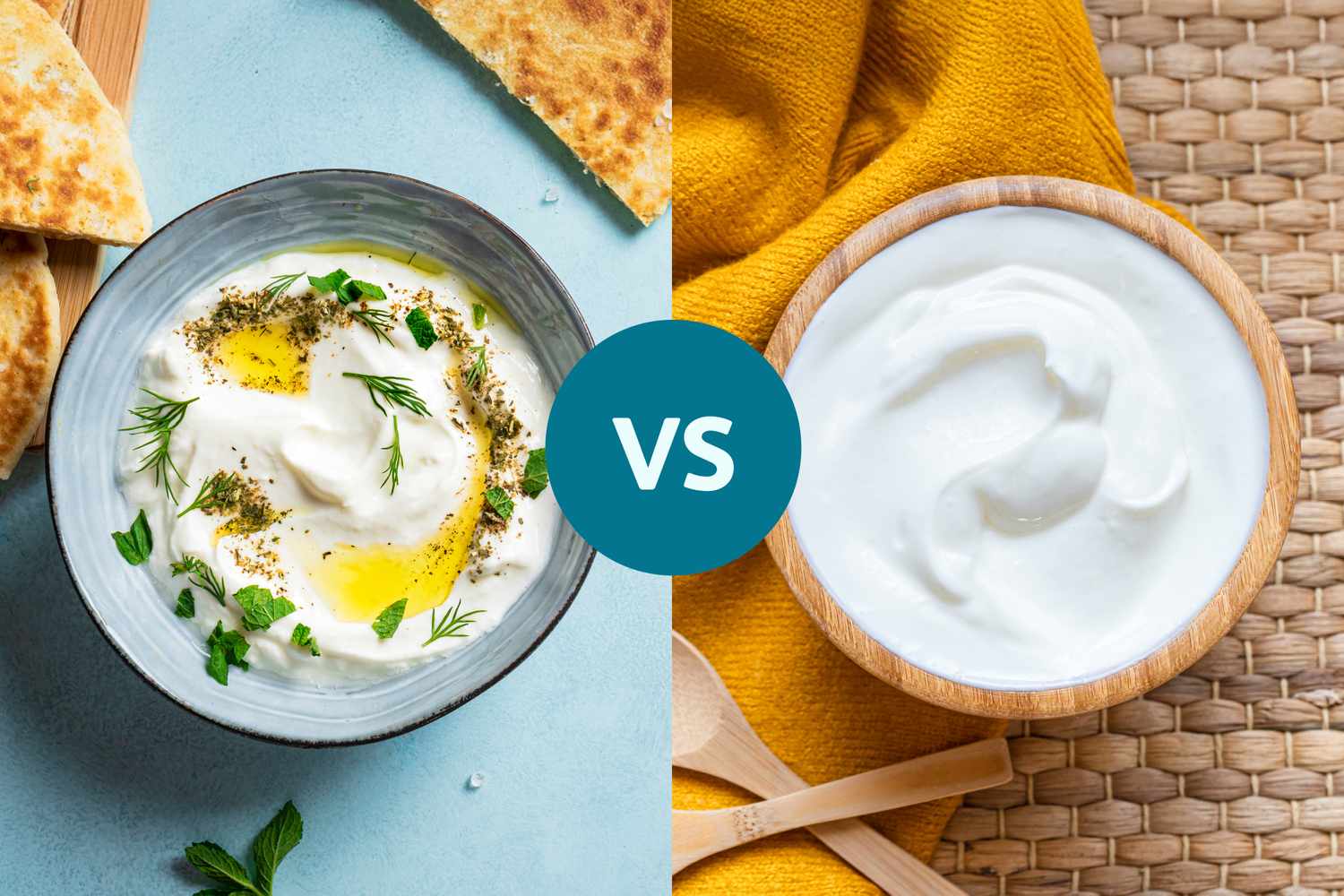
- Mid-Window Snack: A bowl of Greek yogurt with berries or a small portion of almonds.
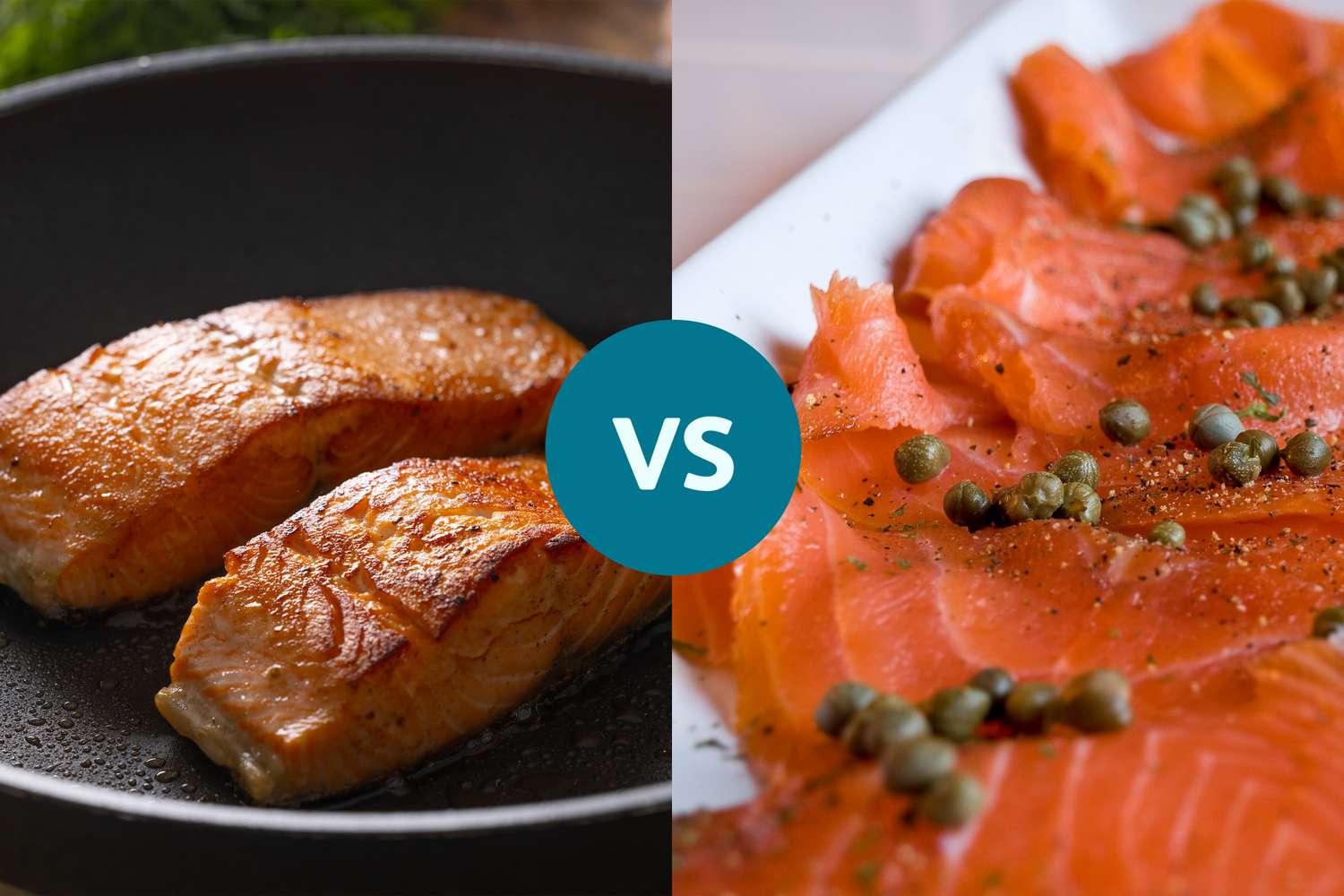
- Second Meal (Dinner): Grilled salmon or chicken breast with a double serving of roasted vegetables and a small portion of sweet potato or quinoa.
By "anchoring" your window with protein, you ensure that you preserve muscle mass while the body targets fat stores. Clinical trial data indicates that following a 16/8 intermittent fasting schedule for four weeks can lead to a 25% reduction in fasting insulin levels, making it one of the most effective tools for metabolic health.
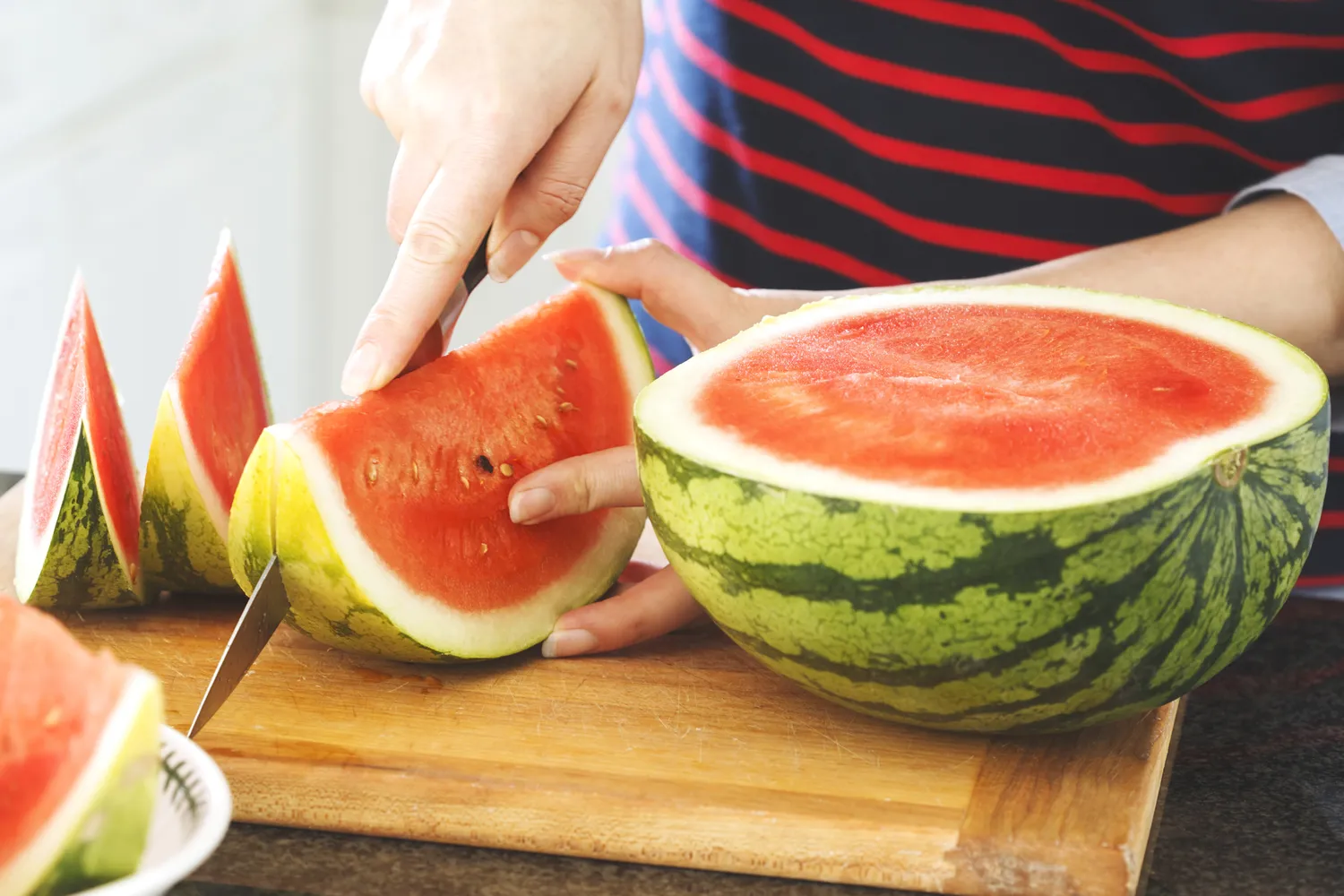
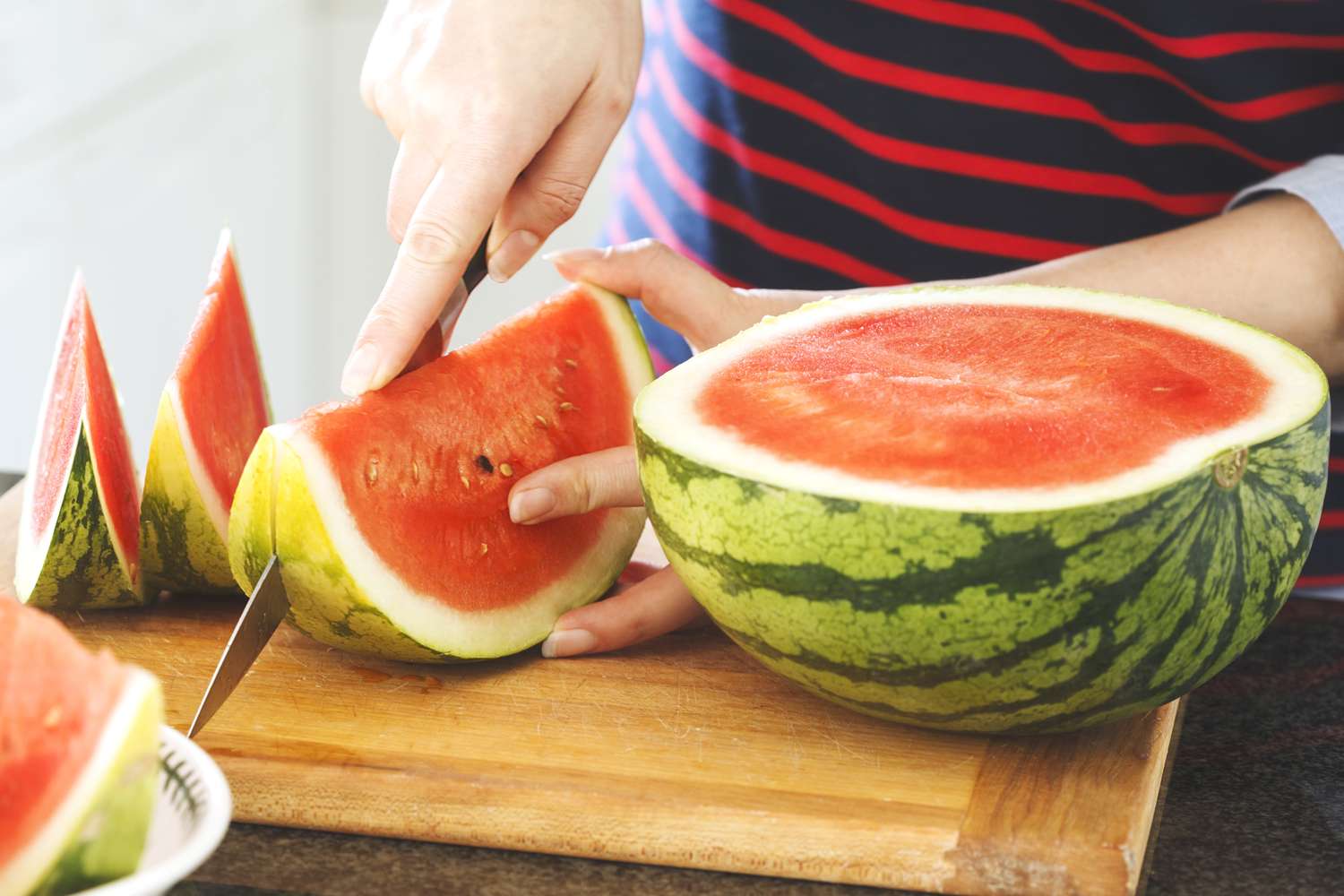
As shown in the image above, the best foods for intermittent fasting are those that come from the earth. Prioritizing fresh, whole ingredients ensures you are getting the micronutrients necessary to prevent the fatigue often associated with a calorie deficit.
Safety First: Who Should Avoid 16/8 Fasting?
While 16/8 is safe for the general population, it is a metabolic intervention that should be treated with respect. Always prioritize safety over "hitting your numbers."
Safety Warning: Intermittent fasting is not a "one-size-fits-all" solution. You should consult a physician before starting if you have Type 1 Diabetes, are pregnant or breastfeeding, or have a history of disordered eating.
Another essential element of intermittent fasting tips for beginners is maintaining electrolyte balance. As insulin levels drop, your kidneys excrete more sodium and water. This can lead to the "keto flu" or fasting headaches. Adding a pinch of sea salt to your water or using a high-quality, sugar-free electrolyte supplement can prevent the fatigue and dizziness that sometimes occur during the transition phase. Research suggests that daily 16/8 intermittent fasting can naturally reduce calorie intake by approximately 250 calories per day, resulting in a weight loss of about half a pound per week, but this only works if you stay hydrated and healthy enough to stick with the protocol.
FAQ
How do I start 16/8 intermittent fasting for the first time?
The best way to start is by gradually pushing your breakfast back by one hour every two days. This allows your hunger hormones to adjust slowly. Simultaneously, ensure your last meal of the day is rich in healthy fats and fiber to keep you full throughout the night.
What can you drink while fasting 16/8?
During the 16-hour fasting window, stick to non-caloric beverages. Water, sparkling water, black coffee, and plain teas are your best options. Avoid any drinks with added sugars, creamers, or artificial sweeteners that might interfere with your metabolic state.
How long does it take to see weight loss results on a 16/8 schedule?
According to the 16/8 intermittent fasting results timeline, most people notice a decrease in bloating within the first week. Significant weight loss typically becomes visible between weeks 4 and 8. On average, you can expect to lose about half a pound per week if you maintain a modest calorie deficit.
Does black coffee break a 16-hour fast?
No, black coffee does not break a fast as it contains virtually zero calories and does not trigger a significant insulin response. In fact, it can help the fasting process by boosting your metabolism and suppressing appetite.
Can I exercise in the morning if I am fasting until noon?
Yes, you can exercise while fasting. Many people find that "fasted cardio" helps accelerate fat oxidation. However, if you are doing heavy weightlifting, you may find your performance is better if you schedule your workout closer to your first meal or during your eating window. Always listen to your body and stop if you feel lightheaded.