Quick Facts
- Market Value: The global functional foods market is estimated to reach a value of USD 357.74 billion in 2024 with nearly 9% annual growth.
- Consumer Awareness: Nearly 75% of global consumers are now aware of foods that provide health benefits beyond basic nutrition.
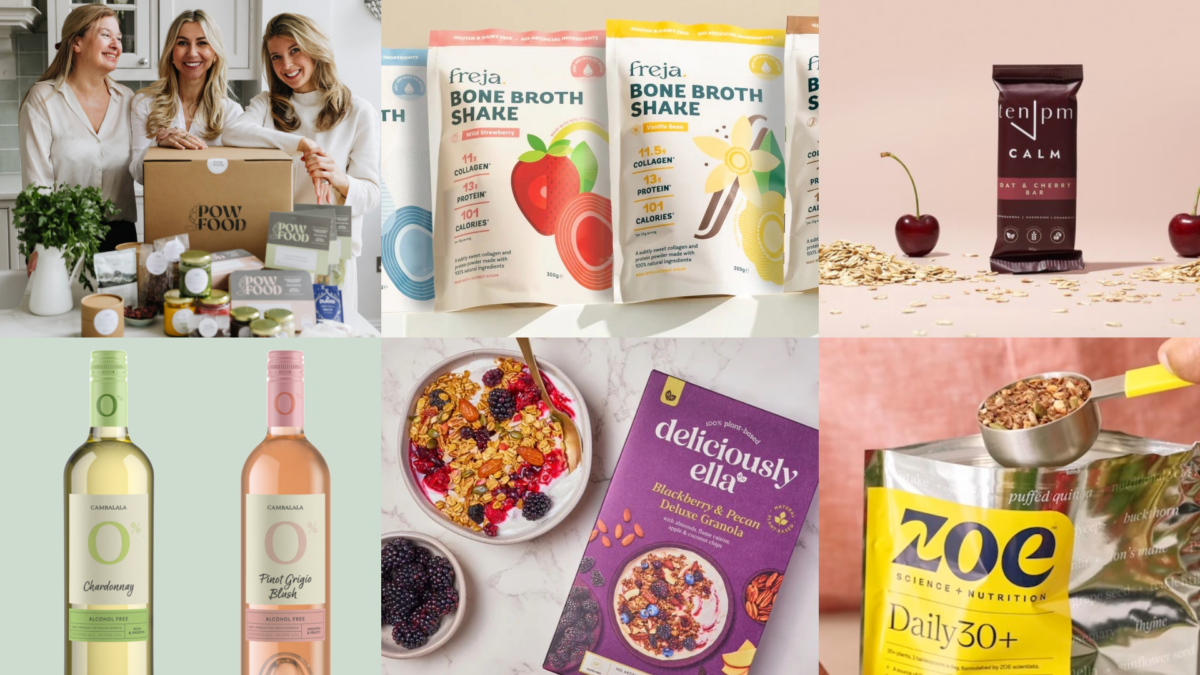
- Gut Health Revolution: Innovations are moving toward plant diversity and prebiotic fibers, exemplified by products like ZOE Daily30+.
- Mental Well-being: Approximately 21% of Americans report consuming specific foods to boost their mood and mental clarity.
- Sober Curious Growth: Alcohol-free botanical infusions and nootropics are replacing traditional spirits for social wellness.
- Clean Label Focus: 2024 trends emphasize nutrient density and bioavailable ingredients over "free-from" marketing.
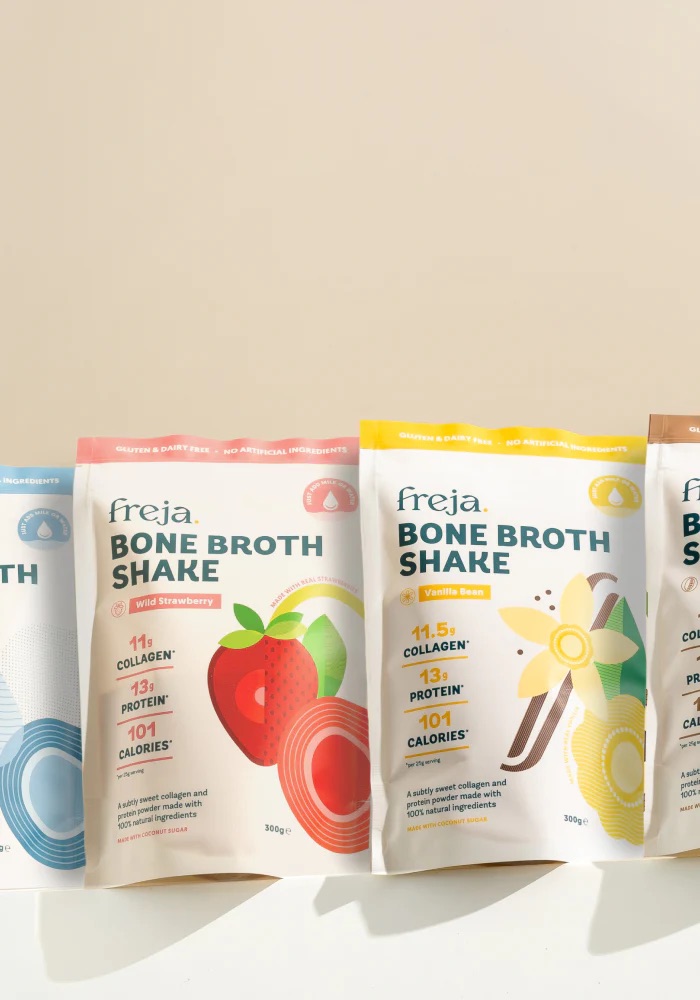
Functional food innovations in 2024 prioritize gut health, nutrient density, and convenient wellness. These developments include collagen-rich bone broth shakes, fiber-dense plant supplements like Zoe Daily30+, and chef-prepared meal bundles designed to support the microbiome and improve digestion through clean label ingredients and bioavailable nutrients.
The landscape of nutrition is shifting from removing "bad" ingredients to actively adding "good" ones. In 2024, functional food innovations are redefining health through nutrient density and bioavailable ingredients that support everything from digestion to mental clarity. This guide explores the trends shaping our plates and glasses, helping you navigate the complex world of selecting functional food innovations for daily nutrition.
The Shift to 'Functional-For': 2024 Industry Trends
For years, the health food industry was obsessed with what was missing. We looked for "sugar-free," "gluten-free," or "fat-free" labels. However, as we move through 2024, the narrative has fundamentally changed. We are now in the era of "functional-for." Consumers are asking what their food can do for them, leading the global functional foods market to hit a projected USD 357.74 billion this year.
This evolution is driven by a more sophisticated understanding of biology. With more than half of consumers expressing active interest in functional products, brands are responding by infusing everyday staples with bioactive compounds. We are seeing a surge in clean label ingredients that offer transparency and trust. This trend is further accelerated by the rise of personalized wellness and the impact of GLP-1 medications, which have increased the demand for high-protein, nutrient-dense profiles that maintain muscle mass and satiety.
Editor’s Note: The goal of 2024 nutrition isn't just to avoid illness; it's to optimize performance. Whether it's cognitive performance or metabolic health, the food on your plate is becoming your most powerful tool.
Revolutionizing Digestion: Gut Health Supplements and Snacks
As a gut health specialist, I find the current innovations in digestive wellness particularly exciting. We have moved far beyond the basic yogurt cup. Today, gut health supplements and snacks are focused on microbiome diversity—the idea that a wider variety of plant types leads to a more resilient digestive system.
The focus has shifted toward prebiotic fibers and complex plant compounds that feed the beneficial bacteria already living in your gut. Rather than just "seeding" the gut with a single probiotic strain, 2024 is about "weeding and feeding." This involves choosing the best gut health supplements and snacks that incorporate a wide spectrum of botanical infusions and resistant starches.
ZOE Daily30+ and Plant Diversity
One of the most significant "Market Movers" this year is the rise of whole-food plant supplements. Products like ZOE Daily30+ encourage consumers to add 30 different plants to their weekly diet through a single scoop of nutrient-dense seeds, herbs, and fungi. This approach prioritizes microbiome diversity over isolated pill-based vitamins.
Sourdough and Fermented Innovations
We are also seeing a resurgence in traditional fermentation applied to modern convenience. Sourdough crackers and fermented nut butters are becoming mainstream, providing a natural way to consume bioavailable nutrients and enzymes that assist in breaking down difficult-to-digest proteins.
| Innovation Type | Key Benefit | Example Ingredients |
|---|---|---|
| Whole-Food Powders | Microbiome Diversity | Flaxseeds, kale, mushrooms, chicory |
| Bioavailable Collagen | Gut Lining Support | Grass-fed bovine collagen, amino acids |
| Prebiotic Sodas | Digestive Comfort | Agave inulin, apple cider vinegar |

Mental Clarity and Calm: Adaptogenic Wellness Snacks
The connection between the gut and the brain—often called the gut-brain axis—is the foundation of the growing nutritional psychiatry movement. In 2024, 30% of adults aged 25 to 34 are specifically looking for foods that boost mood and mental well-being. This has birthed a new category: adaptogenic wellness snacks.
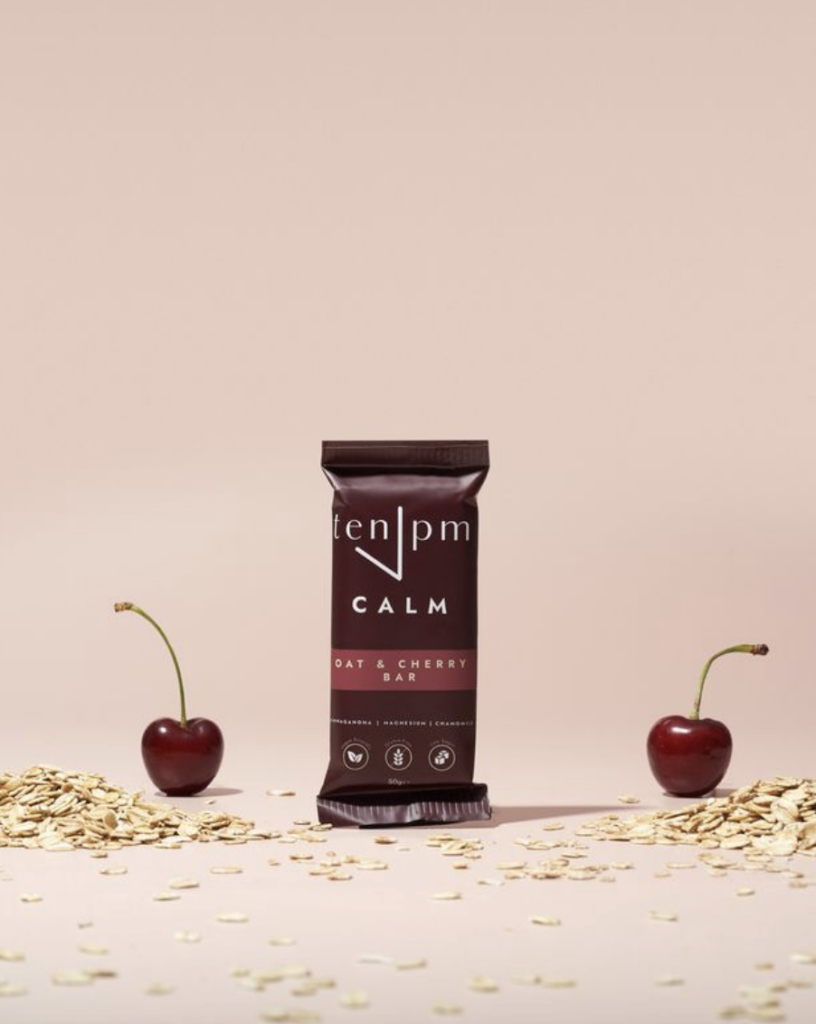
These products utilize adaptogens like ashwagandha and reishi mushrooms to help the body manage stress. By modulating cortisol reduction, these ingredients help maintain a steady state of calm and improve cognitive performance throughout the workday. Many of these snacks also include magnesium and chamomile, which work synergistically to calm the nervous system and improve sleep quality.
Ashwagandha-Infused Treats
New offerings like ashwagandha-infused oat bars are changing how we snack. Instead of a mid-afternoon sugar crash, these bars provide sustained energy while lowering stress markers. If you are wondering how to incorporate adaptogenic wellness snacks into your routine, start by replacing your standard afternoon granola bar with one of these top-rated ashwagandha snacks for stress and sleep.
Nootropic Focus Bars
Beyond stress relief, nootropics are being added to snacks to enhance mental clarity. Ingredients like Lion’s Mane mushroom and L-theanine are being paired with dark chocolate to create a functional treat that supports focus without the jitters often associated with high caffeine intake.
Market Mover: The Rise of 'Euphoric' Snacks Brands are now moving into the "euphoric" space, creating snacks that use botanical infusions to mimic the relaxing effects of a glass of wine, but with the added benefits of magnesium and B-vitamins.
The Sober Curious Movement: Alcohol-Free Drink Alternatives
The sober curious movement is no longer a niche trend; it is a cultural shift. With Gen Z leading the charge, the demand for sophisticated alcohol-free drink alternatives has skyrocketed. Consumers are looking for the "ritual" of a drink without the inflammatory effects of alcohol on the gut microbiome.
Modern functional beverages are far more than just flavored sparkling water. They often incorporate prebiotics, nootropics, and electrolytes. These botanical infusions offer a complex flavor profile similar to fine spirits or wine, but with functional benefits like improved focus and hydration.
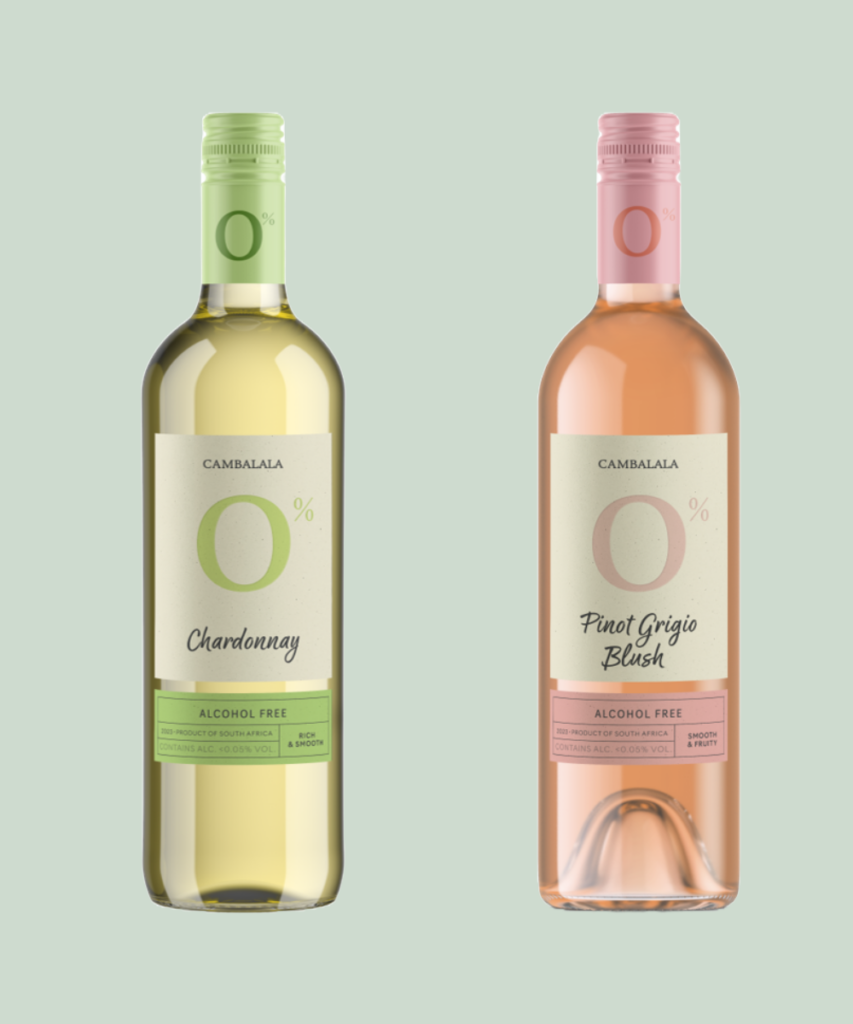
Zero-Percent Wines and Spirits
Retailers like Aldi have democratized this space with offerings like Zerozecco, making alcohol-free celebrations accessible to everyone. Meanwhile, premium brands are using distillation processes to extract flavors from botanicals, creating alcohol-free gins and aperitifs that provide a social "buzz" through the use of natural nootropics.
Guide to the Best Alcohol-Free Drink Alternatives
When looking for the best options, prioritize those that use clean label ingredients. Look for:
- Botanical Distillates: For a gin-like experience without the ethanol.
- Prebiotic Tonics: To support gut health while you socialize.
- Adaptogenic Seltzers: Using magnesium or L-theanine for relaxation.
Practical Ways to Upgrade Your Daily Nutrition
Transforming your diet doesn't require a total overhaul. The most sustainable way to adopt these trends is through small, consistent swaps. One of the most effective methods is utilizing functional meal bundles for a healthy lifestyle reset. These bundles often come with chef-prepared meals that prioritize nutrient density and bioavailable collagen, taking the guesswork out of healthy eating.
Adding Plant Diversity to Your Routine
You can also try practical ways to add plant diversity supplements to recipes. A scoop of a functional plant powder can be easily stirred into morning oatmeal, blended into a smoothie, or even folded into a pasta sauce. This simple habit ensures you are meeting the "30 plants a week" goal recommended by top microbiome researchers.
Bone Broth as a Functional Foundation
Bioavailable collagen is a cornerstone of gut lining repair. Incorporating collagen-rich bone broth into your daily routine—either as a warm beverage or as a base for soups—provides the amino acids necessary for maintaining a healthy intestinal barrier.
- Morning: Add a scoop of bioavailable collagen to your coffee or tea.
- Lunch: Choose a meal from a functional meal bundle that emphasizes lean protein and fermented sides.
- Afternoon: Swap your standard coffee for an adaptogenic wellness snack to manage the 3 PM cortisol spike.
- Evening: Enjoy an alcohol-free drink alternative with botanical infusions to signal to your body that it's time to wind down.
FAQ
What are the latest trends in functional food innovations?
The most prominent trends include the rise of nutritional psychiatry through adaptogenic snacks, the expansion of the sober curious movement with alcohol-free botanical drinks, and a massive shift toward microbiome diversity using whole-plant prebiotic supplements. There is also a significant move toward clean label ingredients that prioritize bioavailability over marketing buzzwords.
What are some examples of innovative functional foods?
Key examples include ZOE Daily30+, which focuses on plant diversity; ashwagandha-infused oat bars for stress management; zero-percent botanical spirits for social wellness; and bone broth shakes that provide high levels of bioavailable collagen and protein.
How do functional foods differ from standard nutritional supplements?
While supplements usually provide isolated vitamins or minerals in pill or capsule form, functional foods integrate these bioactive compounds directly into whole food formats like snacks, drinks, or meals. This often improves the absorption of nutrients and makes healthy habits easier to maintain within a daily routine.
What are the primary health benefits of functional food innovations?
The primary benefits include improved digestive health through prebiotic fibers, better stress management via adaptogens, enhanced cognitive performance from nootropics, and better metabolic health through high nutrient density and protein-forward profiles.
Why is there an increasing demand for functional food products?
Demand is rising because consumers are better educated about the link between diet and long-term health, particularly the gut-brain axis. Additionally, a post-pandemic focus on proactive wellness and the influence of personalized nutrition technology have made people more eager to use food as a tool for optimization rather than just fuel.