Quick Facts
- Effective Date: January 1, 2026, for the first round of negotiated drug prices.
- Biggest Drop: The price for Januvia will see a 79% reduction compared to 2023 list prices.
- Estimated Savings: Beneficiaries are projected to save a total of $1.5 billion in out-of-pocket expenses.
- Primary Drugs Affected: Januvia, Jardiance, Farxiga, Fiasp, and NovoLog products.
- Next Steps: Popular GLP-1 medications like Ozempic are scheduled for the 2027 price drop round.
- Eligibility: These price cuts specifically apply to patients enrolled in Medicare Part D.
Starting January 1, 2026, significant diabetes drug price cuts will take effect under the Inflation Reduction Act. Medicare beneficiaries can expect massive savings on key medications as the CMS negotiation process sets the first-ever Maximum Fair Prices. This guide breaks down the negotiated prices for SGLT2 and DPP-4 inhibitors.
Understanding the 2026 Medicare Drug Price Negotiation
For decades, the federal government was legally barred from negotiating the price of prescription drugs directly with manufacturers. That changed with the passage of the Inflation Reduction Act, which granted the Centers for Medicare & Medicaid Services (CMS) the authority to lower costs for some of the most expensive medications on the market. Understanding the 2026 Medicare drug price negotiation for seniors is essential because it marks a fundamental shift in how your healthcare is funded.
The CMS negotiation process focuses on drugs that account for the highest total spending within Medicare Part D and have been on the market for several years without generic competition. These medications often treat chronic conditions that require long-term adherence, making them a significant financial burden for the healthcare system and individual patients alike. By establishing a Maximum Fair Price for these drugs, the government aims to ensure that life-saving treatments remain accessible.
For the first round of negotiations, diabetes treatments were a top priority. Four of the ten drugs selected for the 2026 price drops are used to manage diabetes. These drugs were chosen because they serve millions of Americans but have remained high-priced due to a lack of generic alternatives. This federal drug pricing reform is designed to address chronic condition affordability by bringing list prices closer to the actual value the medications provide.
While the negotiation process involves complex discussions between the government and pharmaceutical companies, the outcome for you is straightforward: the list price used to calculate your costs will be lower. This is part of a broader effort to provide Medicare Part D diabetes savings and stabilize the financial future of the program while providing immediate relief to those who need it most.
2026 Cost Comparison: Januvia, Jardiance, and Farxiga
The most impactful part of this policy is the actual reduction in the list prices for these medications. When we look at the list of diabetes medications with lower Medicare prices in 2026, the numbers are striking. For instance, the negotiated Medicare price for the diabetes medication Januvia will be $113 for a 30-day supply starting in 2026, marking a 79% reduction from its 2023 list price of $527.
Other medications in the SGLT2 inhibitors and DPP-4 inhibitors classes are seeing similar drops. These drugs are vital for managing blood sugar levels and, in many cases, protecting heart and kidney health in patients with type 2 diabetes care needs.
| Medication | 2023 List Price (30-day) | 2026 Negotiated Price (30-day) | Percentage Reduction |
|---|---|---|---|
| Januvia | $527 | $113 | 79% |
| Farxiga | $556 | $178.50 | 68% |
| Jardiance | $573 | $197 | 66% |
| Fiasp & NovoLog | $495 (approx) | $119 | 76% |
If you are wondering how much will Jardiance cost with 2026 Medicare cuts, the new Maximum Fair Price of $197 is a massive improvement over the previous list price of $573. Similarly, the Farxiga Medicare Part D price reduction effective date 2026 ensures that starting in 2026, the diabetes drug Farxiga will have a negotiated Medicare price of $178.50 per 30-day supply, which is 68% lower than its $556 list price in 2023.
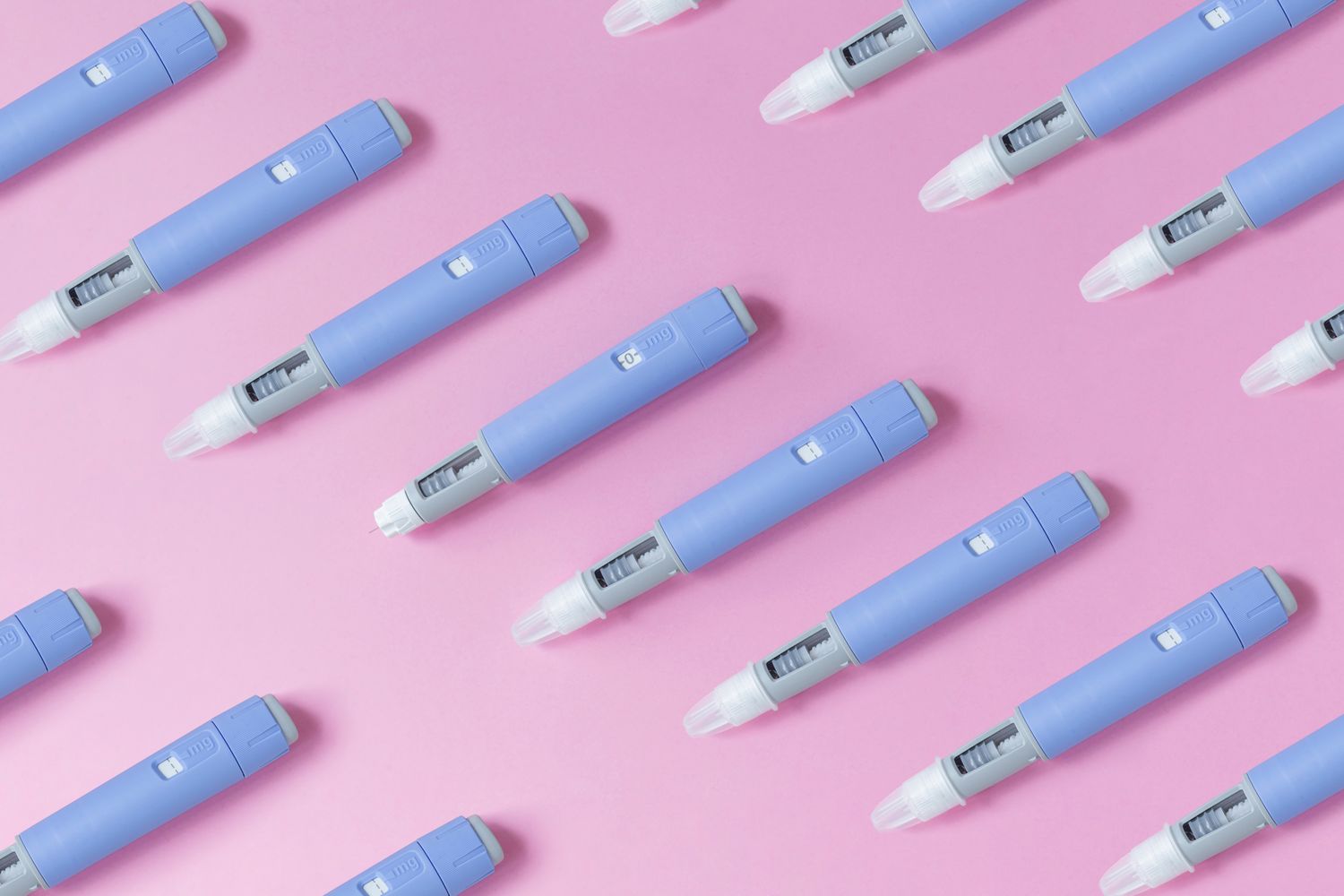
These negotiated prices also extend to specific rapid-acting insulin analogs. Insulin products like Fiasp and NovoLog, which are essential for many patients to manage their glucose levels throughout the day, will also see their list prices drop significantly to $119 for a 30-day supply. This is a crucial step in reducing out-of-pocket diabetes costs for those who rely on daily injections.
Impact on Your Wallet: Out-of-Pocket Costs and Formularies
While the negotiated list prices are a huge victory, it is important to understand how they translate to your monthly pharmacy bill. Your actual out-of-pocket costs depend heavily on your specific Medicare Part D plan's formulary placement and beneficiary cost-sharing requirements.
In most Medicare plans, drugs are organized into tiers. If a drug like Jardiance or Farxiga is placed on a preferred tier, your copay may be lower than if it were on a non-preferred tier. However, the drop in list price means that even if you pay a percentage of the drug's cost (known as coinsurance), that percentage is now calculated based on a much smaller number. Reducing diabetes copays with 2026 Medicare negotiation results will be most visible for patients who frequently reach the "coverage gap" or those whose plans have high coinsurance rates.
There is more good news for your budget. In 2025, a year before these price cuts take effect, Medicare is introducing a $2,000 annual out-of-pocket cap for all Part D beneficiaries. This means that by the time the diabetes drug price cuts arrive in 2026, you will already be protected by a yearly spending ceiling. The combination of the spending cap and the lower negotiated prices means that Medicare’s first round of drug price negotiations is estimated to save beneficiaries approximately $1.5 billion in total out-of-pocket costs in 2026 alone.
You should also keep an eye on how pharmacy benefit managers adjust their formularies. Since the Maximum Fair Price is the highest price a plan will pay for these drugs, it is expected that these medications will be widely available on most Medicare Part D plans. However, always review your plan's annual "Evidence of Coverage" to see where these drugs sit in the tier structure for the coming year.
The Roadmap for Ozempic and GLP-1 Medications
One of the most common questions from patients is: what about Ozempic? Many people are currently using popular GLP-1 medications like Ozempic, Mounjaro, or Rybelsus to manage their type 2 diabetes care. While these drugs are incredibly effective, they were not part of the first round of price negotiations that take effect in 2026.
The reason involves the market exclusivity rules established by the government. Generally, a drug must be on the market for 7 years (for small-molecule drugs like pills) or 11 years (for biologics like many injections) before it becomes eligible for negotiation. This allows manufacturers time to recoup their research and development costs.
However, the wait won't be much longer. When will Ozempic prices drop compared to 2026 negotiations? Ozempic has already been selected for the second round of Medicare negotiations. This means its lower, negotiated price is scheduled to take effect on January 1, 2027. Preliminary reports suggest the negotiated price for Ozempic could drop to approximately $274, providing another massive wave of savings just one year after the initial cuts.
For the 2026 calendar year, the price drops are concentrated on SGLT2 inhibitors like Jardiance and Farxiga, DPP-4 inhibitors like Januvia, and specific rapid-acting insulin analogs. If you are currently on a GLP-1, you will still benefit from the $2,000 out-of-pocket cap in 2025 and 2026, but the direct price drop for the medication itself is on the horizon for 2027.
Timeline of Medicare Savings
To help you plan your healthcare spending over the next few years, here is a quick look at the upcoming milestones:
- January 1, 2025: The $2,000 annual out-of-pocket cap for Medicare Part D goes into effect. This is the first major protection against high drug costs.
- January 1, 2026: Negotiated prices for the first 10 drugs, including Januvia, Jardiance, and Farxiga, take effect. List prices drop by 38% to 79%.
- January 1, 2027: The second round of negotiated prices, including Ozempic, will take effect, expanding savings to more medications.
This roadmap shows a clear trend toward making essential medications more affordable for seniors. By staying informed about these changes, you can better manage your health and your finances.
FAQ
Which diabetes medications are seeing price reductions?
The primary diabetes medications seeing price reductions starting in 2026 are Januvia, Jardiance, and Farxiga, along with several insulin products including Fiasp, Fiasp FlexTouch, Fiasp PenFill, NovoLog, NovoLog FlexPen, and NovoLog PenFill. These medications represent some of the most widely used treatments for type 2 diabetes management.
When do the new diabetes drug price cuts go into effect?
The negotiated prices for the first round of medications, which include the diabetes drugs mentioned above, will officially take effect on January 1, 2026. However, related benefits like the $2,000 out-of-pocket spending cap will begin even earlier, on January 1, 2025.
Do the diabetes drug price cuts apply to Medicare patients?
Yes, these specific price cuts are a direct result of the Inflation Reduction Act's Medicare drug price negotiation program. They apply specifically to beneficiaries enrolled in Medicare Part D. These changes do not automatically apply to commercial insurance plans or to patients paying cash, though they may influence broader market trends over time.
How do the new price cuts affect out-of-pocket costs for diabetes?
The price cuts lower the list price that insurance plans use to calculate your share of the cost. For example, if you pay 25% coinsurance for Januvia, you will be paying 25% of the new $113 price rather than 25% of the old $527 price. This, combined with the $2,000 annual out-of-pocket limit, should significantly lower your total yearly spending on diabetes care.
Will individuals without insurance benefit from the price cuts?
The Maximum Fair Price negotiated by Medicare is specifically for Medicare Part D plans. Individuals without insurance or those on private employer-sponsored insurance do not automatically receive these specific negotiated prices. However, the increased transparency and the lower price benchmarks may encourage manufacturers to lower costs across other sectors to remain competitive with Medicare’s rates.
If you are a Medicare beneficiary, now is the time to look ahead. As we approach 2026, make sure to use the Medicare Plan Compare tool during the annual enrollment period to see how these new diabetes drug price cuts will affect your specific plan options. These changes are designed to put money back in your pocket while ensuring you have access to the medications you need to stay healthy.