Quick Facts
- Top Pick for Omega-3: Salmon (contains 14x more heart-protective fats than Atlantic cod)
- Top Pick for Lean Protein: Atlantic Cod (only 82 kcal per 100g serving)
- Best for Thyroid Support: Cod (provides over 100% of the daily value for iodine)
- Best for Vitamin D: Salmon (contains 15x more vitamin D than white fish varieties)
- Lipid Management: Regular salmon consumption can reduce triglycerides by 15%
- Cardiovascular Mortality: High fatty fish intake is linked to a 17% lower risk of heart disease death
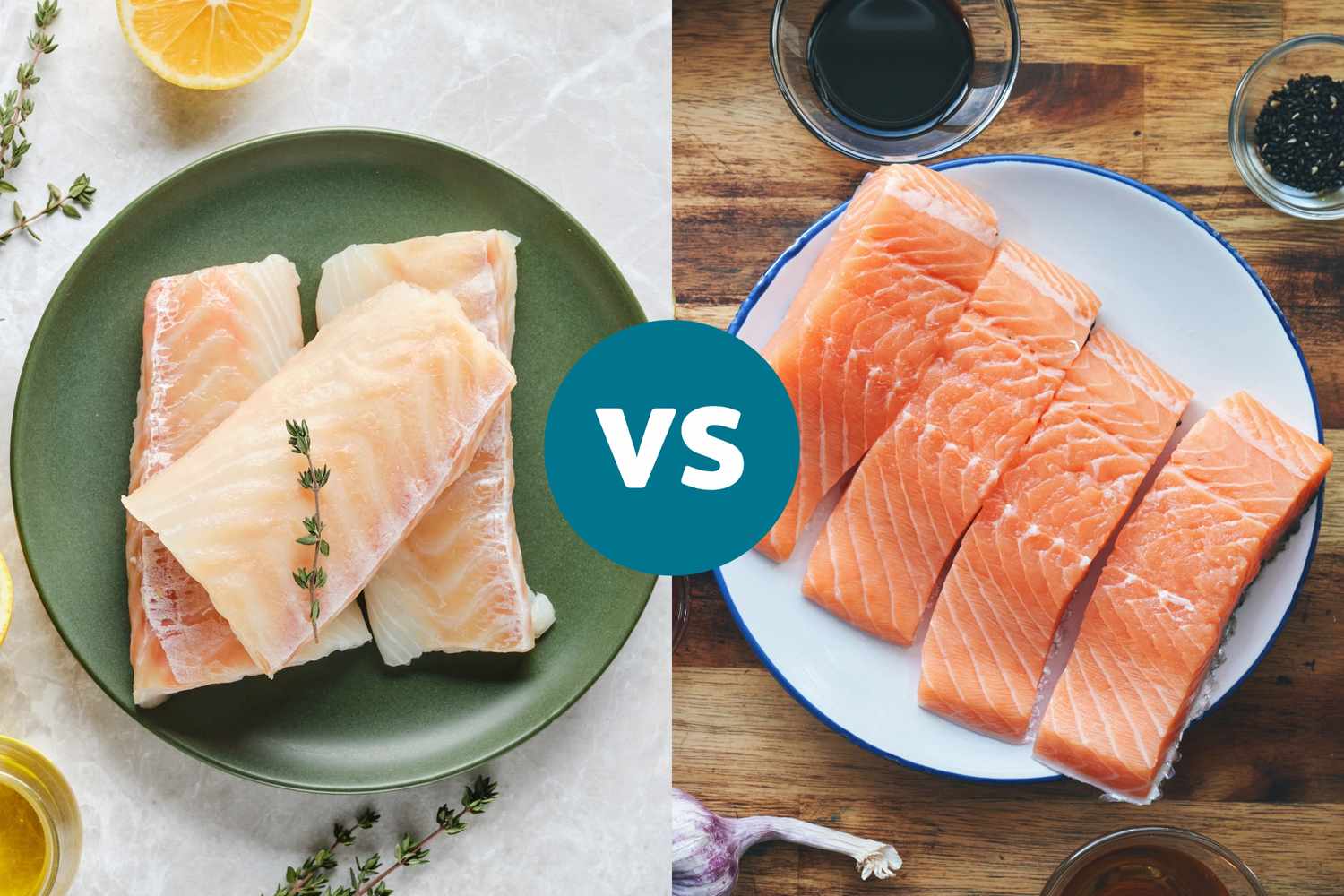
Salmon is the definitive winner for heart protection due to its high omega-3 content, while cod serves as a superior lean protein for weight management. Both offer unique benefits for a heart-healthy diet, but salmon provides the essential fatty acids required to actively reduce inflammation and improve lipid profiles.
| Nutrient (per 3-ounce cooked serving) | Atlantic Cod | Wild-Caught Salmon |
|---|---|---|
| Calories | 90 kcal | 155 kcal |
| Protein | 20 g | 22 g |
| Total Fat | 0.6 g | 7 g |
| EPA (Omega-3) | 19 mg | 733 mg |
| DHA (Omega-3) | 38 mg | 938 mg |
| Vitamin D | 40 IU | 600 IU |
| Iodine | 150+ mcg | 35 mcg |
| Selenium | 28 mcg | 40 mcg |
Nutritional Breakdown: Omega-3 and Beyond
When we look at the nutritional value of cod vs salmon, the most striking difference lies in the lipid profile. As a vitamins and minerals editor, I often see consumers group all fish into a single healthy category, but the molecular reality is quite different. Salmon is a fatty fish, meaning it stores oil throughout its flesh. Atlantic cod, conversely, is a lean fish that stores most of its oil in its liver rather than its muscle tissue.
This biological difference results in a massive gap in omega-3 content cod vs salmon. A 3-ounce serving of cooked salmon contains approximately 733 mg of EPA and 938 mg of DHA. In contrast, the same portion of cod provides significantly lower amounts at approximately 19 mg of EPA and 38 mg of DHA. When calculating the omega-3 levels in cod vs salmon for heart health, salmon provides roughly 14 times the concentration of these essential fats.
Beyond the fats, salmon is a powerhouse for vitamin D, providing nearly 15 times more than cod. Vitamin D is increasingly recognized as a vital component of cardiovascular wellness, helping to regulate blood pressure and vascular cell function. However, cod holds its own by being a more concentrated source of iodine, a mineral essential for thyroid health that is often overlooked in heart health discussions.
Heart Health Performance: Inflammation and Cholesterol
The primary reason salmon dominates the conversation regarding heart health benefits of salmon and cod is its ability to modulate systemic inflammation. The EPA and DHA found in salmon are converted by the body into resolvins and protectins—compounds that actively "switch off" inflammatory processes in the arteries.
Clinical data strongly supports the use of oily fish for lipid management. Research has shown that consuming 125 grams of salmon daily for four weeks can reduce triglycerides by 15% and LDL-cholesterol by 7% while increasing HDL-cholesterol by 5%. This trifecta of lipid improvements makes salmon a potent tool for those asking is cod or salmon better for lowering cholesterol.
Cod, while lower in omega-3s, contributes to cardiovascular health through its high-quality protein and low saturated fat content. It is a staple of the Mediterranean diet because it provides satiety without adding significant caloric load or unhealthy fats. However, if the goal is preventing coronary events, the data leans toward fatty fish. A meta-analysis of 19 prospective cohort studies found that high fatty fish consumption is associated with a 17% lower risk of coronary heart disease mortality, whereas lean fish intake showed no significant association with the same outcome.
Metabolic Synergy: Weight Loss and Thyroid Function
While salmon is the anti-inflammatory champion, lean cod vs oily salmon for heart-healthy weight loss is a different story. If you are managing your weight to reduce the strain on your heart, cod is an exceptional ally. It is one of the leanest protein sources available, providing high protein density with very few calories. This makes it easier to maintain a caloric deficit while ensuring your muscles—including your heart muscle—receive the amino acids they need.
There is also a hidden benefit in cod: iodine. Most people do not associate thyroid health with the heart, but thyroid hormones regulate your heart rate and the force of its contractions. Cod is one of the best dietary sources of iodine, providing over 100% of the daily requirement in a single serving. By supporting thyroid metabolism, cod helps maintain a healthy metabolic rate, which indirectly supports cardiovascular wellness.
Furthermore, the selenium content in both fish acts as an antioxidant, protecting the heart from oxidative stress. Salmon typically has slightly higher selenium levels, but cod remains a significant source. Combining these minerals with the high protein bioavailability of white fish makes cod a strategic choice for heart-healthy fish recommendations for frequent consumption, especially for those who find oily fish too heavy for daily meals.
Editor’s Verdict: Which Fish to Choose?
- Choose Salmon if: You are focused on lowering triglycerides, reducing systemic inflammation, or boosting vitamin D levels. It is the gold standard for active heart protection.
- Choose Cod if: You are prioritizing weight loss, managing a strict calorie budget, or need to support thyroid function through iodine intake.
The 'Black Cod' Nuance: Sablefish vs Salmon
In the culinary world, you may encounter "Black Cod," also known as Sablefish. It is important to distinguish this from the Atlantic cod discussed above. Sablefish is not actually a member of the cod family; it is a deep-water fish with a much higher fat content.
In a sablefish vs salmon heart benefits comparison, the sablefish often rivals or even exceeds salmon in omega-3 concentration. It has a buttery texture and provides a similar level of cardiovascular protection through high EPA and DHA levels. When navigating a menu or grocery store, remember that "Atlantic Cod" is the lean protein option, while "Black Cod" or "Sablefish" behaves nutritionally more like salmon.
Regarding safety, both Atlantic cod and most salmon varieties (especially wild-caught) are considered low-mercury fish. This makes both safe for regular consumption, though alternating between the two is the best strategy for maintaining a diverse nutrient profile while keeping mercury exposure low for long-term heart function.
Preparation Matters: Keeping it Heart-Healthy
The nutritional benefits of these fish can be completely negated by poor preparation. To preserve the omega-3 content and avoid adding pro-inflammatory fats, it is essential to use the best heart-healthy cooking methods for salmon and cod.
- Baking and Roasting: Use a drizzle of olive oil and fresh herbs. This method preserves the delicate EPA and DHA fats in salmon.
- Poaching: Cooking fish in water, broth, or wine is an excellent way to keep cod moist without adding extra calories.
- Grilling: Great for salmon's firm texture; just ensure you don't char the fish, as high heat can create inflammatory compounds.
- Avoid Deep-Frying: Battering and frying fish adds trans fats and excessive calories, turning a heart-healthy protein into a cardiovascular liability.
When incorporating both cod and salmon into a heart-healthy meal plan, aim for the American Heart Association's recommendation of two 3.5-ounce servings of fish per week. A balanced approach might include salmon on Monday for an omega-3 boost and baked cod on Thursday for a lean, light protein dinner.
FAQ
Which is better for your heart, cod or salmon?
Salmon is generally considered better for the heart because it contains high levels of omega-3 fatty acids, which actively lower triglycerides and reduce inflammation. Cod is a healthy, lean protein, but it lacks the significant cardiovascular protective fats found in salmon.
Does salmon have more omega-3 than cod?
Yes, salmon has significantly more omega-3 than cod. On average, a serving of salmon provides about 14 times more EPA and DHA than a serving of Atlantic cod.
Which is healthier, cod or salmon?
Both are healthy, but they serve different roles. Salmon is the better source of essential fatty acids and vitamin D, while cod is superior for low-calorie weight management and iodine. A heart-healthy diet should ideally include both.
Is salmon or cod better for weight loss?
Cod is better for weight loss because it is lower in calories and fat while being very high in protein. This allows for larger portion sizes and better satiety with a lower caloric intake compared to salmon.
Which fish has more mercury, cod or salmon?
Both fish are considered low-mercury options and are safe for regular consumption. In general, wild-caught salmon and Atlantic cod have very similar, low levels of mercury, making them excellent choices for a long-term heart-healthy diet.