Quick Facts
- The Winner: Apple Cider Vinegar (ACV) is more effective for direct blood glucose impact.
- The Mechanism: Acetic acid in vinegar interferes with starch-digesting enzymes, slowing glucose release.
- The Lemon Role: Excellent for hydration and Vitamin C, but offers secondary metabolic support compared to vinegar.
- Key Evidence: ACV can reduce fasting blood sugar by approximately 21 mg/dL in clinical settings.
- Optimal Timing: Consume diluted vinegar 15 to 20 minutes before a starch-heavy meal.
- Safety First: Always dilute one to two tablespoons in at least eight ounces of water to protect your health.
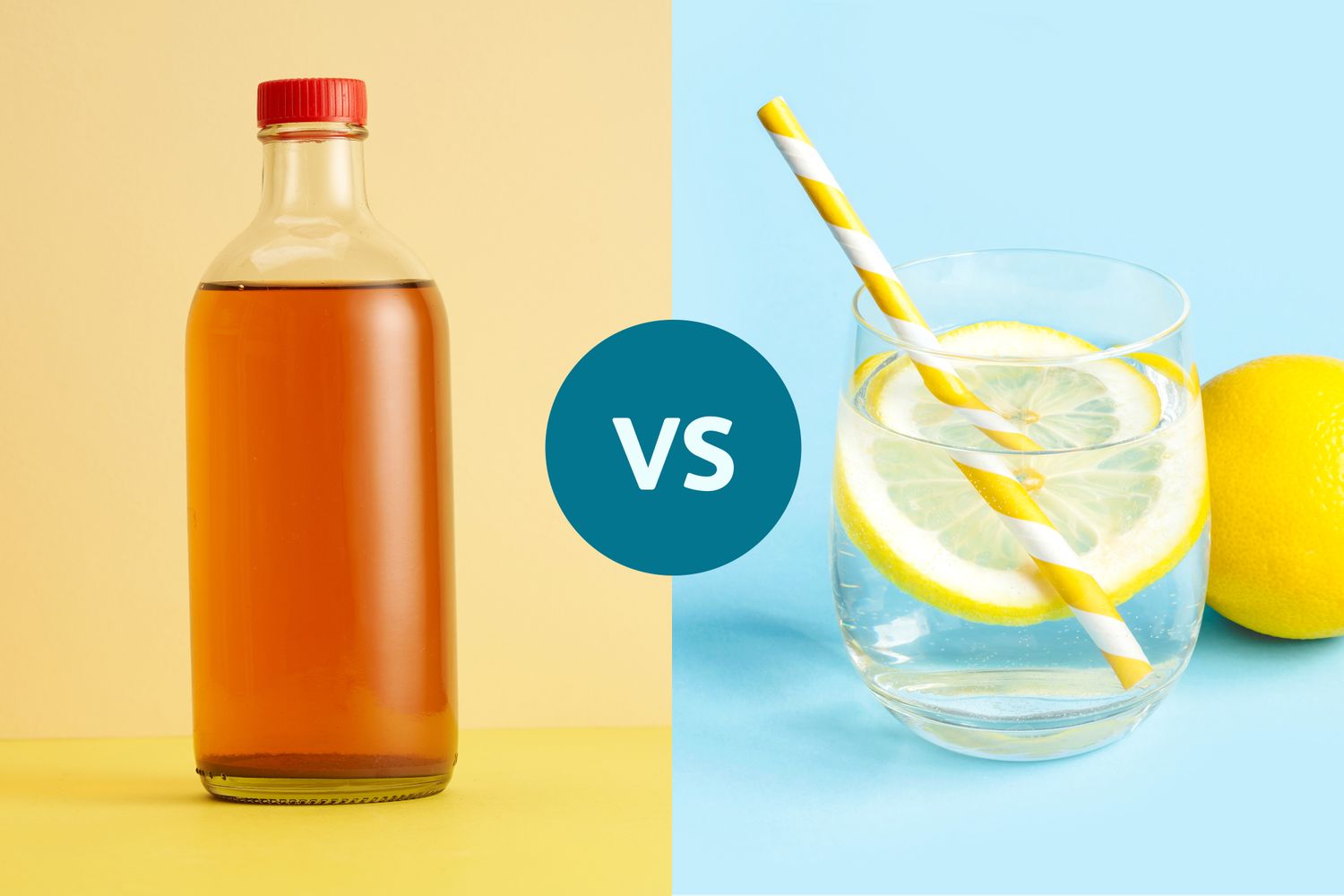
Research suggests ACV vs lemon water is a clear win for the vinegar when it comes to blood sugar regulation, as acetic acid significantly improves insulin sensitivity compared to citric acid. While both offer health benefits, the fermented nature of apple cider vinegar provides a unique metabolic edge that lemon juice cannot replicate in the same capacity.
The Battle of Acids: Acetic vs. Citric
To understand why ACV vs lemon water remains a hot topic in metabolic health circles, we must look at the biochemical mechanisms of their primary components: acetic acid and citric acid. As a supplement editor, I prioritize how these molecules interact with your digestive enzymes and insulin receptors.
Acetic acid, the active component in apple cider vinegar, is a powerhouse for glycemic control. It works through two primary pathways. First, it appears to inhibit the activity of alpha-amylase, an enzyme responsible for breaking down complex starches into simple sugars. When you engage in apple cider vinegar before meals for starch absorption, you are essentially slowing down the rate at which sugar enters your bloodstream. Second, acetic acid promotes gastric emptying at a slower rate, which ensures that nutrients are absorbed more gradually, preventing a sharp postprandial response.
Citric acid, found in high concentrations in lemon water, operates differently. While it doesn't block starch enzymes as effectively as its acetic counterpart, it provides significant levels of antioxidants like hesperidin. There is also evidence that lemon juice can slightly delay gastric emptying, though the effect is less pronounced. When we look at lemon water vs ACV for insulin sensitivity, the vinegar has a more direct impact on how your muscle cells take up glucose, whereas lemon water acts more as a supportive tool for systemic hydration and pH balance.
| Feature | Apple Cider Vinegar (ACV) | Lemon Water |
|---|---|---|
| Primary Acid | Acetic Acid | Citric Acid |
| Main Mechanism | Inhibits starch-digesting enzymes | Enhances hydration and antioxidant status |
| Impact on Starch | Significant reduction in breakdown | Negligible reduction in breakdown |
| Insulin Impact | Improves sensitivity in muscle cells | Minor impact on glucose uptake |
| Best Use Case | Pre-meal glucose management | Daily hydration and Vitamin C boost |
What the Research Says: Clinical Evidence
The debate over ACV vs lemon water isn't just theoretical; recent clinical data provides a clear picture of how these liquids perform in real-world scenarios. For those managing insulin resistance or prediabetes, these numbers are more than just statistics—they are tools for better health.
In the realm of lemon water, a 2021 randomized crossover trial found that consuming lemon juice with a starch-rich meal can lower the peak post-meal blood sugar response by approximately 30% and delay the spike by more than 35 minutes. This suggests that while it may not be as potent as vinegar, lemon water still provides a meaningful buffer for those concerned about lemon water vs ACV for post-meal spikes.
However, apple cider vinegar for glucose management shows even more robust results. One study highlighted that consuming apple cider vinegar before a high-carbohydrate meal has been shown to improve insulin sensitivity by 34% in individuals with insulin resistance and by 19% in those with Type 2 diabetes. Furthermore, a systematic review and meta-analysis indicated that apple cider vinegar consumption significantly reduced fasting blood glucose levels by a weighted mean difference of 21.93 mg/dL.
Data Spotlight: 2025 Clinical Insights A recent analysis suggests a linear relationship between vinegar intake and glucose health. Specifically, researchers noted that for every 1 mL of vinegar consumed, there was a measurable correlation to a 1.255 mg/dL reduction in fasting blood sugar levels in patients with metabolic syndrome. This dosage-aware approach is why I emphasize precise measurement over casual pouring.
For individuals exploring the health benefits of lemon water vs ACV for prediabetes, the evidence leans heavily toward vinegar as the primary therapeutic agent. While lemon water is a fantastic replacement for sugary sodas or juices, vinegar provides the specific biochemical interference required to manage chronic high blood glucose monitoring readings.
Safety and Protocol: Protecting Enamel and Esophagus
As much as I advocate for the benefits of these acids, I must emphasize that they are indeed acids. Without proper safety protocols, you risk damaging your tooth enamel protection and irritating your digestive tract. High acidity can erode the minerals in your teeth, leading to sensitivity and long-term dental issues.
Here is how to consume ACV and lemon water safely:
- The 1:8 Ratio: Never drink ACV or concentrated lemon juice straight. Always dilute one to two tablespoons of vinegar in at least eight to ten ounces of water.
- Timing the Intake: The best time to drink ACV vs lemon water for blood sugar is about 15 to 20 minutes before you eat. This gives the acetic acid time to reach the digestive system before the starch arrives.
- Use a Straw: To bypass the teeth and preserve your enamel, use a reusable straw.
- Rinse After: After finishing your drink, rinse your mouth with plain water to neutralize the pH levels on your teeth.
- Listen to Your Gut: If you experience heartburn or stomach pain, reduce the concentration or discontinue use. Those with gastroparesis should consult a doctor before using ACV, as it can further slow gastric emptying.
When choosing a vinegar, look for a version that contains the mother. This cloudy sediment consists of beneficial bacteria, proteins, and enzymes that are thought to contribute to the overall metabolic health benefits of the fermented liquid.
Creating Your Daily Routine: Can You Mix Them?
You don't have to choose sides in the ACV vs lemon water debate. In fact, many of my readers find that a daily ACV and lemon water routine for glucose control is the most sustainable and effective approach. Combining the two can mask the sharp, pungent taste of vinegar with the refreshing brightness of citrus, making the habit much easier to maintain.
A common and effective routine involves starting your morning with a glass of warm lemon water for hydration and a gentle digestive wake-up call. Then, shift your focus to apple cider vinegar vs lemon water for insulin resistance by using the ACV protocol specifically before your lunch or dinner—whenever your meal contains the highest amount of carbohydrates.
Mixing them into a single "wellness tonic" is also a valid strategy. A recipe of 1 tablespoon of ACV, the juice of half a lemon, a pinch of cinnamon (which also aids blood sugar), and 12 ounces of water provides a comprehensive nutrient profile. This combination leverages the acetic acid needed for glucose control alongside the antioxidants and citric acid from lemons. This balanced approach supports satiety and ensures you are getting a wide spectrum of micronutrients.
FAQ
Is it better to drink apple cider vinegar or lemon water in the morning?
For general hydration and a Vitamin C boost, lemon water is an excellent way to start the morning. However, if your goal is to manage fasting blood sugar or prepare for a carbohydrate-rich breakfast, apple cider vinegar is the more effective choice. Most people find lemon water more refreshing upon waking, while vinegar is better utilized as a pre-meal tool later in the day.
Can you mix apple cider vinegar and lemon water together?
Yes, you can absolutely mix them. Combining the two liquids allows you to benefit from both the acetic acid in the vinegar and the citric acid and antioxidants in the lemon. This combination is often more palatable than plain vinegar and water, which may help with long-term consistency.
Which is more effective for weight loss: ACV or lemon water?
Apple cider vinegar has more clinical evidence supporting its role in weight loss, primarily because acetic acid can increase feelings of fullness and reduce insulin spikes that lead to fat storage. Lemon water is a great tool for weight loss as a calorie-free replacement for sugary drinks, but it does not have the same direct metabolic effect on fat metabolism as ACV.
Does lemon water provide the same benefits as apple cider vinegar?
No, they provide different benefits. Lemon water is superior for Vitamin C intake, hydration, and providing certain citrus flavonoids that support heart health. Apple cider vinegar is specifically unique for its ability to block starch-digesting enzymes and improve insulin sensitivity, a benefit that lemon juice does not offer in the same way.
Which is safer for tooth enamel: ACV or lemon water?
Both are acidic and can pose a risk to tooth enamel if consumed frequently without dilution. However, apple cider vinegar typically has a lower pH (more acidic) than lemon water, making it slightly more aggressive toward enamel. Regardless of which you choose, always dilute the liquid and consider using a straw to protect your dental health.