Quick Facts
- Daily Carb Threshold: 20-57 grams per day is the standard for most low-carb protocols.
- Top Plant Source: Avocados offer 14.7 grams of fat and just 1.83 grams of net carbs per 100-gram serving.
- Satiety Science: Healthy fats trigger the release of CCK and PYY hormones, which signal your brain that you are full.
- Weight Loss Potential: Clinical research suggests low-carb diets can result in 2.3 times more weight loss than low-fat diets over six months.
- Metabolic Lead Time: It generally takes 2 to 4 days of consistent low-carb intake to reach nutritional ketosis.
- Heart Health: Daily egg consumption is linked to an 18% lower risk of death from cardiovascular disease.
High fat low carb foods are the cornerstone of metabolic health. The best high fat low carb foods include avocados, fatty fish like salmon, and eggs, providing essential monounsaturated and omega-3 fatty acids that support ketosis and increase satiety levels. Incorporating these nutrient-dense fats helps maintain your metabolic state while preventing the hunger pangs often associated with traditional calorie-restricted dieting.
The Science of Satiety: Why High-Fat Works
When you transition to a diet focused on healthy fats for low carb diet success, your body undergoes a profound metabolic shift. For decades, we were told to fear dietary fat, but modern science has flipped that script. The liver begins converting fatty acids into ketones, providing a steady stream of energy for the brain and body. This process is not just about fuel; it is about communication.
Dietary fats are unique because they stimulate specific satiety signals in the gut, specifically cholecystokinin (CCK) and peptide YY (PYY). When these hormones are released, they tell your nervous system that you have received enough nutrients, effectively shutting down hunger. This is why individuals on these plans often find it easier to stick to their goals. In fact, clinical research has shown that individuals following a low-carbohydrate diet can lose up to 2.3 times as much weight as those on a calorie-restricted low-fat diet over a six-month period.
Beyond weight loss, focusing on anti inflammatory high fat foods for autoimmune support can help stabilize the immune system. By reducing the intake of processed sugars and replacing them with high-quality lipids, you reduce the overall glycemic load on your body, leading to fewer inflammatory spikes.
1. Avocados: The Nutrient-Dense Powerhouse
The avocado is perhaps the most iconic of all high fat low carb foods. Unlike most fruits that are packed with fructose, the avocado is loaded with monounsaturated fats, particularly oleic acid. This type of fat is known for its heart-healthy properties and its ability to reduce systemic inflammation.
What makes the avocado a primary plant-based source of healthy lipids is its incredible nutrient density. A 100-gram serving of avocado provides approximately 14.7 grams of fat and only 1.83 grams of net carbohydrates. Because it is also high in potassium—often even higher than bananas—it helps prevent the electrolyte imbalances that can occur when starting a new low-carb plan.
Macros at a Glance (Per 100g)
- Fat: 14.7g
- Net Carbs: 1.83g
- Protein: 2g
- Fiber: 6.7g
For those looking for keto meal prep ideas, avocados are incredibly versatile. You can mash them into a guacamole, slice them over a morning omelet, or even blend them into a smoothie to create a creamy texture without adding sugar. They are also among the most affordable high fat low carb foods for weekly meal plans when bought in bulk or in season.
2. Fatty Fish: The Omega-3 Essential
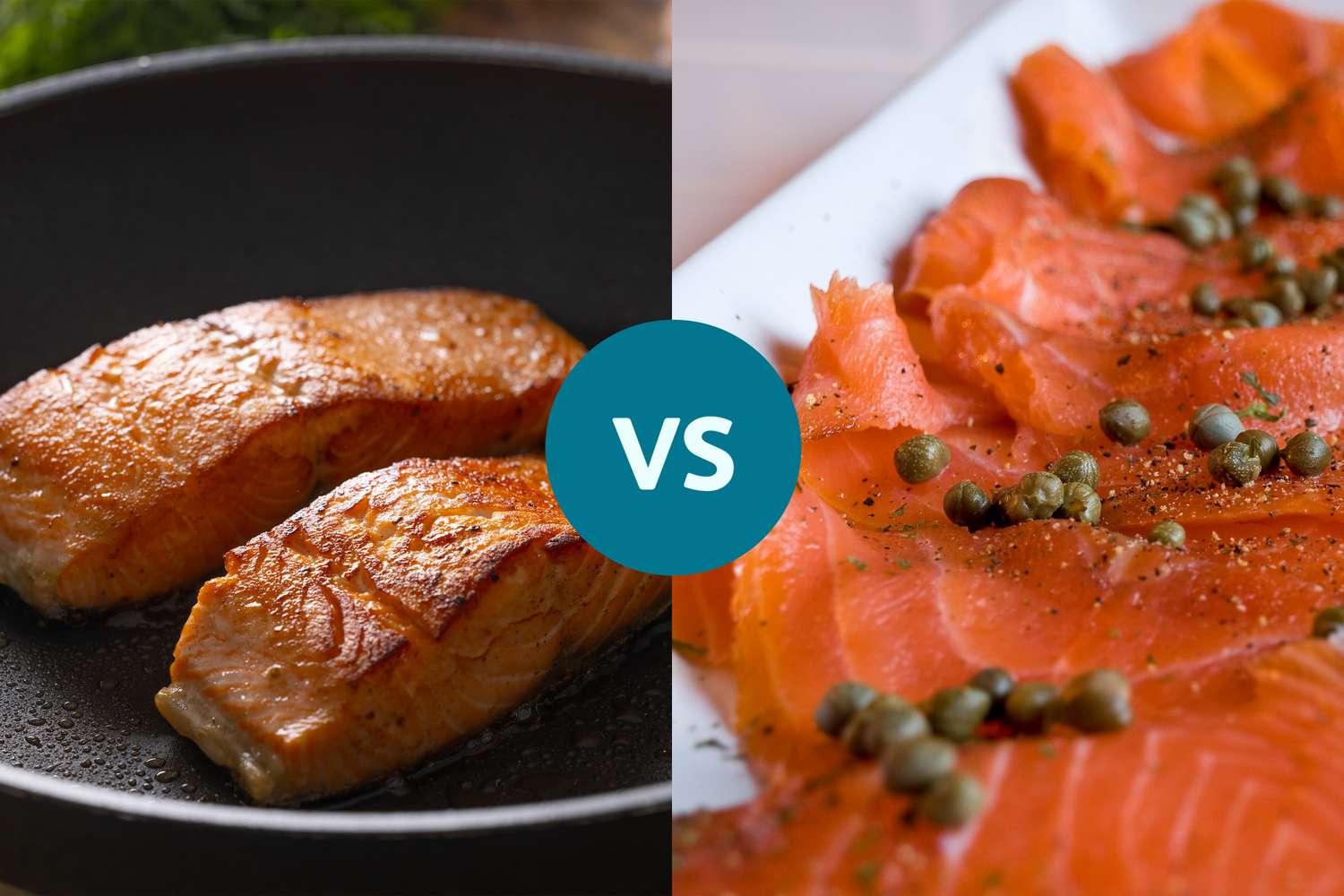
While plant fats are vital, animal-based fats from the ocean provide a different set of benefits. Fatty fish like salmon, mackerel, and sardines are the premier sources of omega-3 rich high fat foods for low carb diets. These specific polyunsaturated fats—EPA and DHA—are crucial for brain health, cognitive function, and cardiovascular protection.
Salmon is often the go-to choice for a dinner base because it provides a substantial amount of protein alongside its fat content. This combination is excellent for maintaining muscle mass while in ketosis. Mackerel and sardines, though smaller, are even more concentrated in these beneficial oils and carry lower risks of heavy metal accumulation.
Macros at a Glance (4oz Salmon)
- Fat: 13g
- Net Carbs: 0g
- Protein: 23g
- Omega-3s: ~2.5g
Incorporating these fish into your weekly rotation helps balance the ratio of omega-3 to omega-6 fatty acids in your body. In the modern diet, most people consume far too much omega-6 (from vegetable oils), which can be pro-inflammatory. Increasing your intake of fatty fish helps tip the scales back toward a more anti-inflammatory state.
3. Whole Eggs: The Affordable Multi-Vitamin
Eggs are frequently referred to as "nature's multi-vitamin" because they contain a little bit of almost every nutrient you need. For those searching for keto friendly fat sources that won't break the bank, the humble egg is unbeatable. The yolk, in particular, contains choline, lutein, and zeaxanthin—nutrients that are essential for liver function and eye health.
There has been a lot of historical misinformation regarding eggs and cholesterol. However, recent studies have vindicated them. Daily consumption of eggs has been associated with a 26% lower risk of hemorrhagic stroke and an 18% lower risk of death from cardiovascular disease. This makes them a cornerstone of a heart-healthy, low-carb lifestyle.
Macros at a Glance (1 Large Egg)
- Fat: 5g
- Net Carbs: 0.6g
- Protein: 6g
- Calories: 78
Eggs are a staple for anyone needing keto meal prep ideas. You can hard-boil a dozen on Sunday for quick snacks, or bake them into "egg muffins" with spinach and bacon for a grab-and-go breakfast during busy work weeks. Their bioavailability—meaning how easily your body absorbs the nutrients—is one of the highest of any food on this list.
4. Macadamia Nuts: The Ultimate Low-Carb Snack
When it comes to nuts, not all are created equal. Many varieties, like cashews or pistachios, can be surprisingly high in carbohydrates. Macadamia nuts, however, are the gold standard for high fat low carb snacks for busy work weeks. They have one of the highest fat-to-protein ratios in the nut family, making them almost pure fuel for someone in ketosis.
What sets macadamias apart is their high concentration of palmitoleic acid, a monounsaturated fat that may increase fat metabolism and reduce fat storage. They are also incredibly low in inflammatory omega-6 fatty acids compared to walnuts or almonds.
Macros at a Glance (1oz/28g)
- Fat: 21g
- Net Carbs: 2g
- Protein: 2g
- Fiber: 2.4g
Because they are so calorie-dense, a small handful is often enough to provide high levels of satiety to prevent hunger throughout the afternoon. If you are looking for the best high fat low carb foods for beginners, macadamia nuts are an easy entry point because they require zero preparation and travel easily.
5. Extra Virgin Olive Oil & Ghee: The Cooking Bases
To effectively incorporate healthy fats into a low-carb diet, you must look at your cooking oils. You can have the best ingredients in the world, but if you cook them in inflammatory vegetable oils, you undermine your health goals. Extra virgin olive oil and ghee are two kitchen staples that serve different but equally important roles.
Extra virgin olive oil is rich in antioxidants like oleocanthal. It is best used as a finishing oil—drizzled over salads, steamed vegetables, or added to homemade dressings. On the other hand, ghee (clarified butter) is perfect for high-heat cooking. Since the milk solids have been removed, ghee has a much higher smoke point than regular butter, meaning it won't oxidize or become toxic at high temperatures.
Macros at a Glance (1 Tbsp Oil/Ghee)
- Fat: 14g
- Net Carbs: 0g
- Protein: 0g
- Smoke Point: Ghee (485°F) vs. EVOO (375°F)
By learning how to incorporate more healthy fats into low carb meals through these bases, you ensure that every bite of food contributes to your macronutrient ratios without adding hidden sugars or inflammatory compounds.
The 'Red List': 5 Inflammatory Fats to Avoid
Just because a food is high in fat does not mean it is healthy. The goal of a well-formulated low-carb plan is to improve metabolic health, not just change the numbers on a scale. Some fats can trigger systemic inflammation, damage cellular integrity, and increase the risk of chronic disease.
| Fat Source | Why to Avoid | Better Alternative |
|---|---|---|
| Soybean Oil | High in omega-6; highly processed. | Extra Virgin Olive Oil |
| Corn Oil | Often GMO and prone to oxidation. | Avocado Oil |
| Margarine | May contain trans fats or additives. | Grass-fed Butter or Ghee |
| Canola Oil | Undergoes heavy chemical refining. | Coconut Oil |
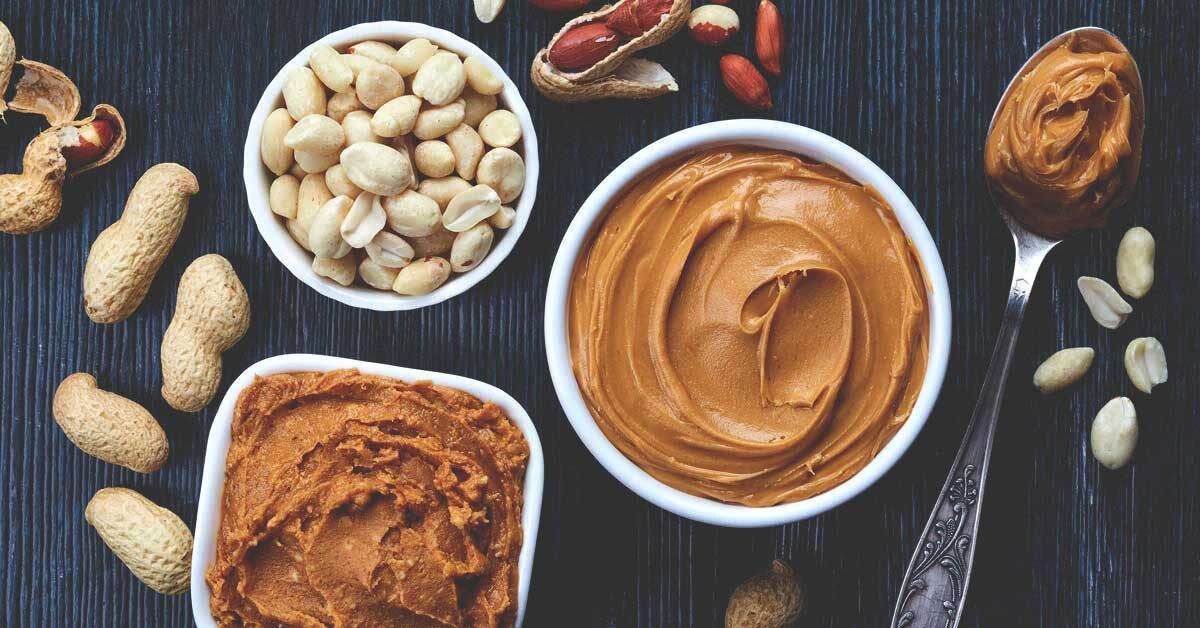
| "Low-Fat" Nut Butters | Often replace fat with sugar/starches. | Raw Macadamia or Almond Butter |
Avoiding these inflammatory fats is just as important as choosing the right high fat low carb foods. Focus on the quality of the lipid, ensuring it is as close to its natural state as possible.
FAQ
What are the best high fat low carb foods for beginners?
For beginners, the best options are those that are familiar and easy to prepare. Avocados, whole eggs, and macadamia nuts are excellent because they require little to no cooking skills. Grass-fed butter and olive oil are also essential "entry-level" fats that you can easily swap into your current recipes.
What high fat low carb foods are good for weight loss?
Foods that are high in fiber and healthy lipids, such as avocados and fatty fish, are particularly good for weight loss. These foods stimulate satiety hormones like CCK, which help you feel full on fewer calories. Clinical data shows that prioritizing these fats over carbohydrates can lead to significantly more weight loss than low-fat approaches.
Are eggs considered a high fat low carb food?
Yes, eggs are an ideal high fat low carb food. A single large egg contains about 5 grams of fat and less than 1 gram of carbohydrates. They also provide high-quality protein and essential vitamins, making them a nutrient-dense staple for any low-carb meal plan.
Which nuts have the most fat and fewest carbs?
Macadamia nuts have the highest fat content (about 21 grams per ounce) and the lowest net carb count (about 2 grams per ounce) among common nuts. Pecans and Brazil nuts are also excellent choices for maintaining a high-fat, low-carb ratio.
What are some high fat low carb snack ideas?
Effective snack ideas include a handful of macadamia nuts, a hard-boiled egg with a pinch of sea salt, or half an avocado seasoned with lime. Sardines are another nutrient-dense snack that provides high levels of omega-3 fatty acids without any carbohydrates.
What are the healthiest sources of fat for a low carb diet?
The healthiest sources include monounsaturated fats from avocados and olive oil, omega-3 fatty acids from fatty fish, and saturated fats from stable sources like ghee or coconut oil. Balancing these plant and animal sources ensures you receive a wide spectrum of vitamins and minerals while supporting metabolic health.
Start Your Metabolic Shift Today
The transition to a low-carb lifestyle doesn't have to be complicated. By focusing on these five nutrient-dense powerhouses, you are doing more than just cutting carbs; you are providing your body with the high-quality building blocks it needs for cellular repair, brain function, and sustained energy.
Choose one item from this list today—perhaps a fresh avocado or a fillet of wild-caught salmon—and make it the centerpiece of your next meal. As you prioritize these healthy lipids, you’ll likely find that the cravings for sugar and processed snacks naturally fade away, replaced by a steady, reliable sense of satiety. Optimize your metabolic health one bite at a time.