Quick Facts
- Golden Hour: Medical intervention is most effective within 60 minutes of the first sign of distress.
- Symptom Reality: Approximately 30% of women experience myocardial infarction without any chest pain.
- The Fatigue Factor: Statistics show 70% of women feel unusual exhaustion for weeks leading up to a cardiac event.
- The Gender Gap: On average, women wait 54 hours to seek emergency help, compared to only 16 hours for men.
- Survival Tip: If symptoms appear suddenly, call 911 immediately rather than attempting to drive yourself to the hospital.
- Risk Shield: The loss of estrogen during and after menopause significantly increases cardiovascular risk for women.
Heart attacks in women don't always look like the movies. While men often feel crushing chest pressure, women may experience 'silent' symptoms like extreme fatigue or jaw pain. Understanding these atypical heart attack signs in females is critical for early detection and ensuring that life-saving cardiovascular health interventions are administered during the vital Golden Hour.
The Subtle Reality vs. The Movie Myth
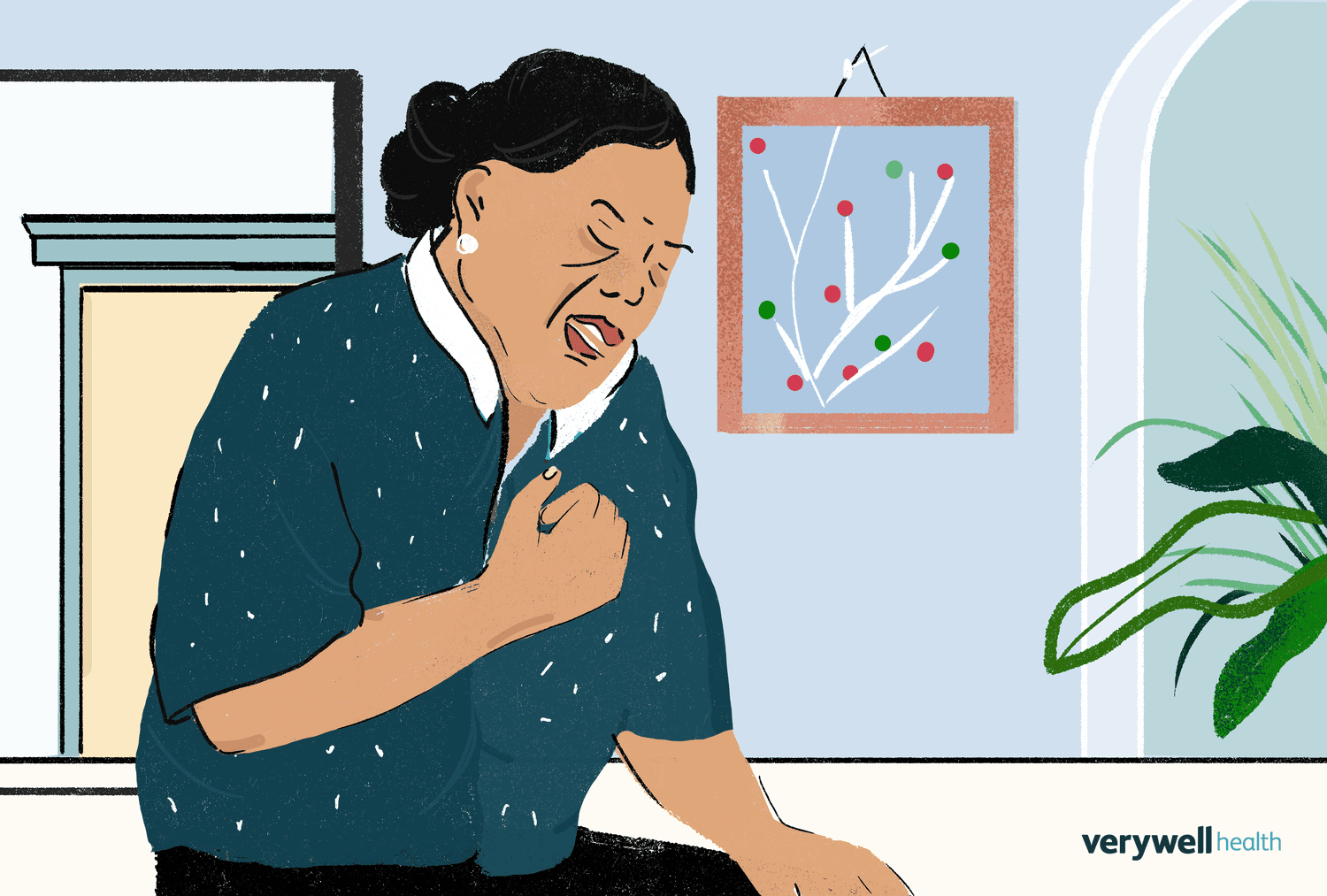
When we think of a heart attack, most of us picture the Hollywood version: a man clutching his chest in agony and collapsing. This dramatic imagery has created a dangerous medical bias that often leaves women unaware of their own risk. For many women, heart attack symptoms women should recognize are far more subtle and gradual. Instead of a "lightning bolt" moment, a myocardial infarction in a woman might feel like a slow-burning case of the flu or a particularly stressful week at the office.
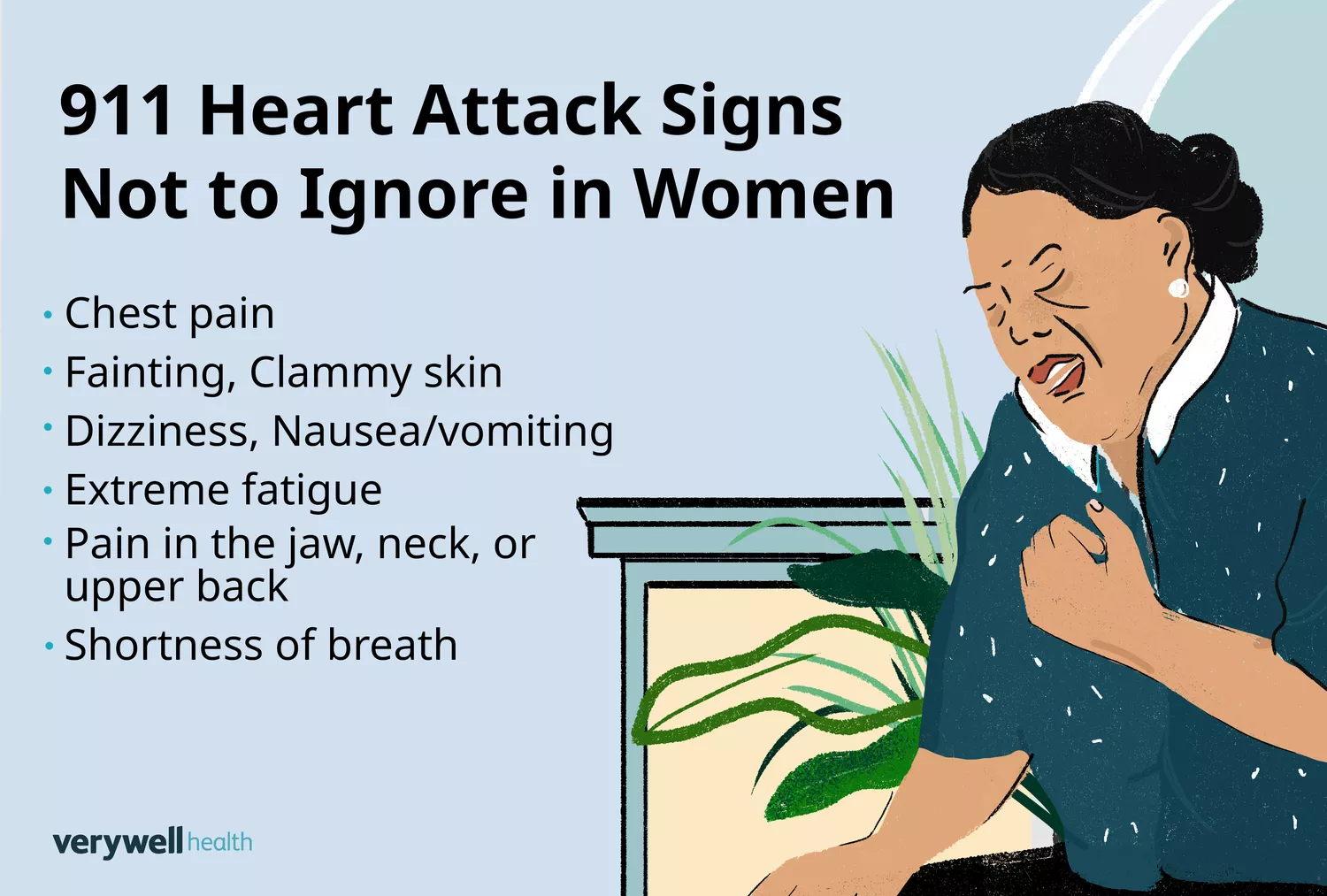
Research indicates that women often experience heart attack symptoms that differ from the classic chest pressure seen in men. Common atypical signs include pain in the jaw, neck, or back, as well as extreme, unexplained fatigue and shortness of breath. Many women also report digestive issues like nausea, vomiting, or severe heartburn, which are frequently mistaken for minor ailments like the flu or acid reflux. In fact, women are twice as likely as men to experience nausea, vomiting, or indigestion-like symptoms such as heartburn while having a heart attack.
This difference in presentation often stems from microvascular disease, a condition more common in women where the smaller arteries of the heart are damaged, rather than just the major coronary arteries. Because the signs are less "explosive," women often wait too long to seek a cardiologist consultation, dismissing their discomfort as something that will simply pass with rest.
1. Unexplained Fatigue and Sleep Disturbances
One of the most significant yet overlooked early detection markers is a profound sense of exhaustion. Many women describe this sensation as "walking through mud" or feeling like they’ve run a marathon when they’ve only walked across the room. This isn't the typical tiredness that follows a long day; it is a heavy, debilitating fatigue that doesn't improve with sleep.
In a study of over 500 women who had suffered a heart attack, 43 percent reported experiencing no chest pain symptoms during the event. Instead, approximately 80 percent of women report experiencing at least one symptom, such as unusual fatigue or sleep disturbances, for four weeks or more before a heart attack occurs.
When unexplained fatigue as heart attack symptom in women manifests, it is often accompanied by heart attack symptoms in women during sleep, such as waking up suddenly feeling short of breath or experiencing a sense of impending doom. If you find yourself unable to perform your usual daily tasks due to a sudden drop in energy, it is time to listen to your body rather than reaching for another cup of coffee.
2. Shortness of Breath and Panic-Like Anxiety
Shortness of breath is a common symptom for both genders, but for women, it often occurs without any accompanying chest pain. You might feel like you can't get enough air into your lungs, or you might find yourself gasping for breath while performing a low-impact activity like folding laundry.
The challenge is that these symptoms frequently mimic a panic attack. When your heart is struggling, your body enters a "fight or flight" mode, which can cause lightheadedness and a racing heart.
| Feature | Panic Attack | Heart Attack |
|---|---|---|
| Onset | Often triggered by a specific stressor | Can occur at rest or during light activity |
| Breathlessness | Often improves with deep breathing | Does not improve and may worsen |
| Pain Radiation | Usually stays in the chest area | Often radiates to jaw, neck, or back |
| Cold Sweat | Possible, but usually transient | Often persistent and accompanied by pallor |
Distinguishing shortness of breath vs panic attack symptoms in women is vital. While anxiety is a mental health concern, cardiac distress is a medical emergency. If the breathlessness is sudden and feels "physical" rather than "emotional," treat it as a potential cardiac event.
3. Radiating Pain: Jaw, Neck, and Back
While men usually report pain radiating down the left arm, women are much more likely to experience discomfort in their upper body. Heart attack symptoms in women jaw and back pain can be particularly deceptive because we often attribute these sensations to poor posture, sleeping "wrong," or dental issues.
This radiating discomfort occurs because the nerves that supply the heart also travel to the jaw and neck. During a myocardial infarction, the brain can misinterpret the pain signals, leading you to feel a dull ache or sharp pressure in your lower jaw or between your shoulder blades. Unlike a typical muscle strain, this pain doesn't usually change when you move or massage the area. It feels deep and persistent, often described as a "heavy" or "squeezing" sensation that won't let up.
4. Nausea and Persistent Indigestion
The connection between the heart and the stomach is closer than many realize. Because the bottom of the heart sits right above the diaphragm, cardiac distress can easily be felt in the upper abdomen. This is why distinguishing heart attack from indigestion women is one of the hardest diagnostic hurdles.
Many women report feeling severe nausea or even vomiting in the hours leading up to a heart attack. You might feel like you have a bad case of food poisoning or a sudden bout of acid reflux. However, unlike simple indigestion, heart attack-related discomfort may radiate to the jaw or shoulders and is often accompanied by a cold sweat or lightheadedness. If these symptoms occur suddenly or feel different from your usual reflux—especially if you haven't eaten anything that would typically trigger it—you must seek emergency medical attention immediately.
5. Lightheadedness and Cold Sweats (Diaphoresis)
Sudden, unexplained sweating—clinically known as diaphoresis—is a major red flag. This isn't the gradual "glow" of a workout or the familiar heat of a menopausal hot flash. It is a "cold sweat" that often leaves the skin feeling clammy and chilled.
This symptom is particularly important for heart attack symptoms in young women under 50. Because younger women are often viewed as "low risk," they may dismiss a cold sweat and dizziness as stress or a simple virus. However, for women in this age group, a heart attack is often related to spontaneous coronary artery dissection (SCAD) or microvascular issues, where early detection is the difference between recovery and permanent damage. If you feel lightheaded as if you might faint, especially when combined with a cold sweat, your heart may be struggling to pump enough oxygenated blood to your brain.
High-Risk Scenarios: Silent Heart Attacks in Diabetic and Post-Menopausal Women
Certain life stages and health conditions change how the body signals distress. Younger women and those with diabetes are at a higher risk of experiencing silent heart attack warning signs women often miss. Diabetes can cause nerve damage, known as neuropathy, which blunts the sensation of pain. This means that instead of feeling pain, these women may only experience mild breathlessness or a sense of being "off."
For post-menopausal women, the drop in estrogen levels removes a significant cardiovascular shield. Estrogen helps keep the walls of the coronary arteries flexible and promotes healthy cholesterol levels. As this protection wanes, risk factor management becomes even more critical. If you are post-menopausal or living with diabetes, any new or unusual symptom—no matter how minor it seems—warrants a conversation with your doctor.
Emergency Protocol: What to Do in the 'Golden Hour'
If you recognize any of these symptoms in yourself or a loved one, time is your most valuable asset. The Golden Hour refers to the first 60 minutes after symptoms begin; receiving treatment within this window can significantly reduce the amount of damage to the heart muscle.
Emergency Action Plan:
- Call 911 immediately: Do not wait to see if the symptoms pass. Emergency responders can begin life-saving treatment the moment they arrive.
- Do not drive yourself: If your heart is failing, you could lose consciousness behind the wheel, endangering yourself and others.
- Take an Aspirin: If you are not allergic, chewing a full-strength aspirin can help break up blood clots while you wait for help.
- State your symptoms clearly: When speaking to emergency personnel, use specific language. Instead of saying "I feel sick," say "I am experiencing shortness of breath and jaw pain."
Emergency Contact Information If you are unsure about your symptoms or need immediate guidance on cardiovascular health, call 911. For non-emergency support and information on women's health, you can contact the OWH Helpline at 1-800-994-9662.
Remember, it is always better to be sent home from the ER with a diagnosis of "indigestion" than to stay home with a heart attack. You know your body better than anyone else. If something feels wrong, trust your intuition and seek help.
FAQ
What are the most common warning signs of a heart attack in a woman?
The most common warning signs for women include unusual fatigue, shortness of breath, and pain that radiates to the jaw, neck, or upper back. While some women do experience chest pressure, many report "atypical" symptoms like nausea, lightheadedness, and a cold sweat. It is important to note that these symptoms can appear weeks before the actual event.
How do heart attack symptoms in women differ from men?
Men typically experience the "classic" symptoms like crushing chest pain and numbness in the left arm. In contrast, heart attack symptoms women experience are often more subtle. Women are more likely to have symptoms unrelated to chest pain, such as extreme exhaustion, sleep disturbances, and digestive issues like vomiting or persistent heartburn.
Can you have a heart attack without chest pain?
Yes, you can absolutely have a heart attack without chest pain. This is often referred to as a silent heart attack. Research shows that 43 percent of women do not experience any chest pain during a cardiac event. This is why recognizing "atypical" signs like jaw pain and sudden breathlessness is so important for women.
What are the symptoms of a silent heart attack in women?
Symptoms of a silent heart attack in women are often mild enough to be ignored or attributed to other causes. They include unexplained fatigue as heart attack symptom in women, mild discomfort in the upper abdomen, a general sense of unease or anxiety, and slight shortness of breath during routine activities.
Is jaw or neck pain a sign of a heart attack in women?
Yes, jaw or neck pain is a common sign of a heart attack in women. Because the heart’s nerve pathways overlap with those of the jaw and neck, cardiac distress often manifests as radiating pain in the upper body. This pain usually feels like a deep ache or pressure and does not go away with movement or rest.
What should I do if I think I'm having a heart attack?
If you suspect you are having a heart attack, call 911 immediately. Do not attempt to drive yourself to the hospital, and do not wait to see if the symptoms go away. Sit down, try to stay calm, and if you have aspirin and are not allergic, chew one while waiting for the paramedics to arrive.