Quick Facts
- Primary Source: Camellia sinensis (Green Tea, Matcha powder)
- Core Benefit: Promotes relaxation and mental clarity without causing drowsiness
- Effective Dose: 200-400 mg for clinical stress reduction and cognitive support
- Onset: Initial effects typically felt within 30-40 minutes of ingestion
- Synergy: Functions as a potent nootropic stack when combined with caffeine in a 2:1 ratio
- Mechanism: Crosses the blood-brain barrier to increase alpha brain waves and modulate the GABAergic system
L-Theanine is a unique amino acid found in Camellia sinensis that provides a state of relaxed alertness by increasing calming neurotransmitters like GABA and serotonin while simultaneously boosting alpha brain waves. This specific mechanism makes L-Theanine benefits particularly effective for reducing anxiety and managing stress without the sedative side effects common in traditional relaxants, allowing for high-level cognitive function during demanding tasks.
Understanding L-Theanine: The Natural "Relaxed Alertness" Compound
In the world of functional supplements, few compounds possess the nuanced profile of L-Theanine. Unlike many amino acids that primarily serve as building blocks for protein, L-Theanine is a non-proteinogenic amino acid that functions as a neuromodulator. Upon ingestion, it has the remarkable ability to cross the blood-brain barrier, reaching the brain and beginning to alter neurochemistry within 30 to 60 minutes.
The primary appeal for biohackers and health-conscious professionals alike is the concept of relaxed alertness. Most compounds that relax the nervous system—such as valerian root or certain pharmaceuticals—tend to induce sleepiness or "brain fog." L-Theanine is different. By interacting with the GABAergic system, it helps quiet the "noise" in the brain while stimulating the production of alpha brain waves. These waves are the same frequency seen during deep meditation or "flow states," where the mind is calm but fully present.
Timeline of Effects
- 0–30 Minutes: Absorption begins in the small intestine; L-Theanine enters the bloodstream.
- 30–60 Minutes: Peaks in the brain; users report a softening of environmental stress and reduced physical tension.
- 1–4 Hours: Sustained mental clarity and improved cognitive enhancement; heart rate remains stable even under pressure.
- 5+ Hours: Gradual decline without a "crash," often leading into a more restful evening state.
Benefit 1: Enhanced Focus and the "Flow State" Synergy
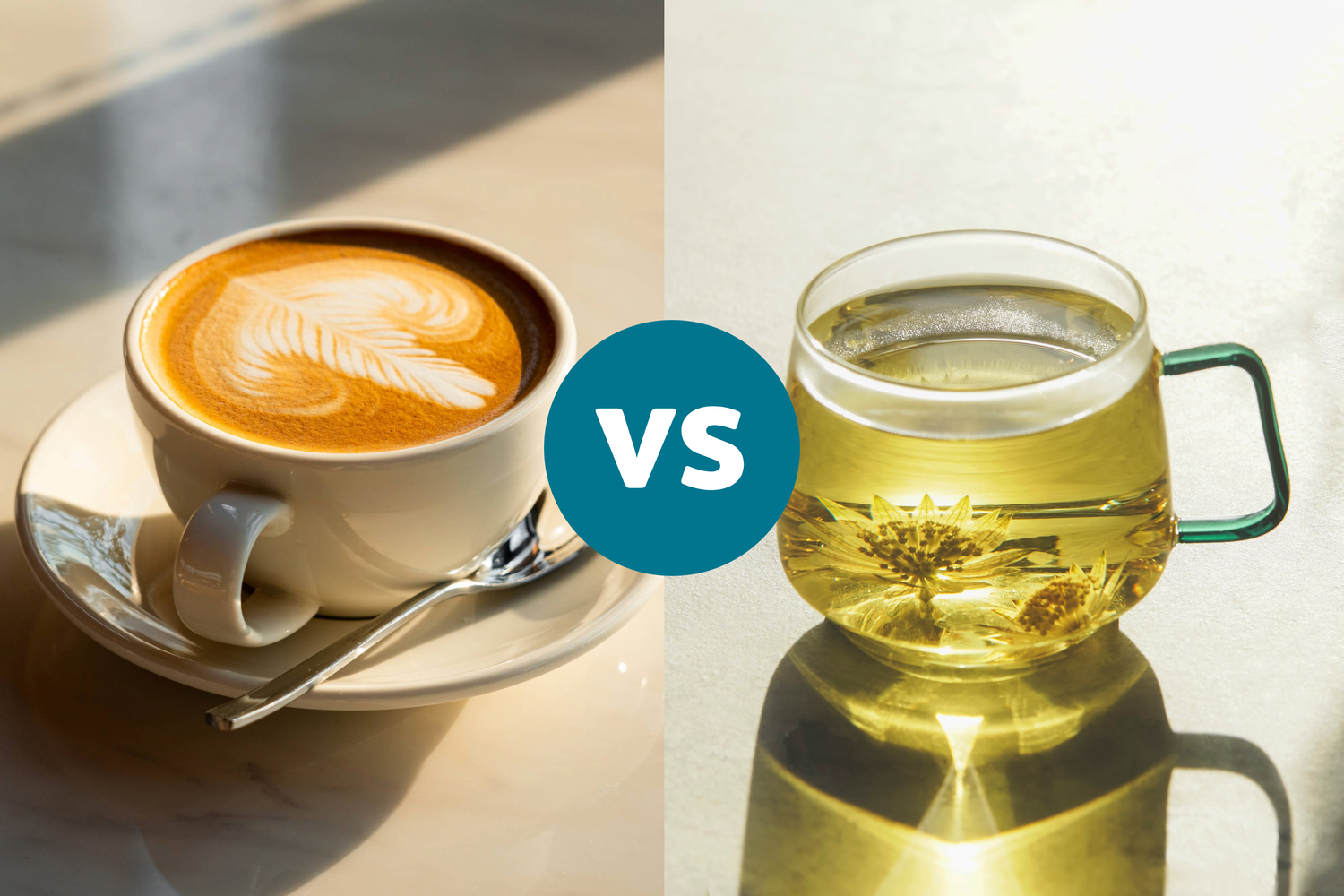
One of the most researched L-Theanine benefits is its synergistic relationship with caffeine. While caffeine is the world’s most popular stimulant, it often comes with a physiological cost: jitteriness, increased heart rate, and an eventual energy crash. When you combine caffeine with L-Theanine, you create what researchers call a nootropic stack that optimizes cognitive performance.
This combination works because L-Theanine mitigates the sympathetic "fight or flight" response triggered by caffeine. It smoothes out the jagged edges of the stimulant, resulting in a state of sharp, calm concentration. This is particularly useful for l-theanine for mental clarity and multitasking, where you need the energy to work but the composure to switch between complex tasks without feeling overwhelmed. Clinical trials have consistently shown that the optimal l-theanine and caffeine ratio for focus is approximately 2:1, providing the benefits of caffeine without the associated anxiety.
| Feature | Caffeine Alone | Caffeine + L-Theanine Stack |
|---|---|---|
| Energy Levels | High, but often erratic | Sustained and steady |
| Mental Focus | Intense but easily distracted | Deep "flow state" concentration |
| Physical Sensation | Possible jitters/palpitations | Calm, relaxed muscles |
| The "Crash" | Common as caffeine wears off | Minimal to none |
Benefit 2: Stress Reduction and Cortisol Management
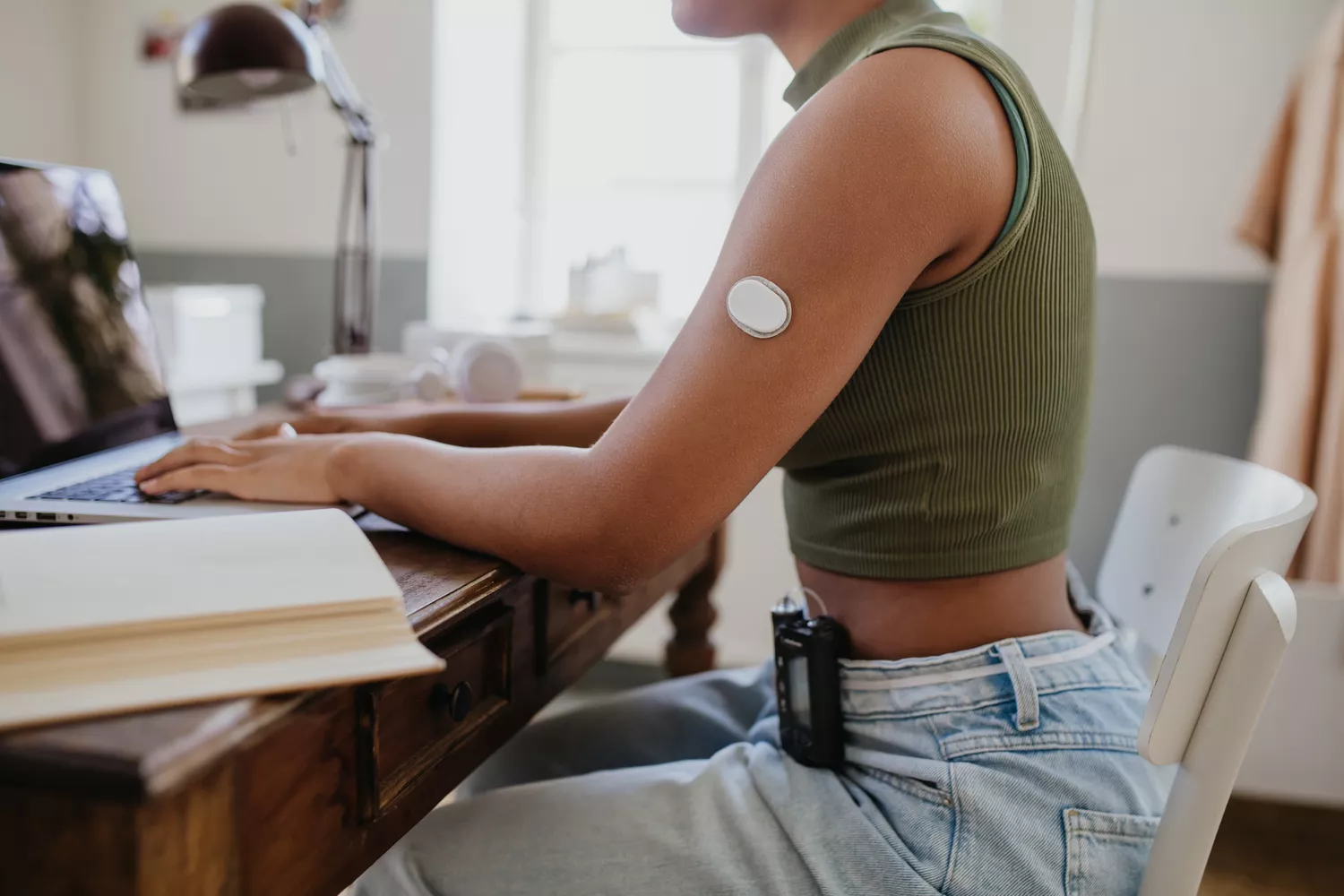
In our modern, high-cortisol environment, L-Theanine serves as a natural buffer against the physiological toll of chronic stress. It doesn't just make you "feel" calmer; it objectively changes the stress markers in your body. Research indicates that a single 200 mg dose of L-theanine can significantly reduce salivary cortisol levels and sympathetic arousal when the body is under cognitive stress.
Beyond immediate relief, l-theanine benefits for cortisol and stress management extend to neuroprotection. When we are stressed, our brains can suffer from glutamate excitotoxicity—a state where excitatory neurotransmitters overstimulate and potentially damage nerve cells. L-Theanine acts as a weak antagonist to glutamate receptors, effectively acting as a shield for your neurons. For those looking for L-Theanine for anxiety and stress, this provides a dual-action approach: it lowers the hormone that makes you feel stressed while protecting the brain architecture from the damage that stress causes.
Benefit 3: Deep Sleep Quality Without Drowsiness
It is a common misconception that a supplement must be a sedative to help with sleep. L-Theanine does not make you drowsy in the way an antihistamine or melatonin might. Instead, it prepares the brain for rest by lowering anxiety and promoting the transition into a relaxed state. This is why taking l-theanine before bed for deep sleep is becoming a staple in many longevity protocols.
By modulating serotonin levels and increasing the proportion of slow-wave sleep, L-Theanine helps you spend more time in the most restorative phases of the sleep cycle. A randomized controlled trial found that daily supplementation with 200 mg of L-theanine over four weeks significantly reduced sleep latency—the time it takes to fall asleep—and improved overall sleep quality scores. Because it doesn't cause morning grogginess, it is an ideal tool for those who need to be sharp the moment they wake up.
Benefit 4: Neuroprotection and Long-term Brain Health
As an editor focused on longevity, I am particularly interested in how L-Theanine supports the aging brain. Emerging research suggests that this amino acid boosts the production of Brain-derived neurotrophic factor (BDNF), a protein that acts like "Miracle-Gro" for your brain cells. BDNF is essential for neuroplasticity—the brain’s ability to form new neural connections and repair old ones.
The cumulative effect of neuroprotection and increased BDNF suggests that L-Theanine may help preserve cognitive function as we age. By reducing oxidative stress and preventing glutamate-induced damage, it helps maintain the integrity of the blood-brain barrier and the health of individual neurons. While more long-term human trials are needed, the current evidence base points toward L-Theanine being a foundational compound for maintaining mental clarity into later life.
Benefit 5: Optimized Physical Performance and Metabolic Support
While most people turn to green tea for its mental benefits, the physical benefits are equally compelling. L-Theanine has been shown to support a healthy relaxation response in the body, which can prevent the blood pressure spikes often associated with high-pressure situations.
Furthermore, while it isn't a "fat burner" in the traditional sense, it provides metabolic support by reducing stress-induced overeating. High cortisol levels are a primary driver of cravings for high-sugar, high-fat "comfort foods." By managing the cortisol response, L-Theanine helps maintain a more stable metabolic state and supports better dietary choices. This makes it an excellent companion for athletes or those undergoing rigorous physical training who need to maintain their focus and recovery under stress.
How to Get Maximum L-Theanine: Matcha vs. Supplements
If you prefer natural L-Theanine sources, green tea is your primary vehicle. However, not all tea is created equal. The way the plant is grown and processed significantly impacts the concentration of active compounds.
- Matcha powder: This is the gold standard. Because Matcha is shade-grown, the plant produces higher levels of amino acids like L-Theanine to compensate for the lack of sunlight. Since you ingest the whole leaf in powdered form, you get a much higher dose than steeped tea.
- Standard Green Tea: A typical eight-ounce cup provides between 20 and 60 mg of L-theanine, meaning you would need 3-4 cups to reach the clinical 200 mg dosage.
To maximize your intake when brewing, follow this specific protocol: use water at approximately 80°C (176°F). Boiling water can destroy some of the delicate compounds and result in a bitter taste. Let the tea steep for 3 to 5 minutes to allow for full extraction of the amino acids. Note that adding dairy milk might reduce the bioavailability of certain tea antioxidants, though its effect on L-Theanine specifically is still being debated; for maximum efficacy, many choose to take it black or with a splash of plant-based milk.
| Use Case | Recommended Dosage | Best Time to Take |
|---|---|---|
| Morning Productivity | 100-200 mg + Coffee | Upon starting work |
| High-Stress Meetings | 200 mg | 40 minutes before the event |
| Evening Wind-down | 200-400 mg | 1 hour before bed |
| General Cognitive Health | 100 mg (from tea) | Twice daily |
FAQ
What are the primary health benefits of L-theanine?
The primary benefits include the promotion of relaxation without sedation, improved focus and concentration when paired with caffeine, and a reduction in the physiological markers of stress, such as cortisol. It also supports better sleep quality and offers neuroprotective properties that may benefit long-term brain health.
Does L-theanine help with anxiety and stress?
Yes, L-Theanine is highly effective for managing acute stress and general anxiety. It works by increasing levels of GABA and serotonin in the brain and promoting alpha brain waves, which help calm the nervous system. Clinical studies have shown it can reduce heart rate and blood pressure responses to stressful tasks.
How long does it take to feel the effects of L-theanine?
Most people begin to feel the effects within 30 to 40 minutes of ingestion. The levels in the brain typically peak around the one-hour mark and can provide a sustained sense of calm and focus for several hours.
Does L-theanine help with sleep quality?
L-Theanine improves sleep not by acting as a sedative, but by reducing anxiety and lowering resting heart rate. This allows the body to enter deeper, more restorative phases of sleep, specifically slow-wave sleep, without the risk of dependency or waking up feeling groggy.
Is it safe to take L-theanine every day?
L-Theanine is generally recognized as safe (GRAS) by the FDA. Most clinical studies on its benefits involve daily dosages ranging from 200 mg to 400 mg over several weeks or months with no significant adverse effects reported. As always, a safe daily l-theanine dosage for beginners should start on the lower end to assess individual tolerance.
Is L-theanine effective for improving focus and concentration?
It is very effective, particularly when used as part of a nootropic stack with caffeine. It helps eliminate the "scattered" feeling that caffeine can cause, allowing for more precise attention and better multitasking capabilities during cognitively demanding work.