Quick Facts
- Duration: A total 15-day lifecycle comprising 4 days of preparation, 7 days of active cleansing, and 4 days of reintegration.
- Primary Focus: Supporting the five organs of elimination—the liver, kidneys, gut, lymphatic system, and skin—through physiological rest and targeted herbs.
- Metabolic Insight: Digestion consumes approximately 30% of daily metabolic energy; utilizing liquid nutrition redirects this energy toward cellular repair and detoxification.
- Market Growth: The global detox products market was valued at approximately USD 71.49 billion in 2025 and is projected to reach USD 123.66 billion by 2034.
- Consumer Motivation: Roughly 64% of consumers purchase detox solutions specifically to enhance liver function and overall vitality.
- Approach: Shifting from aggressive "fasts" to a systems-based holistic spring detox that prioritizes microbiome balance and metabolic safety.
To prepare for a holistic spring detox, it is essential to eliminate inflammatory triggers like sugar, caffeine, alcohol, and red meat several days before starting. This pre-cleansing phase reduces surface-level toxins and helps prevent uncomfortable Herxheimer reactions, or healing crises, by allowing the body to focus its energy on deeper detoxification pathways.
As we transition from the stagnant, heavy energy of winter into the vibrant growth of spring, our bodies often signal a need for internal renewal. In my years evaluating botanical extracts and traditional remedies, I have found that the most effective cleanses are not about deprivation, but about removing the obstacles to our natural biological processes. Many people rush into aggressive juice fasts without understanding that the body requires specific nutrients to fuel the complex enzymatic reactions in the liver. Before you begin your journey, consider if you are experiencing the following:
- Persistent midday fatigue or "brain fog"
- Skin congestion, acne, or seasonal eczema flare-ups
- Digestive sluggishness or a feeling of heaviness after meals
- Increased sensitivity to environmental fragrances or chemicals
- A white coating on the tongue upon waking
If these resonate, your system may benefit from a structured reset. According to recent data, full body detoxification products represent the largest application segment of the market, accounting for approximately 29% of the total market share. This reflects a growing understanding that we must support the body as a whole rather than focusing on a single organ in isolation.
Tip 1: The Preparation Mandate: Master the Pre-Cleanse Phase
One of the most common mistakes in any holistic spring detox is the "cliff-edge" start—going from a standard diet to a restrictive cleanse overnight. This approach often triggers a Herxheimer reaction, a physiological phenomenon where toxins are released into the bloodstream faster than the organs of elimination can process them, resulting in headaches, nausea, and irritability.
To avoid this, you must implement spring cleanse preparation tips at least four days prior to your active phase. The goal is to lower the environmental load on your system. Start by eliminating the most common inflammatory triggers: refined sugar, caffeine, alcohol, and processed red meats. These substances place a heavy burden on the liver and kidneys, and removing them early allows the body to begin its "surface-level" cleaning.
During this period, focus on hydration. Use high-quality water filtration to ensure you aren't introducing new heavy metals or chlorine while trying to purge others. By slowing down the intake of complexity, you signal to your nervous system that it is safe to shift from "storage mode" to "release mode."
| Phase | Days | Focus |
|---|---|---|
| Preparation | 1 - 4 | Eliminating inflammatory triggers; increasing hydration; tapering caffeine. |
| Active Cleanse | 5 - 11 | Liquid nutrition or mono-diets; lymphatic activation; herbal support. |
| Reintegration | 12 - 15 | Systematic detox food reintroduction; rebuilding microbiome balance. |
Tip 2: Systems Alignment: Support the Five Organs of Elimination
A truly successful cleanse looks at the body as an integrated network. I often refer to this as the holistic body elimination system support guide. Your body utilizes five primary channels to move waste: the liver, kidneys, gut, lymphatic system, and skin. If one channel is blocked, the others must overcompensate, which often leads to the "healing crises" people fear.
For the liver, we focus on supporting Phase II detoxification pathways. This is where the liver takes fat-soluble toxins and converts them into water-soluble compounds that can be excreted. This process is nutrient-dependent. I recommend incorporating herbal supplements for liver and kidney detox, specifically milk thistle for its silymarin content which protects hepatocytes, and dandelion root to encourage bile flow.
The kidneys require a delicate balance of minerals and flushing. Pau d'arco tea is an excellent botanical choice here, known for its antimicrobial properties and its ability to support renal filtration. Meanwhile, the skin—our largest organ—can be supported through infrared saunas or simple epsom salt baths, which utilize osmotic pressure to draw out impurities.
Tip 3: Metabolic Efficiency: Optimize Liquid Nutrition and Agni
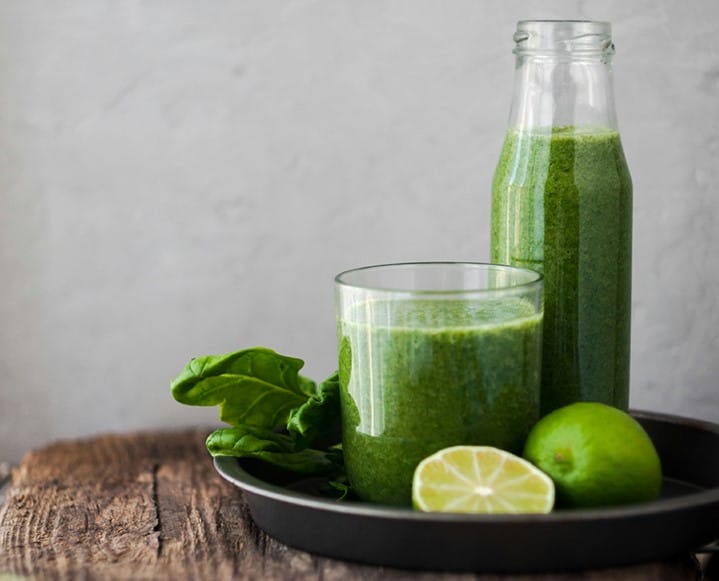
In the world of clinical nutrition, we know that the act of digestion is incredibly energy-intensive. By shifting to liquid nutrition for detox benefits, you effectively "borrow" the 30% of energy usually spent on breaking down solid food and reallocate it to cellular autophagy and tissue repair.
However, a holistic spring detox should not leave you feeling cold or depleted. This is where we look to the Ayurvedic concept of Agni, or digestive fire. If your Agni is low, you cannot "burn" through the toxins you are releasing. Instead of ice-cold green juices, which can dampen Agni, I advocate for warm, bioavailable nutrients.
Kitchari—a traditional Ayurvedic porridge of mung beans and basmati rice—is a perfect alternative for those who find juice-only cleanses too harsh. It provides enough fiber to keep the gut moving while being incredibly easy to assimilate. This ensures you are receiving the bioavailable nutrients necessary for the liver's chemical processes without the metabolic tax of a heavy meal.

Tip 4: Mechanical Drainage: Activate the Lymphatic System Mechanically
Unlike the circulatory system, which has the heart to pump blood, the lymphatic system is "pumpless." It relies entirely on movement, breath, and external stimulation to transport cellular waste. If you are doing a holistic spring detox but staying sedentary, those toxins simply recirculate.
Knowing how to support lymphatic system during cleanse is the "secret sauce" of a successful reset. I recommend three specific mechanical interventions:
- Dry brushing: Using a natural bristle brush on dry skin in upward strokes toward the heart. This stimulates the tiny lymph vessels just under the skin.
- Rebounding: Jumping on a mini-trampoline for just 10 minutes a day. The change in gravitational pull forces the lymph valves to open and close, moving fluid efficiently.
- Castor oil packs: Placing a cloth soaked in castor oil over the liver area. This topical application has been shown in traditional practice to increase lymphocyte count and improve flow through the deeper lymphatic channels.
These practices ensure that once your liver has processed a toxin, it actually leaves the building rather than getting stuck in the "lobby" of your interstitial fluid.
Tip 5: Neurological Reset: Prioritize Rest and Brain Toxin Removal
We cannot talk about detoxification without mentioning the brain. During sleep, the brain utilizes the glymphatic system to "wash" itself of metabolic waste, including beta-amyloid proteins. During a holistic spring detox, your body is working overtime; therefore, 7-9 hours of high-quality sleep is non-negotiable.
Rest is also where the body shifts into the parasympathetic nervous system state ("rest and digest"). Detoxification is a high-energy physiological process that cannot happen effectively if you are in a "fight or flight" stress response. I encourage my readers to view this 15-day window as a time for emotional detoxification as well. Often, as we release physical waste, we also process stored emotional stress. Allow yourself the space to be quiet, to meditate, and to provide your body with the bioavailable nutrients it needs to repair the nervous system.
Tip 6: The Reentry Protocol: Follow a Phased Food Reintroduction Schedule
The final, and perhaps most critical, stage is the detox food reintroduction schedule. Your digestive enzymes have been in a "sleep" state during the active cleanse. Reintroducing a steak or a heavy pasta dish on day 12 is a recipe for metabolic shock and intense digestive distress.
To maintain the microbiome balance you have worked so hard to achieve, follow a strict 4-day reintegration mandate:
- Days 1-2: Focus on organic water-rich fruits, light salads with lemon dressing, and bone or vegetable soups.
- Days 3-4: Begin adding complex plant foods, such as soaked seeds, legumes, and steamed cruciferous vegetables.
- Day 5 and Beyond: Gradually reintroduce heavier proteins like wild-caught fish or pasture-raised poultry.
This slow approach prevents the "rebound effect" where the body suddenly holds onto fat and water out of fear of future restriction. It also allows you to identify specific food sensitivities that may have been masked before your gentle holistic spring detox for beginners.
FAQ
What is a holistic spring detox and how does it work?
A holistic spring detox is a comprehensive systems-based approach to cleansing that goes beyond simple dieting. It works by reducing the intake of inflammatory triggers while simultaneously providing the specific botanical nutrients and mechanical stimulation (like dry brushing) needed to support the body's natural elimination pathways, primarily the liver, kidneys, and lymphatic system.
What are the best foods to eat during a spring cleanse?
During the active phase, the best foods are those that are easy to digest and rich in bioavailable nutrients. This includes warm vegetable broths, green soups, and Ayurvedic Kitchari. If you are following a liquid-only protocol, focus on organic cold-pressed juices that include lemon, ginger, and bitter greens to stimulate bile production.
How long should a holistic spring detox typically last?
A standard, safe duration is 15 days. This includes a 4-day preparation phase to minimize the Herxheimer reaction, a 7-day active cleanse, and a 4-day phased reintroduction. This timeline allows the body enough time to move through its deep detoxification pathways without causing metabolic stress.
What is the difference between a juice cleanse and a holistic detox?
While a juice cleanse focuses solely on liquid intake, a holistic detox is a multi-modal approach. It incorporates herbal supplements for liver and kidney detox, mechanical supports like rebounding, and a structured preparation and reintroduction phase. Holistic detoxes prioritize metabolic safety and the support of all five elimination organs, rather than just calorie restriction.
How can I naturally detox my liver during the spring?
You can support your liver naturally by increasing the consumption of bitter herbs and vegetables like dandelion greens, arugula, and turmeric. Utilizing specific botanical extracts such as milk thistle can protect liver cells, while staying hydrated and practicing deep breathing helps the liver process and export toxins through the blood and bile.