Quick Facts
- 2026 Ranking: The DASH Diet is rated as the #1 eating plan for Heart Health by U.S. News & World Report.
- Clinical Efficacy: Adopting the DASH eating plan can lead to a reduction in systolic blood pressure by as much as 11.6 mmHg for individuals with hypertension.
- The 2:1 Principle: Optimal cardiovascular wellness requires a sodium-to-potassium ratio where you consume twice as much potassium as sodium.
- Antioxidant Power: Eating at least one serving of blueberries weekly is linked to a 10% reduction in the risk of developing high blood pressure.
- Speed of Action: Nutritional interventions can show measurable improvements in arterial stiffness and readings in as little as 14 days.
- Mineral Impact: Increasing daily potassium intake by just one gram is associated with a 2.4 mmHg decrease in systolic blood pressure for those with high salt intake.
A dietitian-approved diet for lowering blood pressure naturally emphasizes nutrient-dense options like salmon, leafy greens, and berries. These blood pressure foods provide essential omega-3 fatty acids, nitrates, and antioxidants that help reduce inflammation and improve blood vessel function. Incorporating a variety of nuts, seeds, beets, and tomatoes can also support healthy circulation and improve endothelial function.
The Science of Hypertension Management
Managing hypertension is no longer just about what you remove from your plate; it is increasingly about the micronutrient density of what you add. As we look toward the 2026 health standards, the Dietary Approaches to Stop Hypertension, or DASH diet, continues to stand as the gold standard for clinical efficacy. The primary goal of these dietary interventions is to support cardiovascular wellness by improving endothelial function—the ability of your blood vessels to dilate and constrict with ease.
When we talk about blood pressure foods, we are looking for specific biological triggers. We want foods that promote vasodilation, reduce arterial stiffness, and balance the delicate electrolyte levels in our cells. By focusing on whole food nutrition, we can address the root causes of elevated readings rather than just masking the symptoms. This guide focuses on seven categories of foods that provide the highest return on investment for your heart.
The Vessel Relaxers: Nitrate-Rich Vegetables
One of the most powerful ways to lower blood pressure naturally is to increase the production of nitric oxide in the body. Nitric oxide is a signaling molecule that tells the muscles in your blood vessel walls to relax, a process known as vasodilation. Certain vegetables are exceptionally high in dietary nitrates, which the body converts into nitric oxide.
Beets are the undisputed champions of this category. Research has shown that drinking beet juice or eating cooked beets can lead to a significant drop in both systolic and diastolic readings within hours. This is due to the rapid increase in plasma nitrate levels. Similarly, leafy greens like spinach and kale provide a massive dose of these compounds. In clinical observations, participants who consumed 17oz of spinach soup daily saw a noticeable reduction in blood pressure in just seven days.
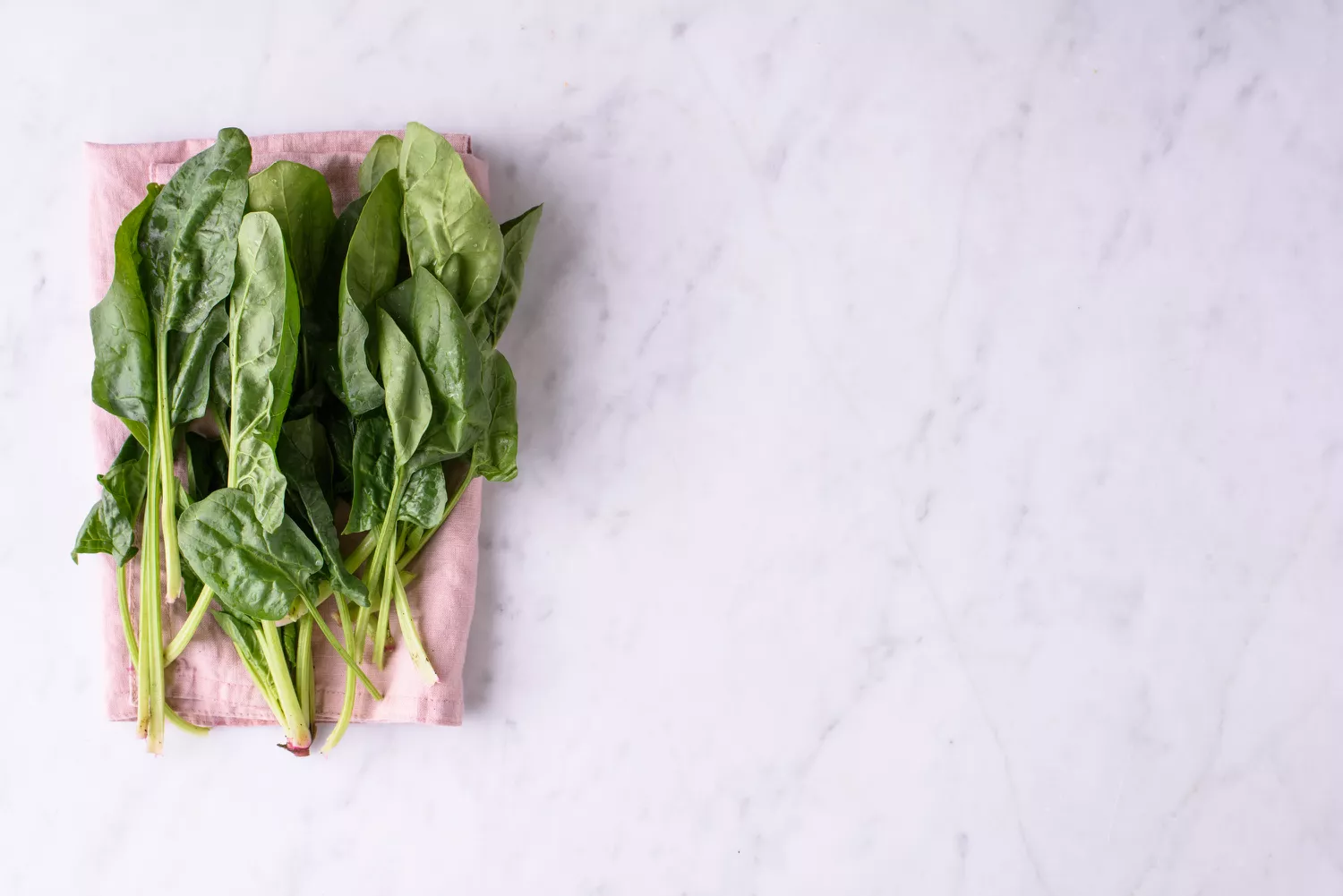
Leafy greens also contribute to your overall micronutrient density by providing a wealth of antioxidants. These antioxidants protect the lining of the blood vessels from oxidative stress, which is a major contributor to hypertension. For anyone building a diet for hypertension, a foundation of two to three cups of dark leafy greens daily is a non-negotiable starting point.
The Sodium Flushers: High-Potassium Essentials
If sodium is the gas pedal for high blood pressure, potassium is the brake. The modern diet is notoriously high in sodium and low in potassium, a combination that forces the heart to work harder. To achieve a healthy electrolyte balance, a Registered Dietitian (RD) will often recommend a 2:1 potassium-to-sodium ratio. Potassium for high blood pressure works by helping the kidneys excrete excess sodium through urine and by easing the tension in your blood vessel walls.
Tomatoes and sweet potatoes are standout DASH diet foods in this category. Tomatoes contain lycopene, a potent antioxidant, but they are also a significant source of potassium. For those looking for the best foods to lower blood pressure naturally, the humble tomato offers a dual-action benefit of mineral support and inflammation reduction.
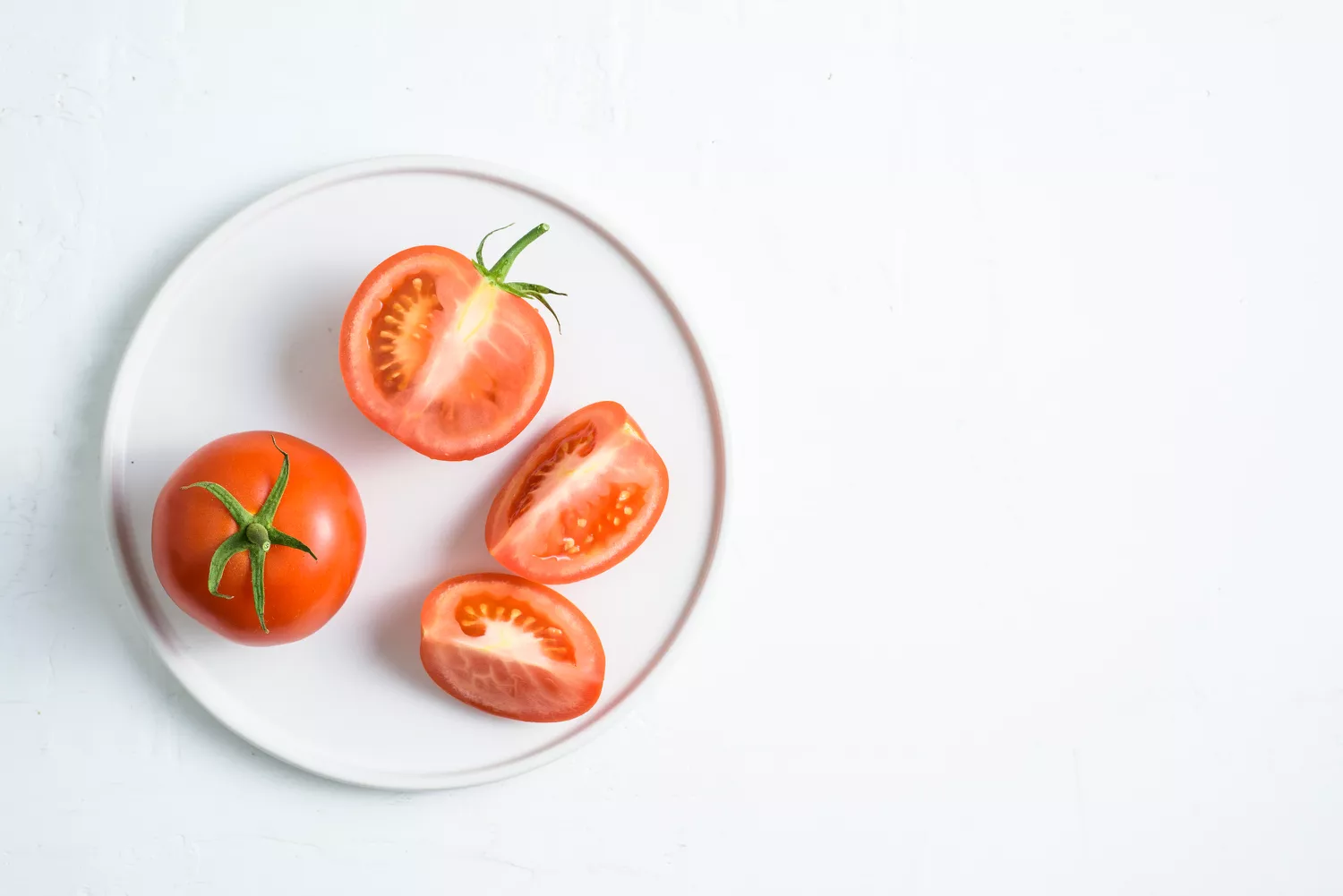
While many people immediately think of bananas for potassium, foods like white beans, avocados, and coconut water actually offer higher concentrations per serving. The target for most adults is 4,700mg of potassium daily. Reaching this goal requires intentional meal prep strategies, such as adding a side of sautéed greens or a baked sweet potato to your evening meal.
Heart-Healthy Fats and Bioactive Berries
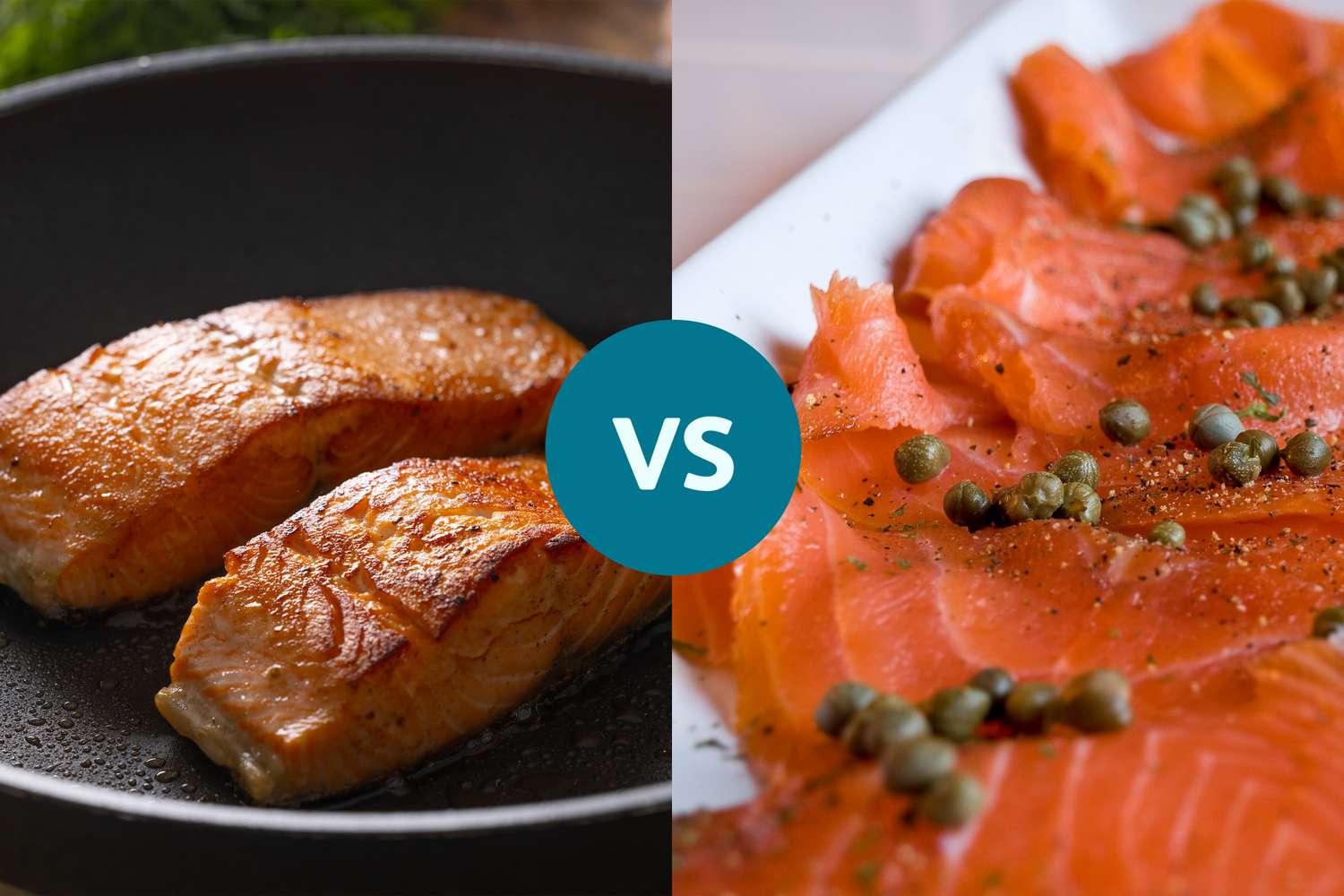
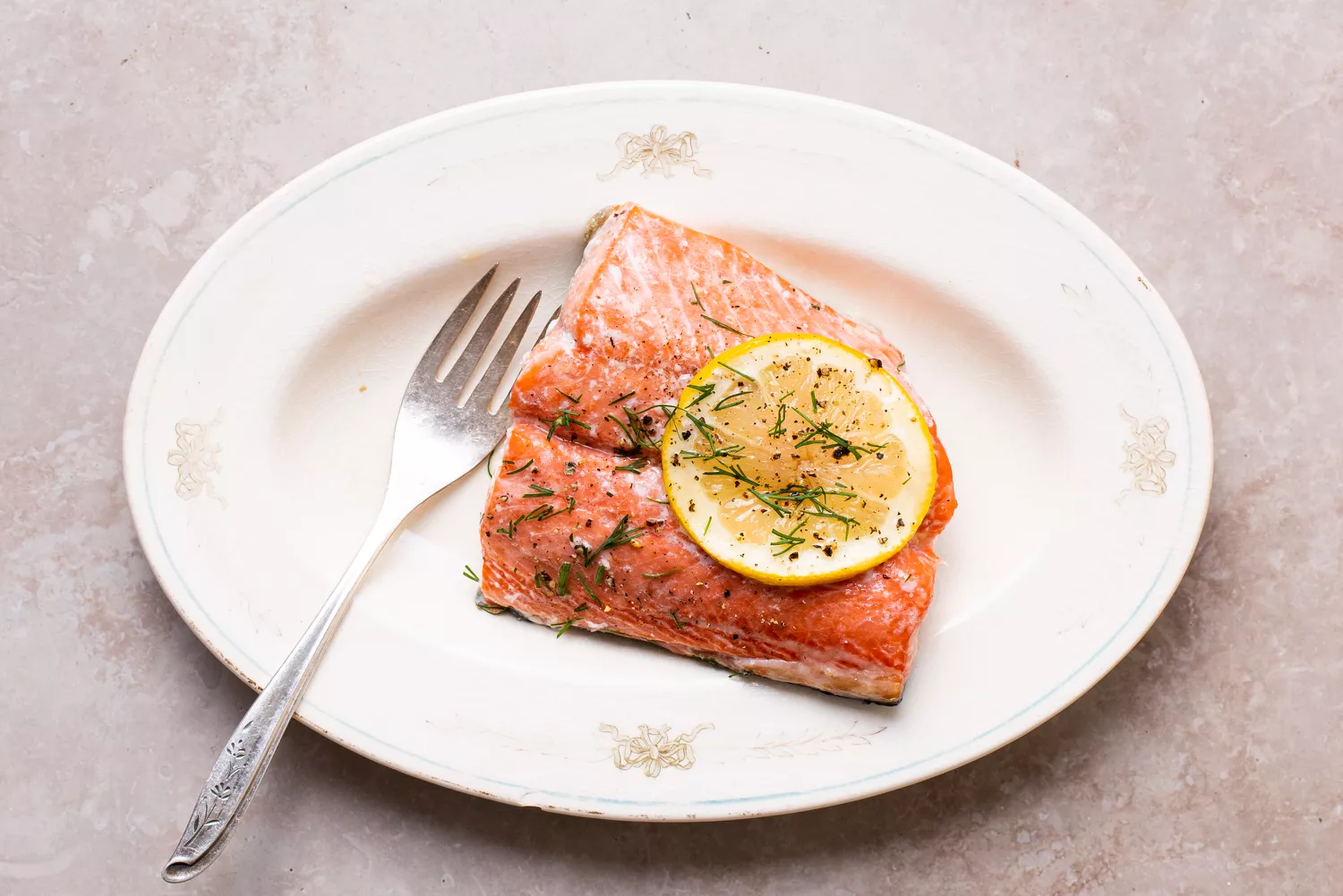
Reducing arterial stiffness is essential for long-term cardiovascular health. This is where the benefits of omega-3 fatty acids for hypertension become critical. Fatty fish, particularly salmon and mackerel, are rich in EPA and DHA. These essential fats reduce the production of inflammatory markers that can damage the endothelium. By keeping the arteries flexible, omega-3s help the heart pump blood with less resistance.
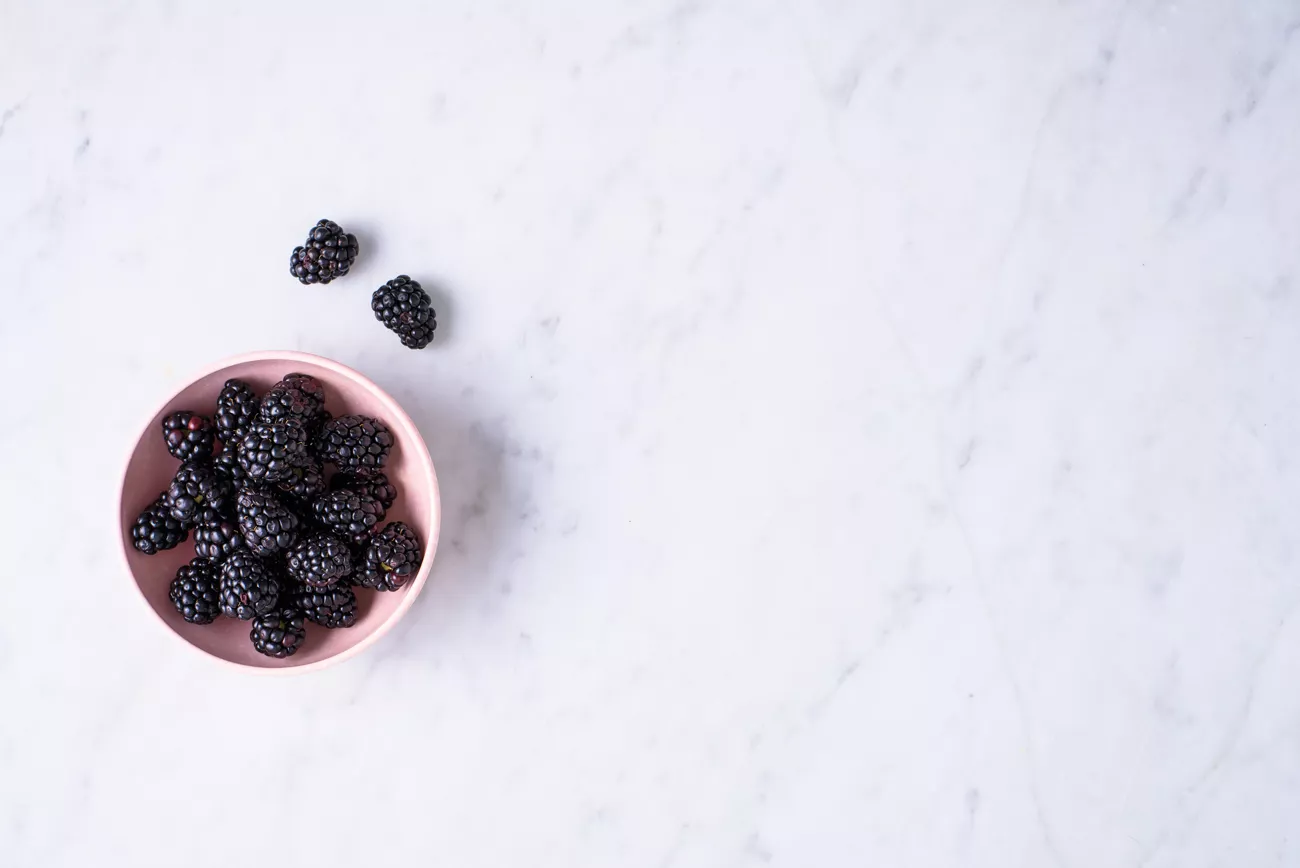
On the fruit side of the spectrum, berries—especially blueberries and cranberries—are loaded with anthocyanins. These are the bioactive pigments that give berries their deep colors. Anthocyanins have been shown to improve endothelial function by increasing the bioavailability of nitric oxide. When you consider that a simple habit of eating berries once a week can lower your risk of hypertension by 10%, it becomes clear why these are considered essential blood pressure foods.
Dietitian-Approved Dairy and Seeds
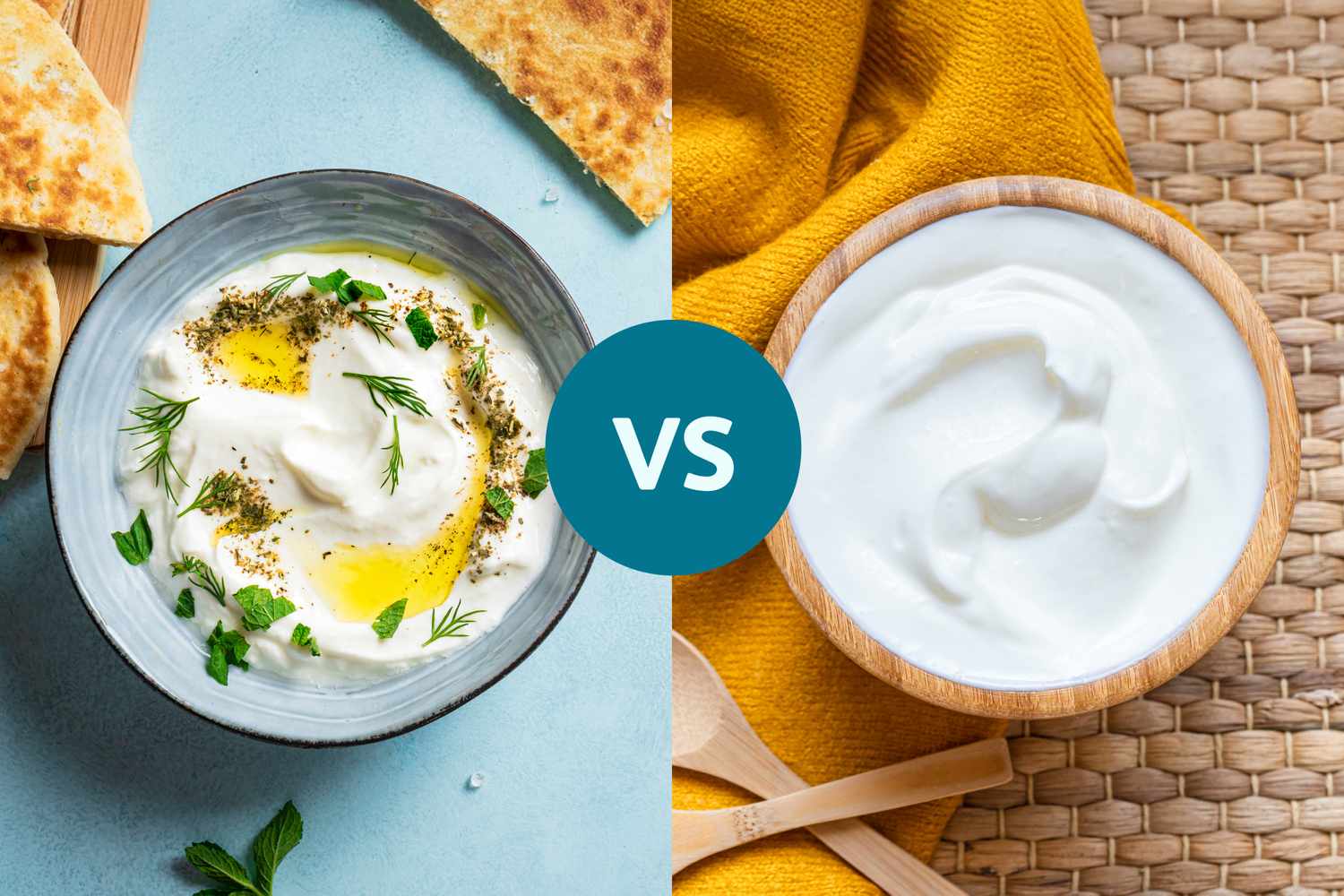
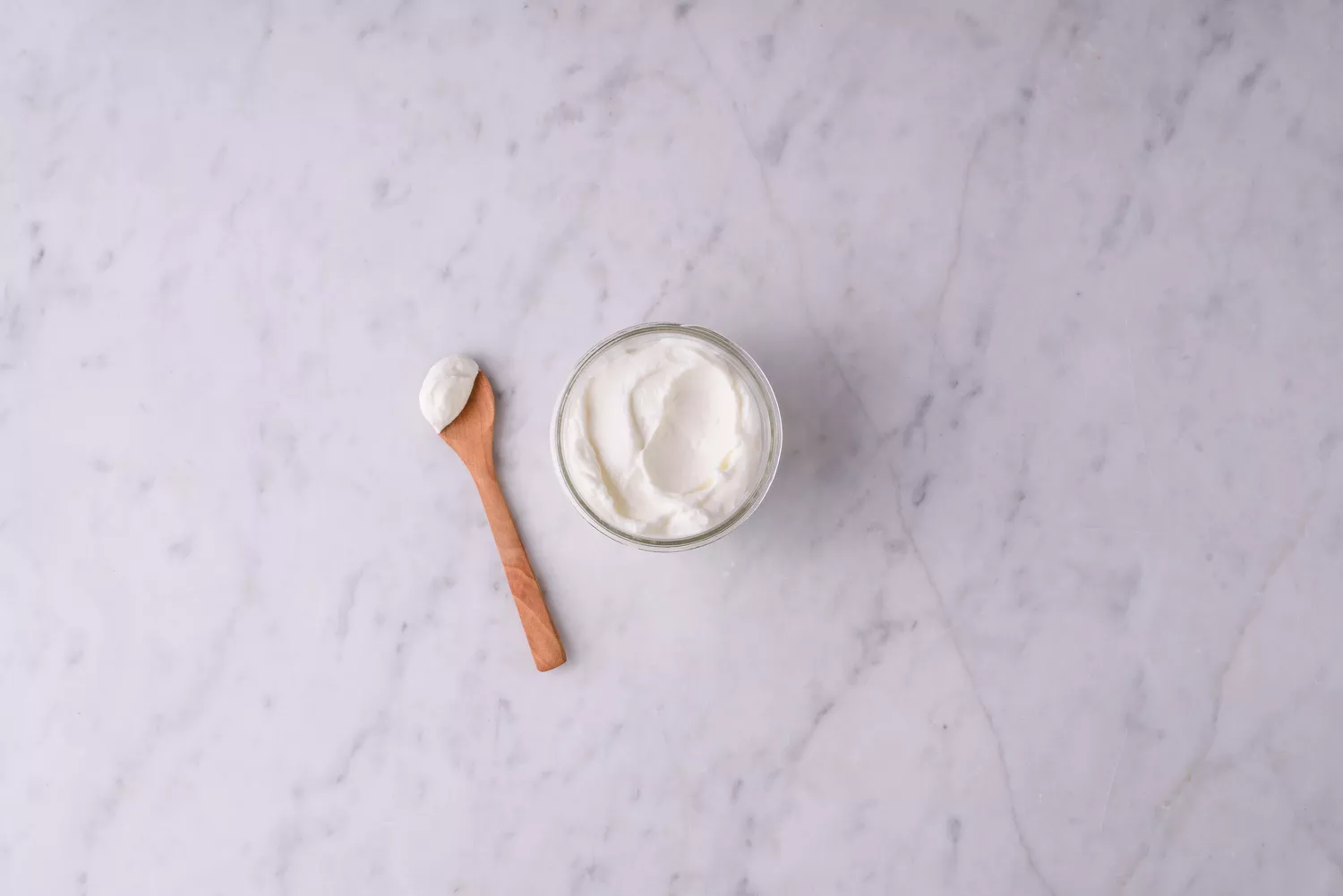
A common misconception is that all dairy should be avoided for heart health. However, low-fat dairy products like yogurt are central to the DASH diet because they provide what I call the Nutrient Triumvirate: potassium, magnesium, and calcium. These three minerals work in tandem to regulate the electrical signals that control your heartbeat and the contraction of blood vessels.
Research suggests that consuming three servings of dairy daily is linked to a 13% lower risk of developing hypertension. Yogurt, in particular, often contains probiotics that may further benefit blood pressure by improving the gut microbiome. For a dietitian approved yogurt snacks for heart health, try topping Greek yogurt with pumpkin seeds or chia seeds.
These seeds are not just for crunch; they are some of the best high potassium and magnesium foods for blood pressure. Magnesium is often overlooked, yet it acts as a natural calcium channel blocker, helping the heart and vessels relax. Pumpkin seeds are particularly dense in magnesium, providing nearly 40% of your daily requirement in just one ounce. Incorporating heart healthy nuts and seeds for nitric oxide production into your daily routine is a simple way to boost your intake of these vital minerals.
The 2-Week Quick Start: Building Your DASH Grocery List
Transitioning to a diet for hypertension doesn't have to happen overnight, but a 14-day "quick start" can help reset your palate. The most important rule for label reading is the 140mg sodium rule: if a serving of food contains more than 140mg of sodium, it is considered high-sodium and should be limited. You might be surprised to find that hidden sodium in white bread can reach up to 230mg per slice, while many processed "healthy" snacks are even higher.
High-Sodium Staples vs. Low-Sodium Swaps
| Food Category | High-Sodium Choice | Low-Sodium Heart-Healthy Swap |
|---|---|---|
| Breakfast | Instant Flavored Oatmeal | Steel-cut oats with fresh berries |
| Bread | Store-bought White Bread | Sprouted whole grain bread (low sodium) |
| Protein | Deli Turkey or Salami | Grilled salmon or roasted chicken breast |
| Snacks | Salted Pretzels or Chips | Raw pumpkin seeds or unsalted walnuts |
| Condiments | Soy Sauce or Bottled Dressing | Lemon juice, olive oil, and fresh herbs |
When creating your DASH diet grocery list for hypertension, focus on the perimeter of the store where the fresh produce and lean proteins are located. Look for nitrate rich vegetables for systolic blood pressure like arugula and beets. For breakfast, consider low sodium breakfast ideas for high blood pressure such as a smoothie with spinach, blueberries, and flaxseeds, or a bowl of oatmeal topped with sliced bananas and walnuts.
FAQ
What foods lower blood pressure quickly?
While no single food acts as an instant cure, nitrate-rich vegetables like beets and spinach can show effects within a few hours due to their rapid conversion into nitric oxide, which helps relax blood vessels. For consistent results, these should be part of a daily eating pattern.
What are the best fruits for reducing blood pressure?
Bioactive berries, including blueberries, strawberries, and raspberries, are among the best fruits because they contain anthocyanins that improve blood vessel function. Bananas and avocados are also excellent choices due to their high potassium content.
Which vegetables are most effective for hypertension?
Leafy greens such as kale, Swiss chard, and spinach are highly effective because they provide a combination of nitrates, potassium, and magnesium. Beets are also top-tier for their specific ability to boost nitric oxide levels.
What foods should be avoided if you have high blood pressure?
You should limit foods high in sodium, such as deli meats, canned soups, frozen dinners, and highly processed snacks. Additionally, excessive alcohol and added sugars can contribute to inflammation and weight gain, both of which strain the cardiovascular system.
Can drinking beet juice help lower blood pressure?
Yes, clinical studies have demonstrated that drinking approximately 250ml (about 8.5 ounces) of beet juice daily can lead to a significant reduction in blood pressure. The effect is typically seen within 3 to 6 hours after consumption.
Is oatmeal a good breakfast for hypertension?
Oatmeal is an excellent choice because it is high in soluble fiber, particularly beta-glucan, which has been shown to improve heart health. To maximize benefits, choose steel-cut or rolled oats and avoid pre-sweetened instant packets which may contain hidden sodium and sugar.
Practical Steps Forward
Lowering your blood pressure through nutrition is a marathon, not a sprint, but the biological rewards begin almost immediately. By focusing on blood pressure foods that provide the right balance of minerals and bioactive compounds, you are giving your body the tools it needs to maintain cardiovascular wellness.
I encourage you to consult with a Registered Dietitian (RD) to tailor these recommendations to your specific health needs. Start by incorporating one or two of these foods into your daily routine this week—perhaps a daily serving of berries or swapping your afternoon snack for unsalted pumpkin seeds. These small, evidence-based changes are the foundation of a lifestyle that supports long-term health and vitality.