Quick Facts
- The Golden Rule: Use the plate method by filling half your plate with non-starchy vegetables, one-quarter with lean protein, and one-quarter with high-fiber carbohydrates.
- Fiber Power: Consuming more than 26 grams of dietary fiber per day is associated with an 18% reduction in the risk of developing type 2 diabetes.
- Simple Swap: Replace standard white rice (GI 73) with basmati rice (GI 50) or quinoa to significantly lower the glycemic load of your dinner.
- Meal Sequencing: Eating your vegetables and proteins before your carbohydrates can reduce post-meal glucose spikes by up to 30%.
- Resistant Starch Hack: Cooking and then cooling starches like potatoes or pasta overnight increases resistant starch, which blunts the blood sugar response when reheated.
- Consistency Matters: Eating dinner at 6 PM rather than 9 PM can help lower overnight glucose levels and improve insulin sensitivity.
Managing your glucose doesn't mean sacrificing flavor. Effective diabetic-friendly meals focus on nutrient-dense ingredients that stabilize insulin sensitivity. By using the plate method and selecting blood sugar management recipes with a low glycemic load, you can enjoy delicious food while maintaining metabolic health. This guide provides 7 meal ideas designed for type 2 diabetes meal planning.
The Science of Better Blood Sugar Control
Understanding how food affects your body is the first step toward better health. The Glycemic Index (GI) is a tool that ranks carbohydrates on a scale of 0 to 100 based on how quickly they raise blood glucose levels. Foods with a low GI (55 or less) are digested and absorbed more slowly, causing a slower rise in blood sugar. However, looking at the glycemic load is often more practical, as it accounts for both the quality and the quantity of carbohydrates in a serving.
One of the most effective strategies for managing postprandial glucose is meal sequencing. Research suggests that the order in which you eat your food matters just as much as what is on your plate. By consuming soluble fiber (like a green salad) and protein (like chicken) first, you create a metaphorical "buffer" in the gut that slows the absorption of complex carbohydrates eaten later in the meal. This simple habit can lead to a much smoother glucose curve.
Another powerful technique is the resistant starch hack. When you cook starchy foods like rice or potatoes and then let them cool in the refrigerator, some of the digestible starch converts into resistant starch. This type of fiber resists digestion in the small intestine, meaning it doesn't spike your sugar as much and even helps feed the beneficial bacteria in your gut.

7 Delicious Meal Ideas for Better Blood Sugar
Eating for metabolic health should be a culinary adventure, not a chore. These seven meal ideas are designed to keep you full, satisfied, and stable throughout the day.
1. Steel-Cut Oats with Blueberries and Walnuts
For a breakfast that lasts, skip the instant packets. Diabetic-friendly breakfast ideas with steel-cut oats are superior because the grains are less processed, meaning they have a lower glycemic load. Top them with fresh blueberries and a handful of walnuts for a perfect balance.
Why This Works: Steel-cut oats are rich in soluble fiber, which forms a gel-like substance in the gut. The anthocyanins in berries improve insulin sensitivity, while walnuts provide heart-healthy fats to slow digestion further.
2. Mediterranean Chickpea and Feta Salad
This is a cornerstone of a Mediterranean diet meal plan for managing blood sugar. Combine chickpeas, cucumbers, cherry tomatoes, red onions, and olives with a squeeze of lemon and olive oil.
- 1 cup canned chickpeas (rinsed)
- 1/2 cup diced cucumber
- 1/4 cup crumbled feta cheese
- Fresh parsley and lemon vinaigrette
Why This Works: Chickpeas provide a dual punch of plant-based proteins and fiber. This combination ensures a slow release of energy, preventing the afternoon "slump" often caused by high-carb lunches.
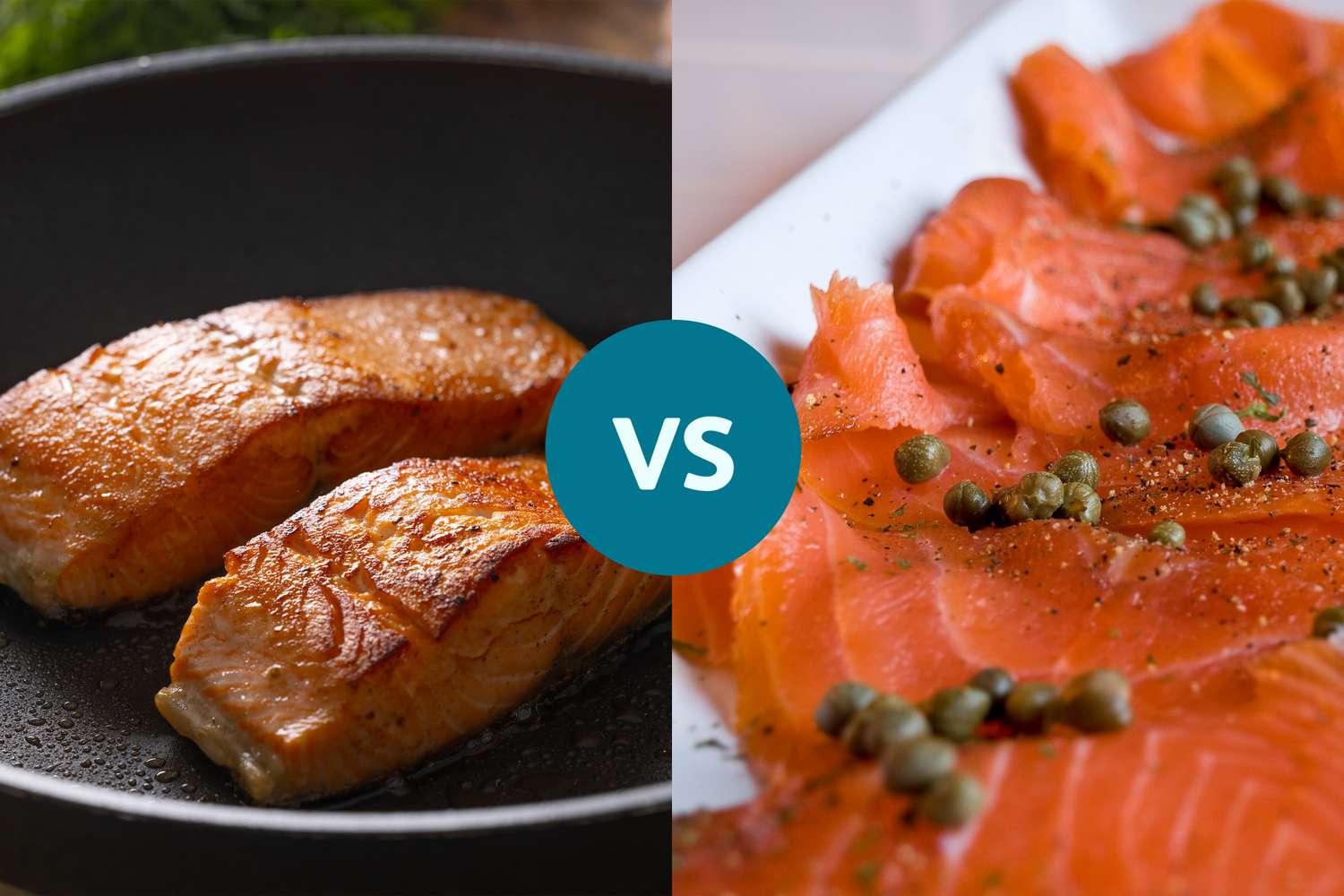
3. Grilled Salmon with Lemon-Garlic Asparagus
Salmon is a powerhouse for cardiovascular health, which is vital for anyone focused on type 2 diabetes meal planning. Pair it with some of the best non-starchy vegetables for low carb diabetic meals, such as roasted asparagus or sautéed spinach.
Why This Works: Fatty fish provides omega-3 fatty acids that reduce inflammation. Asparagus is incredibly low in calories but high in nutritional density, filling you up without affecting your glucose levels.
4. Turkey and Avocado Wrap in a Collard Green Leaf
Instead of a flour tortilla, use a large, blanched collard green leaf as your wrap. Fill it with lean turkey breast, sliced avocado, and a bit of spicy mustard.
- 2 large collard green leaves
- 4 oz sliced turkey breast
- 1/2 avocado, sliced
- Sliced bell peppers for crunch
Why This Works: Eliminating the refined flour wrap significantly lowers the glycemic load. The monounsaturated fats in the avocado provide satiety and help the body absorb fat-soluble vitamins.
5. Quinoa and Black Bean Power Bowl
Quinoa is a rare plant source of complete protein. Toss it with black beans, roasted sweet potatoes (in small portions), and a dollop of Greek yogurt instead of sour cream.
Why This Works: Quinoa has a lower GI than white rice. When paired with black beans, you get a massive boost of soluble fiber, which is the gold standard for blood sugar management recipes.
6. Chicken Stir-fry with Broccoli and Ginger
Stir-fries are excellent low glycemic index dinner ideas for type 2 diabetes because they focus on volume through vegetables. Use plenty of ginger and garlic for flavor, and stick to a dash of low-sodium soy sauce.
- 5 oz chicken breast strips
- 2 cups broccoli florets
- 1 tbsp fresh ginger, minced
- Serve over a small portion of cauliflower rice
Why This Works: Broccoli is packed with sulforaphane, which may help protect against cell damage. Using cauliflower rice instead of white rice keeps the total carbohydrate count per meal within a healthy range.
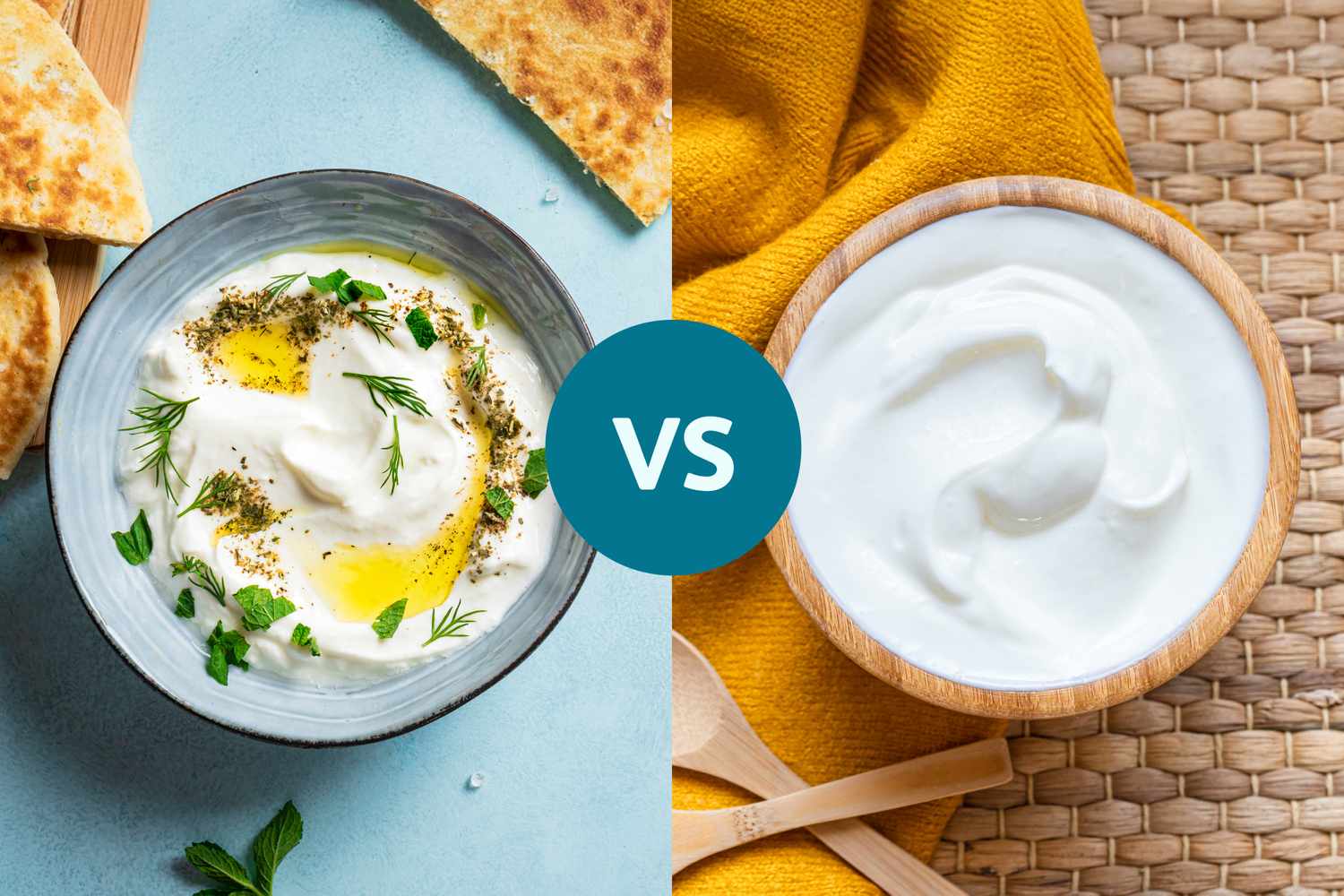
7. Savory Greek Yogurt with Cucumber and Dill
If you prefer a lighter evening meal or a heavy snack, try plain Greek yogurt topped with savory ingredients like chopped cucumbers, walnuts, and a drizzle of olive oil.
Why This Works: Greek yogurt contains more protein than regular yogurt, which aids in satiety. Choosing plain versions avoids the hidden processed sugars found in fruit-flavored varieties.
Smart Meal Prepping & Portion Control
Consistency is the secret to long-term success. One of the best ways to stay on track with your type 2 diabetes meal planning is to prepare your components in advance. When you have pre-washed greens and cooked proteins in the fridge, you are much less likely to reach for high-GI convenience foods when you are tired.
To make portioning easy, use the Hand Portion Guide:
- Protein (Meat/Fish): A portion should be about the size of your palm.
- Vegetables: Aim for two fists worth of non-starchy greens.
- Carbohydrates: Limit your portion to one cupped hand.
- Fats (Nuts/Oil): A portion should be roughly the size of your thumb.
Smart Swaps for Success
| High-GI Food (Limit These) | Low-GI Alternative (Choose These) | Benefit |
|---|---|---|
| White Bread | Sprouted Grain or Sourdough | More fiber and slower digestion |
| Instant Mashed Potatoes | Mashed Cauliflower or Lentils | Significantly lower glycemic load |
| White Rice | Quinoa or Pearl Barley | Higher protein and mineral content |
| Sugary Cereal | Steel-cut oats or Chia Pudding | Sustained energy without the crash |
| Corn Chips | Raw Bell Peppers or Nuts | Better satiety and micronutrients |
FAQ
What foods are best for a diabetic diet?
The best foods are those that are nutrient-dense and high in fiber, such as leafy greens, cruciferous vegetables, fatty fish, and legumes. Focusing on whole, unprocessed foods helps stabilize insulin sensitivity and provides the vitamins necessary for metabolic health.
What is a typical breakfast for a diabetic?
A typical breakfast should focus on protein and fiber rather than sugar. Excellent options include scrambled eggs with spinach and mushrooms, or steel-cut oats topped with nuts and seeds. The goal is to avoid a morning spike that can lead to cravings later in the day.
How many carbs should a diabetic have per meal?
While individual needs vary based on activity level and medication, many experts recommend aiming for 45-60 grams of carbohydrates per meal. However, the quality of those carbohydrates—prioritizing complex carbohydrates over refined ones—is just as important as the total count.
What are some quick and easy diabetic dinner ideas?
Some of the easiest options include sheet-pan meals, such as roasted salmon with broccoli, or large salads topped with grilled chicken and avocado. These meals minimize cleanup and adhere naturally to the plate method.
Can diabetics eat pasta or white rice?
While these are high-GI foods, they can be enjoyed in moderation. To minimize the impact on blood sugar, try the resistant starch hack by cooking and cooling them first, or swap them for higher-fiber alternatives like whole-wheat pasta or basmati rice. Always pair them with plenty of fiber and protein.
How do you plan a balanced meal for blood sugar control?
Start with the plate method. Fill half your plate with non-starchy vegetables first. Then, add a portion of lean protein and a small serving of complex carbohydrates. This structure ensures you get the nutrients you need while keeping your postprandial glucose levels within a healthy range.
Conclusion
Mastering your metabolic health doesn't happen overnight, but every meal is a new opportunity to support your body. By prioritizing the plate method and embracing the variety found in a Mediterranean or DASH-style diet, you can maintain stable A1c levels and enjoy a high quality of life. Remember that balance is more important than perfection. Incorporating high-fiber ingredients, focusing on meal sequencing, and practicing portion control will lead to long-term success. Stay consistent, stay curious about new recipes, and celebrate the progress you make on your journey toward better health.