Quick Facts
- Best Diet: The DASH diet is the gold standard for heart health, emphasizing whole foods.
- Sodium Limit: Keep daily intake under 2,300 mg, or 1,500 mg for maximum benefit.
- Exercise Goal: Aim for at least 150 minutes of aerobic activity per week.
- Fastest Result: Significant changes from dietary adjustments often appear in just 2 to 4 weeks.
- Risk Reduction: A 10-point drop in systolic pressure can cut major cardiovascular risk by a fifth.
- Weight Impact: Losing even a small amount of weight can dramatically reduce the strain on your heart.
Effective lifestyle changes for lowering hypertension include adopting the DASH diet—emphasizing fruits, vegetables, and lean proteins—while limiting sodium. Regular aerobic exercise and maintaining a healthy weight are critical for improving arterial elasticity and long-term cardiovascular health.
Managing your heart health is more of a marathon than a sprint, but the good news is that the body is remarkably responsive to the right inputs. When we talk about lowering hypertension, we aren't just looking at a single number on a screen; we are looking at the health of your entire vascular system. High blood pressure is often a silent condition, but the strategies to manage it are vocal and effective. By making intentional shifts in how you eat, move, and rest, you can see a measurable decrease in your readings. In fact, for every 10-point reduction in systolic blood pressure achieved through lifestyle changes or medication, the risk of a major cardiovascular event decreases by approximately 20%.
Master the DASH Diet and Sodium Reduction
One of the most powerful tools in your arsenal is your dinner plate. The DASH (Dietary Approaches to Stop Hypertension) protocol isn't a restrictive "diet" in the traditional sense; it is a structured approach to eating that prioritizes nutrients that naturally lower blood pressure. When engaging in DASH diet meal planning for high blood pressure, focus on filling half your plate with colorful vegetables and fruits, opting for whole grains, and choosing lean proteins like poultry or fish. This approach is highly effective because it addresses the systemic causes of arterial pressure. Adopting the DASH diet can decrease systolic blood pressure by as much as 11 mmHg, which is a result comparable to some prescription medications.
Sodium reduction is a non-negotiable partner to the DASH approach. Most of our sodium intake doesn't come from the salt shaker on the table, but from processed and packaged foods. To make an impact, you should aim to keep your sodium intake below 2,300 mg per day, though the American Heart Association suggests 1,500 mg is ideal for those already dealing with elevated readings. Here are some practical tips for reducing sodium in daily meals:
- Swap out canned vegetables for fresh or frozen varieties to avoid hidden preservatives.
- Use herbs, spices, lemon juice, or vinegar to flavor your food instead of reaching for the salt.
- Read nutrition labels carefully, looking for "low sodium" or "no salt added" designations.
- Rinse canned beans or tuna under cold water to wash away excess brine.
Leverage the Sodium-to-Potassium Ratio
While reducing sodium is vital, increasing your intake of potassium is equally important. Think of potassium as the natural foil to sodium; it helps your body flush out excess salt and eases the tension in your blood vessel walls. This interaction is known as the sodium-to-potassium ratio, and it plays a major role in maintaining arterial elasticity. When your potassium levels are adequate, your blood vessels can expand and contract more easily, which reduces the force of blood against the vessel walls.
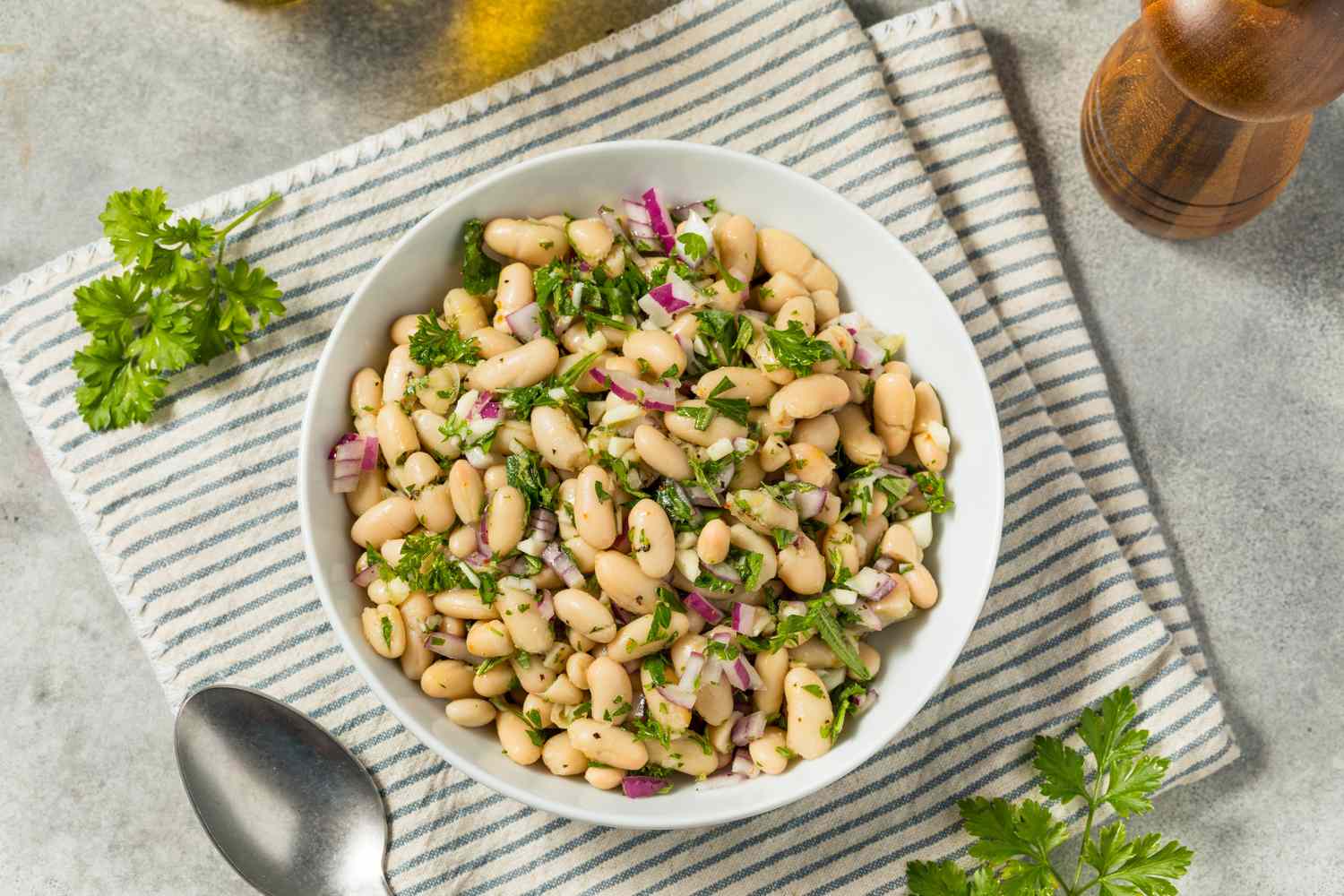
Incorporating natural ways to lower hypertension without medication often starts with seeking out Potassium-rich foods. Sweet potatoes, spinach, bananas, avocados, and white beans are all excellent sources. By focusing on these whole foods, you aren't just adding a mineral to your diet; you are actively protecting your Cardiovascular health. This balance ensures that your kidneys can function optimally, preventing the fluid retention that often leads to higher pressure readings.
Weekly Benchmarks for Aerobic Conditioning
Physical activity is essentially a workout for your blood vessels. When you engage in regular exercise, you are training your heart to pump more efficiently with less effort. This reduces the force on your arteries and improves your overall Systolic and diastolic readings. The current clinical recommendation is to achieve 150 minutes of moderate-intensity aerobic activity each week. This doesn't mean you need to run a marathon; brisk walking, swimming, or cycling are all fantastic ways to improve your heart healthy habits.
The key to success is consistency. Aerobic conditioning helps maintain arterial elasticity, preventing the stiffening of the arteries that often comes with age or a sedentary lifestyle. If you are just starting out, break your goals into manageable chunks—30 minutes of activity five days a week is often more sustainable than trying to do everything at once. Over time, these small sessions compound into significant cardiovascular benefits, making your heart stronger and more resilient.
Weight Management Strategies for Heart Health
Carrying excess weight, particularly around the midsection, puts a significant strain on the heart. It forces the cardiovascular system to work harder to circulate blood, which can lead to a condition known as Metabolic syndrome—a cluster of factors that increase the risk of heart disease and Stroke prevention issues. Effective weight management strategies for cardiovascular health focus on gradual, sustainable loss rather than crash dieting. Even losing as little as five to ten pounds can have a profound impact on your blood pressure.
Research indicates that a combined intervention of regular physical activity and weight loss can reduce systolic blood pressure by 12.5 mmHg and diastolic blood pressure by 7.9 mmHg in overweight individuals with hypertension. This dual approach addresses the problem from two angles: exercise improves the efficiency of the heart, while weight loss reduces the total workload the heart must perform. This synergy is one of the most effective lifestyle changes for hypertension available to us today.
Mindfulness and Stress Reduction Techniques
We often underestimate the impact of stress on our physical health. When you are stressed, your body enters a "fight or flight" mode, releasing hormones like adrenaline and cortisol that temporarily spike your blood pressure and heart rate. While these spikes are normal in short bursts, chronic stress keeps your pressure elevated for long periods, damaging your arteries over time. Incorporating Mindfulness meditation into your daily routine can provide a necessary "reset" for your nervous system.
Beyond meditation, focus on restorative rest. There is a significant difference between simply "sleeping" and getting high-quality, restorative rest that allows your body to repair itself. Practice good sleep hygiene by keeping your bedroom cool and dark, and avoiding screens for at least an hour before bed. These heart healthy habits contribute to a calmer internal environment, supporting long-term Cardiovascular health and reducing the daily wear and tear on your vascular system.
Accurate Home Monitoring Protocols
To manage your condition effectively, you need reliable data. Relying solely on the readings you get at a doctor's office can be misleading due to "white coat syndrome," where the stress of being in a clinical setting causes a temporary spike. Using a digital health tracking device at home allows you to see a more accurate picture of your average pressure. However, accuracy depends on following a strict protocol.
To ensure your readings are valid, sit quietly for at least five minutes before taking a measurement. Your back should be supported, and your feet should be flat on the floor—crossing your legs can artificially raise your pressure. For the best monitoring blood pressure frequency for stable readings, take two measurements in the morning and two in the evening for the first week of a new routine. Once you establish a baseline, you can drop back to checking once or twice a week. You can also use tools like the PREVENT calculator to assess your long-term cardiovascular risk based on these numbers and other health factors.
The Expectation Timeline: When Will You See Results?
One of the most common questions is how quickly these changes will take effect. The timeline for lowering blood pressure through diet is surprisingly fast; many people see a measurable drop in their readings within just two to four weeks of starting the DASH diet and reducing sodium. Physical activity and weight management take a bit longer to manifest in the data, typically requiring one to two months of consistent effort to show a significant impact on your Systolic and diastolic readings.

It is important to remember that as your body adjusts to these changes, you may experience minor side effects. For example, some people experience leg cramps if they are losing fluids too quickly or if their electrolyte balance shifts. This is why a gradual approach is always better than an overnight overhaul. Consistency is the most important factor; your daily habits are the building blocks of your future heart health.
FAQ
What is the fastest way to lower blood pressure?
Dietary changes, specifically the reduction of sodium and the adoption of the DASH diet, typically yield the fastest results, often within 14 to 28 days. In the very short term, deep breathing exercises and mindfulness meditation can provide a temporary drop in pressure by calming the nervous system.
Can hypertension be cured without medication?
While "cured" is a strong word, many individuals can successfully manage and even reverse stage 1 hypertension through significant lifestyle changes. However, this depends on the individual’s genetics and overall health. It is essential to work closely with a healthcare provider before making any changes to prescribed medication.
What foods should I avoid if I have high blood pressure?
You should limit foods high in sodium and saturated fats. This includes processed meats like deli turkey and bacon, canned soups, frozen dinners, and sugary snacks. Excessive alcohol consumption should also be avoided, as it can raise blood pressure and reduce the effectiveness of blood pressure medications.
How long does it take to lower hypertension with exercise?
It generally takes about one to three months of regular aerobic activity to see a significant and lasting impact on your blood pressure readings. The heart and blood vessels need time to adapt and become more efficient at circulating blood.
Are there natural supplements that lower blood pressure?
Some studies suggest that supplements like garlic extract, magnesium, and omega-3 fatty acids may help lower blood pressure. However, supplements should never replace primary lifestyle changes or medical treatments, and you should always consult your doctor to ensure they don't interact with other medications.
What are the warning signs of dangerously high blood pressure?
Extremely high blood pressure, known as a hypertensive crisis, can cause symptoms like severe headaches, chest pain, shortness of breath, blurred vision, or confusion. If you experience these symptoms, seek emergency medical attention immediately.