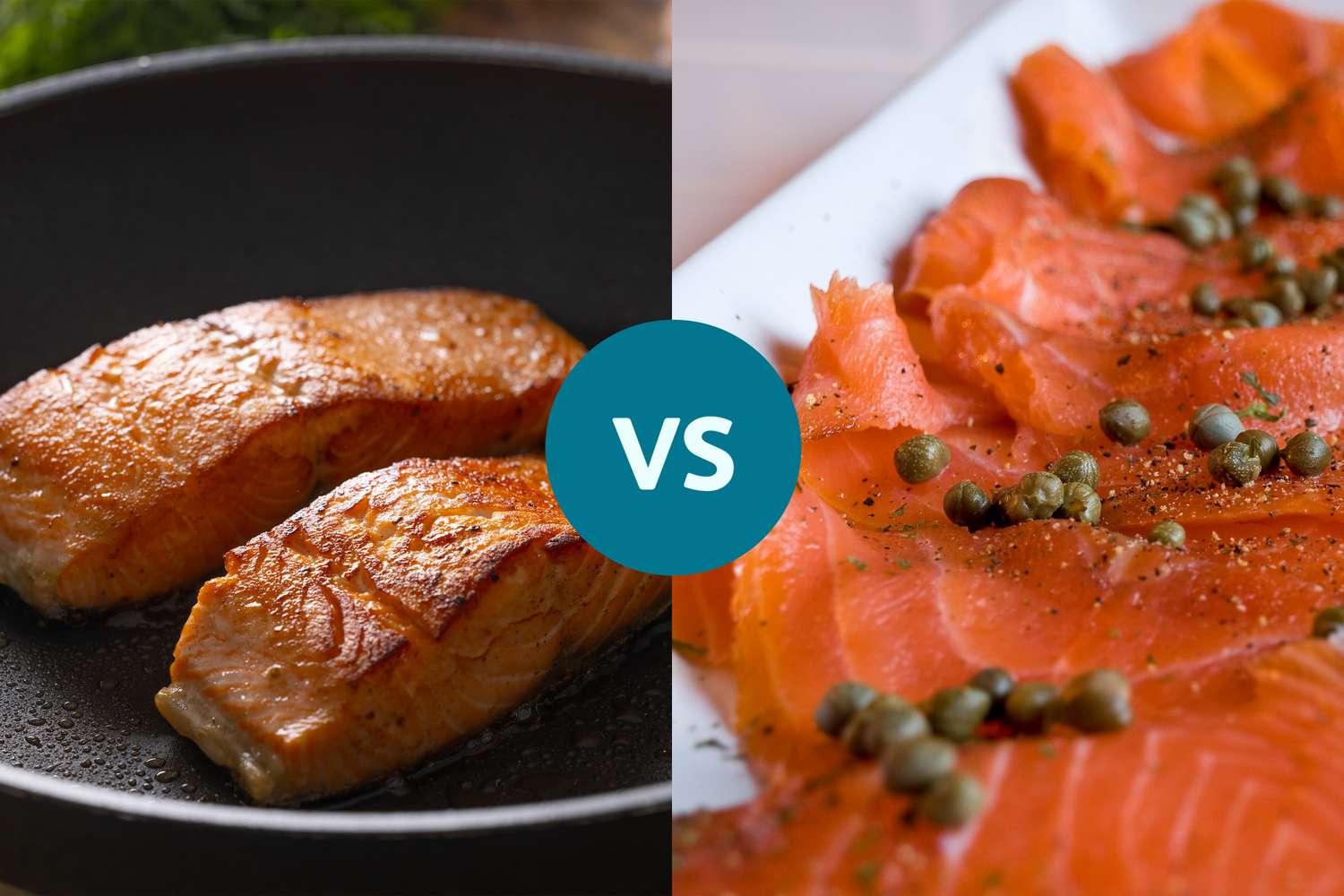
Quick Facts
- Nature vs. Human-made: Use the "origin filter" to distinguish between real food and ultra-processed substances.
- The 30-Plant Goal: Aim for 30 different plant species per week to maximize gut microbiome diversity.
- Protein Threshold: Consume 25-30g of bioavailable protein per meal to trigger muscle protein synthesis.
- Metabolic Hack: A simple 10-minute walk after eating can significantly reduce post-meal glucose spikes.
- Circadian Timing: Maintain a minimum 12-hour overnight fast to allow for essential cellular repair and insulin sensitivity.
- Hydration Impact: Drinking 500ml of water can boost your metabolic rate by 30 percent for an hour.
Core healthy eating guidelines emphasize prioritizing whole, unprocessed foods over "food-like substances." Key principles include eating a diverse range of at least 30 different plants per week to support gut microbiome health and choosing high-quality bioavailable protein sources while focusing on micronutrient density rather than strict calorie counting. By following these practical healthy eating habits, you can shift your body from a state of constant digestion to one of metabolic efficiency and long-term health.
Rule 1: The 'Nature vs. Human' Filter
When you walk down a grocery store aisle, you are effectively navigating a minefield of marketing claims. The first step in establishing healthy eating guidelines is to ignore the front of the package and look at the ingredient list. A fundamental rule for your whole food diet principles is to ask: "Did nature or a human make this?" If a product contains more than five ingredients, or includes items your grandmother wouldn't recognize as food, it likely falls into the category of ultra-processed substances.
These products are often engineered to be hyper-palatable, overriding your natural hunger signals and disrupting metabolic health. Statistics from experts show that individuals with the highest consumption of ultra-processed foods have a 19 percent higher risk of heart disease and a 65 percent increased risk of cardiovascular death. To protect your longevity, you must master how to identify ultra processed foods versus real foods. Look for "hidden" sugars, industrial seed oils, and artificial emulsifiers that trigger inflammation control issues in the gut.

Science vs. Action: The Label Test Science: Research indicates that the more health claims a package makes (e.g., "low-fat," "heart-healthy"), the more processed it tends to be. Action: Use science based tips for reading nutrition labels at the grocery store by focusing solely on the ingredient list. If the first three ingredients are sugars or refined grains, put it back.
Rule 2: Aim for 30+ Plant Species Weekly
For years, we were told to just "eat your veggies." However, modern nutrition science suggests that variety is just as important as volume. To support gut microbiome health, the new gold standard is consuming 30 different plant species every week. This isn't just about lettuce and broccoli; it includes nuts, seeds, whole grains, legumes, herbs, and spices.
Diversity in your diet leads to a diverse gut microbiome, which acts as the command center for your immune system and inflammation control. According to the Centers for Disease Control and Prevention, only 21 percent of American adults consume the recommended daily amount of fruits, and only 33 percent meet the vegetable intake. By learning ways to eat 30 different plants a week for gut health, you provide the necessary fiber and plant-based polyphenols that fuel beneficial bacteria.
The 30-Plant Weekly Checklist
- Vegetables: Aim for different colors (purple carrots, red peppers, leafy greens).
- Fruits: Berries, citrus, and stone fruits.
- Grains: Quinoa, buckwheat, wild rice, and oats.
- Legumes: Lentils, chickpeas, black beans, and edamame.
- Nuts & Seeds: Walnuts, chia seeds, pumpkin seeds, and flax.
- Herbs & Spices: Turmeric, basil, cilantro, and oregano (each one counts as a point!).
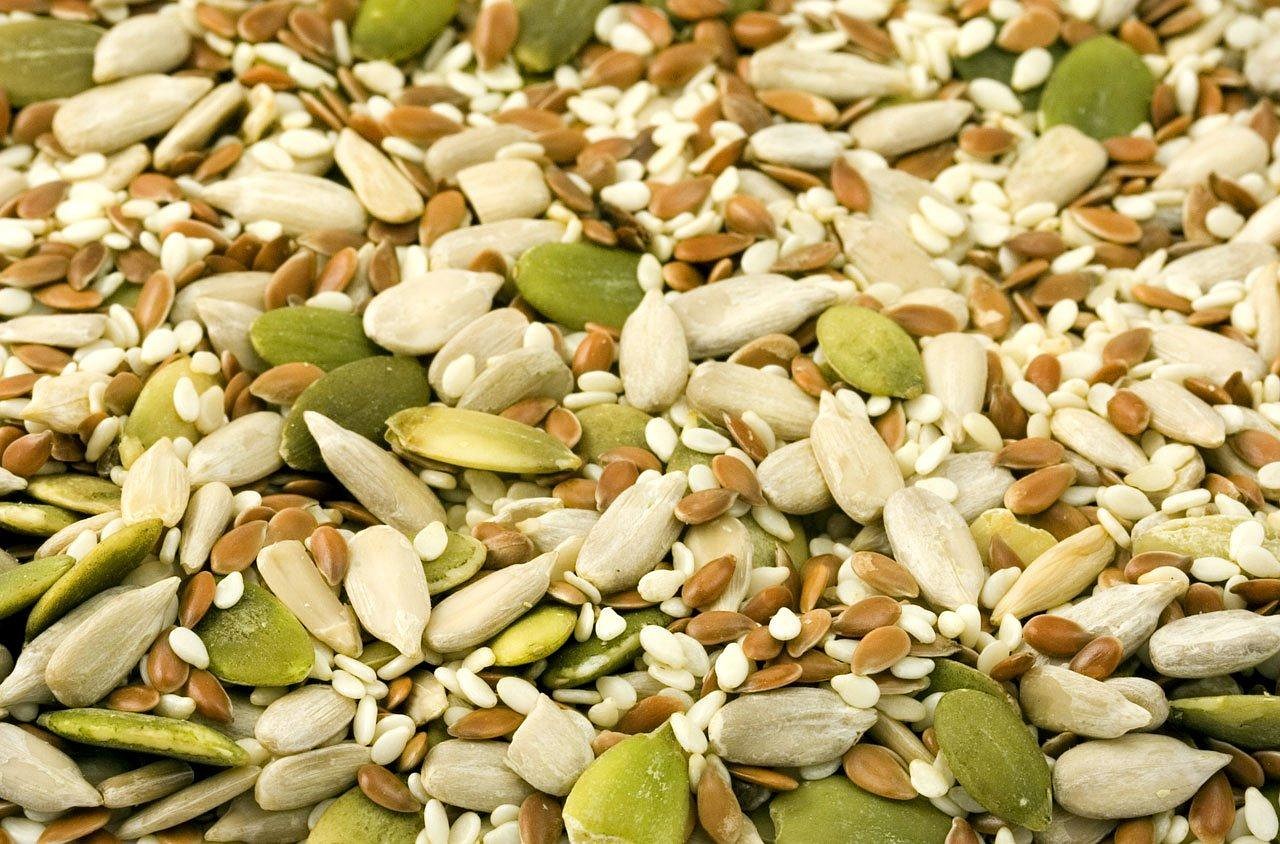
When you focus on how to start a whole food diet for beginners, don't feel overwhelmed. Simply adding a sprinkle of mixed seeds to your morning oats or using a four-bean blend in your chili can get you halfway to your goal in a single day.
Rule 3: Prioritize Protein Distribution
Protein is the most satiating macronutrient and is essential for maintaining lean muscle mass as we age. However, many people back-load their protein, eating very little at breakfast and a large portion at dinner. To optimize your metabolic health, science based nutrition tips suggest distributing protein evenly throughout the day.
The body requires a specific threshold—usually 25 to 30 grams—to trigger muscle protein synthesis. Choosing high-quality bioavailable protein sources is critical for this process. Animal sources like eggs, wild-caught fish, and grass-fed meats are highly bioavailable, while plant-based eaters may need to combine sources or eat slightly higher volumes to reach the same amino acid profile.

Understanding how to choose high quality protein sources based on nutrition science can transform your energy levels. Consuming adequate protein at breakfast, in particular, helps stabilize blood sugar and improves insulin sensitivity for the remainder of the day, reducing the likelihood of mid-afternoon energy crashes.
Rule 4: Master the 12-Hour Circadian Fast
Your body isn't designed to be in a constant state of digestion. Aligning your eating window with your natural circadian rhythm alignment is one of the most effective science based nutrition tips for longevity. By practicing a consistent 12-hour overnight fast, you allow your body to shift from active processing to cellular repair and autophagy.
If you finish dinner at 7:00 PM, wait until 7:00 AM the next morning to eat breakfast. This simple window provides several benefits of a 12 hour overnight fast for metabolic health, including improved fat oxidation and better blood glucose control. Late-night snacking, conversely, forces the liver and pancreas to work when they should be resting, which can contribute to systemic inflammation.

This rule isn't about extreme restriction; it is about giving your biological systems the downtime they need to function optimally. When you stop eating three hours before bed, your body can prioritize the production of growth hormones and the clearing of metabolic waste during sleep.
Rule 5: Manage Glucose with Post-Meal Movement
One of the most practical healthy eating habits for busy individuals has nothing to do with what is on your plate, but what you do after you finish it. Muscle contraction is the most effective way to clear glucose from the bloodstream. By engaging in a light 10-minute walk after your largest meals, you can cut your post-meal glucose spikes by as much as 50 percent.
This is a vital tool for maintaining insulin sensitivity. When glucose stays elevated for too long, it can damage blood vessels and increase the risk of chronic diseases. Instead of sitting on the couch after dinner, a short stroll around the block tells your muscles to soak up the sugar you just consumed, turning it into fuel rather than storing it as fat.

This habit is especially important if you have consumed a meal higher in carbohydrates. Small, consistent movements throughout the day act as a "metabolic sponge," keeping your blood sugar within a healthy range and protecting your long-term cardiovascular health.
Rule 6: Focus on Nutrient Density, Not Calories
The obsession with calorie counting often leads people toward "diet" foods that are low in energy but also devoid of nutrition. A core principle of healthy eating guidelines is to focus on micronutrient density—the amount of vitamins, minerals, and antioxidants per calorie. For instance, while a 100-calorie pack of crackers and 100 calories of walnuts have the same energy value, the walnuts provide healthy fats, fiber, and essential minerals like magnesium.
Consider the "Health Claim Paradox": products marketed as healthy often replace natural fats with sugar or artificial thickeners to maintain texture. By choosing whole foods, you ensure your body receives the raw materials it needs for hormone production and enzymatic reactions.
| Category | Whole Food Benefit | Ultra-Processed Risk |
|---|---|---|
| Heart Health | Lower systemic inflammation | 19% higher heart disease risk |
| Metabolic Rate | Steady energy via fiber | Frequent insulin spikes |
| Nutrient Intake | High micronutrient density | Often nutrient-depleted |
| Hydration | Natural water content | High sodium/Dehydrating |

Furthermore, simple hydration plays a massive role in how your body processes these nutrients. Research indicates that drinking 500 milliliters of water can temporarily increase the human metabolic rate by approximately 30 percent for about one hour. Prioritizing water over sugary beverages is a foundational step in any science based nutrition plan.
Rule 7: Reclaim the Kitchen Revolution
The final rule is perhaps the most important for sustainability: reclaim your kitchen. Simple meal prep using real ingredients is a biological necessity in a world dominated by a trillion-dollar food industry. When you cook at home, you have total control over the quality of oils, the amount of salt, and the freshness of the produce.
You don't need to be a gourmet chef to follow whole food diet principles. Focus on assembly rather than complex recipes. A piece of roasted salmon, a heap of sautéed greens, and a side of quinoa can be prepared in under 20 minutes. This approach bypasses the marketing noise and ensures you are eating food as medicine rather than food as a commodity.

Science vs. Action: The 80/20 Consistency Science: Perfection is the enemy of progress. Rigid diets often fail because they don't account for social life or stress. Action: Follow these healthy eating guidelines 80 percent of the time. This consistency allows your body to handle the occasional "human-made" treat without derailing your metabolic health.
FAQ
What are the basic principles of a healthy diet?
The foundation of a healthy diet involves prioritizing whole, minimally processed foods that provide high nutrient density. This includes a variety of plant species, high-quality protein, and healthy fats, while avoiding ultra-processed substances that contain excessive additives and refined sugars.
How many servings of fruits and vegetables should I eat daily?
Most science based nutrition tips recommend at least five to nine servings of fruits and vegetables per day. However, focusing on the diversity of those servings—aiming for different colors and species—is just as important as the total quantity for supporting gut microbiome health.
Is it possible to eat healthy on a budget?
Yes, eating healthy can actually be more cost-effective. Research suggests that plant-based whole foods like beans, lentils, and frozen vegetables are often cheaper per serving than processed convenience foods. Buying in bulk and focusing on seasonal produce can save significant money over time.
What is the most important part of healthy eating?
The most important part of healthy eating is consistency over perfection. Focusing on food quality—asking "did nature or a human make this?"—and managing your metabolic health through meal timing and movement provides a much higher return on investment than strict calorie counting.
How do I start a healthy eating plan?
Start by implementing one rule at a time to avoid burnout. You might begin by ensuring every breakfast contains 25g of protein, or by committing to a 12-hour overnight fast. Once these practical healthy eating habits become second nature, layer on the next rule until your diet is fully optimized.