Quick Facts
- The Leading Threat: Chronic inflammatory diseases are the most significant cause of death globally, accounting for 60% of all deaths.
- Quantifiable Impact: Adherence to a Mediterranean-style diet can reduce C-reactive protein levels by 20% and lower heart disease risk by 30%.
- Nutrient Density: Dark leafy greens like Swiss chard score a maximum 1,000 on the Aggregate Nutrient Density Index (ANDI).
- Dosage Awareness: For effective joint pain relief, research suggests a clinical threshold of 1.5–2g of EPA and DHA daily.
- Bioavailability Hack: Pairing turmeric with black pepper can increase the absorption of its active compound, curcumin, by up to 2,000%.
- Expected Timeline: Most individuals begin to see improvements in systemic inflammatory markers within 2 to 3 weeks of consistent dietary changes.
The most effective anti-inflammatory foods include fatty fish like salmon and sardines for omega-3s, and berries rich in anthocyanin antioxidants. Turmeric, leafy greens, and cruciferous vegetables provide essential phytonutrients that help reduce oxidative stress and regulate inflammatory markers in the body.

Chronic inflammation is often called the silent fire. Unlike the acute inflammation that helps your body heal a scraped knee, chronic inflammation is a low-grade, persistent immune response that can damage healthy tissues over time. According to the World Health Organization, chronic inflammatory diseases are the greatest threat to human health, contributing to three out of every five deaths worldwide.
As an editor focusing on micronutrient science, I look at food through the lens of biochemistry. We aren't just eating "healthy" meals; we are consuming compounds that communicate with our genes and immune cells. By prioritizing chronic inflammation nutrition, you can actively influence your cytokine regulation and lower C-reactive protein levels. This guide breaks down the seven most powerful, science-backed foods to include in your 2026 wellness strategy.
1. Fatty Fish: The Omega-3 Powerhouse for Joint Relief
When we discuss anti-inflammatory foods, fatty fish like salmon, mackerel, and sardines sit at the top of the hierarchy. The primary drivers here are two long-chain omega-3 fatty acids: eicosapentaenoic acid (EPA) and docosahexaenoic acid (DHA). These fatty acids are precursors to specialized pro-resolving mediators (SPMs), which are molecules that literally "switch off" the inflammatory response.
The anti-inflammatory benefits of fatty fish and omega-3s are well-documented in clinical literature. For those seeking anti-inflammatory foods for chronic joint pain relief, the dosage matters. Research suggests that consuming enough fish to reach 1.5–2g of combined EPA and DHA daily can significantly reduce joint tenderness and morning stiffness. These fats work by inhibiting the production of enzymes that break down cartilage and by suppressing the release of pro-inflammatory cytokines.
If you are following a science-based anti-inflammatory meal planning for beginners approach, aim for at least two servings of low-mercury fatty fish per week. If you rely on supplements, ensure they are third-party tested for purity and provide high concentrations of EPA and DHA rather than just generic "fish oil."
2. Dark Leafy Greens: Maximizing Nutrient Density
Dark leafy greens are the gold standard for high nutrient density. From a biochemical perspective, greens like Swiss chard, spinach, and collard greens are packed with vitamin K, magnesium, and a diverse array of polyphenols. These nutrients play a critical role in oxidative stress reduction by neutralizing free radicals before they can trigger the inflammatory cascade.
In the world of chronic inflammation nutrition, we often use the ANDI (Aggregate Nutrient Density Index) to rank foods. This system measures vitamin, mineral, and antioxidant content relative to caloric density.
Nutrient Density Call-out: The ANDI Leaderboard
- Swiss Chard: 1,000 (Perfect Score)
- Collard Greens: 1,000
- Spinach: 864
- Arugula: 604
High scores indicate that these foods provide a massive amount of micronutrients per calorie, making them essential for cellular repair.
Incorporating these into a budget-friendly anti-inflammatory grocery list is simpler than most realize. Frozen spinach or kale often retains its nutrient profile just as well as fresh versions and can be easily added to soups, stews, or smoothies.
3. Berries: Anthocyanins and Oxidative Stress
Berries—specifically blueberries, strawberries, and raspberries—are nutritional powerhouses due to their high concentration of anthocyanins. These are the pigments that give berries their deep colors and serve as potent antioxidants.
The primary role of berries in anti-inflammatory diet benefits is their ability to reduce oxidative stress. When your body has too many free radicals and not enough antioxidants, it enters a state of oxidative stress, which triggers inflammation. Anthocyanins work to increase the production of natural killer (NK) cells and reduce the expression of inflammatory genes.
While all berries are beneficial, wild blueberries often contain higher concentrations of antioxidants compared to larger, cultivated varieties. Adding a cup of berries to your breakfast is one of the most effective ways to start your day with a focused dose of cytokine regulation.
4. Cruciferous Vegetables: Sulforaphane and Gut Health
Vegetables like broccoli, cauliflower, Brussels sprouts, and bok choy are unique because of a sulfur-rich compound called sulforaphane. This compound is a potent activator of the Nrf2 pathway, which is the body's internal "thermostat" for antioxidant production.
Cruciferous vegetables are also vital for gut microbiome health. We now know that a significant portion of the immune system resides in the gut. These vegetables provide the fermentable fiber that beneficial gut bacteria need to produce short-chain fatty acids (SCFAs) like butyrate. Butyrate has systemic anti-inflammatory effects and helps maintain the integrity of the gut lining.
To maximize the sulforaphane content, try "chopping and waiting." Cutting your broccoli 40 minutes before cooking allows the enzyme myrosinase to activate the sulforaphane. Alternatively, adding a pinch of mustard seed powder to cooked cruciferous veggies can provide a similar bioavailability boost.
5. Turmeric and Spices: Bioavailability Mastery
Turmeric has been used for centuries, but modern science has finally caught up to its potential. The active ingredient, curcumin, is a bioactive substance that fights inflammation at the molecular level by blocking NF-kB, a molecule that travels into the nuclei of your cells and turns on genes related to inflammation.
However, curcumin is notoriously difficult for the body to absorb. This is where practical ways to use anti-inflammatory spices in cooking become essential. To achieve bioavailability mastery, you must pair turmeric with black pepper. Black pepper contains piperine, which inhibits the metabolic pathway that would otherwise eliminate curcumin from your body.
| Anti-Inflammatory Pairing | Synergy Partner | Biochemical Benefit |
|---|---|---|
| Turmeric | Black Pepper | Increases curcumin absorption by 2,000% |
| Tomatoes | Extra Virgin Olive Oil | Enhances lycopene bioavailability via healthy fats |
| Leafy Greens | Lemon Juice | Vitamin C increases non-heme iron absorption |
| Garlic | Salmon | Synergistic reduction in C-reactive protein (CRP) |
When doing anti-inflammatory meal planning tips, don't just think of turmeric as a supplement. Use it in "golden milk," whisk it into salad dressings, or add it to roasted vegetables.
6. Tomatoes: Lycopene and Heart Health
Tomatoes are the primary dietary source of lycopene, a carotenoid that has shown significant anti-inflammatory food benefits for heart health. Lycopene is particularly effective at reducing the oxidation of LDL cholesterol, a key step in the development of cardiovascular disease.
Interestingly, tomatoes are one of the few foods where processing actually improves the nutrient profile. Cooking tomatoes breaks down the cell walls, making the lycopene more available for your body to use. When you combine cooked tomatoes with a healthy fat, the absorption increases even further.
Scientific reviews have shown that high intakes of lycopene are associated with lower levels of systemic inflammatory markers like IL-6 and CRP. Whether you are using tomato paste, sun-dried tomatoes, or a slow-cooked sauce, you are providing your cardiovascular system with a powerful layer of protection.
7. Extra Virgin Olive Oil: The Mediterranean Gold Standard
No anti-inflammatory diet is complete without extra virgin olive oil (EVOO). It is the cornerstone of the Mediterranean diet, which can reduce C-reactive protein levels by 20% and decrease the risk of heart disease by 30%.
The "secret sauce" in EVOO is a phenolic compound called oleocanthal. Research has shown that oleocanthal has a similar effect to ibuprofen; it inhibits the pro-inflammatory COX-1 and COX-2 enzymes. While it won't replace a painkiller for an acute injury, the cumulative effect of consuming EVOO daily can lead to significant systemic inflammation reduction.
When selecting an oil for your science-based anti-inflammatory meal planning for beginners, quality is paramount. Look for "Cold Pressed" and "Extra Virgin" on the label, and choose oils in dark glass bottles to protect the polyphenols from light degradation. High-quality EVOO should have a slight "peppery" kick at the back of the throat—that's the oleocanthal working.
FAQ
What are the best foods to eat to reduce inflammation?
The most effective foods are those high in omega-3s (fatty fish), polyphenols (berries and extra virgin olive oil), and sulforaphane (broccoli). Prioritizing a variety of colors ensures a wide spectrum of phytonutrients that work together to lower inflammatory markers like C-reactive protein.
Is coffee considered anti-inflammatory?
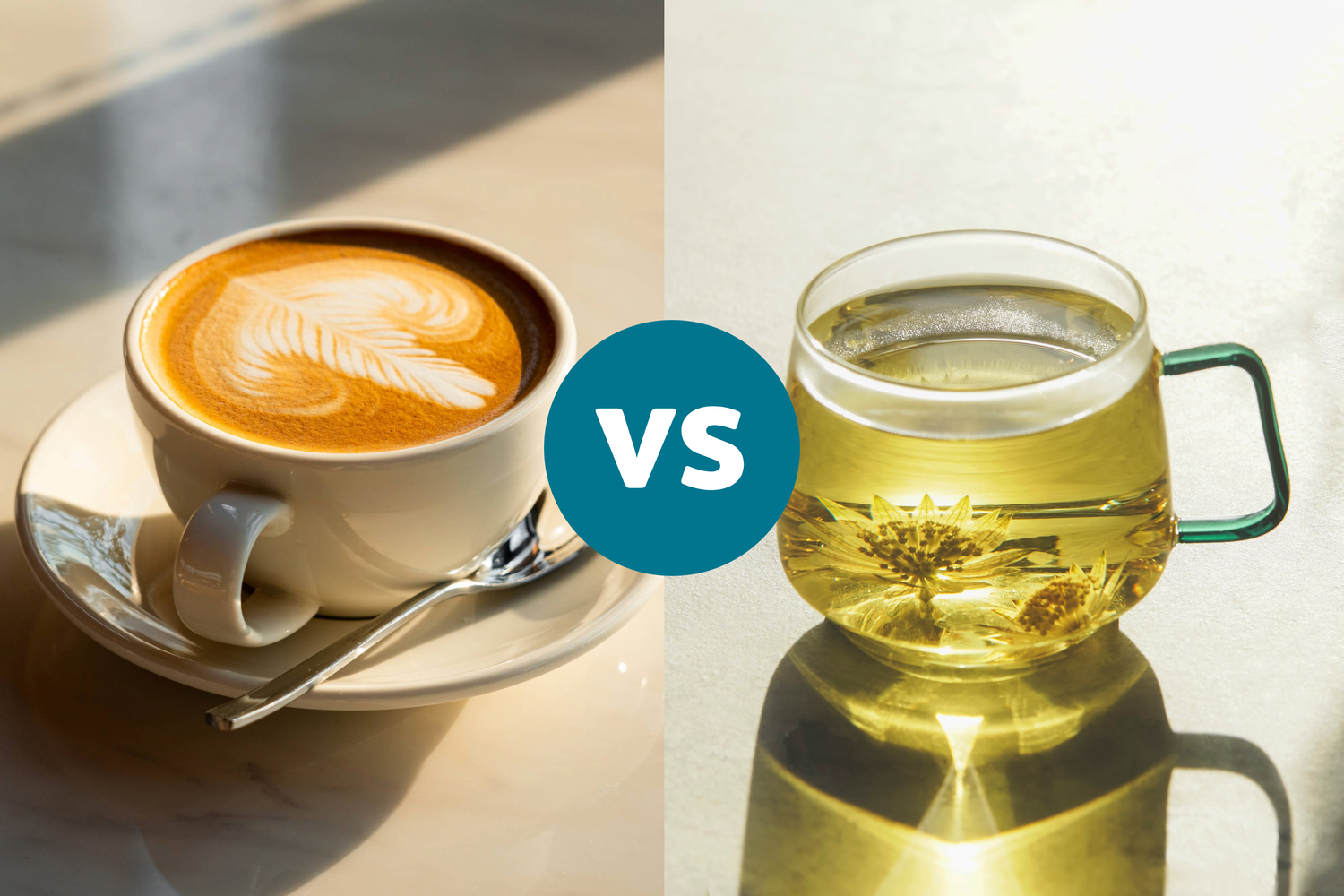
Yes, coffee is a significant source of antioxidants, specifically chlorogenic acids. Regular, moderate coffee consumption has been linked to lower levels of inflammation in several large-scale studies. However, the benefits can be negated if the coffee is loaded with sugar and high-fat creamers.
What is the strongest natural anti-inflammatory food?
While it is difficult to crown a single winner, turmeric (when paired with black pepper) and fatty fish are often cited as the most potent due to their direct impact on inflammatory pathways. Turmeric blocks the NF-kB molecule, while fish provide the building blocks for molecules that actively resolve inflammation.
How long does it take for an anti-inflammatory diet to work?
Biochemical changes, such as shifts in the gut microbiome and cellular antioxidant levels, begin almost immediately. Most people report feeling "better"—less bloated, less joint stiffness, and improved energy—within 2 to 3 weeks. However, significant changes in biological markers like CRP or cholesterol often take 3 to 6 months of consistency.
Can an anti-inflammatory diet help with joint pain?
Absolutely. By reducing the production of pro-inflammatory cytokines and enzymes that degrade cartilage, an anti-inflammatory diet can significantly lower pain levels. Fatty fish and extra virgin olive oil are particularly beneficial for joint health due to their lubricating and enzyme-blocking properties.