Quick Facts
- Nutritional Gap: Whole nuts offer 6g protein and 4g fiber, while milk provides only 1g protein and nearly zero fiber.
- Heart Impact: Daily intake of whole nuts leads to a 5% average reduction in LDL cholesterol.
- Vessel Health: Whole almonds increase nitric oxide bioavailability by 17.5%, supporting arterial flexibility.
- The Dilution Factor: Most commercial milks contain as little as 2% actual nuts, consisting mostly of filtered water.
- Clinical Dosage: Consuming 28g to 43g of whole almonds daily is the benchmark for significant cardiometabolic health improvements.
- Hidden Additives: Many milk alternatives contain inflammatory thickeners like carrageenan and up to 21g of added sugar.
Whole almonds provide a complete food matrix including fiber, protein, and monounsaturated fats that are largely lost during the almond milk straining process. For heart health, whole almonds are superior as they actively improve lipid profiles and endothelial function, whereas almond milk is primarily water-based and often lacks the bioactive polyphenols found in the nut skin.
The Straining Loss: Why Milk Is Not a Whole Nut
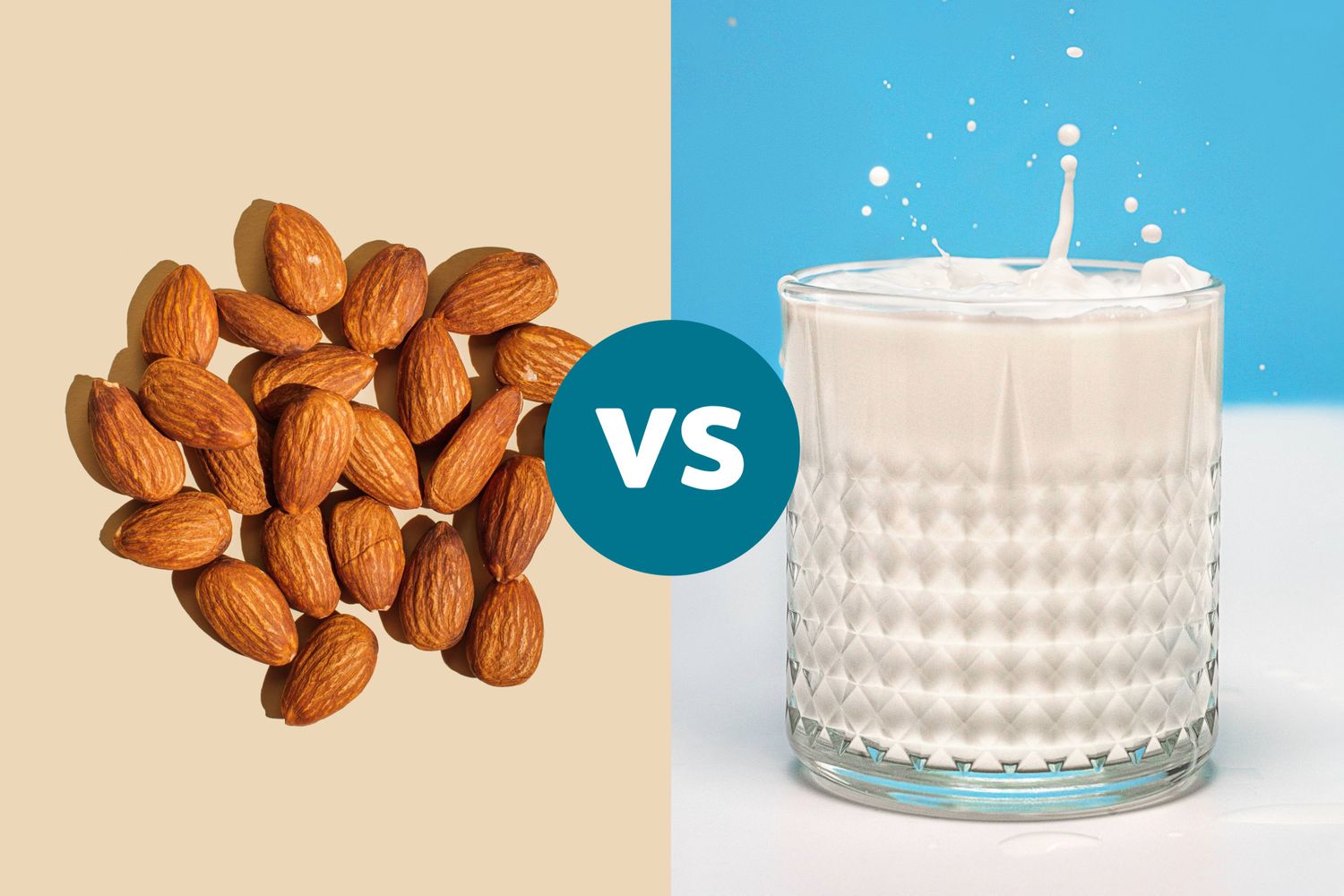
When we look at the comparison of almonds vs almond milk, we must first address the physical transformation that occurs during processing. In the production of almond milk, nuts are soaked, blended with water, and then strained. This straining process is where the nutritional value takes a significant hit. By removing the solid pulp, manufacturers eliminate the very components that define the heart health benefits of almonds.
The nutritional differences between whole almonds and almond milk are most visible in the fiber and protein disparity. A standard one-ounce serving of whole almonds delivers 6 grams of protein and 4 grams of fiber. In stark contrast, because the pulp is discarded, most commercial almond milks contain just 1 gram of protein and almost no fiber per cup.
Furthermore, the skin of the almond is a concentrated source of dietary polyphenols, specifically gallic acid. Processing typically strips these skins away. Research suggests that the interaction between these polyphenols and the Vitamin E found in the nut creates a synergistic effect that protects LDL cholesterol from oxidation. Without the skin and the intact food matrix, the beverage becomes a highly diluted version of the original superfood, lacking the bioaccessibility of key micronutrients.
| Nutrient (per serving) | Whole Almonds (1 oz / 28g) | Almond Milk (1 cup / 240ml) |
|---|---|---|
| Protein | 6g | 1g |
| Dietary Fiber | 4g | <1g |
| Total Fat | 14g (Mostly Monounsaturated) | 2.5g - 3g |
| Vitamin E | 7.3mg (50% DV) | Fortified (Variable) |
| Magnesium | 76mg (19% DV) | ~15mg |
| Potassium | 200mg | ~170mg |
Cardiometabolic Power: How Whole Almonds Protect Your Heart
As a vitamins and minerals editor, I focus on how specific dosages affect biological markers. The clinical evidence for whole almonds is robust. Clinical research indicates that consuming approximately 1.5 ounces of whole almonds daily can lead to a 5% average reduction in LDL cholesterol and a modest decrease in diastolic blood pressure. These are critical metrics for anyone looking to manage their cardiometabolic health.
The mechanism behind these improvements lies in the lipid profiles and the presence of oleic acid. Whole almonds are rich in monounsaturated fats, which help maintain the fluidity of cell membranes and support the health of the endothelium—the inner lining of your blood vessels. When you consume the whole nut, the monounsaturated fats in whole almonds for heart health work alongside alpha-tocopherol (Vitamin E) to reduce systemic inflammation.
Magnesium also plays a starring role here. While you may find some vitamin e and magnesium in almonds vs almond milk, the whole nut provides these in their naturally occurring ratios. Magnesium is essential for regulating blood pressure and heart rhythm. In the context of whole almonds nutrition vs almond milk, the high concentration of magnesium in the nut helps the muscles of the heart and blood vessels relax, preventing the constriction that leads to hypertension.
The food matrix effect also ensures a slower glycemic response. When you chew a whole almond, the fat and fiber slow down the absorption of nutrients, preventing the insulin spikes that can lead to arterial damage over time. Almond milk, especially sweetened varieties, lacks this protective slowing mechanism.
The Gut-Heart Axis: Fiber Beyond Digestion
We often think of fiber only in terms of digestion, but the impact of whole almonds on gut microbiome health is a major contributor to cardiovascular protection. The fiber and healthy fats in almonds act as a prebiotic, feeding the beneficial bacteria in your gut.
When your gut bacteria ferment the fiber from whole almonds, they produce short-chain fatty acids like butyrate. Butyrate has been shown to reduce systemic inflammation, which is a primary driver of atherosclerosis (the hardening of the arteries). Because almond milk removes the insoluble and soluble fiber during the straining process, it offers almost none of this prebiotic effect.
The dietary polyphenols found in the almond skins also play a role in the gut-heart axis. These compounds are metabolized by gut microbes into smaller bioactive molecules that enter the bloodstream and help improve blood vessel dilation. This process is largely absent when consuming processed milk alternatives, as the "dilution factor" and the removal of the food matrix significantly limit the availability of these phenolic acids.
Practical Ways to Upgrade Your Heart-Healthy Diet
If you are currently relying on almond milk for your nutritional needs, it is time to reconsider your strategy. While almond milk can be a low-calorie base for smoothies, it should not be viewed as a replacement for the nutritional density of the nut itself. To maximize heart health benefits, scientific evidence suggests consuming about one to one and a half ounces of almonds daily.
Here are practical ways to add almonds to a heart healthy diet:
- The Daily Handful: Keep a tin of raw or dry-roasted almonds at your desk. Aim for 23 to 28 nuts to hit the 1-ounce mark.
- The Satiety Boost: Add sliced almonds to your morning oatmeal or Greek yogurt. The combination of protein and fiber will keep you full much longer than a glass of almond milk.
- The Salad Crunch: Use slivered almonds instead of croutons. You gain the monounsaturated fats and fiber without the refined carbohydrates.
- Better Milk Choices: If you must use almond milk, look for unsweetened versions and check the label for nutrient fortification. Ensure it is fortified with Calcium and Vitamin D, but understand that these are synthetic additions, not the natural mineral complex found in the nut.
When shopping for almond milk, use this label checklist to avoid ingredients that might negate heart health benefits:
- Avoid Added Sugars: Look for "Unsweetened" on the front of the pack. Some milks contain up to 5 teaspoons of sugar per serving.
- Scan for Thickeners: Try to avoid carrageenan, which has been linked to digestive inflammation in some studies.
- Nut Percentage: Some premium brands now list the percentage of almonds used. Aim for brands that use a higher nut-to-water ratio.
Ultimately, the goal is to shift from a "processed replacement" mindset to a "whole food" mindset. By choosing the whole nut, you ensure your body receives the full spectrum of magnesium, potassium, and phenolic acids necessary for protecting against coronary heart disease.
FAQ
Which is healthier: almonds or almond milk?
Whole almonds are significantly healthier than almond milk because they are a nutrient-dense whole food. They contain the full food matrix of fiber, protein, and healthy fats that are removed or highly diluted during the production of almond milk. While almond milk is lower in calories, it lacks the cardiometabolic benefits associated with eating the actual nut.
Do you get the same nutritional benefits from almond milk as whole almonds?
No, you do not get the same benefits. The process of making almond milk involves straining out the solid pulp and skins, which contain most of the fiber, protein, and heart-protective antioxidants. Most commercial almond milks are roughly 98% water and contain only a fraction of the nutrients found in a single serving of whole nuts.
How many almonds are actually in one cup of almond milk?
Most commercial almond milks contain the equivalent of only 4 to 6 whole almonds per cup. This explains why the protein and fiber counts are so low compared to a standard 1-ounce serving of whole almonds, which contains approximately 23 to 28 nuts.
Why do almonds have more fiber than almond milk?
The fiber in almonds is located in the solid structural components of the nut, particularly the skin and the cellular walls of the meat. Since almond milk is a strained liquid, these solid fiber-rich components are discarded as "almond pulp" during manufacturing, leaving the liquid with nearly zero fiber.
Can almond milk replace the health benefits of eating nuts?
Almond milk cannot replace the health benefits of eating whole nuts. While it can be a useful dairy-free alternative for those with allergies or those looking for a low-calorie liquid, it does not provide the same lipid-lowering effects, glycemic control, or prebiotic benefits that whole almonds offer.