Quick Facts
- Risk: Long-term use of antidepressant medications for more than two years is associated with an 84% increased risk of developing Type 2 Diabetes.
- HbA1c Targets: Clinical guidelines such as the AACE 2026 suggest a target of 6.5% or lower for most adults with Type 2 Diabetes to minimize complications.
- Positive Impact: Short-term treatment with SSRIs like fluoxetine has been shown to improve glycemic indices and reduce HbA1c levels.
- Negative Impact: Certain medications, specifically mirtazapine and paroxetine, are associated with rapid weight gain of approximately 3kg and worsened glucose control.
- Combination Risk: The risk of developing Type 2 Diabetes is reported to nearly double for patients using a combination of tricyclic antidepressants and SSRIs simultaneously.
- Monitoring: Patients starting new psychiatric therapy should increase the frequency of self-monitoring of blood glucose during the initial 12 weeks.
Antidepressants and diabetes have a complex, bidirectional interaction where certain medications can significantly impact glucose homeostasis and insulin sensitivity. While some options improve metabolic parameters, others may trigger hyperglycemia or weight gain, necessitating a strategy for managing blood sugar on antidepressants through close coordination with a healthcare team.
1. The Bidirectional Link: How Depression Affects Metabolism
Understanding the relationship between mental health and metabolic function is the first step in effective therapeutic management. Clinical data suggests that the prevalence of depression is twice as high in individuals with diabetes compared to the general population. This is not merely a psychological reaction to a chronic illness but a complex physiological interplay involving the endocrine system.
1.1 HPA Axis Dysfunction and Metabolic Syndrome
The primary biological bridge between these two conditions is HPA axis dysfunction. When an individual experiences chronic depression or stress, the hypothalamic-pituitary-adrenal (HPA) axis becomes overactive, leading to elevated cortisol levels. High cortisol levels directly oppose the action of insulin, promoting insulin resistance and contributing to the development of metabolic syndrome. Furthermore, systemic inflammation associated with depression can further impair the body's ability to maintain glycemic stability.
1.2 The Impact on Medication Adherence
Beyond biology, depression significantly impacts the behavioral aspects of diabetes care. A patient struggling with low mood or fatigue may find it difficult to maintain the rigorous schedule required for blood sugar monitoring for antidepressant users or to follow complex insulin regimens. By effectively treating depression, healthcare providers often see a secondary improvement in diabetes outcomes because the patient is better equipped to manage their diet, exercise, and medication adherence.
2. Drug-Specific Impacts: Which Antidepressants Raise Blood Sugar?
When selecting a treatment for depression, the choice of medication is critical for maintaining endocrine health. Not all antidepressants are created equal regarding their effect on glucose metabolism. Some are considered "metabolic friendly," while others carry a high risk of causing dysglycemia.
2.1 Comparative Analysis of Antidepressant Classes
The following table categorizes common medications based on their observed clinical impact on blood glucose and weight:
| Antidepressant Category | Examples | Metabolic Impact | Clinical Notes |
|---|---|---|---|
| Metabolic Friendly | Fluoxetine, Escitalopram | Generally improves insulin sensitivity | Often associated with modest weight loss. |
| Neutral to Moderate Risk | Sertraline, Duloxetine | Minimal impact on fasting glucose | Duloxetine is often used for diabetic neuropathy. |
| High Risk | Mirtazapine, Paroxetine | Significant weight gain, hyperglycemia | Can stimulate gluconeogenesis in the liver. |
| Very High Risk | TCAs (e.g., Amitriptyline) | Worsened glucose control | Associated with an 84% increased risk over long-term use. |
2.2 Analyzing Fluoxetine vs Paroxetine for Diabetes Patients
The choice between specific SSRIs can have vastly different outcomes for a diabetic patient. Research indicates that fluoxetine may actually improve glycemic indices and reduce HbA1c levels in those managing both conditions. In contrast, paroxetine is more frequently associated with weight gain and a decrease in insulin sensitivity.
For those concerned about mirtazapine side effects on blood glucose levels, it is important to note that this specific drug is a potent antagonist of H1 and 5-HT2C receptors, which can lead to intense cravings for carbohydrates and rapid weight gain of 3kg or more within the first few months of therapy.
2.3 Antidepressants That Don't Raise Blood Sugar
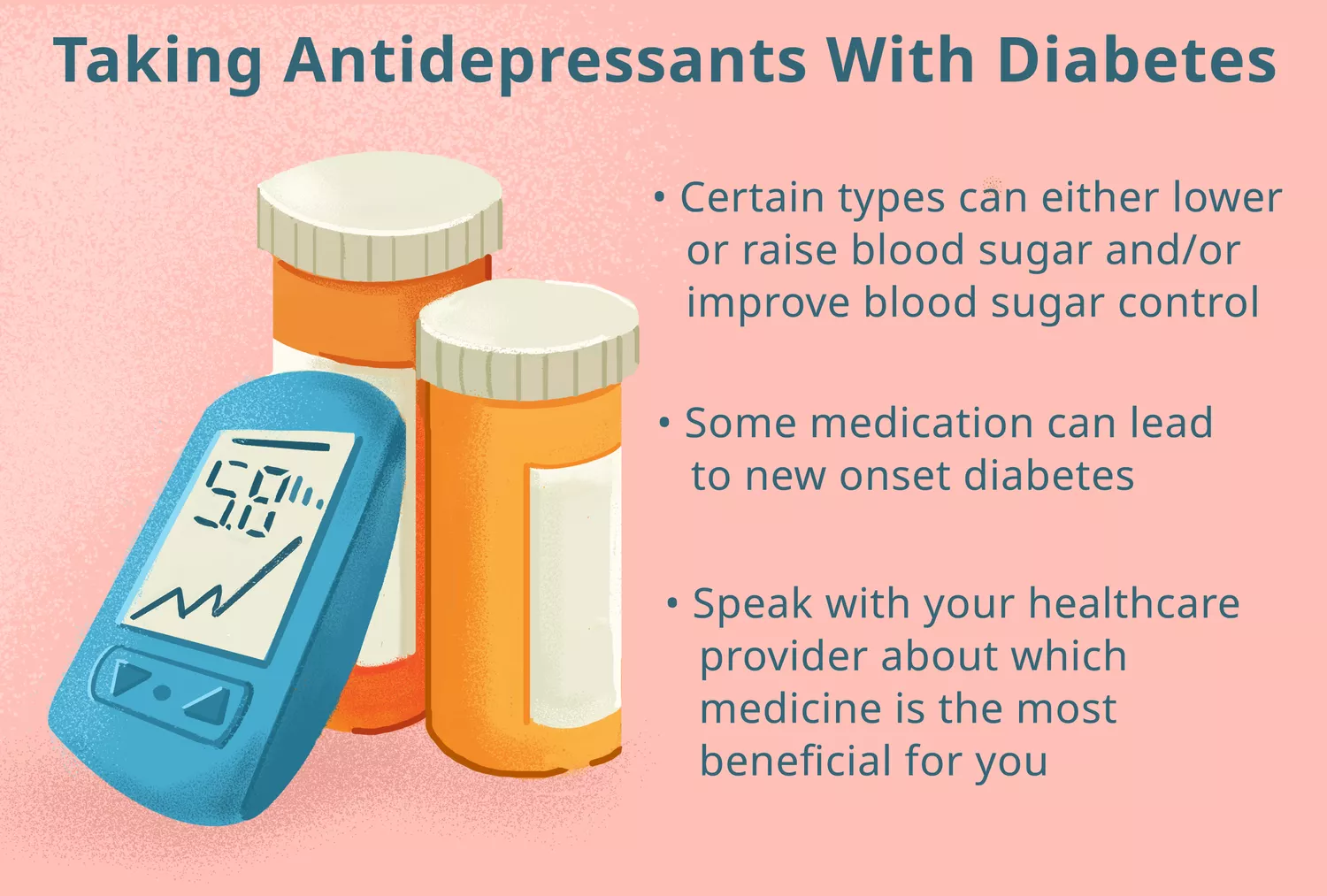
For patients seeking antidepressants that don't raise blood sugar, SSRIs like fluoxetine or escitalopram are typically the first line of defense. However, even these require careful observation. While they generally improve the metabolic profile, any change in psychiatric medication can shift the delicate balance of glucose homeostasis.
3. Practical Management: Monitoring and Interaction Safety
Starting a new prescription requires a proactive approach to prevent sudden spikes or drops in glucose. The initial 12 weeks of treatment are the most volatile, as the body adapts to the new chemical environment.
3.1 How to Monitor Blood Sugar When Starting Antidepressants
If you are beginning a new regimen, it is recommended to increase the frequency of self-monitoring of blood glucose. Aim to check levels:
- Fasting (first thing in the morning)
- Before and two hours after the largest meal of the day
- Before bed
This data allows your doctor to identify early signs of antidepressant side effects on blood glucose before they become dangerous. If you notice a consistent upward trend in your numbers, it may indicate that the medication is stimulating gluconeogenesis or reducing your insulin sensitivity.
3.2 Antidepressant Interactions with Metformin and Insulin
One of the most critical aspects of safety is understanding antidepressant interactions with metformin and insulin. Some antidepressants can enhance the glucose-lowering effects of diabetes medications, potentially leading to hypoglycemia (dangerously low blood sugar). Conversely, others may block the effectiveness of metformin, requiring a dosage increase of the diabetes drug to maintain glycemic stability.
Expert Tip: The 3-Month Cycle Healthcare providers should evaluate a patient’s metabolic profile every 3 months during the first year of antidepressant therapy. This includes checking HbA1c levels and fasting lipid panels to catch any signs of metabolic syndrome early.
3.3 Sick Day Rules and Medication Adjustments
When dealing with pharmacotherapy interactions, it is useful to have a plan in place. If you experience a sudden illness or severe depressive episode that affects your eating habits, follow the "Sick Day Rules." This involves more frequent testing and potentially adjusting your insulin or metformin doses in consultation with your endocrinologist to avoid ketoacidosis or severe hyperglycemia.
4. Lifestyle and Advocacy: Talking to Your Healthcare Team
Managing the intersection of mental health and diabetes is a collaborative effort. It requires a person-centered approach where the patient, psychiatrist, and endocrinologist work in tandem.
4.1 Managing Antidepressant Weight Gain with Diabetes
If you are prescribed a medication that is known to cause weight gain, such as mirtazapine or certain tricyclics, lifestyle intervention becomes even more vital. Studies have shown that a weight loss target of 5-15% can significantly offset the metabolic risks of psychiatric drugs. Focus on high-fiber foods and consistent physical activity to help maintain insulin sensitivity even when the medication is working against you.
4.2 Questions to Ask Your Doctor
When discussing antidepressants and diabetes with your healthcare team, use this checklist to ensure all bases are covered:
- Does this specific antidepressant have a known effect on glucose homeostasis?
- How will this medication interact with my current dose of metformin or insulin?
- What is the expected impact on my weight over the next six months?
- Is there a more metabolic-neutral alternative to the drug being proposed?
- At what point should we consider adjusting my diabetes medications after starting this new therapy?
According to data, long-term use of antidepressant medications for more than two years is associated with an 84% increased risk of developing Type 2 Diabetes, which underscores the importance of ongoing advocacy and monitoring. Furthermore, for those already diagnosed, the risk of developing complications nearly doubles when combining certain classes like SSRIs and TCAs, making the initial consultation with a specialist paramount.
FAQ
Do antidepressants affect blood sugar levels?
Yes, antidepressants can significantly impact blood sugar levels by altering insulin sensitivity and glucose homeostasis. Some medications like fluoxetine may lower blood sugar and improve HbA1c, while others like mirtazapine, paroxetine, and tricyclic antidepressants can cause hyperglycemia and contribute to weight gain.
Can antidepressants increase the risk of developing diabetes?
Clinical research indicates that long-term use of antidepressants (over two years) is associated with an 84% increased risk of developing Type 2 Diabetes. This risk is particularly high for patients using tricyclic antidepressants or a combination of different antidepressant classes simultaneously.
Which antidepressants are safest for people with diabetes?
Generally, SSRIs such as fluoxetine and escitalopram are considered the safest and most "metabolic friendly" options. Fluoxetine, in particular, has been shown to improve glycemic indices. Duloxetine is also frequently prescribed as it can help manage both depression and diabetic peripheral neuropathic pain, though it requires monitoring of fasting glucose.
How does depression impact blood sugar management?
Depression impacts blood sugar through both biological and behavioral pathways. Biologically, it can lead to HPA axis dysfunction and increased cortisol, which promotes insulin resistance. Behaviorally, depression can make it harder for patients to adhere to diet, exercise, and medication schedules, leading to poor glycemic stability.
Can antidepressants cause weight gain in diabetic patients?
Yes, certain antidepressants are strongly linked to weight gain, which is a major risk factor for worsening Type 2 Diabetes. Medications like mirtazapine and paroxetine can cause significant weight gain, often around 3kg in the early stages of treatment, which can further impair insulin sensitivity and glucose control.