Quick Facts
- The Myth: The 8x8 rule is not scientifically backed and originated in 1945.
- Optimal Target: Research suggests 2.5 to 3.5 liters for most adults to maintain fluid homeostasis.
- Personalization: Use the 'Weight/2' formula (body weight in pounds divided by two) for a custom fluid ounce starting point.
- Biological Indicators: Aim for 5-7 voids per day and a pale yellow urine color.
- Fluid Sources: Approximately 80 percent of fluid comes from drinks, while 20 percent comes from moisture-rich foods.
- Performance Impact: Even mild dehydration can impair cognitive performance and physical thermoregulation.
While many believe eight glasses is the gold standard, your actual daily water intake depends on a complex interplay of biology and lifestyle. From the NASEM guidelines to the role of Arginine vasopressin, we explore the real science of staying hydrated. While the common recommendation is eight glasses per day, actual daily water intake requirements vary significantly between individuals; current research suggests a total water intake of 2.5 to 3.5 liters per day for many adults to maintain optimal hydration and support kidney function.
The History of the 8x8 Rule: Fact vs. Fiction
The ubiquitous "eight glasses a day" rule—often called the 8x8 rule—is perhaps one of the most successful pieces of health folklore in modern history. However, as an editor focused on micronutrient science, I find it essential to trace these recommendations back to their clinical origins. Most experts trace this specific number back to a 1945 recommendation from the Food and Nutrition Board. The board stated that an "ordinary standard" for adults was 2.5 liters daily.
The critical nuance lost in translation over the decades was the second half of that 1945 statement: "most of this quantity is contained in prepared foods." Furthermore, the baseline for that historical calculation was an average adult male weighing approximately 128 lbs. Given that the average body mass has increased significantly since the mid-20th century, a static "one size fits all" number is biologically obsolete. The eight glasses a day rule is not based on scientific evidence and fails to account for metabolic water produced during cellular respiration or the water density of a modern diet.
To understand your daily water intake, we must move away from marketing slogans and toward physiological metrics. Fluid needs are not static; they are a dynamic response to your body’s metabolic rate and the environment.
Personalizing Hydration Requirements by Body Weight
If eight glasses is an arbitrary baseline, how do we determine a scientifically sound target? The U.S. National Academies of Sciences, Engineering, and Medicine suggests that an adequate daily fluid intake for healthy adults is approximately 15.5 cups (3.7 liters) for men and 11.5 cups (2.7 liters) for women. These figures represent total water intake, which includes every beverage and food item consumed in a 24-hour period.
For a more tailored approach, many clinicians use the "Weight/2" formula. This method provides a personalized starting point by taking your body weight in pounds and dividing it by two. The resulting number is the total amount of fluid ounces you should aim for as a baseline. For instance, a person weighing 180 lbs would aim for roughly 90 ounces of fluid.
| Body Weight (lbs) | Daily Fluid Goal (oz) | Daily Fluid Goal (Liters) |
|---|---|---|
| 100 lbs | 50 oz | ~1.5 L |
| 125 lbs | 62.5 oz | ~1.8 L |
| 150 lbs | 75 oz | ~2.2 L |
| 175 lbs | 87.5 oz | ~2.6 L |
| 200 lbs | 100 oz | ~3.0 L |
| 225 lbs | 112.5 oz | ~3.3 L |
Personalizing hydration requirements by body weight is the first step toward achieving optimal daily hydration levels. This calculation helps maintain osmolality—the concentration of particles in your blood—ensuring that your cells neither shrink nor swell excessively.
Factors Affecting Water Needs: Beyond the Baseline
While weight provides a baseline, several internal and external variables can shift your needs by 20% to 50% in a single day. Environmental heat and humidity are the most obvious factors affecting water needs, as the body relies on evaporation for thermoregulation. When you sweat, you aren't just losing water; you are losing electrolytes, which changes the osmotic pressure in your extracellular fluid.
Altitude also plays a surprising role. At higher elevations, respiration rates increase, and the air is typically drier, leading to greater "insensible water loss" through the lungs. Furthermore, when the body detects a drop in hydration, it releases a hormone called Arginine vasopressin (also known as antidiuretic hormone). This hormone signals the kidneys to conserve water. Chronic elevation of Arginine vasopressin and its surrogate marker, Copeptin, has been linked in some studies to long-term stress on kidney function.
When adjusting daily water intake for intense exercise, one must consider both the duration and the intensity. For every pound lost during a workout, you should ideally replace it with 16 to 24 ounces of fluid to restore balance.
Indicators of Success: Using Urine Color to Monitor Daily Hydration Levels
Thirst is often cited as the primary guide for drinking, but by the time you feel thirsty, you may already be experiencing a 1% to 2% fluid deficit. This level of dehydration is enough to negatively impact cognitive performance, manifesting as brain fog, reduced alertness, and slower reaction times.
A more reliable, real-time method involves using urine color to monitor daily hydration levels. Clinicians use an 8-point scale to assess hydration status. Your goal should be a score of 1, 2, or 3, which corresponds to a pale, straw-like yellow or lemonade color. If your urine resembles apple juice or dark tea, your kidneys are working overtime to concentrate waste, indicating a need for immediate fluid replacement.
Another practical metric is the frequency of urination as a hydration indicator. A healthy, well-hydrated adult should typically void between five and seven times per day. If you find yourself going only twice a day, your daily water intake is likely insufficient. In clinical settings, we might look at Urine specific gravity to measure the exact density of the urine compared to water, but for the average reader, the "pale yellow" rule is remarkably effective.
Not Just Plain Water: Best Hydrating Foods and Beverages
One of the most common misconceptions I encounter is the idea that only plain, filtered water counts toward your goals. In reality, approximately 20 percent of total daily water intake typically comes from food. Many whole foods are structurally composed of water held within a fiber matrix, which allows for slower absorption and longer-lasting hydration.
The best hydrating foods to supplement daily water intake include:
- Cucumber and Lettuce: Both are roughly 96% water and provide a crisp way to hydrate during meals.
- Watermelon and Strawberries: These fruits are about 91-92% water and offer natural electrolytes like potassium.
- Zucchini and Celery: Composed of 94-95% water, these are excellent for maintaining fluid homeostasis.
- Boiled Eggs: Surprisingly, even eggs are about 76% water, contributing to your metabolic water pool.
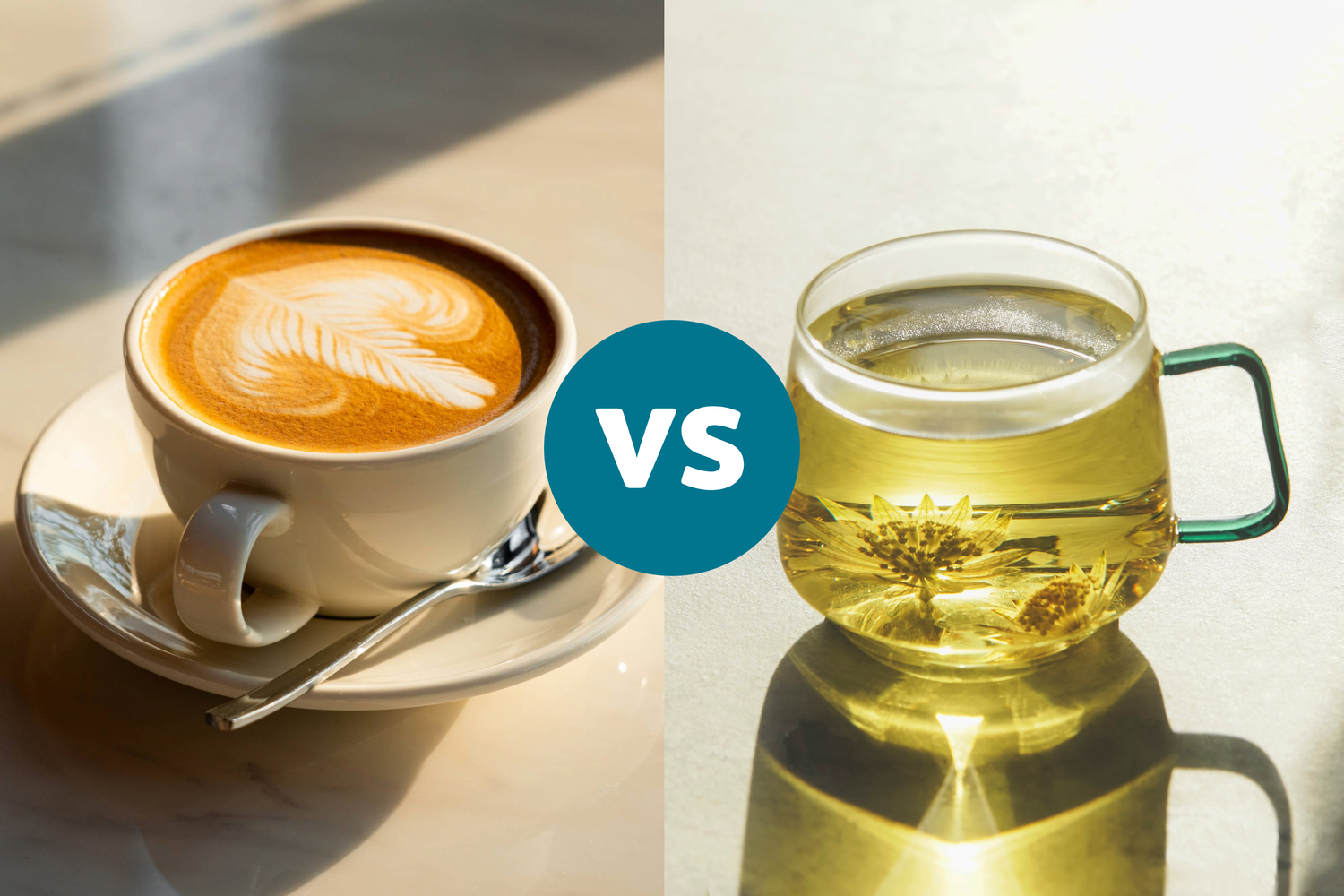
Regarding beverages, the "caffeine myth" persists—the idea that coffee and tea "don't count" because they are diuretics. While caffeine does have a mild diuretic effect, regular drinkers develop a tolerance, and the fluid provided by the beverage far outweighs the fluid lost. Even milk has been shown in some studies to be more hydrating than plain water over a four-hour period due to its electrolyte balance and protein content, which slow gastric emptying.
However, the "how" of drinking matters. Consuming a massive bolus of water (chugging a liter at once) often triggers a "bolus response," where the body quickly excretes the excess via the kidneys. Sipping consistently throughout the day is a more efficient way to maintain cellular saturation.
The Risks of Overhydration: When Is It Too Much?
In our quest for health, it is possible to overcorrect. Excessive daily water intake over a short window can lead to a dangerous condition known as Hyponatremia. This occurs when the concentration of sodium in the blood drops below 135 mEq/L (and becomes critically dangerous below 125 mEq/L).
When sodium levels are too low, water moves from the blood into the cells to equalize the concentration, causing the cells to swell. In the brain, this swelling can lead to confusion, seizures, and in extreme cases, coma. This is why the risks of drinking too much water daily are often discussed in the context of marathon runners or those using certain medications that interfere with water excretion. Always ensure you are balancing high fluid intake with adequate mineral intake to maintain your Electrolyte balance.
FAQ
Is the 8x8 rule for water intake accurate?
The 8x8 rule is a simplified guideline that lacks rigorous scientific support. It originated from a 1945 recommendation that failed to clarify that a large portion of our fluid needs is met through food. Modern science suggests that hydration needs are highly individual.
How do I calculate my daily water needs based on weight?
A common clinical starting point is to divide your body weight in pounds by two. The result is the number of fluid ounces you should consume daily. For example, a 160-pound person should aim for approximately 80 ounces of total fluid.
Does coffee and tea count toward your daily water intake?
Yes. While caffeine has a mild diuretic effect, the water contained in coffee and tea contributes significantly to your overall hydration. For habitual caffeine consumers, these beverages are effectively hydrating.
What are the signs that you are not drinking enough water?
Common signs include dark-colored urine, a frequency of urination less than five times a day, persistent thirst, dry mouth, and cognitive performance issues like unexplained fatigue or headaches.
Can you drink too much water in one day?
Yes, excessive intake can lead to Hyponatremia, where blood sodium levels become dangerously diluted. This is rare in healthy individuals with a balanced diet but can occur if several liters are consumed in a very short period without electrolytes.
Does your water intake need to increase during exercise?
Absolutely. Physical activity increases sweat rate and respiration. You should aim to drink 16 to 24 ounces of fluid for every pound of body weight lost during exercise to prevent dehydration and support recovery.
Stay Hydrated with Science
Optimal hydration is not about hitting a magic number like eight; it is about supporting your body’s complex biological machinery. By shifting the focus to optimal daily hydration levels based on your unique weight, activity, and environment, you move from guesswork to precision.
Pay attention to your body's signals—not just thirst, but your energy levels and urine color. Use the "Weight/2" formula as your foundation, but remain flexible enough to increase intake when the temperature rises or your activity intensifies. Staying hydrated is one of the simplest yet most profound ways to support your Kidney function and long-term vitality.