Quick Facts
- The Stimulant Effect: Alcohol acts as a chemical irritant that artificially accelerates the gastrointestinal tract, often leading to faster transit times.
- The Rebound Phase: When this external stimulant is removed, alcohol detox constipation usually peaks between 48 and 72 hours as the body attempts to find its natural rhythm.
- Microbiome Recovery: Clinical research suggests that three weeks of abstinence from alcohol can lead to a measurable increase in beneficial gut bacteria like Bifidobacterium.
- Hydration Suppression: Alcohol suppresses the release of vasopressin, an antidiuretic hormone, which causes the large intestine to reabsorb excess water and results in harder stool consistency.
- The Serotonin Connection: Approximately 95% of the body's serotonin is produced in the gut, meaning that stabilizing your dry january digestion directly impacts your mood and mental clarity.
- Clinical Advice: While temporary shifts in dry january bowel movements are normal, you should consult a healthcare provider if constipation is painful or lasts longer than seven days.
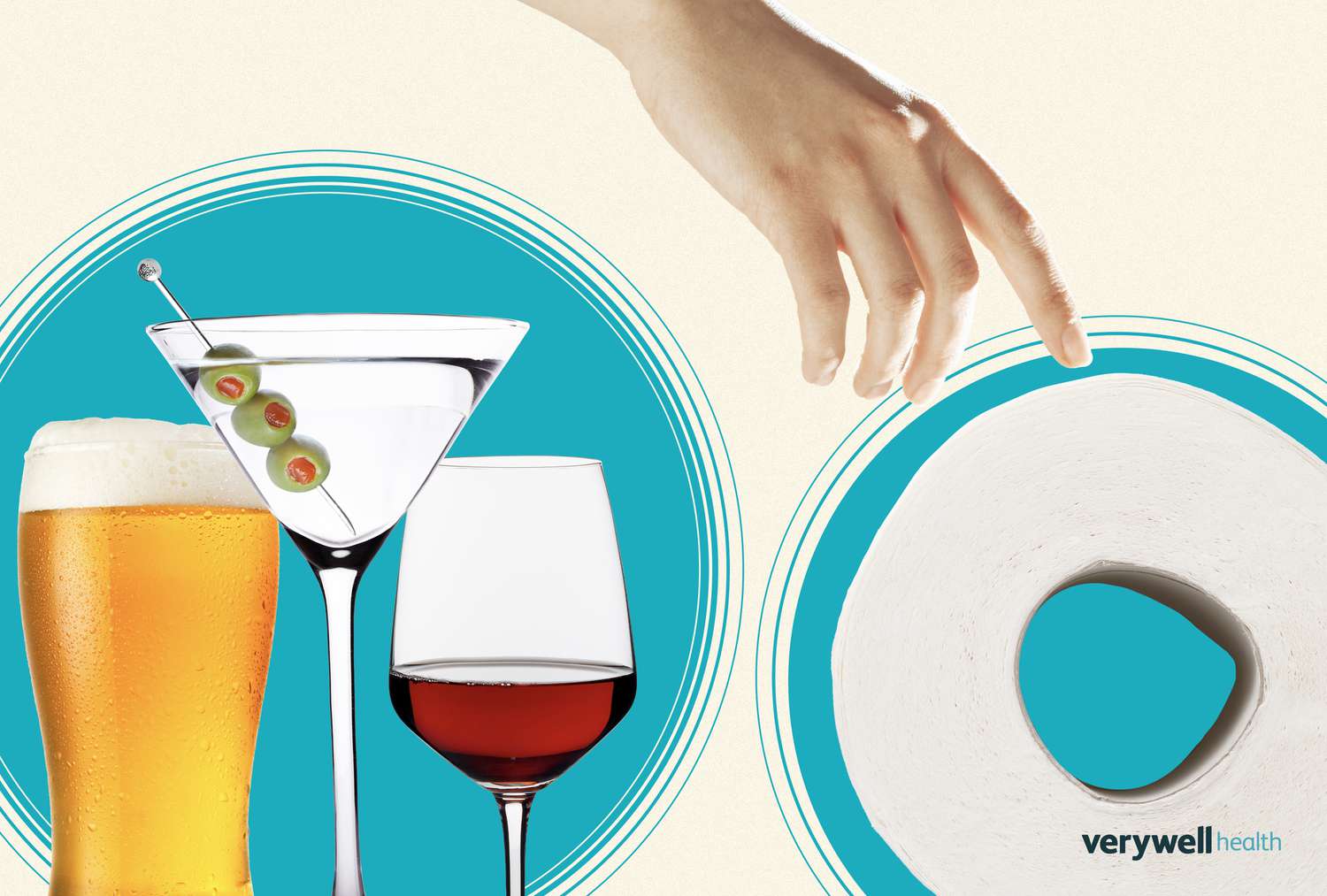
Embarking on a Dry January journey often brings unexpected digestive changes. While you might expect to feel better instantly, many experience a temporary slowdown in regularity. Understanding dry january digestion is key to navigating this transition. Alcohol acts as a stimulant for the gastrointestinal tract; when removed, your body must recalibrate its natural rhythm. Alcohol detox can disrupt regularity due to dehydration, changes in intestinal motility, and shifts in the gut microbiome, often leading to temporary constipation as the body restores its natural peristalsis.
Why Alcohol Removal Impacts Regularity (The Stimulant Effect)
To understand why your gut seems to go on strike during the first week of sobriety, we have to look at how ethanol interacts with the gastrointestinal tract. For many regular drinkers, alcohol serves as an unintentional prokinetic agent. It irritates the mucosal lining and speeds up the rate of muscle contractions in the colon. When you suddenly remove this trigger, the gut enters what we call a lazy phase. This is the primary driver behind alcohol detox constipation; your muscles have become accustomed to a chemical "push" and now must relearn how to move waste independently.
This recalibration period is a significant part of the dry january bowel movements timeline. During the first few days, the absence of alcohol-induced stimulation combined with the lingering effects of dehydration can make transit times feel sluggish. Furthermore, because alcohol alters the way the small intestine absorbs nutrients and water, the sudden change in chemistry requires the body to adjust its water-electrolyte balance. The large intestine may begin to pull too much water out of the waste matter in an attempt to rehydrate the rest of the system, leading to harder, more difficult-to-pass stools.
It is also important to consider the gut-brain axis. Alcohol affects the central nervous system, and since the gut is essentially our second brain, the withdrawal of a sedative like alcohol can cause the enteric nervous system to become temporarily dysregulated. This often manifests as bloating or irregular dry january digestion until the nervous system stabilizes.
Dietary Strategies: Foods and Supplements for Gut Recovery
If you are struggling with regularity, the most effective tool at your disposal is your fork. To support gut health after quitting alcohol, we need to focus on two things: moving the mail and rebuilding the neighborhood. Moving the mail refers to increasing fiber intake to assist with intestinal motility, while rebuilding the neighborhood involves restoring microbiome diversity.
A common mistake is simply eating more fiber without considering the type. To find alcohol detox constipation relief tips that actually work, focus on a blend of soluble and insoluble fiber. Soluble fiber, found in oats, beans, and apples, absorbs water to create a gel-like consistency that softens stool. Insoluble fiber, found in whole grains and vegetables, adds bulk to help the stool pass through the gastrointestinal tract more quickly.
We also need to address the damage alcohol may have caused to the gut barrier, sometimes referred to as leaky gut. The amino acid L-glutamine is often recommended by practitioners to help repair the intestinal lining. Additionally, focusing on the following foods can help accelerate your recovery:
- Prebiotic Fiber: Onions, garlic, leeks, and slightly underripe bananas provide the fuel your beneficial bacteria need to thrive.
- Fermented Foods: Incorporate kefir, unpasteurized sauerkraut, and kimchi. These foods introduce live cultures that help in rebuilding gut microbiome after quitting alcohol.
- Magnesium-Rich Foods: Spinach, pumpkin seeds, and almonds can help relax the muscles in the intestinal wall, aiding in peristalsis.
Integrating these into your daily routine is one of the best foods for regularity during dry january strategies. Research indicates that the probiotic benefits for dry january gut health are most pronounced when fermented foods are consumed consistently, helping to tip the scales back toward a diverse and resilient microbiome.
Hydration and Lifestyle: Moving Beyond the "Dry" Phase
While "Dry" January refers to the absence of alcohol, it should be the "Wettest" January in terms of water consumption. As we noted earlier, alcohol suppresses vasopressin, leading to a state of chronic dehydration that many drinkers don't even realize they have. When you quit, your colon is often the first place the body "steals" water from to replenish vital organs.
To combat this, how to stay hydrated for alcohol detox digestion goes beyond just drinking eight glasses of water. You need to focus on electrolyte balance. Alcohol depletes essential minerals like magnesium, potassium, and sodium, which are vital for the electrical signals that trigger muscle contractions in the gut. Adding a pinch of sea salt or an electrolyte powder to your water can significantly improve stool consistency and ease the transit process.
| Recovery Stage | Timeline | What to Expect | Focus Area |
|---|---|---|---|
| Initial Reset | Days 1–3 | Potential constipation, bloating | Hydration & Electrolytes |
| Microbial Shift | Days 4–14 | Increased gas as bacteria recalibrate | Prebiotic & Probiotic Foods |
| Stabilization | Days 15–21 | Improved regularity and stool consistency | Soluble & Insoluble Fiber |
| Optimization | Days 22–31 | Increased energy and mental clarity | Consistent Nutrient Density |
Beyond diet, gentle exercise for dry january constipation is a powerful mechanical tool. Walking, yoga, or even light stretching stimulates the blood flow to the gastrointestinal tract and encourages the natural movement of the bowels. Even a 15-minute walk after a meal can help trigger the gastrocolic reflex, which tells your colon it is time to move.
The Long-Term Reward: Mental Clarity and Metabolic Recovery
By the time you reach the third week of the month, the struggle with alcohol detox constipation usually gives way to a much more positive experience. This is often where the "pink cloud" of sobriety begins. According to a study by the University of Sussex, 70% of individuals reported better overall health after participating in Dry January, a statistic that includes the resolution of persistent digestive issues like bloating and irregular dry january bowel movements.
This improvement is largely due to hepatic function returning to normal and the gut-brain axis stabilizing. When the liver is no longer occupied with processing ethanol, it can more efficiently produce bile, which is essential for fat digestion and acting as a natural laxative. Furthermore, as microbiome diversity increases, your body becomes better at synthesizing B vitamins and regulating serotonin.
The mental clarity people report in late January isn't just about the absence of hangovers; it is about metabolic recovery. A healthy gut means less systemic inflammation, which directly correlates to better cognitive function. By sticking with the challenge, you aren't just giving your liver a break; you are performing a comprehensive "software update" on your entire digestive system.
FAQ
Does stopping alcohol improve digestion?
Yes, stopping alcohol significantly improves digestion over time. While the initial few days may involve a temporary slowdown or constipation as the body adjusts to the lack of chemical stimulants, the long-term result is a more resilient gut lining, better nutrient absorption, and a more balanced microbiome. Without the inflammatory effects of ethanol, the gastrointestinal tract can function at its optimal physiological pace.
Can Dry January help with bloating?
Dry January is highly effective at reducing bloating. Alcohol can cause inflammation in the stomach lining (gastritis) and disrupt the balance of gut bacteria, leading to gas production and water retention. Once the inflammatory trigger is removed and the microbiome begins to stabilize, most people report a significant reduction in abdominal distension and discomfort.
How long does it take for gut health to improve after quitting alcohol?
Noticeable improvements in the gut-brain axis and hepatic function often begin within the first week. However, clinical research indicates that it takes about three weeks of total abstinence for significant increases in beneficial bacteria like Bifidobacterium and Lactobacillus to occur. By the end of a 31-day cycle, most individuals experience a full recalibration of their digestive rhythm.
Does alcohol cause leaky gut?
Yes, alcohol and its metabolites can damage the tight junctions of the intestinal wall, a condition often referred to as increased intestinal permeability or leaky gut. This allows toxins and bacteria to "leak" into the bloodstream, triggering systemic inflammation. Quitting alcohol for a month provides the gut lining the necessary time to repair these junctions and strengthen the intestinal barrier.
Does quitting alcohol lead to better bowel movements?
In the long run, yes. While the first week might involve alcohol detox constipation due to the removal of artificial stimulants and changes in water absorption, the eventual result is a more predictable and healthy stool consistency. Better bowel movements occur as the body's natural peristalsis takes back control and the liver's bile production becomes more efficient.
What are the digestive benefits of a month without alcohol?
The benefits include restored microbiome diversity, improved nutrient absorption, reduced systemic inflammation, and a more stable gut-brain axis. Many people also find that they have fewer symptoms of acid reflux and heartburn. These collective improvements contribute to the 70% of participants who report better overall health following a successful Dry January.
Summary: Staying the Course for Gut Health
While the initial shift in your dry january bowel movements might be frustrating, remember that it is a sign of your body doing the hard work of recalibration. The temporary discomfort of alcohol detox constipation is simply a bridge to a much healthier destination. By prioritizing prebiotic fiber, staying vigilant about your electrolyte balance, and incorporating fermented foods, you can ease the transition and maximize the probiotic benefits for dry january gut health.
Stay the course. The rewards of metabolic recovery and a revitalized microbiome are well worth the few days of sluggishness. By the time February 1st rolls around, your gut will likely be in the best shape it has been in years, providing you with a solid foundation for health that lasts long after the month is over.