Quick Facts
- Mechanism: Soluble fiber reduces cholesterol via bile acid sequestration, preventing the liver from recycling bile and forcing it to use blood cholesterol instead.
- The 5-10g Rule: Consuming 5 to 10 grams of soluble fiber per day can lower LDL cholesterol levels by 5 to 11 points.
- Proven Impact: A massive meta-analysis found that every additional 5 grams of soluble fiber leads to an average LDL reduction of 5.6 mg/dL.
- Mortality Benefit: High fiber intake is linked to a 31% lower risk of mortality from coronary heart disease.
- Top Food Sources: Legumes like lentils and chickpeas, whole grains like barley and oats, and viscous seeds like psyllium and chia.
- Adoption Strategy: To avoid digestive distress, you must increase fiber intake slowly while significantly increasing water consumption.
Soluble fiber lowers LDL cholesterol through a process called bile acid sequestration. In the digestive tract, viscous fiber binds to bile acids, which are made from cholesterol, and prevents them from being reabsorbed. This forces the liver to pull more cholesterol from the bloodstream to produce new bile acids, effectively reducing circulating LDL levels and lowering cardiovascular disease risk. Using fiber for cholesterol management is one of the most effective, evidence-based dietary strategies for heart health.
The Biological 'Trap': How Soluble Fiber Clears Arteries
When we talk about heart health, the conversation usually focuses on what to remove from the diet, such as saturated fats or processed sugars. However, as a gut health editor, I prefer the addition mindset. By focusing on how to use soluble fiber to lower ldl, we leverage a fascinating biological mechanism known as bile acid sequestration.
Your liver uses cholesterol to produce bile acids, which are essential for digesting fats. Under normal circumstances, the body is incredibly efficient at recycling these acids, with a recovery rate of about 97%. When you consume a heart healthy high fiber diet, specifically one rich in viscous fiber properties, you interrupt this recycling loop. Soluble fiber dissolves in the water of your digestive tract, forming a thick, gel-like substance. This gel acts like a biological trap, binding to bile acids and carrying them out of the body as waste.
Because the bile is no longer being recycled, the liver faces a shortage. To compensate and produce more bile, the liver must harvest cholesterol directly from your blood. It does this by increasing the number of LDL receptors on its surface, pulling those "bad" cholesterol particles out of circulation. This reduces the total amount of cholesterol available to form plaques in your arteries, significantly lowering your overall cardiovascular disease risk.
It is important to distinguish between the two main types of fiber. Insoluble fiber, found in wheat bran and vegetable skins, acts like a broom to keep things moving and supports general digestive health benefits. Soluble fiber, however, is the specialist for your heart. It is the only type capable of this unique binding action. Furthermore, as this fiber reaches the colon, gut microbiota fermentation occurs. Your gut bacteria break down the fiber into short-chain fatty acids, which may further inhibit cholesterol synthesis in the liver, creating a multi-layered defense for your heart.
Quantitative Targets: Meeting the Daily Fiber Requirement
Despite the clear benefits, we currently face a massive dietary fiber gap. Approximately 95% of adults do not meet the recommended daily fiber intake for ldl reduction. This deficiency isn't just a matter of digestive regularity; it is a missed opportunity for cardiovascular protection.
For general health, experts suggest aiming for approximately 14 grams of fiber for every 1,000 calories consumed. However, if your specific goal is cholesterol management, we need to look closer at the soluble fraction. Clinical studies show that a specific threshold of 5 to 10 grams of soluble fiber per day is the "sweet spot" for measurable LDL reduction.
Achieving this requires intentional, nutrient-dense meal planning. It isn't just about eating an apple here or there; it is about choosing foods that are densely packed with the specific viscous fibers that influence the bile cycle. When you bridge the dietary fiber gap, you aren't just improving your digestion—you are effectively scrubbing your bloodstream.
Top Dietary Fiber Sources for Cholesterol Management
To get the most out of your diet, you need to know which foods offer the highest "fiber-per-bite" ratio. Not all high-fiber foods are created equal when it comes to soluble content.
Legumes: The Heavy Hitters
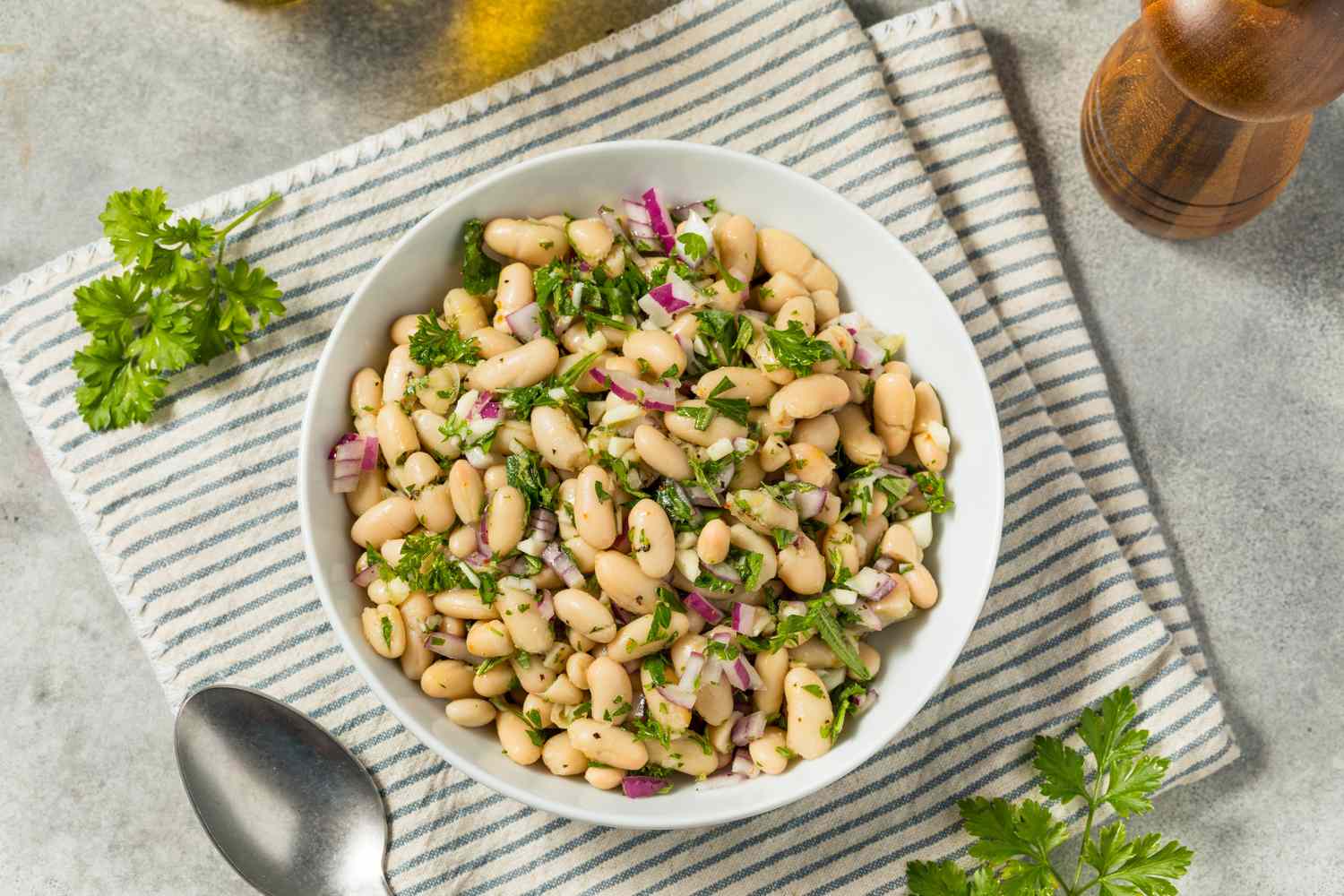
If there is one food group that reigns supreme for heart health, it is legumes. Using lentils and chickpeas for cholesterol management is a gold-standard strategy because they provide a massive dose of both soluble and insoluble fiber. A single cup of cooked lentils provides about 15 grams of total fiber, a significant portion of which is soluble.
Legumes also serve as an excellent saturated fat replacement. By swapping a serving of beef for a serving of black beans or chickpeas, you achieve a double win: you remove the dietary cholesterol and saturated fat that raise LDL, and you add the fiber that actively lowers it.
Whole Grains: The Power of Beta-Glucan
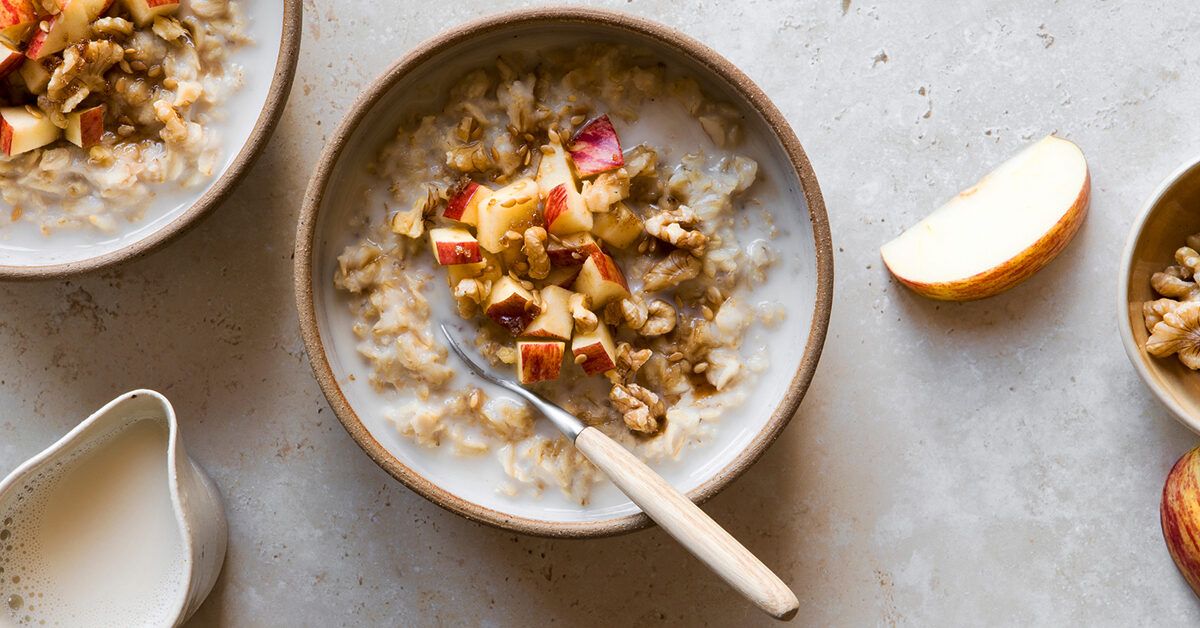
When looking for the best high fiber breakfast for heart health, oats and barley should be at the top of your list. These grains contain a specific type of soluble fiber called barley beta-glucan. Beta-glucan is exceptionally viscous, meaning it forms a very thick gel in the gut. This thickness is exactly what makes it so effective at trapping bile acids.
Unlike refined grains, which have had their fibrous outer layers stripped away, whole grains and legumes keep the germ and bran intact, ensuring you get the full spectrum of heart-protecting nutrients.
Seeds and Fruits: The Texture of Health
Seeds provide a convenient way to boost fiber intake without significantly increasing meal volume. I often recommend psyllium husk and chia seeds for ldl management. Psyllium is perhaps the most concentrated source of soluble fiber available, often used in supplement form but easily added to smoothies or oatmeal. Chia seeds, when soaked, demonstrate their viscous fiber properties by turning into a gel—this is the exact same process that happens in your digestive tract to bind cholesterol.
Fruits like apples, citrus, and pears are rich in pectin, another form of soluble fiber. Additionally, cruciferous vegetables like Brussels sprouts and broccoli support liver metabolism and help maintain healthy LDL to HDL ratios.
| Food Source | Serving Size | Total Fiber (g) | Soluble Fiber (g) |
|---|---|---|---|
| Psyllium Husk | 1 tbsp | 7.0 | 5.0 |
| Cooked Lentils | 1 cup | 15.6 | 4.0 |
| Black Beans | 1 cup | 15.0 | 4.8 |
| Rolled Oats | 1 cup (cooked) | 4.0 | 2.0 |
| Chia Seeds | 2 tbsp | 10.0 | 2.5 |
| Brussels Sprouts | 1 cup | 4.1 | 2.0 |
| Barley | 1 cup (cooked) | 6.0 | 2.5 |
Implementation Strategy: The Slow Ramp-Up and Hydration
One of the biggest mistakes people make when trying to improve their heart health is increasing their fiber intake too quickly. As a gut health expert, I’ve seen this lead to "fiber bloat"—gas, cramping, and general discomfort. Your microbiome needs time to adjust to the increased fermentation.
The golden rule is to learn how to increase fiber intake slowly for heart health. Start by adding just 3 to 5 grams of fiber to your daily routine for the first week. Once your system handles that comfortably, add another few grams. This titration allows your gut bacteria to adapt and prevents the digestive bottleneck that occurs when too much bulk enters a system that isn't used to it.
Simultaneously, you must prioritize hydration. Soluble fiber works by absorbing water. If you don't drink enough fluids, the fiber can become "clay-like" in the gut, leading to constipation. Aim for at least 9 to 12 cups of water daily to ensure the fiber can form the necessary gel for bile acid sequestration.
Finally, think about saturated fat replacement. Every time you choose a plant-based protein over an animal-based one, you are giving your heart a break. Replacing a steak with a lentil stew or using avocado instead of butter on your whole-grain toast are small, sustainable shifts that lead to measurable reductions in LDL levels over time.
FAQ
How does fiber help lower cholesterol levels?
Soluble fiber lowers cholesterol primarily by binding to bile acids in the small intestine. Because bile acids are made from cholesterol, trapping them and moving them through the digestive system for excretion forces the liver to take more LDL cholesterol out of the blood to create new bile. This process effectively reduces the amount of circulating cholesterol that can clog arteries.
Which type of fiber is best for reducing cholesterol?
Soluble fiber, also known as viscous fiber, is the specific type responsible for reducing cholesterol. While insoluble fiber is great for bowel regularity, it does not have the same gel-forming properties required to bind bile acids. Foods high in soluble fiber include oats, barley, beans, lentils, apples, and psyllium husk.
How much fiber should I eat per day to lower cholesterol?
To see a clinical improvement in LDL levels, you should aim for at least 5 to 10 grams of soluble fiber daily. For total fiber, the general recommendation is about 14 grams for every 1,000 calories consumed, which usually equates to 25 to 35 grams per day for most adults.
Can fiber supplements effectively lower LDL cholesterol?
Yes, fiber supplements like psyllium husk are highly effective at lowering LDL cholesterol. Psyllium is one of the most studied supplements for this purpose and is often recommended because it contains a very high concentration of soluble fiber. However, getting fiber from whole foods is generally preferred as they provide additional antioxidants and nutrients that support heart health.
Does dietary fiber actually remove cholesterol from the body?
Technically, fiber removes bile acids, which are the metabolic end-products of cholesterol. By preventing the reabsorption of these bile acids, fiber forces the body to use up its internal stores of cholesterol. While it doesn't "grab" cholesterol directly from your blood, the ripple effect of bile acid sequestration results in significantly lower blood cholesterol levels.