Quick Facts
- Primary Action: These medications mimic natural GLP-1 hormones to stimulate insulin release only when your blood sugar is high.
- A1C Impact: Clinical data shows an average hemoglobin A1C reduction of 1.4 to 2.1 percentage points.
- Heart Health: Studies indicate a 26% reduction in the risk of major adverse cardiovascular events like heart attack or stroke.
- Weight Loss: Patients typically experience an average weight loss of 10 to 14 pounds over a 30-week period.
- Administration: Most treatments are administered via a simple, once-weekly subcutaneous injection with a pre-filled pen.
- Long-Term Benefit: Beyond blood sugar, these agonists offer significant protection for both the heart and the kidneys.
GLP-1 diabetes management works by mimicking the body's natural incretin hormones to regulate blood glucose levels effectively. By stimulating insulin release during periods of high glucose, suppressing excess glucagon, and slowing down gastric emptying, medications like Ozempic help prevent post-meal sugar spikes and provide long-term cardiovascular protection for adults with type 2 diabetes.
How GLP-1 Medications Work: The Triple Action Mechanism
When you eat, your body naturally releases incretin hormones that tell your pancreas to produce insulin. In type 2 diabetes, this process often becomes less efficient. GLP-1 agonists for blood sugar control act as incretin mimetics, essentially stepping in to perform the job your natural hormones are struggling with. This is not just a single-target approach; it is a sophisticated, triple-action mechanism that addresses the root causes of glycemic instability.
First, these medications improve insulin sensitivity by signaling the pancreas to release the right amount of insulin at the right time. Unlike some older treatments, this insulin release is glucose-dependent, meaning it primarily happens when your blood sugar is actually high, which significantly reduces the risk of hypoglycemia. Second, they suppress the secretion of glucagon, a hormone that normally tells your liver to release stored sugar into the bloodstream. By keeping glucagon in check, you prevent unnecessary sugar dumps that lead to fasting hyperglycemia.
Finally, semaglutide for type 2 diabetes treatment works by slowing down gastric emptying. This means food stays in your stomach longer, which serves two purposes: it prevents a sudden flood of glucose into your bloodstream after a meal, and it sends prolonged satiety signals to your brain. When you work with an endocrinologist to start this therapy, you are not just "lowering numbers"—you are resetting the hormonal balance of your metabolic syndrome and supporting long-term beta-cell function.

The Patient Journey: What to Expect in Months 1, 3, and 6
Starting a new medication can feel overwhelming, but understanding the timeline of how GLP-1 medications lower A1C levels can help set realistic expectations. The journey is often described as a metabolic "re-tuning" that happens in distinct phases.
Month 1: The Adjustment Phase During what to expect in the first month of GLP-1 treatment, the focus is on acclimation. You will likely start on a very low dose to introduce the medicine to your system. Many patients report a rapid reduction in food noise—those intrusive thoughts about eating or cravings that can make diabetes management difficult. You may experience some mild nausea as your digestion slows down, but this is usually a sign that the hormone mimicry is taking effect.
Month 3: The Momentum Phase By the 90-day mark, the Ozempic benefits for long-term health start to become visible in your lab work. This is typically when your doctor will check your A1C for the first time since starting. Clinical trials have shown that Ozempic can lower hemoglobin A1C levels by an average of 1.4 to 2.1 percentage points. You will likely notice that your clothes fit differently, as the improved insulin sensitivity begins to assist with weight management.
Month 6: The Stability Phase After six months of consistent use, most patients reach their maintenance dose. At this stage, your metabolic function is significantly more stable. In 30-week clinical studies, patients using Ozempic for type 2 diabetes management achieved an average weight loss ranging from 10 to 14 pounds. The goal here is no longer just adjustment, but the long-term maintenance of your glycemic control and heart health.
Starting Your Treatment: Dosage Guide and Titration Schedule
The key to success with GLP-1 therapy is a gradual titration schedule. This "low and slow" approach is designed to minimize gastrointestinal side effects while allowing your body to adapt to the changes in gastric emptying. Most semaglutide treatments follow a standard progression using color-coded pens to help you identify the correct dose.
| Phase | Dosage | Pen Color (Common) | Primary Goal |
|---|---|---|---|
| Weeks 1-4 | 0.25 mg | Red Label | Initiation and tolerability |
| Weeks 5-8 | 0.5 mg | Red/Blue Label | Initial blood sugar reduction |
| Weeks 9-12 | 1.0 mg | Blue/Teal Label | Glycemic control maintenance |
| Maintenance | 2.0 mg | Yellow Label | Maximum A1C and weight impact |
Your healthcare provider will guide your starting Ozempic for type 2 diabetes dosage guide based on your specific needs. If you find the side effects particularly challenging, some specialists suggest a personalized approach to managing side effects of GLP-1 agonists for diabetes, which may include staying on a lower dose for an extra few weeks before moving up.
Pro-Tip: Managing Nausea If you experience nausea during the titration phase, try eating smaller, more frequent meals and avoid high-fat or greasy foods. Injecting the medication into the thigh rather than the abdomen can also sometimes help reduce digestive discomfort for sensitive patients.
Beyond Blood Sugar: Cardiovascular and Renal Protection
While the focus is often on the glucose monitor, the long-term benefits of semaglutide for cardiovascular health are perhaps the most significant reason many doctors recommend this class of drugs. Diabetes significantly increases the risk of heart disease, and managing that risk is a cornerstone of modern GLP-1 diabetes management.
A landmark heart safety study found that Ozempic reduced the risk of major adverse cardiovascular events, including non-fatal heart attack and stroke, by 26% in adults with type 2 diabetes and established heart disease. This protection goes beyond just lowering sugar; it involves reducing systemic inflammation and improving the health of the blood vessel linings.
Furthermore, there is growing evidence regarding the renal (kidney) benefits of these medications. By reducing blood pressure and lowering the amount of protein leaked into the urine, GLP-1 agonists help slow the progression of chronic kidney disease. When you choose this path, you are choosing a comprehensive shield for your vital organs, addressing the complexities of metabolic syndrome as a whole.
Maximizing Results: Diet and Lifestyle Integration
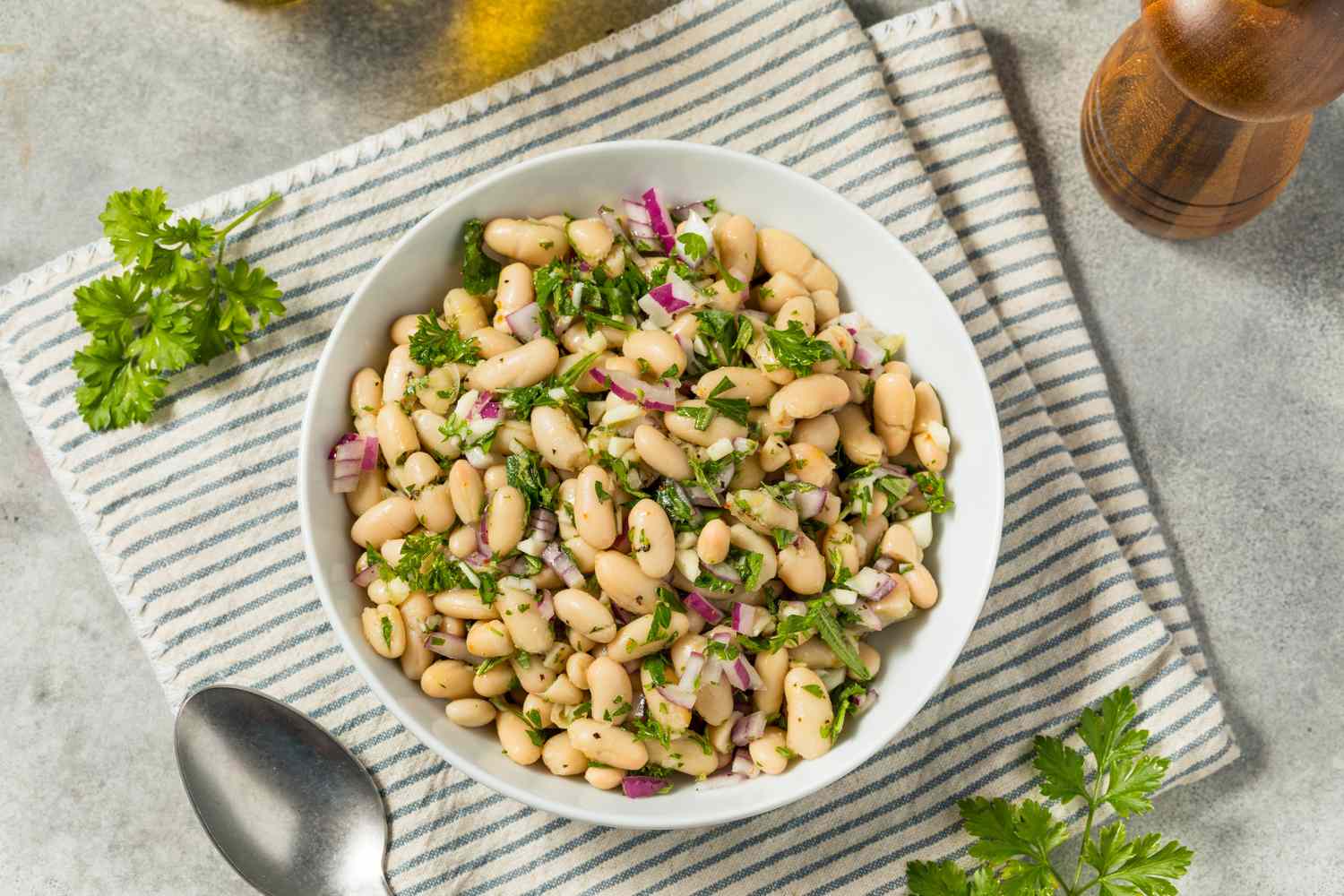
To get the most out of your medication, it is essential to pair the clinical treatment with the best diet for GLP-1 diabetes management. Because the medication slows down your digestion and makes you feel full faster, the quality of the food you eat becomes more important than ever.
- Prioritize Protein: With weight loss, there is always a risk of losing muscle mass. Focus on lean proteins like chicken, fish, tofu, and Greek yogurt to preserve your strength.
- Fiber and Hydration: Slowed digestion can sometimes lead to constipation. Increasing your fiber intake through vegetables and whole grains, while drinking plenty of water, is vital.
- Mindful Portions: You will likely find that your "fullness" signal hits much sooner than it used to. Listen to these satiety signals and avoid the temptation to finish a plate if you no longer feel hungry.
Physical activity also plays a synergistic role. Even moderate lifestyle intervention, such as a daily 20-minute walk, can further improve insulin sensitivity and help maintain the weight loss achieved through the medication.

FAQ
How do GLP-1 medications help manage type 2 diabetes?
These medications work by mimicking a natural hormone called glucagon-like peptide-1. They tell the pancreas to release more insulin when blood sugar is high and prevent the liver from making too much sugar. They also slow down how quickly your stomach empties, which helps keep your blood sugar levels more stable after you eat.
What are the most common side effects of GLP-1 agonists?
The most frequent side effects are gastrointestinal, including nausea, vomiting, diarrhea, and constipation. These typically happen when you first start the medication or when your dose is increased. Most people find that these symptoms fade over time as the body adjusts to the treatment.
Can GLP-1 drugs help with weight loss in people with diabetes?
Yes, weight loss is a common secondary benefit. Because the medication slows gastric emptying and affects the satiety centers in the brain, most patients feel less hungry and stay full longer. This leads to a natural reduction in calorie intake, resulting in an average weight loss of 10 to 14 pounds in many clinical settings.
How long does it take for GLP-1 agonists to start working?
While the medication begins working on your blood sugar levels after the very first dose, it usually takes several weeks to see a significant change in your daily readings. The full impact on your A1C level is typically measured at the three-month mark after your body has reached a steady state on a maintenance dose.
Can you take GLP-1 agonists and metformin at the same time?
Yes, many healthcare providers prescribe these two medications together. They work in different ways—metformin primarily reduces the amount of sugar your liver produces and improves how your muscles use insulin, while GLP-1 agonists stimulate insulin release and slow digestion. Using them together can provide a more comprehensive approach to blood sugar control.