Quick Facts
- The Estrobolome: A specific microbiome niche of bacteria that regulates how much estrogen is reabsorbed into your bloodstream versus excreted.
- The 30-Plant Rule: Consuming 30 or more different plant varieties each week is the gold standard for achieving the microbial diversity needed for hormone regulation.
- Metabolic Impact: Approximately 20% of thyroid hormone conversion from T4 to T3 occurs in the gut, making digestive health vital for metabolic function.
- The Key Enzyme: Beta-glucuronidase levels produced by gut bacteria determine if your body effectively clears used hormones or recycles them, potentially causing estrogen dominance.
- Enteroendocrine Cells: While making up only 1% of the gut lining, these cells produce more than 20 hormones that regulate hunger, insulin, and satiety.
- UK Recommendations: Liquid probiotics like Symprove and medicinal mushroom blends from Hifas de Terra are leading the 2026 market for hormonal gut support.
The gut microbiome regulates hormones by producing enzymes like beta-glucuronidase that control estrogen metabolism and by facilitating the conversion of thyroid hormones, making a fiber-rich, diverse diet essential for endocrine balance. Understanding how to improve gut health for hormone balance involves shifting from restrictive eating to a diversity-focused approach that supports the estrobolome and ensures efficient hormone clearance.

The Estrobolome: Your Gut’s Hormone Control Center
When we talk about hormones, we often look at the ovaries, the adrenals, or the thyroid. However, as an editor specializing in women's wellness, I have seen that the most overlooked player in this system is actually residing in your colon. This is the estrobolome, a unique collection of bacteria dedicated specifically to estrogen metabolism.
The process of handling estrogen is a multi-stage relay. First, your liver processes estrogen in what we call Phase II detoxification, tagging it for removal. But once that estrogen reaches the gut, the estrobolome takes over. Certain bacteria produce an enzyme called Beta-glucuronidase. If your microbiome is out of balance—a state known as dysbiosis—these bacteria produce too much of this enzyme. This "un-tags" the estrogen, allowing it to be reabsorbed back into the blood instead of being flushed out.
This "recycling" of discarded hormones is a primary driver of estrogen dominance, which often manifests as heavy periods, breast tenderness, and mood swings. A landmark study led by Yale researchers found that the gut microbiomes of people in industrialized populations have up to seven times greater capacity to recycle discarded estrogen back into the bloodstream than those in non-industrial populations. This suggests that our modern lifestyle and processed diets are literally changing how our bodies handle steroid hormones.
By focusing on an estrobolome and estrogen metabolism guide, we can see that hormone health is not just about what your glands produce, but about what your gut allows you to let go of. When the gut-brain axis is functioning optimally, the enterohepatic circulation of these hormones remains in a steady state, preventing the "bottleneck" that leads to hormonal symptoms.
Editor’s Note: Think of your liver as the waste management facility that bags up old hormones, and your gut as the bin lorry. If the estrobolome produces too much Beta-glucuronidase, it's like someone tearing those bags open and throwing the rubbish back into your house.
Life Stages: From Menopause Relief to Thyroid Support
The relationship between gut health and hormones evolves as we age. For women entering perimenopause or menopause, the microbiome undergoes a shift often described as "masculinization," where microbial diversity tends to decrease, mimicking a profile more commonly seen in men. This decline can exacerbate symptoms like hot flashes and weight gain. Using a gut health diet for menopause symptom relief focuses on phytoestrogens—found in foods like flaxseeds and soy—which gut bacteria can convert into weaker forms of estrogen to help cushion the fall of natural levels.
Furthermore, our thyroid health is inextricably linked to the gut. While the thyroid gland produces the hormone T4, it is mostly inactive. It must be converted into T3 to be used by your cells for energy and metabolism. It is estimated that 20% of this conversion happens in the gut. If your microbiome is sluggish, your metabolism follows suit.
Stress also plays a destructive role here. High cortisol levels can weaken the gut barrier, leading to "leaky gut." When the barrier is compromised, inflammatory markers enter the bloodstream, further disrupting the endocrine system. Reducing cortisol through gut health and diet is a dual-approach strategy that involves both stress management and feeding the bacteria that produce calming neurotransmitters.
Signs of Microbiome and Hormonal Imbalance
- Persistent bloating and digestive discomfort after meals.
- Irregular cycles or worsening PMS symptoms.
- Unexplained fatigue and "brain fog" related to thyroid sluggishness.
- Difficulty managing weight despite consistent exercise.
- Skin flare-ups, such as adult acne or rosacea, often linked to estrogen recycling.
- Increased anxiety or sleep disturbances.
The 2026 Hormone-Balance Diet: Foods and Probiotics
The most effective way to support your endocrine system is through the "30 plant foods per week" strategy. This isn't about becoming a vegetarian; it's about diversity. Each plant contains different fibers and polyphenols that feed different strains of bacteria. When you increase microbiome diversity, you improve your body's ability to regulate everything from insulin to estrogen.
For specific gut-friendly tips for hormonal bloating and digestion, I recommend focusing on cruciferous vegetables like broccoli and kale. These contain sulforaphane and DIM (diindolylmethane), which directly assist the liver and gut in processing estrogen. Additionally, fermented foods like kimchi and sauerkraut provide live cultures that help keep Beta-glucuronidase levels in check.
| Brand | Product Type | Primary Benefit for Hormones |
|---|---|---|
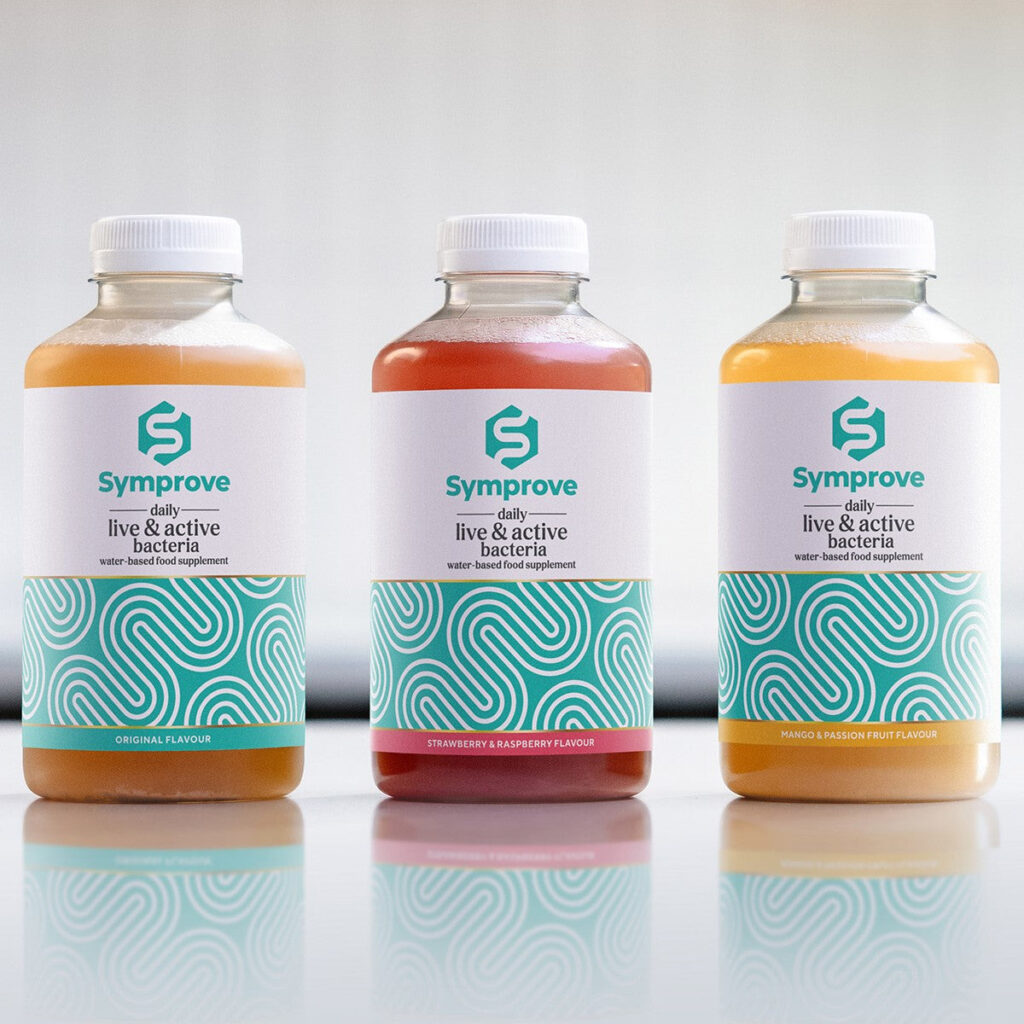
| Symprove | Water-based Liquid Probiotic | Best for reaching the gut alive to support overall microbial diversity. |
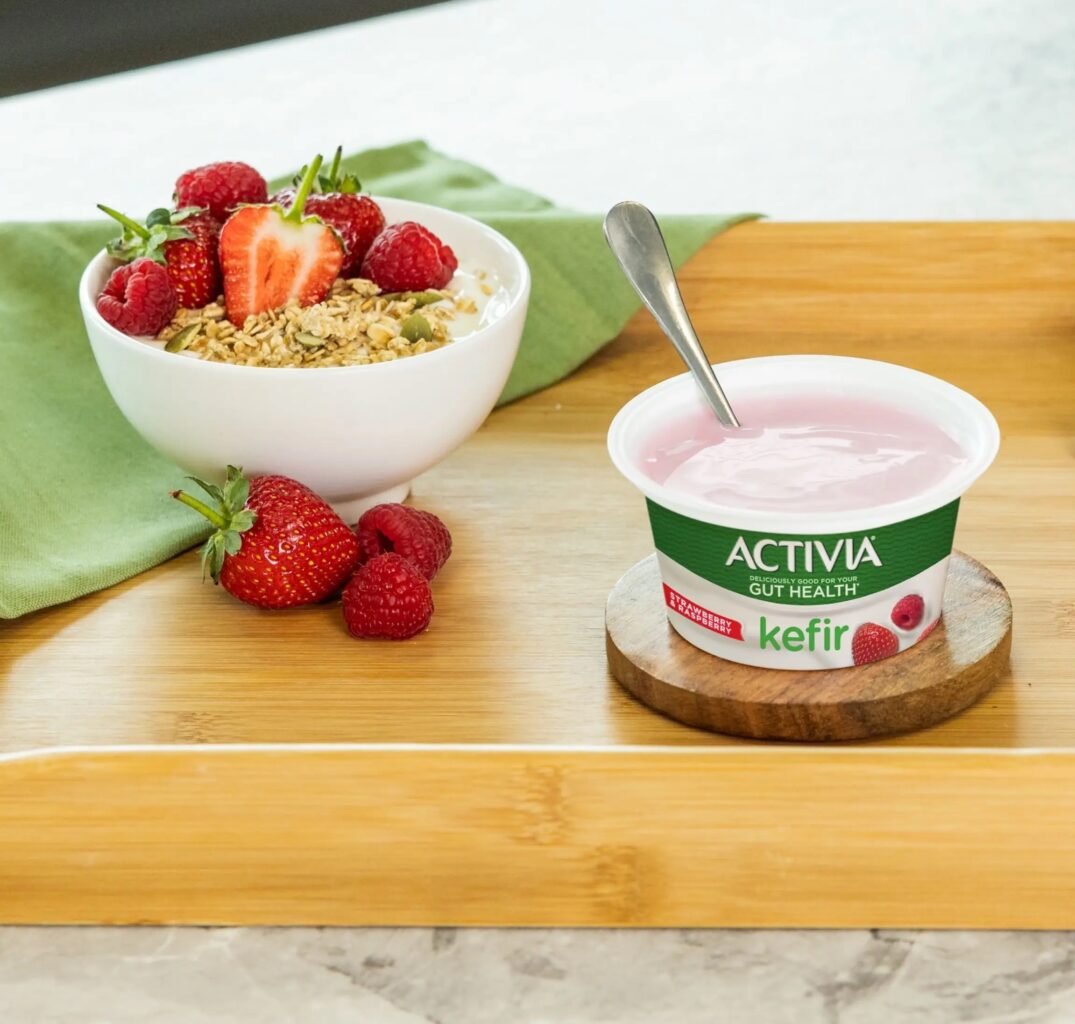
| Activia | Fermented Dairy | Contains Bifidobacterium animalis lactis for digestive comfort and bloating. |
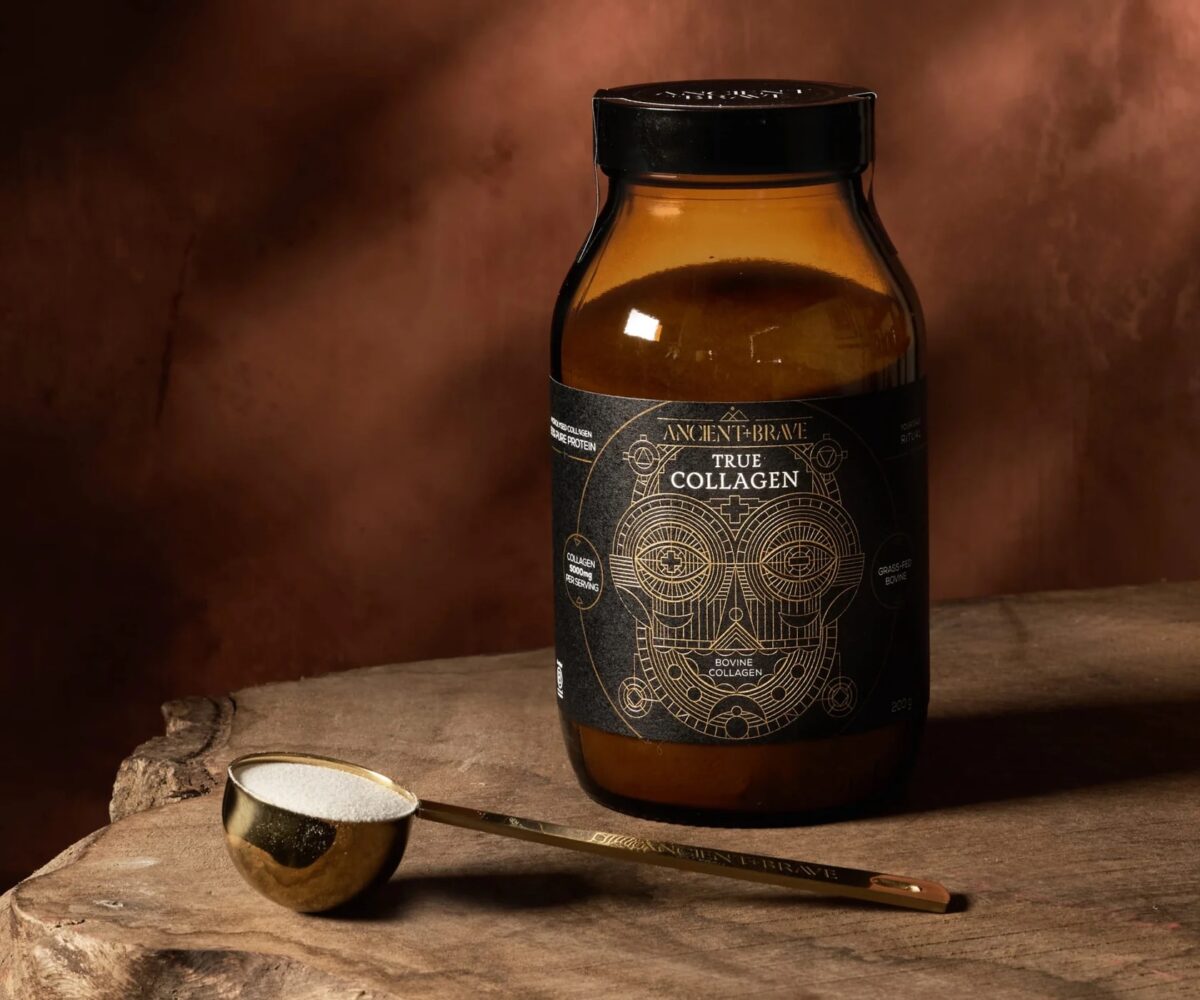
| Ancient & Brave | Collagen & Adaptogens | Supports gut lining repair and manages the stress-hormone response. |
| Hifas de Terra | Medicinal Mushroom Extracts | Utilizes Reishi and Lion's Mane to balance the gut-brain axis and cortisol. |
The rise of medicinal mushrooms for gut and hormone health UK has been a game-changer for my readers. Fungi like Reishi act as adaptogens, helping the body "adapt" to stress and protecting the gut lining from cortisol-induced damage. When paired with high-quality probiotics, these help create a resilient metabolic environment.
When looking for the best probiotics for hormone health UK, search for specific strains like L. rhamnosus, which has been studied for its role in metabolic health and weight management. Liquid formulations like Symprove are often preferred in 2026 because they bypass the harsh environment of the stomach more effectively than dried capsules.

Strategic Foods for Gut Health and Hormonal Balance
- Flaxseeds: Rich in lignans, which help the estrobolome bind to and excrete excess estrogen.
- Leeks and Asparagus: Excellent sources of prebiotics that produce short-chain fatty acids, fueling the gut lining.
- Kefir: Provides a wider range of probiotic strains than standard yogurt, aiding fermentation in the lower GI tract.
- Pumpkin Seeds: High in zinc and magnesium, essential for both progesterone production and gut repair.

Integrating these changes doesn't have to be overwhelming. Start by adding one fermented food a day and aim for three different colors of vegetables at dinner. Over time, these small shifts in your gut health and hormones will manifest as clearer skin, more stable moods, and a more predictable cycle. Remember, your gut is the foundation upon which your entire endocrine system is built.
FAQ
How does gut health affect your hormones?
The gut is a major endocrine organ. It houses the estrobolome, which regulates estrogen levels, and facilitates the conversion of thyroid hormones. Furthermore, enteroendocrine cells in the gut lining produce more than 20 different hormones that control hunger, insulin release, and metabolic speed. When the gut is inflamed or imbalanced, it can lead to over-absorption of hormones or systemic inflammation that disrupts the entire endocrine network.
Does the gut microbiome regulate estrogen?
Yes, specifically through a group of bacteria called the estrobolome. These bacteria produce the enzyme beta-glucuronidase, which determines whether estrogen is excreted or recycled back into the blood. An imbalanced microbiome can lead to an excess of this enzyme, causing estrogen to be reabsorbed, which contributes to conditions like endometriosis, PCOS, and severe PMS symptoms.
What foods improve both gut health and hormone balance?
The best approach is a diversity of fiber-rich plants. Cruciferous vegetables (broccoli, cauliflower) help with estrogen detox, while flaxseeds provide lignans that balance estrogen levels. Prebiotic foods like garlic, onions, and leeks feed beneficial bacteria, and fermented foods like kefir and kimchi introduce live cultures that support the estrobolome and reduce inflammation.
Can probiotics help with hormonal weight gain?
Probiotics can assist by improving insulin sensitivity and reducing the systemic inflammation that often leads to weight retention. Strains like Lactobacillus and Bifidobacterium help regulate the hormones responsible for satiety (leptin) and hunger (ghrelin). By improving the health of the gut-brain axis, probiotics can help stabilize the metabolic environment, making it easier to maintain a healthy weight during hormonal shifts like menopause.
Can stress-induced cortisol levels damage gut health?
Stress and the gut have a bidirectional relationship. High cortisol levels can increase intestinal permeability, often called leaky gut, which allows toxins to enter the bloodstream and triggers an immune response. This inflammation can interfere with hormone production and signaling. Conversely, a healthy gut produces neurotransmitters like serotonin and GABA that help the body manage stress and lower cortisol levels naturally.