Quick Facts
- A1C Target: ≤6.5% for most non-pregnant adults to minimize long-term risks.
- Weight Management: Aiming for a 5-7% reduction in initial body weight significantly improves insulin sensitivity.
- Physical Activity: At least 150 minutes of moderate-intensity aerobic movement per week is the gold standard.
- Review Cycle: A comprehensive review of your health status should occur every 3 months.
- Carbohydrate Counting: Defining 1 carbohydrate choice as 15g of carbs simplifies meal tracking.
- Screening Age: Updated 2026 guidelines recommend that asymptomatic adults begin screening at age 35.
Building a personalized diabetes management plan is essential for long-term health, as it provides a structured framework to navigate the daily complexities of blood sugar control. By integrating the latest 2026 benchmarks for A1C targets, daily blood sugar tracking routines, and evidence-based lifestyle strategies, you can transform a daunting diagnosis into a manageable part of a thriving life.
Step 1: Medical Evaluation and Goal Setting
The first step in taking control of your health is a thorough medical evaluation. This isn't just a standard check-up; it is a deep dive into your body’s current physiological state. For those newly diagnosed, the diagnostic benchmarks typically involve a Glycated hemoglobin (A1C) level of 6.5% or higher, or a fasting plasma glucose (FPG) of 126 mg/dL or higher. However, the modern approach focuses on more than just numbers on a screen; it’s about shared decision-making between you and a multidisciplinary care team.
During this initial phase, we assess Cardiovascular risk factors and look closely at social determinants of health, such as access to healthy food or pharmacy services, which can impact your success. Setting personalized glycemic goals for diabetes is a collaborative process. While the general target is an A1C of 6.5% or lower, your physician might adjust this based on your age, duration of diabetes, and existing health conditions.
A critical, yet often underutilized, resource is DSMES support (Diabetes Self-Management Education and Support). Statistics show that fewer than 7% of individuals with diabetes participate in these services within their first year, despite their massive impact on preventing complications. Your initial evaluation is the perfect time to request a referral.
Medical Evaluation Checklist
- A1C Testing: Establishing your baseline and target.
- Cardiovascular Screening: Checking blood pressure and lipid profiles.
- Kidney Function: Monitoring for early signs of nephropathy.
- Eye Exam: Professional dilation to check for retinopathy.
- Foot Exam: Assessing nerve function and circulation.
2026 Screening Benchmarks
| Benchmark Category | Target/Goal | Frequency |
|---|---|---|
| A1C Level | ≤ 6.5% | Every 3–6 months |
| Blood Pressure | < 130/80 mmHg | Every visit |
| LDL Cholesterol | < 70 mg/dL (varies by risk) | Annually |
| BMI | 18.5 – 24.9 (Adults) | Every visit |
Effective management also requires preventative screening for diabetes-related complications. We know from longitudinal data that for every 1% reduction in HbA1c achieved through a consistent diabetes management plan, the relative risk of microvascular complications decreases by 37% and the risk of diabetes-related death decreases by 21%.
Step 2: Nutritional Mastery and Meal Planning
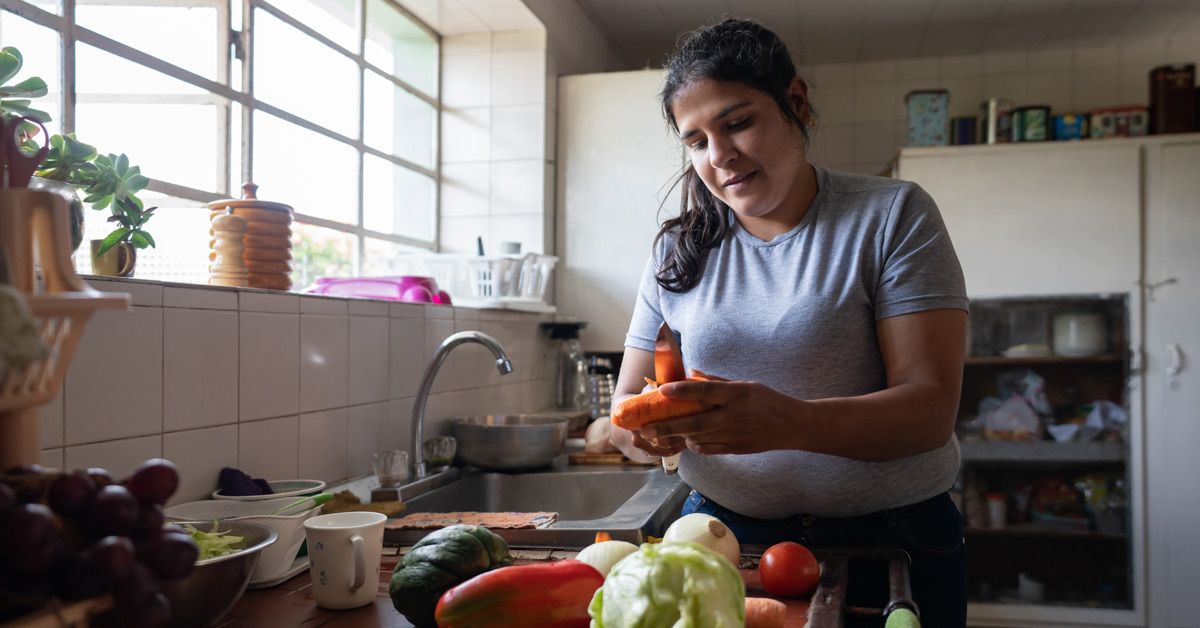
Nutrition is often the area where people feel the most overwhelmed, but it doesn't have to be restrictive. The shift in 2026 is toward Medical nutrition therapy that prioritizes flexibility and psychosocial well-being over "forbidden" foods. One of the most effective diabetic meal planning strategies is the Plate Method, which provides a visual guide to portion control without the need for constant weighing or measuring.
The goal is to fill half of your plate with non-starchy vegetables, one-quarter with lean protein, and one-quarter with a high-fiber starch or grain. This balance ensures you are getting adequate nutrients while slowing the absorption of glucose into your bloodstream. For those focused on meal planning strategies for diabetic weight management, tracking "Carb Choices" is a game-changer. One choice equals 15 grams of carbohydrates. By keeping your intake consistent throughout the day, you avoid the extreme spikes and crashes that lead to fatigue.
The Golden Rules of Diabetic Nutrition
- Consistency is Key: Eat your meals at roughly the same time each day to help stabilize blood sugar.
- Hydrate Smartly: Stick to water, unsweetened teas, or black coffee to avoid hidden sugars.
- Prioritize Fiber: Aim for 25–35 grams of fiber daily to improve digestion and glycemic control.
"Free Foods" List (Less than 5g of carbs per serving)
- Leafy greens (spinach, kale, arugula)
- Celery and cucumbers
- Broccoli and cauliflower
- Mushrooms
- Sugar-free gelatin
Step 3: Integrating Activity and Daily Routines
Establishing daily blood sugar tracking routines is the only way to truly understand how your body responds to the world around it. It’s about more than just checking a box; it’s about identifying patterns. For instance, you might notice your glucose rises after a stressful meeting or drops significantly after a brisk walk. This data is the foundation of your diabetes management plan.
Physical movement is a natural medicine. When you are managing diabetes through physical activity, your muscles use glucose for energy, even without extra insulin. The clinical recommendation is 150 minutes of moderate-intensity activity per week, but the real secret is safe physical activity routines for diabetes management that you actually enjoy. Whether it’s pickleball, swimming, or a nightly walk after dinner, consistency beats intensity every time.
However, safety must come first. Being aware of Hypoglycemia awareness is vital, especially if you take insulin or certain medications. Always carry a fast-acting glucose source, like glucose tablets or a small juice box, in case your levels drop too low during exercise. Conversely, understanding Hyperglycemia prevention means knowing when to rest if your blood sugar is already too high before you start moving.
Step 4: Leveraging Technology for Precision Care
In the last few years, the biggest leap in care has been the move from manual finger-sticks to integrating CGM technology into your diabetes plan. Continuous Glucose Monitors (CGM) provide a real-time view of your glucose levels, showing not just where you are, but where you are headed. This technology is instrumental in managing Glycemic variability—the "ups and downs" that can occur even when your A1C looks good.
For many, especially those with Type 1 or advanced Type 2, automated insulin delivery systems take the guesswork out of dosing. But technology isn't just about hardware. It’s about building a care partner support system for diabetes. Many CGM apps allow you to share your data with family members or your doctor in real-time, providing an extra layer of safety and accountability.
As we age, our needs change. We must consider diabetes management plan adjustments for older adults, focusing on preventing falls and ensuring that medication schedules aren't overly complex. Research on the implementation of structured care indicates that the proportion of patients achieving all their clinical core health goals can increase from 13% to 20% when these comprehensive, technologically-supported plans are in place.
FAQ
What are the key components of a diabetes management plan?
A comprehensive plan includes regular blood sugar monitoring, a personalized nutrition strategy based on medical nutrition therapy, a consistent physical activity routine, and a schedule for preventative medical screenings. It also involves setting specific glycemic goals and having a clear protocol for managing both high and low blood sugar levels.
How do you create a personalized plan for managing diabetes?
Creating a plan starts with a medical evaluation to assess your current health status and cardiovascular risk. From there, you work with a care team to set realistic goals for your A1C and weight. The plan is then tailored to your lifestyle, taking into account your dietary preferences, daily schedule, and any social determinants of health that might influence your care.
What is the most important part of a diabetes care plan?
While all components are vital, the most important part is consistency and shared decision-making. A plan only works if it is sustainable for your daily life. Regular monitoring and staying connected with your healthcare team through DSMES support ensure that the plan can be adjusted as your health needs evolve.
What should be included in a daily diabetes routine?
A daily routine should include checking blood sugar levels at prescribed times, following a balanced meal plan, engaging in at least 30 minutes of physical activity, and taking any prescribed medications or insulin. It also involves staying hydrated and performing a quick self-check of your feet for any cuts or blisters.
How often should a diabetes management plan be reviewed?
Most clinical guidelines recommend a formal review every three months. This allows you and your doctor to look at your A1C trends, assess the effectiveness of your current nutrition and exercise habits, and make any necessary adjustments to your medication or technology settings.
What lifestyle changes are necessary for diabetes management?
The primary lifestyle changes involve adopting a balanced eating pattern—such as the Plate Method—and increasing physical activity to at least 150 minutes per week. Additionally, managing stress, ensuring adequate sleep, and quitting smoking are critical for long-term success and reducing the risk of complications like heart disease.