Quick Facts
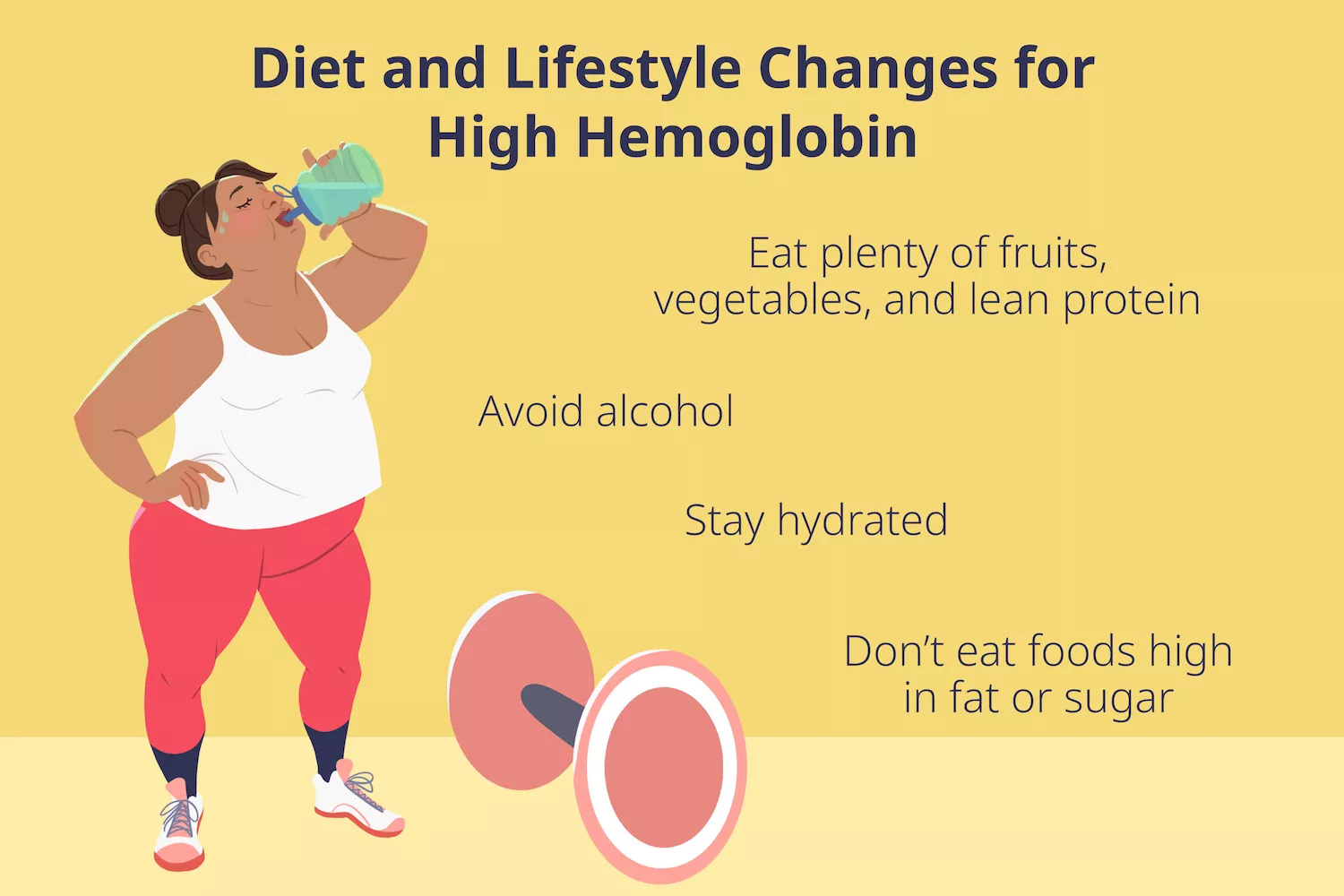
- Daily Hydration: Drinking 8 to 10 glasses of water daily helps expand plasma volume and manage blood viscosity.
- Dietary Strategy: Prioritize iron blockers like dietary tannins from tea and increased calcium intake during meals to limit absorption.
- Foods to Avoid: Reduce intake of heme iron sources like red meat and avoid combining vitamin C with iron-rich meals.
- Lifestyle Impact: Quitting smoking improves oxygen saturation, which naturally reduces the stimulus for the body to overproduce red cells.
- Effective Intervention: Regular blood donation can reduce hemoglobin concentration by approximately 10% per session.
- Exercise Adjustment: Swap high-intensity endurance training for moderate activities like walking to regulate systemic circulation without triggering hypoxia.
To lower hemoglobin naturally, focus on increasing hydration to 8-10 glasses of water daily to manage blood viscosity and adopting a diet that emphasizes iron-blocking foods like tea and calcium while avoiding red meats. Lifestyle changes, including quitting smoking and regular blood donation, are the most effective long-term strategies to regulate red blood cell production.
Understanding High Hemoglobin: Symptoms & Causes
When your lab results show elevated hemoglobin, it often points to a condition known as Polycythemia or Erythrocytosis. Essentially, your body has produced an excess of red blood cells, which can make the blood thicker and more difficult to pump through small vessels. This increased blood viscosity is not just a laboratory finding; it has real physiological consequences. One unique clinical symptom many people notice is a persistent, itchy skin sensation specifically after taking a hot shower. This happens because the excess of red blood cells can trigger a release of histamines when exposed to temperature changes.
The causes of elevated levels often stem from the body trying to compensate for low oxygen levels, a state called hypoxia. This is a primary concern for those living at high elevations. If you are looking for how to manage hemoglobin levels at high altitude, you must understand that your body naturally produces more erythropoietin—a hormone that stimulates red blood cell production—to capture more oxygen from the thin air. Other triggers include chronic lung diseases, sleep apnea, or heavy smoking, all of which lower the amount of oxygen reaching your tissues.
While doctors sometimes use the term Hematocrit percentage to describe the volume of red blood cells in your blood, hemoglobin is the specific protein that carries the oxygen. When both are high, your risk for blood clots or cardiovascular strain increases. Managing these levels naturally requires a two-pronged approach: reducing the production of new cells and managing the density of the cells already in circulation.
Diet for High Hemoglobin: The Blockers vs. Enhancers Method
Managing your iron levels is the most direct way to influence how much hemoglobin your body can produce. Think of iron as the building block; without a surplus of it, your body cannot keep churning out high volumes of red blood cells. To build an effective diet for high hemoglobin, you need to understand the difference between heme iron and non-heme iron. Heme iron, found in red meats and organ meats, is very easily absorbed by the body. Non-heme iron, found in plants like spinach and beans, is much harder for the body to process.
The secret to a successful nutritional strategy is not just about what you cut out, but what you add to block absorption. We call this the "Blockers vs. Enhancers" method. If you want to lower hemoglobin naturally, you should consume iron-blocking substances during your meals. Dietary tannins, found in black and green tea, are incredibly effective at binding to iron and preventing it from entering your bloodstream. Similarly, a high calcium intake during meals can interfere with both heme and non-heme iron absorption.
On the other side of the coin, there are foods to avoid for high hemoglobin because they act as enhancers. Vitamin C and beta-carotene are the most potent enhancers; having a glass of orange juice with a meal can triple the amount of iron you absorb. You should also consider incorporating iron chelating foods to lower hemoglobin naturally. Spices like turmeric contain curcumin, which has been shown in some studies to bind to iron in the digestive tract, potentially helping to lower Ferritin levels over time.
Iron Absorption Management Table
| Strategy | Action | Examples |
|---|---|---|
| The Blockers | Consume with meals to inhibit iron uptake | Black tea, green tea, coffee, milk, cheese, yogurt, walnuts |
| The Enhancers | Avoid consuming these with iron-rich foods | Orange juice, strawberries, bell peppers, carrots, sweet potatoes |
| Chelation | Incorporate substances that bind to iron | Turmeric, cilantro, foods high in phytates (whole grains, legumes) |
| Protein Shifts | Swap red meats for lean or plant proteins | Chicken breast, white fish, tofu, tempeh |
Phytates, found in whole grains and legumes, also act as natural blockers. While we usually think of these "anti-nutrients" as something to avoid, they are a powerful tool for someone with erythrocytosis. By shifting your diet toward these blockers and away from enhancers, you create a natural barrier that slows down the production of new red blood cells.
Lifestyle Changes: Hydration and Habit Shifts
One of the most overlooked factors in blood health is fluid balance. When you are dehydrated, your blood becomes more concentrated, which artificially inflates your hemoglobin and hematocrit readings. This also increases blood viscosity, putting more pressure on your heart. Learning how much water to drink to lower hemoglobin is straightforward for most healthy adults: aim for 8 to 10 glasses per day. This consistent hydration helps dilute the blood, making it easier for it to circulate through the systemic circulation.
Beyond hydration, your habits dictate how much oxygen your blood carries. The impact of quitting smoking on hemoglobin levels is profound. When you smoke, carbon monoxide binds to your hemoglobin, making it unable to carry oxygen. The body senses this lack of oxygen and responds by overproducing red blood cells to compensate. Within weeks of quitting, your oxygen saturation improves, and the signal to overproduce red cells begins to fade.
Exercise is also a critical component, but you must choose the right type. While staying active is essential for heart health, extreme endurance sports can actually stimulate the body to produce more red blood cells to meet high oxygen demands. Instead, focus on safe exercises for high hemoglobin reduction, such as brisk walking, swimming, or yoga. These activities improve circulation and help manage blood pressure without putting the body into a state of chronic oxygen stress that might trigger more cell production.
By making these lifestyle changes to reduce hemoglobin, you are essentially telling your body that it has enough oxygen and enough fluid, reducing the "panic mode" that leads to overproduction.
Direct Intervention: The Role of Blood Donation
For many people, diet and lifestyle changes work gradually. However, if you need a more immediate reduction in red blood cell mass, blood donation is the most effective tool available. In clinical settings, this is sometimes referred to as therapeutic phlebotomy, though for many, a standard voluntary donation is sufficient.
The statistics are quite clear on the efficacy of this method. A single whole blood donation can reduce hemoglobin concentration by approximately 10%, with observed average decreases of 0.5 g/dL in men and 1.6 g/dL in women. This is because you are physically removing the cells and the iron stored within them. In fact, iron management is a common side effect of regular donation; Nearly 35% of regular blood donors develop iron deficiency, which in the context of high hemoglobin, is actually a therapeutic goal.
When you donate blood, your body eventually replaces the lost plasma within 24 to 48 hours, but it takes several weeks to replace the red blood cells. During this time, your blood remains thinner and your hemoglobin levels stay lower. Regular blood donation for lowering high hemoglobin levels can be scheduled every 8 to 12 weeks, depending on local regulations and your overall health status. Always consult with a healthcare professional to ensure you are an eligible candidate for donation, as they will monitor your Ferritin levels to ensure you don't become excessively iron-deficient.
FAQ
How can I lower my hemoglobin levels naturally?
Lowering levels naturally involves a combination of increasing water intake to 8-10 glasses daily, quitting smoking to improve oxygen levels, and adjusting your diet to include iron blockers like tea and calcium. Regular physical activity that is not overly strenuous also helps maintain healthy circulation.
What foods should be avoided if hemoglobin is high?
You should avoid iron-dense foods, particularly heme iron sources like red meat, liver, and other organ meats. It is also wise to limit iron-fortified cereals and avoid consuming high-dose Vitamin C supplements or citrus fruits with meals, as these significantly increase iron absorption.
Does drinking plenty of water help lower hemoglobin?
Yes, drinking plenty of water helps by increasing the plasma volume in your blood. While it doesn't remove the red blood cells, it dilutes them, which lowers the overall concentration of hemoglobin and reduces the thickness or viscosity of the blood.
Does blood donation help in lowering hemoglobin?
Blood donation is one of the fastest ways to lower hemoglobin. A single donation can reduce your concentration by about 10%. It physically removes red blood cells and the iron used to create them, providing an immediate reduction in blood density.
Can lifestyle changes reduce red blood cell count?
Yes, lifestyle changes can significantly impact your count over time. Quitting smoking and managing sleep apnea improve oxygen delivery, which tells the bone marrow to stop overproducing cells. Additionally, moving from a high-altitude environment to sea level will naturally lower red blood cell production as oxygen becomes more abundant.