Quick Facts
- Carbon Reduction: Adopting a plant-forward approach can reduce your individual carbon footprint by approximately 46 percent compared to high-meat diets.
- Economic Growth: The global plant-based food market is projected to reach approximately $30.41 billion in 2025, reflecting a massive shift in how we source protein.
- Microbiome Goal: Health experts now recommend consuming 30 or more different types of plants per week to maximize gut health and biodiversity.
- Waste Impact: Food waste currently accounts for 8 to 10 percent of global greenhouse gas emissions, making a zero-waste kitchen a powerful climate tool.
- Health Gap: Recent data shows that less than 1 percent of the global population currently consumes a diet that remains within both human health and planetary boundaries.
- Protein Benchmark: Aim for 25 to 30 grams of protein per meal using sustainable pantry staples like lentils, hemp seeds, and nutritional yeast.
- Compost Ratio: Successful home composting requires a 3:1 ratio of carbon-rich brown materials to nitrogen-rich green materials.
Starting a sustainable diet involves prioritizing plant-forward meals such as legumes, whole grains, and seasonal produce to lower your carbon footprint while supporting regenerative agriculture and biodiversity. By substituting animal proteins with sustainable alternatives and focusing on minimally processed foods, you can significantly reduce your environmental impact while nourishing your body.
The Science of Eating for 2025: Why It Matters
Looking back from the vantage point of May 2026, it is clear that 2025 was the year the world finally moved past the "all or nothing" mentality of nutrition. We stopped viewing food through the lens of restriction and started seeing it as a vital link to the planet. According to the 2025 EAT-Lancet Commission report, our global food system remains the single largest driver of environmental degradation. However, the shift in consumer behavior has been remarkable. A 2024 survey found that approximately 7 percent of American adults intended to start a vegan or plant-based diet in 2025, and the actual participation exceeded those expectations as people realized the personal health benefits of a high-fiber, nutrient-dense lifestyle.
The connection between individual diet and soil health has become a cornerstone of the modern food movement. Regenerative agriculture is no longer just a buzzword for farmers; it is a priority for shoppers who understand that healthy soil produces food with higher mineral density. When we choose foods grown through restorative practices, we support a circular food economy that returns nutrients to the earth rather than stripping them away. This transition from guilt-based eating to a focus on longevity and planetary stewardship has redefined what it means to eat well. By focusing on biodiversity on our plates, we naturally encourage biodiversity in the fields.
Plant-Based Meal Planning for Busy Families
One of the greatest hurdles we overcame in 2025 was the myth that sustainable eating is time-consuming. We learned to embrace convenience as a strategy. Simple plant-based meal planning for busy families shifted toward the Canyon Ranch Plate Model: a visual guide where half the plate is filled with colorful vegetables, one-quarter with sustainable protein sources, and the final quarter with whole-grain carbohydrates. This model removes the guesswork and ensures a balanced intake of phytonutrients and fiber.
To make this sustainable diet work in the long run, smart kitchens now rely on sustainable pantry staples for a plant-forward kitchen. Think of these as your building blocks: dried or canned chickpeas, quinoa, farro, and various nuts and seeds. The 30-plant-per-week challenge became a viral success because it turned nutrition into a game. Families began tracking their plant diversity, realizing that herbs, spices, and even different colors of carrots all count toward that microbiome-boosting goal. By utilizing frozen and pre-washed vegetables, parents found they could maintain a flexitarian lifestyle without spending hours on prep work.
The 30-Plant-a-Week Checklist
To help you track your progress, consider this simple breakdown for your weekly grocery haul:
- Grains: Quinoa, brown rice, oats, buckwheat, rye.
- Legumes: Black beans, red lentils, chickpeas, edamame, split peas.
- Vegetables: Kale, purple cabbage, bok choy, sweet potatoes, bell peppers.
- Fruits: Blueberries, apples, kiwi, citrus, seasonal stone fruits.
- Nuts/Seeds: Chia seeds, walnuts, pumpkin seeds, hemp hearts, flax.
- Herbs/Spices: Turmeric, basil, cilantro, ginger, garlic.
Minimizing Food Waste: From Grocery Store to Kitchen
The most effective ways to minimize food waste at home often start before you even reach the checkout counter. In 2025, we saw a massive surge in people learning how to identify sustainable food labels at the grocery store. Understanding the difference between Fair Trade, Marine Stewardship Council (MSC) for sustainable seafood, and various regenerative organic certifications allows consumers to vote with their wallets. Reducing food waste at home is as much about logistics as it is about intention.
Buying in bulk has become a primary pillar for those seeking budget-friendly sustainable eating tips. Not only does it reduce excess packaging waste, but it also allows you to purchase only what you need, preventing forgotten bags of grains from expiring in the back of the pantry. Furthermore, local sourcing has helped many families reduce their food miles. Shopping at farmers' markets or participating in Community Supported Agriculture (CSA) programs ensures that you are eating what is in season, which is often more nutrient-dense and has a lower carbon footprint due to reduced transport and refrigeration needs.
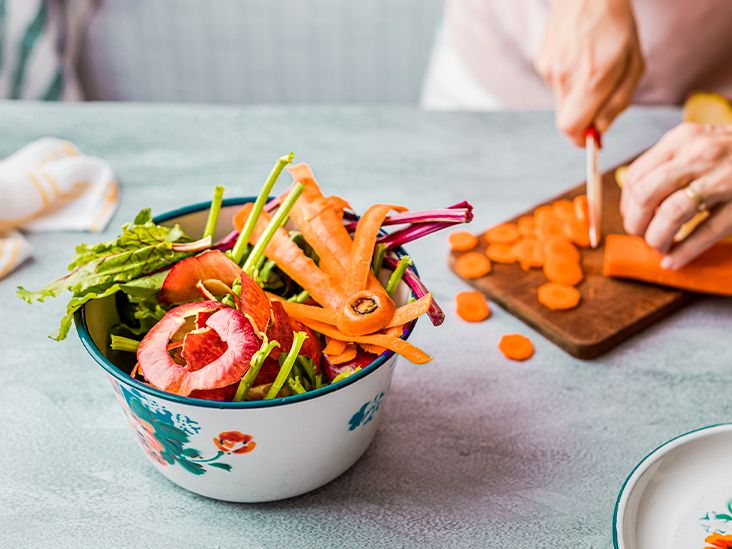
Inside the kitchen, the concept of a zero-waste kitchen evolved to include upcycled ingredients. We started making pesto from carrot tops, simmering vegetable scraps for stocks, and dehydrating fruit peels for snacks. This shift transformed "waste" into a culinary resource. By organizing the refrigerator with a "First In, First Out" system and using transparent containers, households significantly lowered the amount of organic material ending up in landfills.
Composting for Beginners: Closing the Loop
Even the most diligent chefs will have some unavoidable scraps, such as eggshells or coffee grounds. This is where composting for beginners comes into play. For years, people in urban environments felt excluded from the composting movement, but the rise of the apartment composting guide for beginners changed that narrative. Whether you have a sprawling backyard or a studio apartment, there is a way to participate in the circular food economy.
The secret to a smell-free experience is the "Damp Sponge Test" and maintaining a proper balance of materials. Your compost needs three parts carbon (browns like shredded cardboard or dried leaves) for every one part nitrogen (greens like fruit scraps and vegetable trimmings).
| Feature | Bokashi Fermentation | Traditional Vermicomposting |
|---|---|---|
| Space Required | Very Small (Countertop) | Small to Medium (Under sink/Balcony) |
| Speed | 2-4 Weeks | 3-6 Months |
| Accepted Waste | Almost all food (including dairy/meat) | Mostly fruit and vegetable scraps |
| Process | Anaerobic (No oxygen) | Aerobic (Needs worms and air) |
| Result | Pre-compost (needs burying) | Finished worm castings (nutrient-rich soil) |
For those in small spaces, Bokashi has become the gold standard. It uses a specialized bran to ferment food waste in an airtight bucket. Because the process is anaerobic, it doesn't produce the odors typically associated with rotting food. Once the bucket is full and fermented, the contents can be buried in a garden or contributed to a community composting hub. This effectively diverts organic matter from the landfill, where it would otherwise produce methane, and instead prepares it to enrich soil health for the next growing season.
FAQ
What is meant by a sustainable diet?
A sustainable diet is a pattern of eating that promotes health and wellbeing while having a low impact on the environment. it focuses on foods that are produced with minimal water and land use, lower greenhouse gas emissions, and a respect for biodiversity. It is a way of eating that considers the needs of both the current population and future generations.
What are the main components of a sustainable diet?
The core components include a high intake of plant-based foods like vegetables, fruits, whole grains, and legumes. It also emphasizes seasonal and local produce to reduce food miles, a reduction in highly processed foods and sugar, and the choice of protein sources with a lower carbon footprint, such as lentils or sustainably sourced fish, rather than industrial livestock.
Is a sustainable diet more expensive than a normal diet?
Not necessarily. While some organic or specialty meat alternatives can be pricey, the foundation of a sustainable diet—beans, grains, and seasonal vegetables—is often much cheaper than a diet centered around processed convenience foods and high-quality meats. Buying in bulk and reducing food waste also provide significant long-term savings for the household budget.
How can I start eating more sustainably?
You can start by making small, incremental changes. Begin with one plant-based meal per day or implement Meatless Mondays. Focus on reducing food waste at home by planning your meals and learning basic composting for beginners. Gradually replace your most-purchased animal products with sustainable alternatives and try to shop at local farmers' markets when possible.
What are the most sustainable protein sources?
Legumes such as lentils, chickpeas, and black beans are among the most sustainable protein sources because they require very little water to grow and actually improve soil health by fixing nitrogen. Other excellent options include tofu, tempeh, seeds like hemp and chia, and nuts. These have a significantly lower environmental impact than beef or lamb.
How do I reduce my food carbon footprint?
To reduce your food carbon footprint, prioritize plant-forward meals and minimize the consumption of ruminant animals like cows and sheep, which produce high levels of methane. Additionally, choose local and seasonal produce to limit transport emissions, avoid excessive plastic packaging, and ensure that you are composting your food scraps to prevent methane production in landfills.
Moving Toward a Greener Future
The journey toward a sustainable diet is not about achieving perfection overnight. It is about the collective impact of millions of people making slightly better choices every day. As we have seen throughout 2025, the shift toward a flexitarian lifestyle has fueled innovation in meat alternatives and supported farmers who are committed to regenerative agriculture.
By embracing simple plant-based meal planning and becoming more mindful of how we shop and what we throw away, we are doing more than just changing our dinner plates; we are participating in a global movement to protect the planet's biodiversity. Whether you are just starting with an apartment composting guide for beginners or you have been a long-time advocate for the zero-waste kitchen, your contributions matter. The future of food is diverse, resilient, and deeply connected to the earth. Let’s continue to nourish ourselves and the world, one meal at a time.