Quick Facts
- Clinical Threshold: Hypertension is medically defined as a reading of 130/80 mmHg or higher.
- Impact of Diet: Following the DASH protocol can reduce systolic blood pressure by up to 11.4 mmHg in individuals with high readings.
- Sodium Target: Clinical guidelines suggest a sodium limit between 1,500 mg and 2,300 mg per day for optimal cardiovascular health.
- Rapid Results: Transitioning to a low-sodium lifestyle can lower blood pressure in 70% to 75% of adults within just seven days.
- Public Health Benefit: Widespread adoption of these dietary changes could prevent 26,000 cardiovascular events and nearly 3,000 deaths over a ten-year period.
The DASH (Dietary Approaches to Stop Hypertension) diet is highly recommended for managing high blood pressure and improving heart health. This eating plan emphasizes nutrient-dense foods like fruits, vegetables, whole grains, and low-fat dairy while restricting saturated fats and sugar. By prioritizing plant-based proteins and lean meats, individuals can achieve significant clinical reductions in both systolic and diastolic blood pressure.
The DASH Diet: Your Clinical Roadmap to Lower Pressure
When we look at hypertension management, we often focus on what to remove from the plate, but the DASH diet highlights what to add. This evidence-first approach is not a restrictive fad; it is a structured dietary framework designed to flood the body with natural vasodilators. Research confirms that the DASH diet can reduce systolic blood pressure by as much as 11.4 mmHg and diastolic blood pressure by 5.5 mmHg in individuals diagnosed with high blood pressure.
The success of this plan lies in its synergy. It is not just about one nutrient, but the combination of magnesium intake, potassium, and calcium working together to relax blood vessel walls. For those looking for a clear hypertension diet plan for heart health and cholesterol, the 4-5-6-2-3 rule serves as an excellent starting point for daily servings.
| Food Group | Daily Servings (2,000 calorie diet) | Examples |
|---|---|---|
| Whole Grains | 6–8 | Brown rice, oatmeal, whole-wheat bread |
| Vegetables | 4–5 | Spinach, broccoli, carrots, tomatoes |
| Fruits | 4–5 | Apples, bananas, berries, oranges |
| Low-fat Dairy | 2–3 | Skim milk, low-fat yogurt, Greek yogurt |
| Lean Protein | 6 or fewer (oz) | Skinless poultry, fish, egg whites |
| Nuts/Seeds/Legumes | 4–5 (per week) | Almonds, lentils, sunflower seeds |
By adhering to this dash diet food list, you are providing your body with the building blocks for better endothelial function. Unlike standard Western diets high in processed meats, this plan prioritizes monounsaturated fatty acids and complex carbohydrates, which help maintain a healthy fluid balance and decrease the physical strain on the arterial walls.
Sodium vs. Potassium: Finding the 'Sweet Spot'
One of the most critical aspects of any hypertension diet is managing the delicate balance between sodium and potassium. We often hear that we need to "eat less salt," but the clinical reality is more specific. Clinical guidelines for a hypertension diet suggest limiting sodium intake to between 1,500 mg and 2,300 mg per day to manage cardiovascular risk. Most adults currently consume more than 3,400 mg daily, often without realizing it.
Following a low-sodium diet has been found to significantly lower blood pressure in 70% to 75% of adults in as little as one week, with an average systolic reduction of 7 to 8 mmHg. This rapid improvement occurs because reducing sodium decreases the amount of water the body retains, which in turn reduces the volume of blood the heart must pump through the system.
However, sodium is only half of the equation. Potassium acts as the natural foil to sodium. It encourages the kidneys to excrete excess salt and eases the tension in your blood vessel walls. For effective results, we recommend a daily potassium intake for high blood pressure reduction of roughly 3,500 mg to 4,700 mg. When you increase potassium while simultaneously following low sodium diet guidelines, you create a "sweet spot" for your heart.
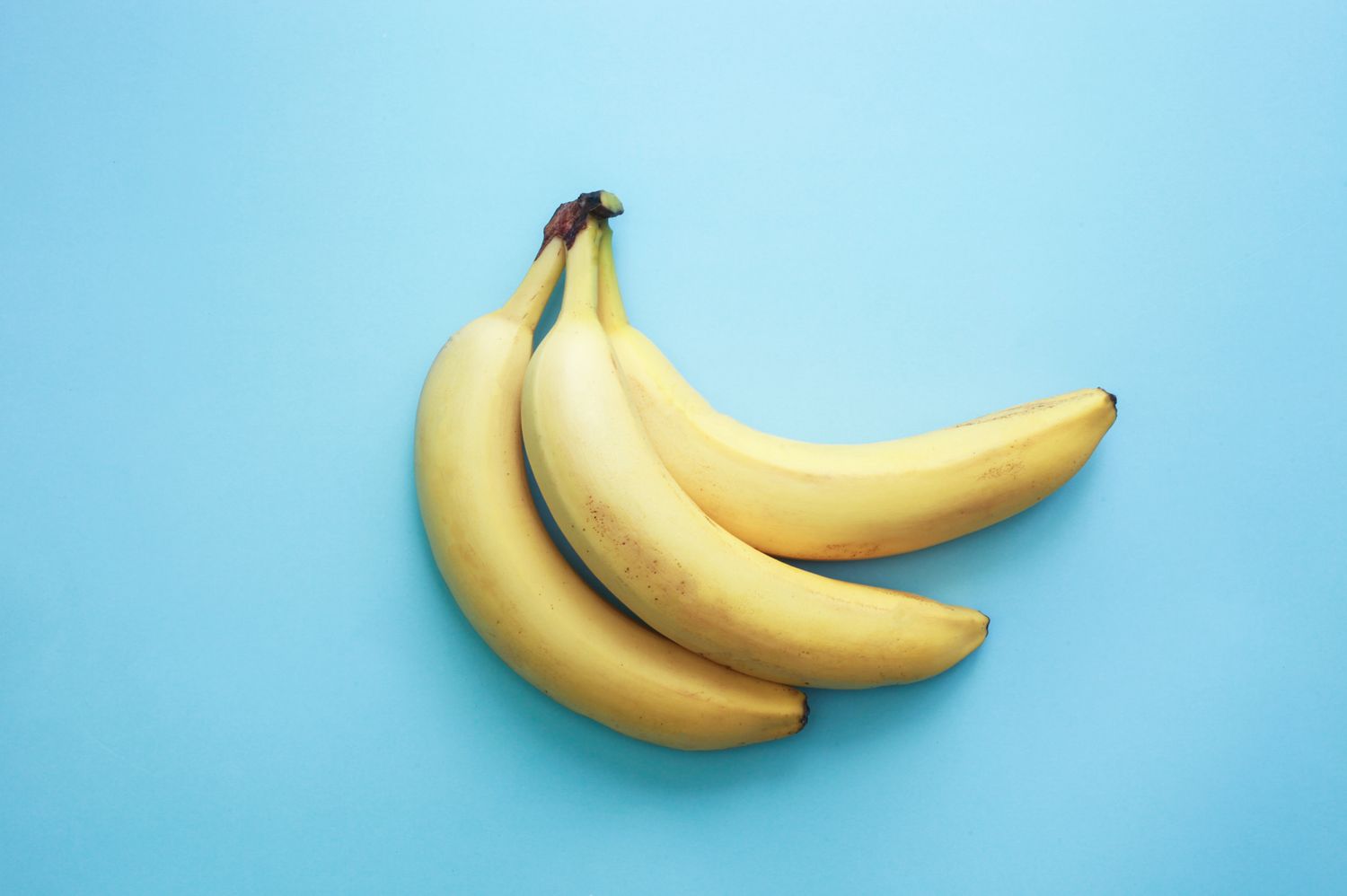
Transitioning to this lifestyle involves replacing processed foods with whole ingredients and using herbs or spices instead of salt to flavor home-cooked meals. This shift in the potassium-sodium balance is one of the most effective natural ways to lower blood pressure through diet alone.
Practical Steps: Kitchen and Grocery Store Strategies
Moving from clinical theory to your kitchen table requires a few practical tools. One of the simplest methods we recommend is the 9-inch plate method. Imagine your dinner plate: fill half of it with colorful vegetables and fruits, one-quarter with high fiber whole grains for blood pressure control, and the final quarter with lean protein. This visual guide ensures you are hitting your nutrient targets without needing a calculator at every meal.
When navigating the grocery store, the biggest challenge is "hidden" sodium. It is estimated that 70% of the sodium in our diets comes from processed and restaurant foods, not the salt shaker on the table. Bread, cold cuts, and jarred sauces are common culprits. Learning how to transition to a low sodium diet guidelines means becoming an avid reader of whole food nutrition labels. Look for "low sodium" (140mg or less per serving) or "no salt added" versions of your favorites.
Here are practical steps for sodium reduction in home cooking:
- The Rinse Technique: Rinsing canned beans or vegetables under cold water can reduce their sodium content by up to 40%.
- Flavor with Acid: Use lemon juice or vinegar to brighten flavors. Often, what we perceive as a need for salt is actually a need for acidity.
- Whole Grain Swap: Replace white pasta and white bread with high fiber whole grains for blood pressure control like quinoa, farro, or sprouted grain bread. Fiber helps lower cholesterol and promotes a feeling of fullness.
- Antioxidant-Rich Nutrition: Incorporate best fruits and vegetables to lower blood pressure naturally, such as leafy greens, berries, and beets. Beets, in particular, are rich in natural nitrates that the body converts into nitric oxide, a compound that helps dilate blood vessels.
Widespread adoption of lifestyle changes like the DASH diet for Stage 1 hypertension is estimated to prevent 26,000 cardiovascular events and avoid 2,900 deaths over a ten-year period in the United States. This highlights the profound impact that individual choices have on long-term public health.
FAQ
What is the best diet for lowering high blood pressure?
The DASH diet is widely considered the gold standard. It is backed by extensive clinical research and focuses on a balance of potassium, magnesium, and fiber. Unlike restrictive diets, it emphasizes adding nutrient-dense whole foods while keeping sodium within a specific range of 1,500 mg to 2,300 mg per day.
What foods should be avoided with hypertension?
The primary foods to limit are those high in sodium and saturated fats. This includes processed meats like deli turkey and pepperoni, canned soups with high salt content, frozen dinners, and sugary snacks. Additionally, "hidden" sodium in condiments like soy sauce and salad dressings should be monitored closely.
Which fruits and vegetables help reduce blood pressure?
Leafy greens like spinach and kale are essential due to their high magnesium and potassium content. Bananas, avocados, and oranges are excellent potassium sources. Berries, particularly blueberries and strawberries, contain antioxidant compounds called anthocyanins, which may help improve endothelial function and lower pressure levels.
What is the daily sodium limit for a hypertension diet?
For most individuals managing hypertension, the American Heart Association recommends an ideal limit of no more than 1,500 mg per day. However, even reducing intake to 2,300 mg can lead to significant improvements in heart health compared to the average Western diet.
How long does it take for diet to lower blood pressure?
Remarkably, blood pressure can begin to drop in as little as one week after making significant dietary changes, particularly sodium reduction. For long-term, sustained results and the full benefits of the DASH diet, researchers typically look at a period of two to four weeks for the most significant clinical shifts to take hold.
Starting with just one small change—perhaps adding an extra serving of vegetables to your lunch or swapping your morning toast for oatmeal—can set the foundation for a lifetime of better heart health. By focusing on evidence-first nutrition and mineral balance, you can take control of your numbers and your future wellbeing.