Quick Facts
- The Silent Threat: An estimated 44% of adults with hypertension worldwide are completely unaware they have the condition because symptoms are rarely present.
- Emergency Threshold: A reading of 180/120 mm Hg or higher is a hypertensive crisis and requires immediate medical attention.
- Global Impact: High blood pressure contributes to approximately 10 million deaths each year, accounting for half of all heart disease and stroke cases.
- Escalating Risk: For every 20 mmHg increase in systolic blood pressure, the risk of death from ischemic heart disease and stroke doubles.
- Key Symptoms: While often silent, warning signs can include severe headaches, vision changes, chest pain, and shortness of breath.
- Primary Prevention: Regular monitoring with a sphygmomanometer and lifestyle changes like the DASH diet are the most effective ways to manage arterial pressure.
Hypertension is often called a silent killer because it typically presents no obvious symptoms until it reaches dangerous levels. However, some individuals may notice early signs such as frequent headaches, vision changes, heart palpitations, or shortness of breath. Because these symptoms are often subtle or attributed to other causes, regular screenings using a sphygmomanometer are the only reliable way to detect high blood pressure before it leads to serious cardiovascular complications.
The Silent Killer: Why Most People Feel Fine
The most dangerous aspect of high blood pressure is its ability to remain invisible for decades. As a vitamins and minerals editor, I often see people looking for a magic supplement to fix a problem they did not know they had. The reality is that your cardiovascular health depends on the constant pressure exerted by blood against your artery walls. When this arterial pressure is consistently too high, it creates micro-tears in the blood vessels, leading to scarring and the buildup of plaque.
The World Health Organization reports that hypertension accounts for half of all heart disease and stroke-related deaths globally. What makes it the silent killer is that the heart and brain can compensate for this extra strain for a long time. You might feel perfectly energetic and healthy while your internal organs are suffering under the load. This lack of physical feedback is why so many people skip their antihypertensive medication or neglect sodium restriction until a major event occurs.
When we look at the silent signs of high blood pressure to watch for, we are not looking for a single obvious "high blood pressure feeling." Instead, we are looking for the small ways the body tries to signal that it is under stress. If your blood pressure remains uncontrolled, the risk is cumulative. Research indicates that for every 20 mmHg increase in systolic blood pressure or 10 mmHg increase in diastolic blood pressure, the risk of death from ischemic heart disease and stroke doubles.
Head-to-Toe Warning Signs: From Vision to Heart Health
While most cases are asymptomatic, the body does occasionally provide clues when pressure spikes. Recognizing these early signs of high blood pressure can be life-saving. It is important to remember that hypertension symptoms can manifest differently across different demographics and organ systems.
Neurological Indicators: The Hypertension Headache
Many people ask how to recognize high blood pressure headache vs normal headache. A typical tension headache often feels like a tight band around the head. In contrast, a headache caused by dangerously high hypertension is usually described as a pulsating or throbbing sensation, often felt on both sides of the head. This occurs because the excessive pressure affects the blood-brain barrier, potentially causing fluid to leak and brain swelling. If you experience a sudden, severe headache that feels unlike any you have had before, it is time to check your numbers.
Vision Changes and Eye Symptoms
The eyes are one of the only places where a doctor can directly see your blood vessels. Hypertension can lead to hypertensive retinopathy, where the tiny vessels in the retina become damaged. Common vision changes and eye symptoms caused by hypertension include blurred vision, double vision, or even a sudden loss of sight. Some patients also report seeing "floaters" or blood spots in the eyes. These are not just inconveniences; they are signs that your arterial pressure is high enough to damage delicate capillaries.
Cardiovascular and Pulmonary Stress
Heart palpitations—the feeling that your heart is skipping a beat, fluttering, or beating too hard—can be an indicator of the heart working against high resistance. Similarly, shortness of breath during routine activities can suggest that the heart and lungs are struggling to keep up with the demands of the body due to high systolic and diastolic readings.
It is also worth noting that hypertension symptoms in women vs men can vary. Women are more likely to report symptoms like fatigue, nausea, and shortness of breath, which are sometimes mistakenly dismissed as anxiety or stress. Men may be more likely to experience traditional chest tightness. Regardless of gender, any unexplained change in how your heart feels should be investigated with a sphygmomanometer.
Red Flags: Recognizing a Hypertensive Crisis (180/120 mmHg)
There is a significant difference between chronic high blood pressure and a hypertensive crisis. A hypertensive crisis occurs when your blood pressure readings suddenly soar to 180/120 mm Hg or higher. This is a medical emergency that requires an immediate medical emergency protocol to prevent organ failure or a stroke.
The hypertensive crisis warning signs are much more pronounced than the early signs of high blood pressure. You should seek immediate help if you or someone else experiences:
- Sudden and severe chest pain or "crushing" pressure.
- Severe confusion, mental fog, or slurred speech.
- Numbness or weakness, especially on one side of the body.
- Difficulty breathing or fluid in the lungs.
- Seizures or loss of consciousness.
If you take a reading and see 180/120 mm Hg but feel no symptoms, do not panic immediately. Sit quietly, rest for five minutes, and retest. If the second reading is still at that level, contact your doctor. However, if the high reading is accompanied by any of the symptoms listed above, call 911 or your local emergency services immediately. Do not attempt to drive yourself to the hospital, as you could lose consciousness or experience a stroke while behind the wheel.
Accuracy Matters: Your Blood Pressure Monitoring Guide
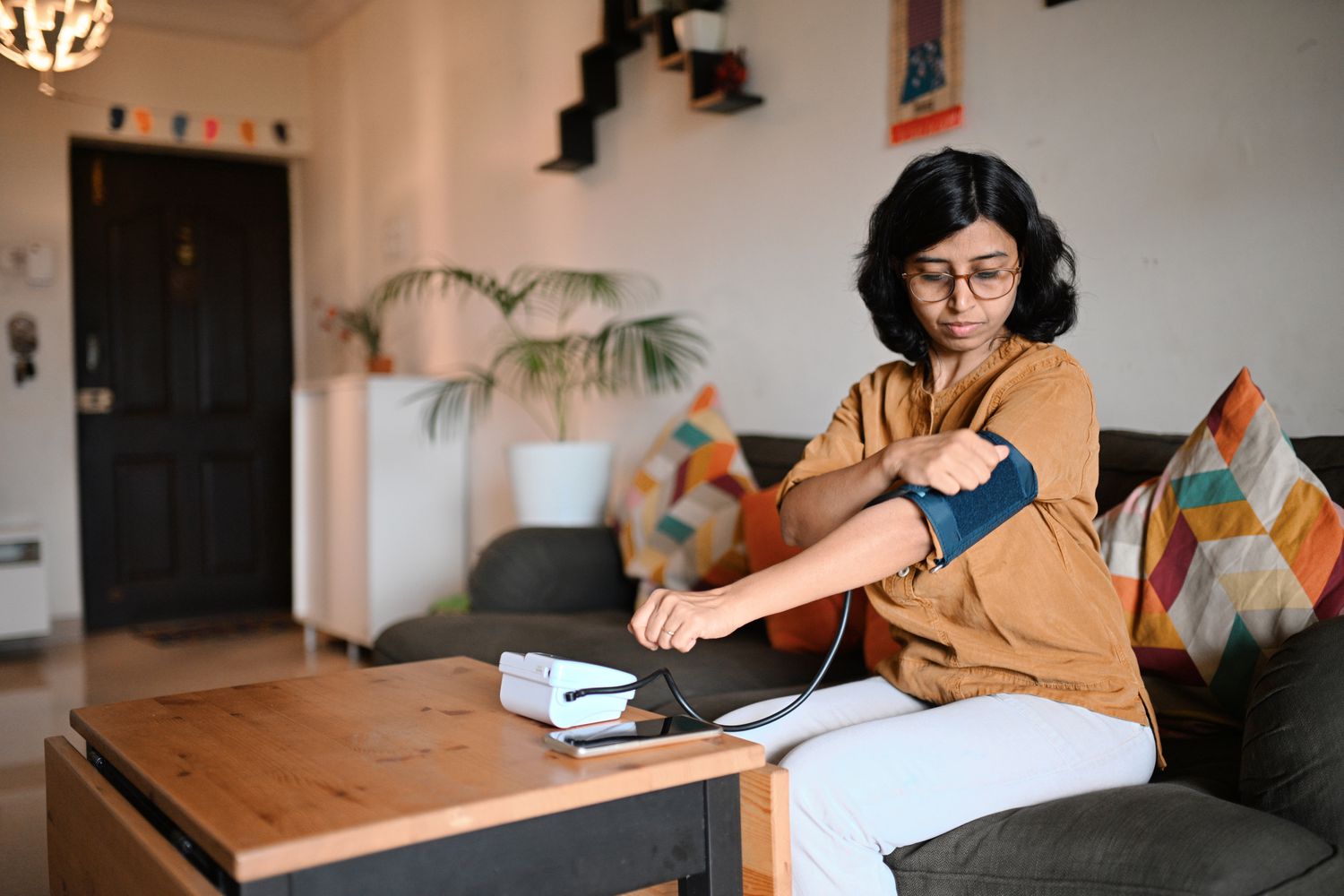
To truly understand what your heart is telling you, you need accurate data. Relying on the occasional check at the pharmacy or the doctor's office can be misleading due to "white coat hypertension" (stress-induced high readings at the clinic). This is why a blood pressure monitoring guide for home use is essential.
How to Correctly Monitor Blood Pressure at Home
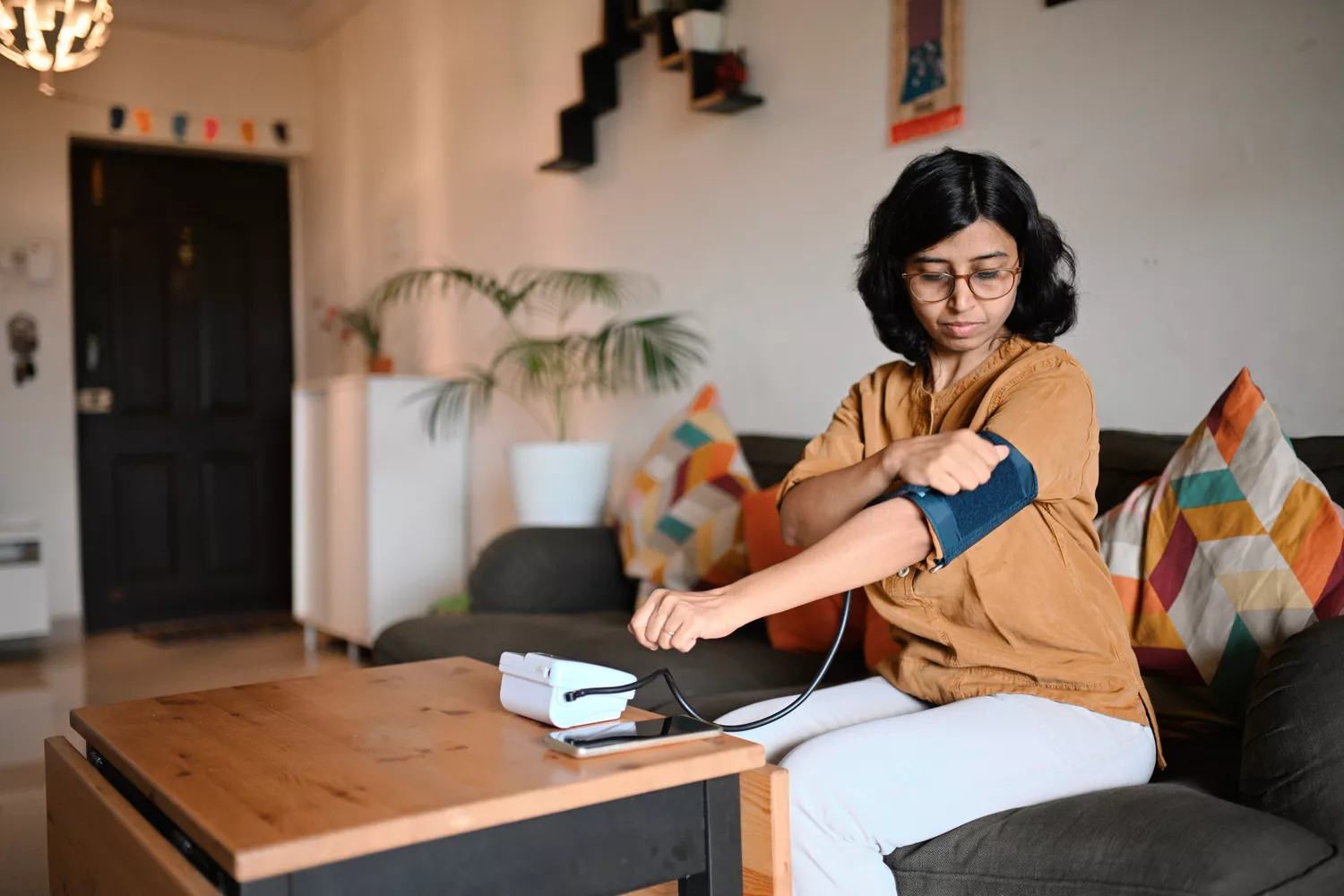
- Prepare properly: Do not smoke, drink caffeine, or exercise for 30 minutes before taking a reading. Caffeine alone can temporarily raise your readings by 5-10 mmHg.
- Proper posture: Sit in a chair with your back supported and your feet flat on the floor. Do not cross your legs.
- Arm position: Keep your arm supported on a flat surface (like a table) with the upper arm at heart level.
- The right equipment: Use a validated, automated cuff that fits your upper arm. A manual sphygmomanometer is excellent but requires training to use correctly.
- Consistency: Take your readings at the same time every day—ideally once in the morning before medication and once in the evening.
Long-Term Management Strategies
Managing hypertension is not just about taking antihypertensive medication; it is about a comprehensive lifestyle shift. The DASH diet (Dietary Approaches to Stop Hypertension) is a gold standard in nutritional science. It emphasizes fruits, vegetables, lean proteins, and whole grains while focusing on sodium restriction. Lowering your sodium intake is one of the fastest ways to see a reduction in systolic and diastolic readings.
Furthermore, ensuring you have adequate intake of minerals like magnesium and potassium can help balance the effects of sodium on your blood vessels. Stroke prevention is a lifelong marathon, not a sprint. By combining regular monitoring, the DASH diet, and medical adherence, you can keep the silent killer at bay and protect your long-term renal and heart health.
FAQ
Can you have high blood pressure without any symptoms?
Yes, it is very common. In fact, an estimated 44% of adults with the condition are unaware they have it because hypertension typically has no signs or symptoms. This is why it is nicknamed the silent killer. You can have dangerously high blood pressure for years while feeling completely fine, even as it causes damage to your heart and arteries.
What does a high blood pressure headache feel like?
A high blood pressure headache usually occurs only when blood pressure is extremely high. Unlike a standard tension headache, it often feels like a strong, rhythmic throbbing or pulsating sensation on both sides of the head. It is frequently described as more intense than a typical headache and may be accompanied by blurred vision or dizziness.
How do I know if I have a hypertensive crisis?
A hypertensive crisis is defined as a blood pressure reading of 180/120 mm Hg or higher. It is a medical emergency. Beyond the numerical reading, warning signs include severe chest pain, sudden confusion, slurred speech, shortness of breath, or a severe, pulsating headache. If you have these symptoms alongside a high reading, you must seek emergency care immediately.
Does hypertension cause dizziness or blurred vision?
Hypertension can cause both, though these are usually signs that the pressure is significantly elevated or has begun to damage the blood vessels in the brain or eyes. Dizziness can occur when the brain is struggling with blood flow regulation, while blurred vision is often a result of hypertensive retinopathy, which is damage to the small vessels in the retina.
What are the early warning signs of high blood pressure?
Because hypertension is usually asymptomatic, there are often no early warning signs. However, some people may experience subtle indicators like frequent nosebleeds, heart palpitations, shortness of breath during mild exertion, or a dull headache. Because these are non-specific, the only way to catch hypertension early is through routine screening with a blood pressure cuff.