Quick Facts
- Baseline Check: Heart rate variability is a highly individual metric; avoid comparing your raw numbers to population averages or friends.
- Top Habit: Practice coherent breathing at a cadence of 5 breaths per minute (4 seconds in, 6 seconds out) to stimulate the vagus nerve.
- Primary Driver: Engaging in consistent Zone 2 aerobic training is the most effective long-term method for improving HRV.
- Immediate Suppressors: Consumption of alcohol, late-night meals, and sleeping in environments warmer than 19°C will cause an immediate drop in your scores.
- Tracking Window: Evaluate your autonomic nervous system health by looking at 8-12 week trends rather than reacting to a single night of poor data.
To succeed in improving HRV, you should focus on consistent daily habits that promote parasympathetic dominance, such as getting 7-9 hours of sleep in a cool room and performing daily resonance frequency breathing. By tracking long-term trends rather than daily fluctuations, you can refine your recovery capacity and ensure your body remains in a state of adaptive resilience.
Understanding the Data: Your Heart Rate Variability Baseline
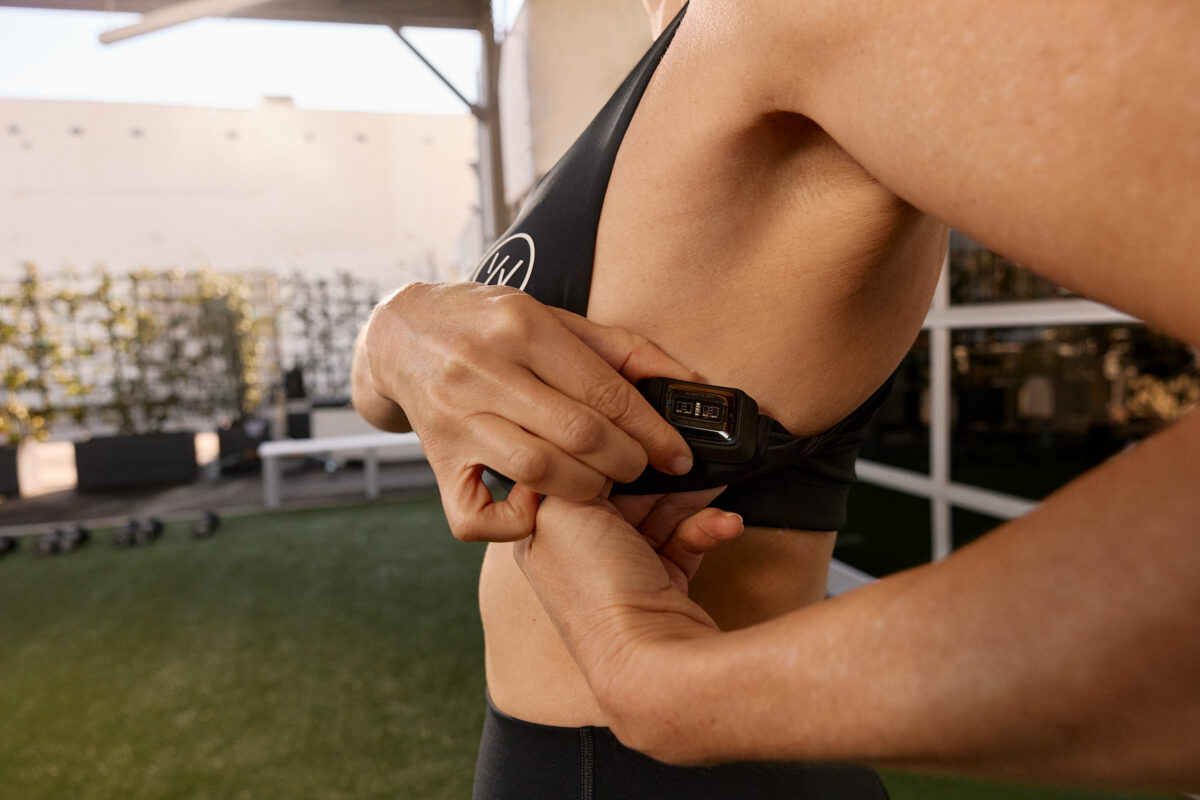
When you open your wearable app and see a number representing your heart rate variability, you are looking at the millisecond variations between consecutive heartbeats, known as R-R intervals. Most consumer wearables use a calculation called RMSSD (Root Mean Square of Successive Differences) to provide this score. Because this metric reflects the balance between your sympathetic (fight-or-flight) and parasympathetic (rest-and-digest) nervous systems, it serves as a powerful window into your internal stress levels.
The first step in any optimization journey is establishing a personal heart rate variability baseline. Because HRV is influenced by genetics, age, and even the size of your heart, a "good" number for a 25-year-old athlete might be 80ms, while a healthy 60-year-old might naturally sit at 30ms. In a four-month study of collegiate athletes using wearable technology, participants saw their heart rate variability (HRV) increase by an average of 8.3 milliseconds through targeted habit changes. This highlights the importance of measuring yourself against your own history rather than an abstract standard.
To ensure your HRV trends interpretation is accurate, consistency is vital. Most wearables track HRV during deep sleep, which is the gold standard for data integrity. If your device allows for manual "morning snapshots," take them at the same time every morning, immediately after waking and before consuming any caffeine. This prevents external variables from skewing your data and helps you understand how your autonomic nervous system health is shifting over months rather than hours.
Immediate Resets: Breathing and Vagal Tone
If you notice your readiness scores are consistently low, you need immediate physiological levers to shift your body out of sympathetic activation. The most accessible tool is the breath. By practicing coherent breathing techniques for HRV improvement, you can manually override your nervous system.
The protocol involves slowing your respiration to roughly 5 or 6 breaths per minute. This specific frequency is known as resonance frequency breathing. It optimizes baroreceptor sensitivity, which helps your heart and brain communicate more efficiently. For most people, an inhalation of 4 seconds followed by an exhalation of 6 seconds is the "sweet spot" for inducing parasympathetic dominance. Just 10 minutes of this practice can produce an immediate uptick in your R-R intervals.
Another powerful tool for enhancing vagal tone is cold water immersion. Exposing your body to water below 15°C for 1 to 3 minutes triggers the mammalian dive reflex, which acutely lowers your heart rate and increases HRV once the initial shock subsides. This type of biofeedback training teaches your body to recover from stress more rapidly. A European technology firm that implemented wearable-based heart rate variability (HRV) tracking during a six-week wellness challenge reported a 23% reduction in employee burnout, largely attributed to these types of nervous system regulation practices.
Long-Term Foundations: Sleep and Recovery Capacity
While breathing provides a quick fix, long-term autonomic nervous system health is built on the foundations of sleep and circadian rhythm alignment. Your wearable data will often show that the single biggest determinant of a high HRV the following morning is the quality of the sleep you got the night before.
To optimize the impact of sleep quality on HRV trends, keep your bedroom temperature between 15°C and 19°C. Research shows that a cooler core temperature allows for deeper transition into the restorative stages of sleep where the parasympathetic system is most active. Additionally, your hydration status plays a massive role. Aim for 30-35ml of water per kg of body weight daily. Dehydration leads to lower blood volume, which forces the heart to beat faster and reduces the variability between beats.
| Intervention Type | Method | Expected Impact |
|---|---|---|
| Immediate | Coherent Breathing (5-6 breaths/min) | High (Acute shift to parasympathetic) |
| Immediate | Cold Exposure (1-3 mins < 15°C) | Moderate (Vagal nerve stimulation) |
| Long-term | Zone 2 Aerobic Exercise (150+ mins/week) | High (Increased stroke volume/lower RHR) |
| Long-term | Consistent Sleep Cycle (+/- 30 min window) | High (Circadian rhythm alignment) |
| Long-term | Supplementation (Magnesium/Omega-3) | Moderate (Cellular recovery support) |
Beyond environment, the timing of your habits matters. Aligning your meals and light exposure with your circadian rhythm ensures that your body isn't processing a heavy meal while trying to enter deep sleep. Aim to finish your last meal at least 3 hours before bed to prevent a drop in your overnight recovery capacity.
Troubleshooting Trends: Overtraining and Acute Drops
Interpreting HRV trends on wearable devices requires a nuanced approach to negative data. A sudden, sharp drop in your daily score is usually a sign of acute stress—perhaps a late night out, a developing illness, or an exceptionally hard workout. However, a gradual downward trend over several weeks is a significant warning sign of overtraining syndrome or chronic burnout.
Research involving a 12-week aerobic exercise intervention for middle-aged and older adults demonstrated that regular physical activity significantly improves heart rate variability and autonomic modulation. However, the key word is "regular," not "excessive." If you ignore low readiness scores and continue to push through high-intensity sessions, you risk suppressing your HRV further.
When recovering from low HRV due to overtraining, you must prioritize active recovery. This might mean swapping a high-intensity interval session for a long walk or a light yoga flow. By listening to these wearable insights, you allow your body the space to return to its heart rate variability baseline, eventually leading to a higher ceiling of physical performance and stress resilience.
FAQ
What is a normal heart rate variability for my age?
HRV naturally declines with age. While a person in their 20s might have an average RMSSD between 60ms and 100ms, someone in their 60s might typically range between 20ms and 45ms. However, these are population averages, and your personal trend is far more important than where you sit on a demographic chart.
How can I naturally increase my HRV?
The most effective natural methods include consistent aerobic exercise, maintaining a regular sleep-wake cycle, and practicing daily meditation or breathing exercises. Reducing or eliminating alcohol and managing dietary inflammation through high-quality Omega-3 intake also provide significant support for your autonomic nervous system.
Does consistent exercise improve heart rate variability?
Yes, regular moderate aerobic exercise increases the efficiency of the heart and strengthens the parasympathetic branch of the nervous system. Over time, this results in a higher baseline HRV. However, it is essential to balance high-intensity work with adequate rest to avoid the suppressive effects of overtraining.
What causes a sudden drop in HRV?
Common culprits for a sudden dip include alcohol consumption, oncoming illness (often visible in data 24-48 hours before symptoms appear), significant psychological stress, or a lack of sleep. Environmental factors like sleeping in a hot room or traveling across time zones can also cause an acute drop.
Does alcohol consumption lower heart rate variability?
Alcohol is one of the most potent suppressors of HRV. Even a single drink can cause your heart rate to remain elevated and your HRV to stay low for the duration of the night. It interferes with the transition into REM and deep sleep, preventing the parasympathetic nervous system from fully taking over the recovery process.