Quick Facts
- Market Trend: The global vitamin patches market was valued at approximately USD 2.1 billion in 2024 and is projected to reach USD 3.1 billion by 2030.
- Core Benefit: Bypassing the digestive system to avoid common side effects like nausea and the degradation of nutrients by stomach acids.
- Biological Mechanism: Utilizes transdermal diffusion for a controlled drip-feed release directly into the systemic circulation.
- User Statistics: An estimated 35% to 40% of supplement users report difficulty swallowing pills, making wearables a highly accessible alternative.
- Target Audience: Ideal for bariatric patients, individuals with malabsorption issues, or those experiencing significant pill fatigue.
- Ingredient Compatibility: Best suited for small, fat-soluble molecules that can efficiently penetrate the stratum corneum.
Supplement patches deliver nutrients via transdermal diffusion, allowing ingredients to pass through the skin directly into the bloodstream. This method provides a steady, controlled release of vitamins over several hours, maintaining more consistent levels compared to the peaks and troughs associated with oral ingestion. By bypassing the digestive tract, these patches avoid degradation by stomach acid and the liver's first-pass metabolism.
The Rise of Pill Fatigue: Why Editors are Making the Switch
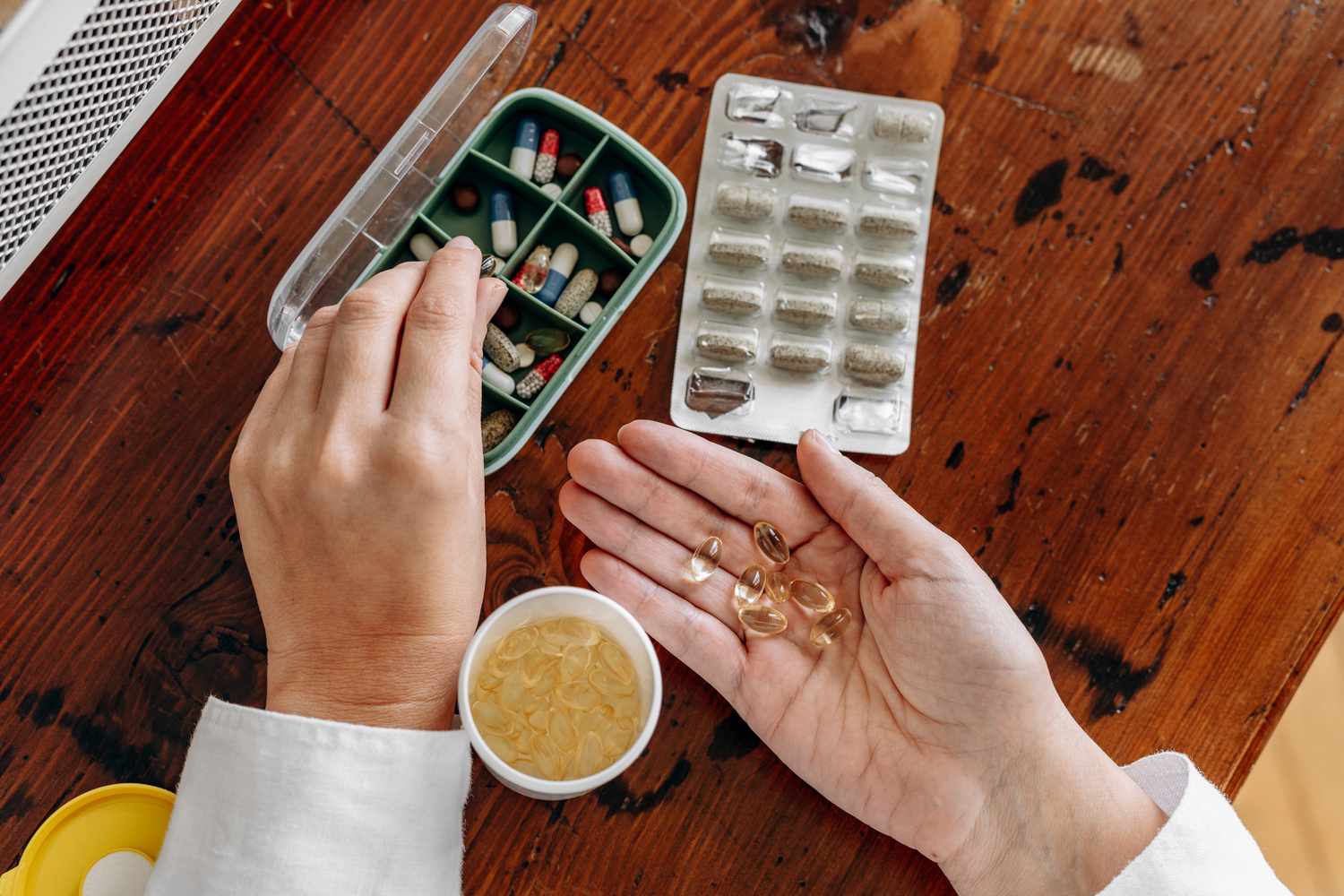
For years, the gold standard of wellness was a cabinet full of amber glass bottles. But as the number of recommended micronutrients grew, so did a phenomenon we in the industry call pill fatigue. It is the mental and physical exhaustion that comes from managing a complex regimen of large capsules and chalky tablets. While 74% of American adults take a daily supplement, a significant portion of the market is shifting toward wearable patches to avoid this burnout.
The struggle is not just psychological. Clinical data indicates that an estimated 35% to 40% of supplement users report difficulty swallowing pills, a condition often referred to as dysphagia. For these individuals, the daily vitamin routine is not a wellness ritual but a physical hurdle. This is where supplement patches offer a revolutionary shift in user experience.
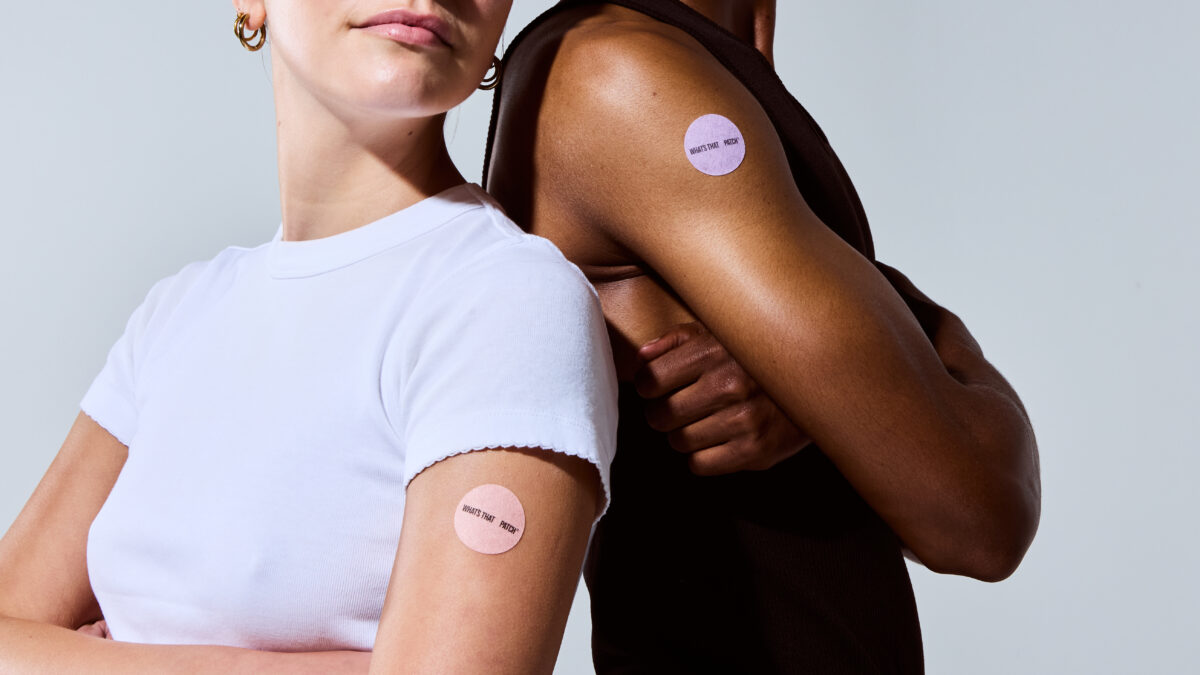
Beyond the physical ease, the lifestyle benefits of switching to wearable supplements are substantial. Instead of timing doses around meals or carrying water bottles to swallow large multivitamins, users can simply apply a patch in the morning and go about their day. This set it and forget it approach integrates seamlessly into modern, busy routines, ensuring better compliance and consistency without the intrusive nature of traditional oral delivery. For those seeking transdermal supplements for people who hate swallowing pills, the transition represents a liberation from the "one-large-hit" dosing model.
The Science: How Transdermal Vitamin Delivery Works
To understand why editors are ditching their pill organizers, we must look at the physiology of transdermal vitamin delivery. The process begins with the stratum corneum, the outermost layer of the skin. Traditionally viewed only as a barrier, we now understand that this layer can serve as a gateway. When a patch is applied, it creates a concentration gradient that facilitates nutrient diffusion through the skin layers and into the capillaries.
This method of delivery offers a major biological advantage: the bypass of first-pass metabolism. When you swallow a pill, it must survive the harsh environment of stomach acid before being processed by the liver. This process can significantly reduce the Bioavailability of the nutrients. In contrast, supplement patches allow active ingredients to enter the systemic circulation directly.
Furthermore, oral supplements typically create a peak and trough effect—a sudden spike in nutrient levels followed by a rapid decline as the body metabolizes and excretes the excess. The controlled-release mechanism of a patch provides a steady-state delivery. By mimicking a slow drip-feed, the patch maintains consistent nutrient levels in the blood for up to 8 to 12 hours. This sustained release is often much gentler on the system and more effective for maintaining long-term wellness.
Science Spotlight: The Stratum Corneum The stratum corneum is the skin's primary defense mechanism, consisting of dead skin cells and lipids. For a supplement patch to work, the formulation must allow molecules to navigate this lipophilic (fat-loving) barrier. This is why fat-soluble vitamins and small-molecule nutrients are the most successful candidates for transdermal delivery.
Supplement Patches vs Pills: The Absorption Comparison
When evaluating vitamin patches vs pills, the primary question is always one of efficiency. While pills are capable of delivering higher raw dosages, the actual amount of the nutrient that reaches your cells—the Bioavailability—can vary wildly based on your gut health.
| Feature | Oral Pills / Capsules | Supplement Patches |
|---|---|---|
| Delivery Route | Gastrointestinal Tract | Transdermal (Skin) |
| Metabolic Path | First-pass (Liver) | Direct Systemic Circulation |
| Absorption Rate | Rapid spike, then drop | Steady-state delivery |
| Bioavailability | Varies by gut health | High for compatible molecules |
| Digestive Stress | Common (nausea, upset) | Minimal to none |
| Convenience | Requires water/meal timing | Applied once daily |
The evidence based benefits of vitamin d patches are particularly compelling. Because Vitamin D is a fat-soluble molecule, it is naturally predisposed to penetrate the skin barrier. Clinical validation in this area is growing, with some studies suggesting that transdermal Vitamin D can be a viable alternative for those who do not respond well to oral dosing. When performing a supplement patches vs oral vitamins absorption comparison, the patch often wins on consistency and the avoidance of gastrointestinal distress.
Beyond Convenience: Medical Necessity and Malabsorption
While many switch to patches for lifestyle reasons, for others, supplement patches are a medical necessity. This is particularly true for bariatric patients. After weight-loss surgery, the stomach's surface area is reduced, and the digestive path is altered, making it nearly impossible for the body to absorb traditional pills effectively.
For individuals with Crohn’s disease, Celiac disease, or other gastrointestinal bypass issues, finding the best vitamin patches for malabsorption issues is a critical part of their health management. When the gut is compromised, the skin becomes the most reliable secondary organ for nutrient uptake. By using transdermal vitamin delivery, these patients can bypass their problematic digestive tracts entirely, ensuring they receive the essential micronutrients required for recovery and long-term health.
Safety First: What You Need to Know Before Sticking
As an editor, I must emphasize that while the benefits of transdermal supplements are vast, they are not a "magic fix" for everyone. The quality of the patch matters immensely. You should look for brands that prioritize clinical validation and use hypoallergenic, medical-grade adhesives.
One primary concern is potential skin irritation from transdermal wellness patches. If you have sensitive skin, the adhesive or the penetration enhancers used to move the vitamins through the skin can cause redness or itching. It is always wise to test a patch on a small, inconspicuous area of skin first.
Additionally, we must be dosage-aware. Because patches bypass the liver's initial filtering, it is vital to follow the manufacturer's instructions regarding wear time. This is especially true for fat-soluble vitamins (A, D, E, and K), which the body stores in fatty tissues. Over-supplementation can lead to toxicity, so maintaining a steady-state delivery within safe parameters is key. Always separate these wellness patches from pharmaceutical-grade transdermal medications and consult a healthcare professional before starting a new regimen.
FAQ
Do supplement patches actually work?
Yes, supplement patches work through a process called transdermal diffusion. They are designed to deliver small-molecule nutrients through the skin and into the bloodstream. While they are highly effective for certain vitamins like B12 and D, their efficacy depends on the formulation science and the molecular size of the ingredients.
Are vitamin patches more effective than oral supplements?
Effectiveness is subjective and depends on the individual. For someone with a healthy digestive system, pills may work fine. However, for those with malabsorption issues, bariatric surgery, or those who suffer from nausea after taking pills, patches are often more effective because they bypass the digestive tract and provide more consistent blood levels.
Are there any side effects to using supplement patches?
The most common side effect is localized skin irritation or redness at the site of application, usually caused by the adhesive. Unlike oral supplements, they rarely cause digestive issues like nausea or stomach cramps.
Where is the best place to apply a vitamin patch?
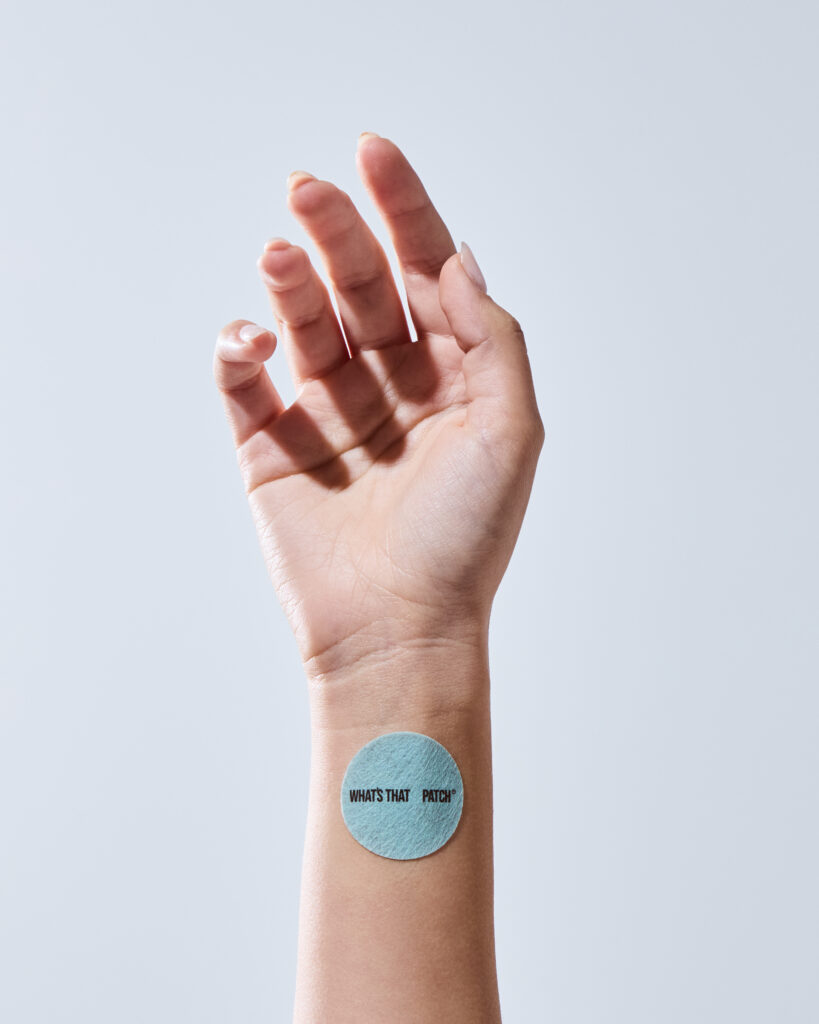
The best place to apply a patch is a clean, dry, and hairless area of skin with minimal movement. Popular locations include the inner wrist, the upper arm, the shoulder blade, or the hip. Avoid areas where the skin folds or where clothing might rub the patch off.
How long should you leave a supplement patch on?
Most manufacturers recommend leaving a patch on for 8 to 12 hours to allow for full nutrient absorption. Always check the specific instructions on your product packaging, as some patches are designed for shorter or longer wear times depending on the nutrient profile.